
Polyrhachis beauforti
- 学名
- Polyrhachis beauforti
- 亚属
- Chariomyrma
- 族
- Camponotini
- 亚科
- Formicinae
- 命名者
- Emery, 1911
- 地理分布
- 分布于 0 个国家/地区
物种引言
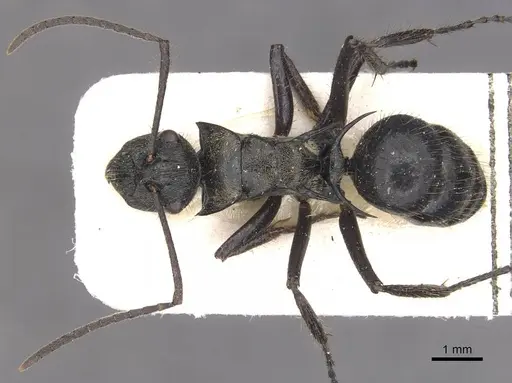
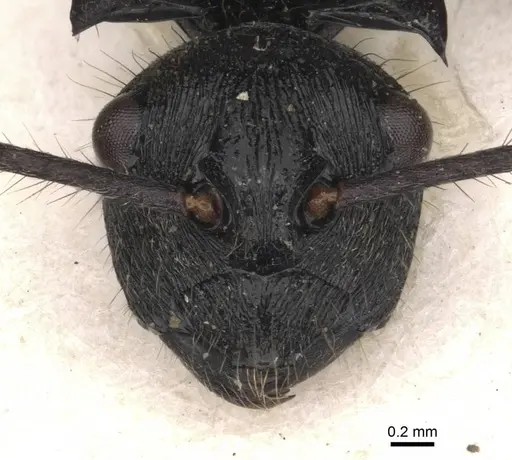
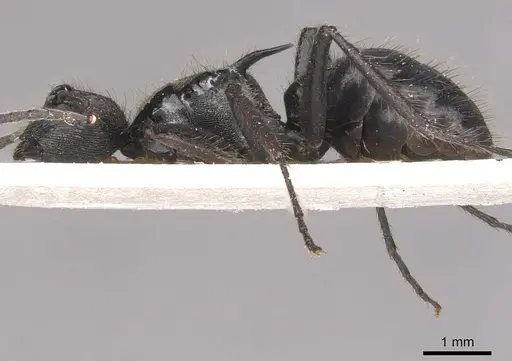
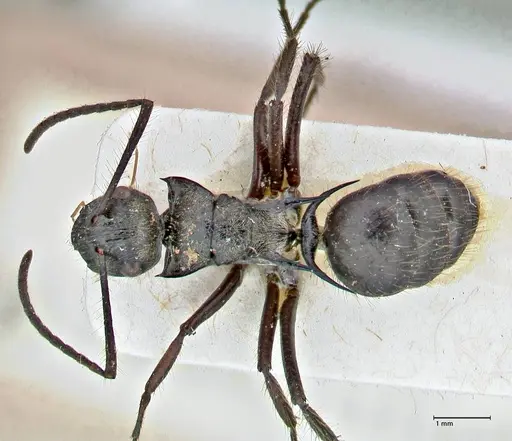
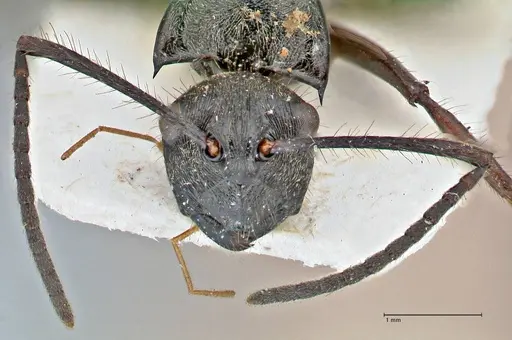
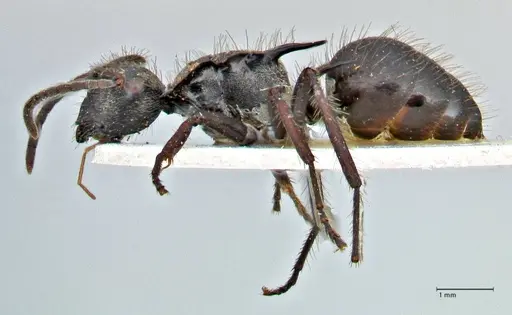
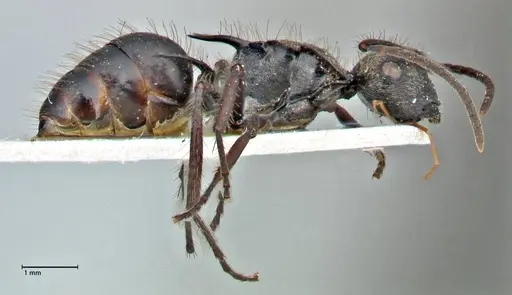
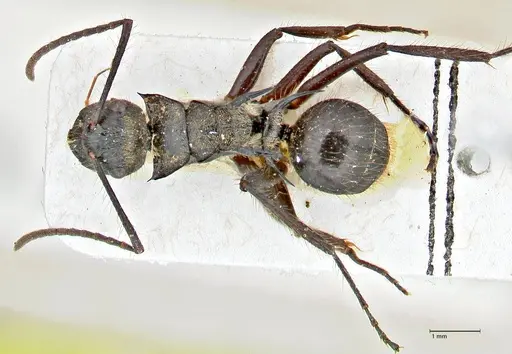
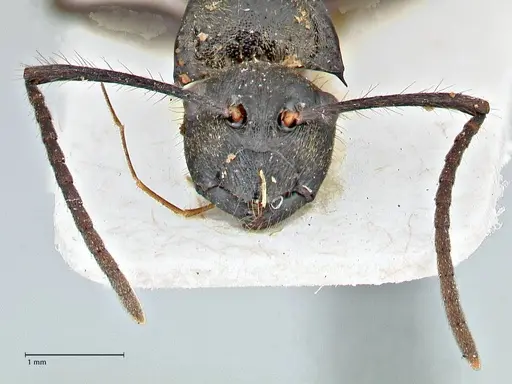
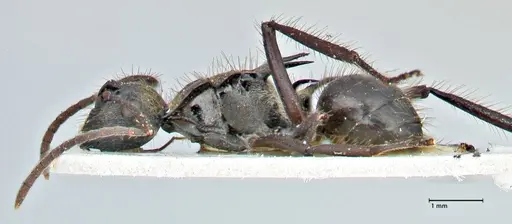
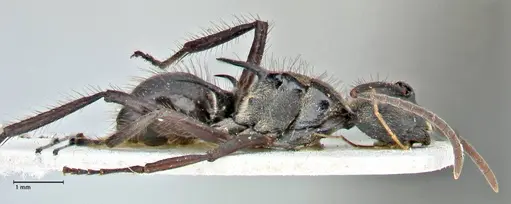
Polyrhachis beauforti is an ant species native to New Guinea . Workers are entirely black with dense golden pubescence covering the head, thorax, and dorsal surface of the petiolar scale . The gaster is shiny with long brown hairs . Worker length is 5.5 mm . This species is similar to Polyrhachis limbata but has denser pubescence and a smaller gaster . It inhabits tropical rainforest environments in New Guinea . Like other Formicinae, they lack a sting and use formic acid spray for defense.
Quick Summary
- Difficulty: Medium
- Origin & Habitat: New Guinea (Australasian Region), tropical rainforest environment [1]
- Colony Type: Unconfirmed, likely single-queen colonies based on Polyrhachis genus patterns
- Size & Growth:
- Antkeeping:
- Behavior: Like other Formicinae, they lack a sting and spray formic acid for defense. Workers are active foragers but not aggressive. Escape risk is moderate due to small size (5.5 mm).
- Common Issues: temperatures below 20°C can be fatal for this tropical species., low humidity can cause dehydration., mold growth if ventilation is poor., slow colony growth may require patience.
Housing and Nest Setup
Polyrhachis beauforti does well in setups that mimic their natural habitat. Use a Y-tong or plaster nest that retains humidity [1]. The nest should have chambers sized for 5.5 mm workers [2]. Escape prevention is important due to small size, apply Fluon or similar barrier gel to container edges [2].
Feeding and Diet
In the wild, Polyrhachis ants are omnivorous, foraging for nectar, honeydew, and small insects. In captivity, offer sugar water or honey as a constant energy source, and protein sources like small crickets or mealworms 2-3 times per week. Fresh water should always be accessible.
Temperature and Heating
Being a New Guinean tropical species, Polyrhachis beauforti requires warm conditions year-round. Keep temperatures around 24-28°C [1]. Below 20°C, the colony may become sluggish. Use a heating cable or heat mat on one side of the nest to create a gradient.
Humidity Management
These ants require high humidity to thrive. Keep the nest substrate consistently moist but not waterlogged [1]. Check regularly and rehydrate when the surface begins drying. Balance humidity with adequate ventilation to prevent mold.
Colony Development
A newly mated queen will seal herself into a chamber and lay eggs. As claustral founding is unconfirmed, she may rely on stored reserves. First workers (nanitics) are expected around 6-8 weeks at optimal temperatures (inferred). Colony growth is moderate after workers emerge.
Handling and Temperament
Polyrhachis beauforti is not aggressive but may spray formic acid if threatened. Workers are more likely to flee than attack. Go slowly when working with the colony to avoid stress.
Frequently Asked Questions
How long does it take for Polyrhachis beauforti to get their first workers?
At optimal temperatures, expect first workers around 6-8 weeks after eggs are laid, based on related species (inferred). Direct data for P. beauforti is unavailable.
What temperature do Polyrhachis beauforti ants need?
Keep them warm at 24-28°C, as they are a tropical species [1].
How big do Polyrhachis beauforti colonies get?
Colony size is unknown for this species.
What do I feed Polyrhachis beauforti?
They are omnivorous. Offer sugar water or honey constantly, and protein like small insects 2-3 times per week.
Do Polyrhachis beauforti need hibernation?
No, as a tropical species, they do not require diapause [1].
Is Polyrhachis beauforti good for beginners?
This species is rated medium difficulty due to specific temperature and humidity needs. Beginners may want to start with hardier species.
What size nest do I need for Polyrhachis beauforti?
Use a Y-tong or plaster nest with chambers sized for 5.5 mm workers [2]. Start with a test tube setup for founding queens.
Can I keep multiple Polyrhachis beauforti queens together?
Colony type is unconfirmed, but based on genus patterns, they are likely single-queen. Combining unrelated queens is not recommended.
Why is my Polyrhachis beauforti colony dying?
Common causes include temperatures below 20°C, low humidity, mold from poor ventilation, or stress from disturbance. Check your setup first.
Report an Issue
The current care sheet is based fully on literature. See inconsistencies, or something that's incorrect? Please , it will be resolved after review from an admin. Contributing to the blogs tab also helps providing information, to make us be able to further improve the caresheets. Thank you for your support!
References

此饲养指南授权协议为 CC BY-SA 4.0 .
社区博客
科学文献
正在加载分布地图...正在加载商品...