
Pogonomyrmex pichachen
- 学名
- Pogonomyrmex pichachen
- 族
- Pogonomyrmecini
- 亚科
- Myrmicinae
- 命名者
- Johnson, 2021
- 地理分布
- 分布于 0 个国家/地区
物种引言
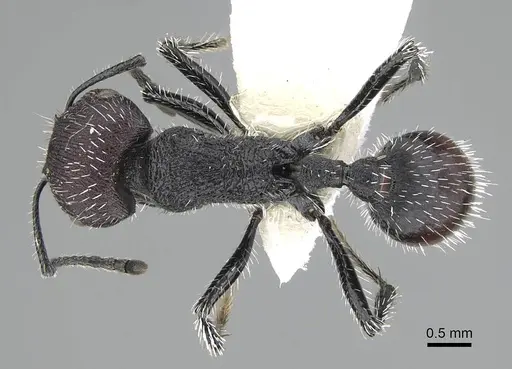
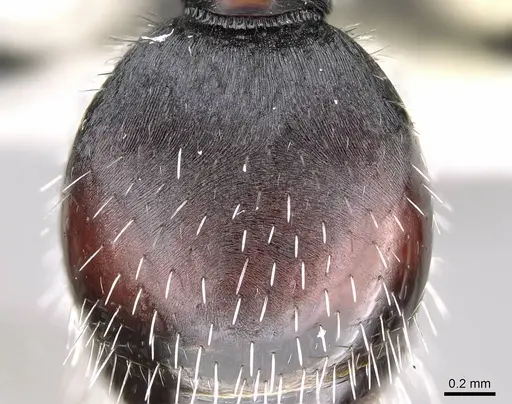
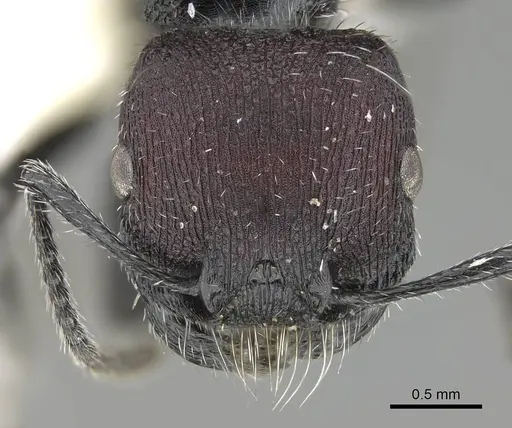
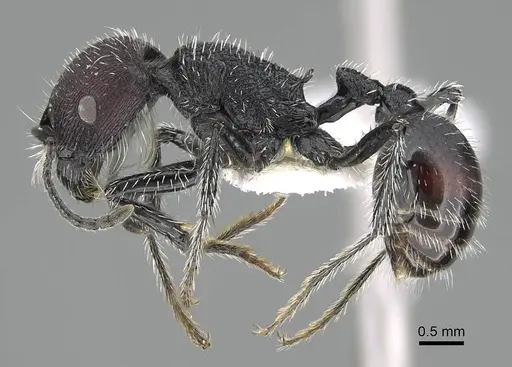
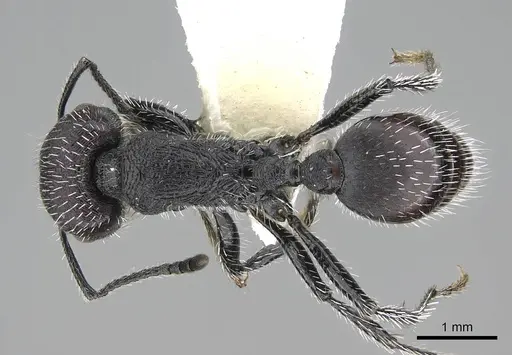
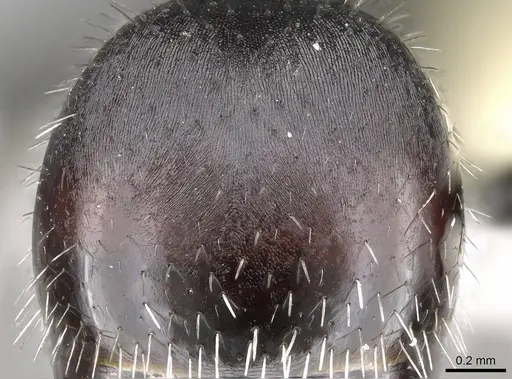
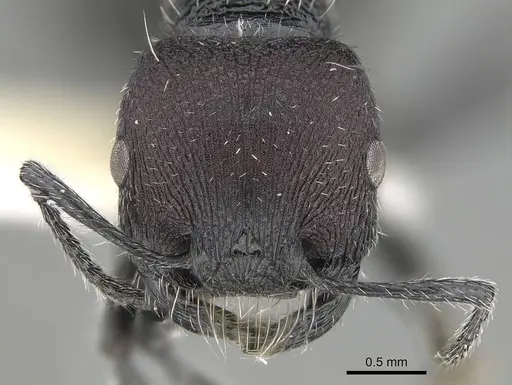
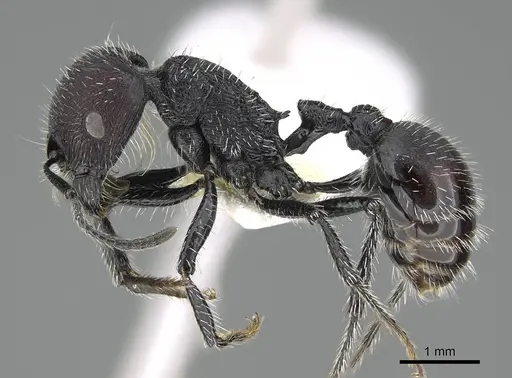
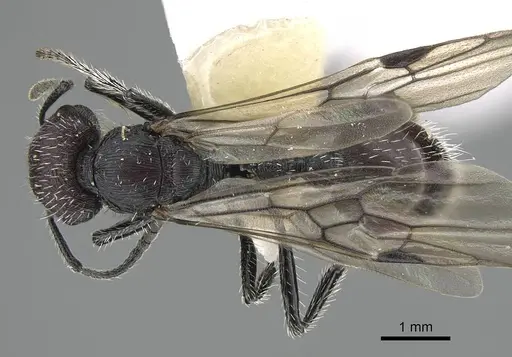
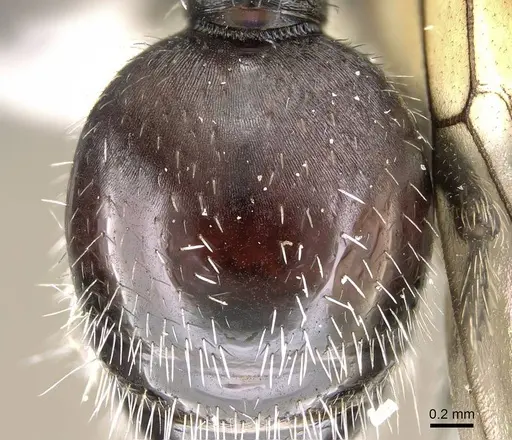
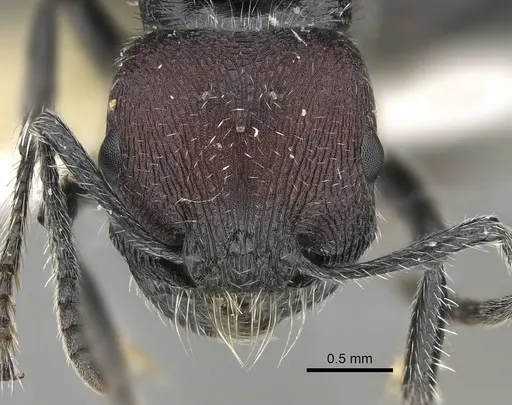
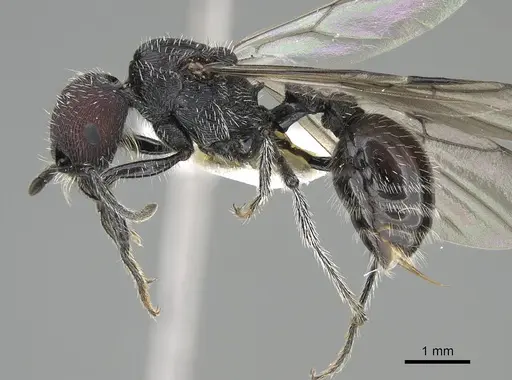
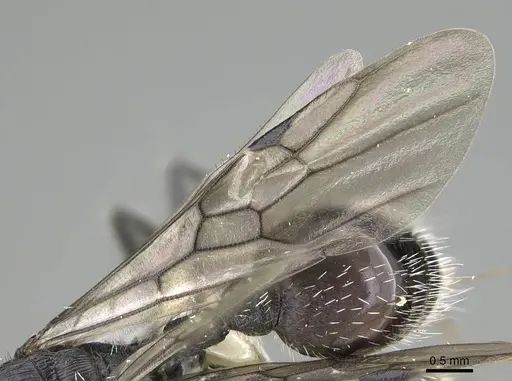
Pogonomyrmex pichachen is a seed-harvester ant described in 2021 from the Patagonia region of Chile and Argentina . Workers have a reddish-black to dark blackish-red head and gaster, with a black mesosoma, and feature moderately long propodeal spines . Size data for this species is unavailable, as no total length measurements are provided in the research . This high-elevation species inhabits the Valdivian Temperate forests at around 2045 meters . Alate queens were collected in February, and partial excavations indicate colonies can reach up to 2000 workers .
Quick Summary
- Difficulty: Medium
- Origin & Habitat: Patagonia region of Chile and Argentina, specifically at 2045m elevation in Valdivian Temperate forests [1].
- Colony Type: Unconfirmed, no specific data on queen number in the research [1].
- Size & Growth:
- Queen: size data unavailable [1]
- Worker: size data unavailable [1]
- Colony: Up to 2000 workers [1]
- Growth: Moderate, inferred from typical Pogonomyrmex development patterns
- Development: Estimated 8-12 weeks at optimal temperature, inferred from related species [1] (Development time is inferred, specific timing for this species is not documented)
- Antkeeping:
- Temperature: Keep cool, around 18-22°C, based on high-elevation habitat [1]
- Humidity: Moderate humidity, allow nest to dry partially between waterings, inferred from temperate forest habitat [1]
- Diapause: Yes, likely requires winter dormancy of 2-3 months at 10-15°C, inferred from temperate origin [1]
- Nesting: Y-tong or soil nests preferred, inferred from typical Pogonomyrmex nesting [1]
- Behavior: Seed-harvester ants with industrious behavior, inferred from genus [1]. Moderately aggressive toward threats, inferred from Pogonomyrmex patterns. Escape risk is moderate due to small size, use standard barriers.
- Common Issues: colonies may fail if kept too warm, their high-elevation origin means they prefer cooler temperatures [1], seed-harvesting behavior requires proper outworld setup with suitable substrate [2], winter dormancy is likely required, colonies that don't hibernate may decline over time [1], small size means escape prevention is important [1], newly described species means captive breeding information is limited [1]
Nest Preferences
In their natural habitat, these ants nest in soil at high elevations in the Patagonia region [1]. For captive care, Y-tong nests or soil-based formicariums work well. Provide chambers scaled to their small size. Because they are seed-harvesters, include a section of the outworld with fine sand or gravel where they can collect and store seeds [2]. Test tube setups are suitable for founding colonies, use a standard test tube with a water reservoir secured with cotton. Once the colony reaches 50+ workers, consider moving to a proper nest with multiple chambers.
Feeding and Diet
As seed-harvester ants, Pogonomyrmex pichachen primarily collects and consumes seeds [2]. Offer a variety of small seeds such as millet, sesame, or grass seeds. They will also accept protein sources like small insects (fruit flies, small mealworms). Sugar water or honey can be offered occasionally but seeds should form the bulk of their diet. Remove any uneaten seeds that develop mold. Feed protein 1-2 times per week and ensure seeds are always available.
Temperature and Seasonal Care
This is a cool-adapted species from high-elevation Patagonia [1]. Keep temperatures between 18-22°C, this is cooler than most ant species and critical for their health. During winter, provide a diapause period of 2-3 months at 10-15°C to simulate their natural seasonal cycle. Place the colony in a cool basement or garage for hibernation. Do not overheat, temperatures above 25°C may stress colonies.
Behavior and Colony Dynamics
Pogonomyrmex pichachen is an industrious seed-harvester that forms colonies of up to 2000 workers [1]. Workers display the typical Pogonomyrmex characteristic of long propodeal spines [1]. They are not overly aggressive toward keepers but will defend their nest vigorously. The species has a functional stinger but the sting is mild and not considered dangerous to healthy humans. Colonies grow moderately fast once established, with the queen laying eggs continuously during the warm season.
Founding and Early Colony Development
Founding behavior is unconfirmed for this species [1]. After mating, queens likely establish nests in soil. The first workers (nanitics) will be smaller than mature workers. Allow the founding colony to develop without disturbance. Do not feed during the claustral phase if applicable, the queen may have sufficient reserves. Once the first workers emerge, you can begin offering tiny seeds and minimal protein. Growth is moderate, expect 6-12 months to reach 100 workers based on inferred patterns.
Frequently Asked Questions
How long does it take for Pogonomyrmex pichachen to produce first workers?
Based on typical Pogonomyrmex development, expect first workers approximately 8-12 weeks after the queen lays eggs, assuming optimal temperature around 20°C [1]. This timing is inferred from related species.
What do Pogonomyrmex pichachen ants eat?
They are seed-harvester ants, their primary diet should be small seeds like millet, sesame, or grass seeds [2]. They also accept protein sources like small insects.
What temperature is best for Pogonomyrmex pichachen?
Keep them cool, 18-22°C is ideal, based on their high-elevation habitat [1]. Avoid temperatures above 25°C.
Do Pogonomyrmex pichachen need hibernation?
Yes, they likely require a winter dormancy period of 2-3 months at 10-15°C, inferred from their temperate origin [1].
How big do Pogonomyrmex pichachen colonies get?
Based on partial nest excavations, colonies can reach up to 2000 workers [1].
Are Pogonomyrmex pichachen good for beginners?
They are rated as medium difficulty. Their specific temperature needs and likely hibernation requirement make them better suited for keepers with some experience.
Can I keep multiple Pogonomyrmex pichachen queens together?
Not recommended, as colony type is unconfirmed and Pogonomyrmex species are typically monogyne [1]. Combining queens may result in fighting.
When should I move Pogonomyrmex pichachen to a formicarium?
Keep them in a test tube or small container for the founding stage. Once the colony reaches 50-100 workers and you see seeds being stored, consider moving to a proper nest with a dedicated outworld.
Why are my Pogonomyrmex pichachen dying?
Common causes include keeping them too warm (they need 18-22°C), skipping hibernation, or improper humidity. Check temperatures and ensure a winter dormancy period [1].
Report an Issue
The current care sheet is based fully on literature. See inconsistencies, or something that's incorrect? Please , it will be resolved after review from an admin. Contributing to the blogs tab also helps providing information, to make us be able to further improve the caresheets. Thank you for your support!
References

此饲养指南授权协议为 CC BY-SA 4.0 .
社区博客
科学文献
正在加载分布地图...正在加载商品...