
Pheidole gibba
- 学名
- Pheidole gibba
- 族
- Attini
- 亚科
- Myrmicinae
- 命名者
- Mayr, 1887
- 地理分布
- 分布于 0 个国家/地区
物种引言
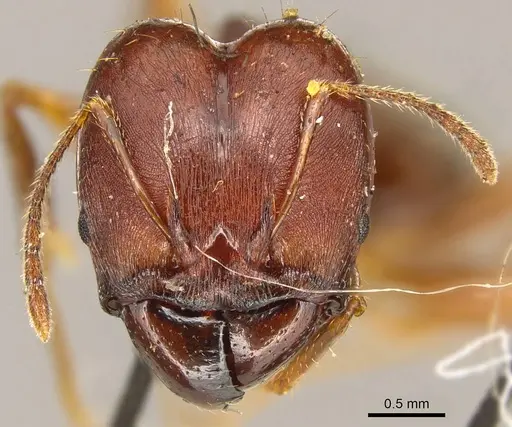
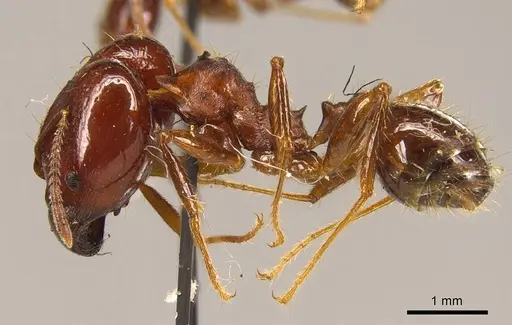
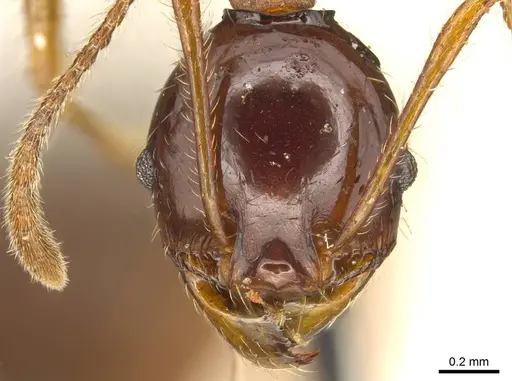
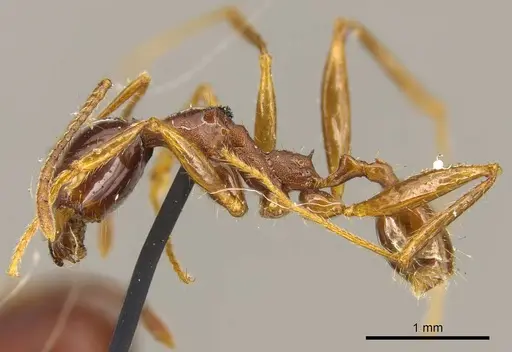
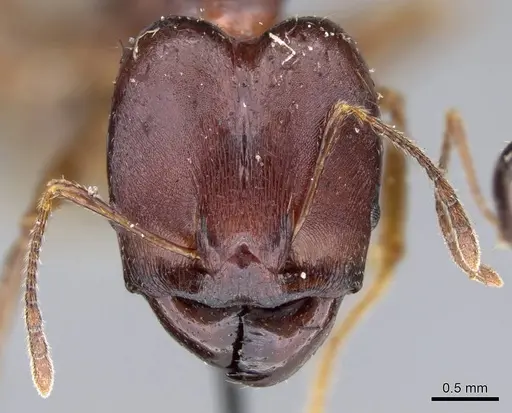
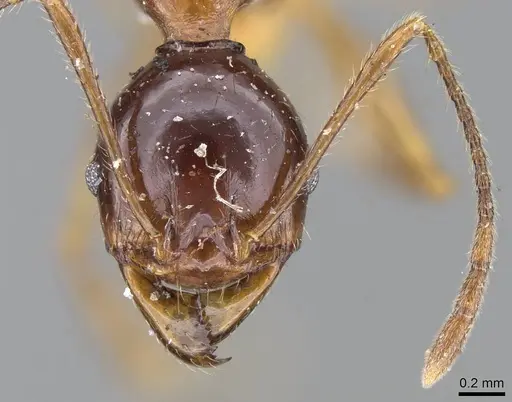
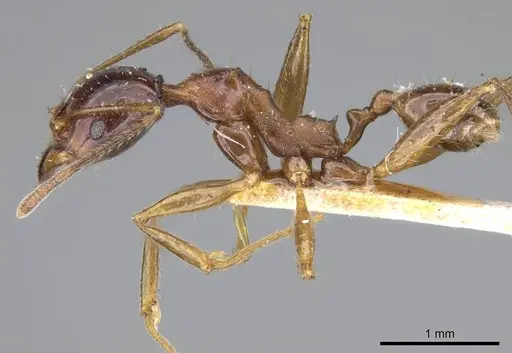
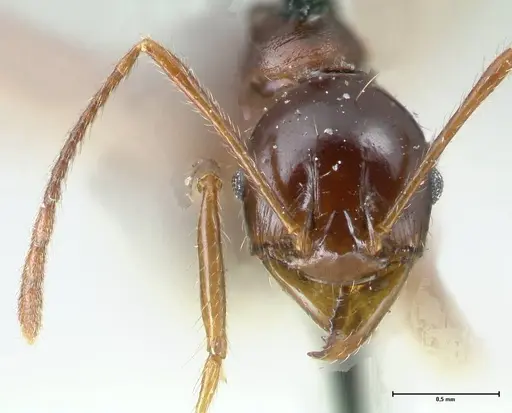
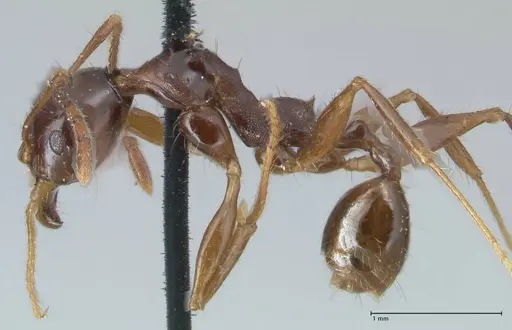
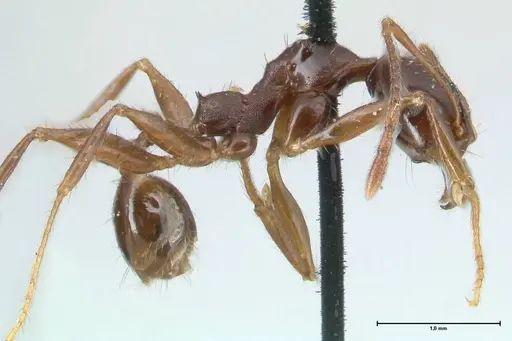
Pheidole gibba is an ant species from the Atlantic forests of Brazil. Major workers have prominent humped shoulders, and minors are smaller. Body size data is unavailable from current research . It belongs to the tristis group, with records from Brazil, Guyana, Suriname, Colombia, and Venezuela . This species stores seeds in its nests and shows moderate aggression when disturbed, with workers attacking or evacuating brood . It is also associated with parasitoid wasps .
Quick Summary
- Difficulty: Hard
- Origin & Habitat: Atlantic forest of Brazil (Rio de Janeiro, Santa Catarina, Bahia states), with records from Guyana, Suriname, Colombia, and Venezuela [2][1]. Nests in rotting wood in forest habitats, often in tree trunks [2].
- Colony Type: Unconfirmed, no specific data on queen number.
- Size & Growth:
- Queen: size data unavailable
- Worker: size data unavailable
- Colony: Unknown
- Growth: Unknown
- Development: Unknown, no data available (Development time is unconfirmed.)
- Antkeeping:
- Temperature: Based on tropical distribution, maintain 24-28°C [1]. Start at 25°C and adjust based on colony activity.
- Humidity: Provide a humidity gradient, nest in decaying wood with moderate humidity, as observed in wild nests [2].
- Diapause: No, tropical species, no winter diapause [1].
- Nesting: Wood-nesting species. Use rotting wood, cork tubes, or Y-tong nests with tight chambers [2].
- Behavior: Moderate aggression when disturbed, with workers attacking or evacuating brood [2]. Seed storage behavior observed [2][3]. Minor workers are small and may escape through gaps.
- Common Issues: small minor workers can escape through gaps larger than 0.5mm without excellent barriers., wild-caught colonies may harbor parasitoid wasps that kill the colony [2]., seed-collecting behavior may require offering small seeds regularly.
Nest Preferences
In nature, Pheidole gibba nests inside rotting tree trunks. One documented nest was located in an exposed trunk approximately 40cm in diameter, in an intermediate state of decomposition with moderate rigidity [2]. This suggests they prefer enclosed, wooden cavities. For captive care, provide tight-fitting wood cavities, cork tubes, or Y-tong nests that mimic these rotting wood chambers [2].
Feeding and Diet
Members of the tristis species group, including Pheidole gibba, collect and store seeds [2]. In the Atlantic forest, they interact with seeds during dispersal events, particularly in old-growth forests over 100 years old [3]. In captivity, offer small seeds such as chia, sesame, or millet in addition to standard ant foods. They are generalist predators and scavengers, feed them small live or dead insects such as fruit flies or springtails [2][3].
Temperature and Care
Coming from the tropical Atlantic forest, these ants need warm stable temperatures. Keep them between 24-28°C year-round [1]. You can use a heating cable on one side of the nest to create a gradient. They do not require hibernation, though they may slow down if temperatures drop below 22°C. Avoid letting them get cold, tropical species often suffer stress if kept below 18°C for extended periods.
Behavior and Temperament
Major workers of the tristis group are typically timid and avoid confrontation [2]. However, when their nest is opened, Pheidole gibba shows moderate aggression, some workers attack while others evacuate brood [2]. This split defense strategy means they can handle disturbances but may stress easily from frequent checking. Minor workers are fast and skittish.
Growth and Development
No studies have documented the development time for Pheidole gibba specifically. Development time is unknown and unconfirmed. Colony growth rate is also unknown.
Frequently Asked Questions
Can I keep Pheidole gibba in a test tube setup?
Yes, test tubes work well for founding colonies. Use a standard test tube setup with water reservoir and cotton plug. Once the colony grows, move them to a small formicarium with wood or cork cavities.
How long until Pheidole gibba gets their first workers?
The exact timeline is unknown. No data is available on development time.
Do Pheidole gibba need hibernation or diapause?
No. They come from tropical Brazil and do not require a winter rest period. Keep them warm year-round at 24-28°C [1].
What do Pheidole gibba eat?
They are generalist feeders that also collect seeds. Offer small seeds, sugar water or honey, and small insects like fruit flies or springtails [2][3].
Can I keep multiple Pheidole gibba queens together?
Not recommended. There is no evidence that Pheidole gibba accepts multiple queens. Combining queens will likely result in fighting and death.
Are Pheidole gibba good for beginners?
No. This species is poorly studied with almost no captive care documentation. You would be pioneering their care, which is risky for beginners.
How big do Pheidole gibba colonies get?
The maximum colony size is unknown.
Why are my Pheidole gibba dying?
Common causes include: incorrect temperature (too cold), lack of seeds in their diet, parasitoid wasps if wild-caught, or stress from frequent disturbances. Ensure temperatures stay above 22°C, offer seeds regularly, and minimize nest disturbances [2].
Report an Issue
The current care sheet is based fully on literature. See inconsistencies, or something that's incorrect? Please , it will be resolved after review from an admin. Contributing to the blogs tab also helps providing information, to make us be able to further improve the caresheets. Thank you for your support!
References

此饲养指南授权协议为 CC BY-SA 4.0 .
社区博客
CASENT0916059
在 AntWeb 上查看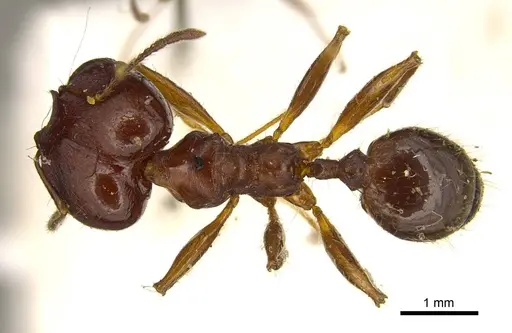
CASENT0916060
在 AntWeb 上查看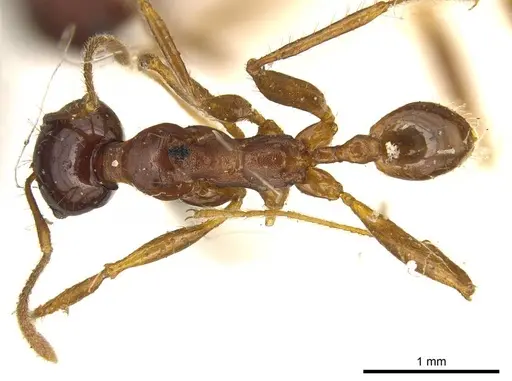
CASENT0919776
在 AntWeb 上查看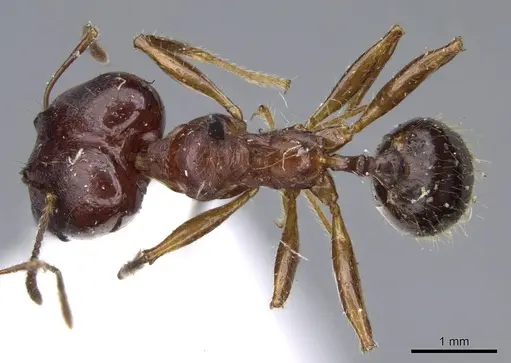
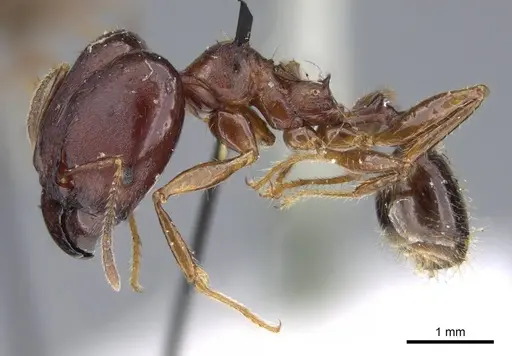
CASENT0919777
在 AntWeb 上查看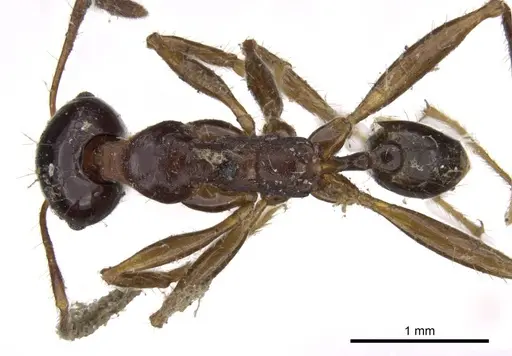
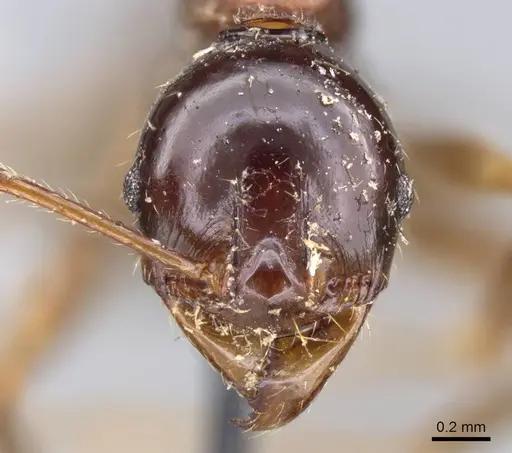
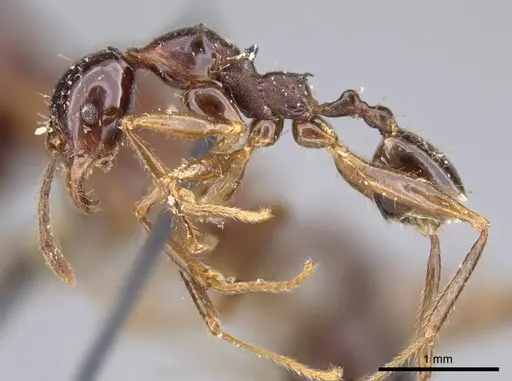
CASENT0919779
在 AntWeb 上查看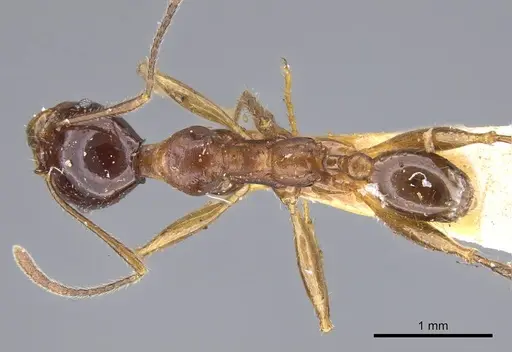
FOCOL1545
在 AntWeb 上查看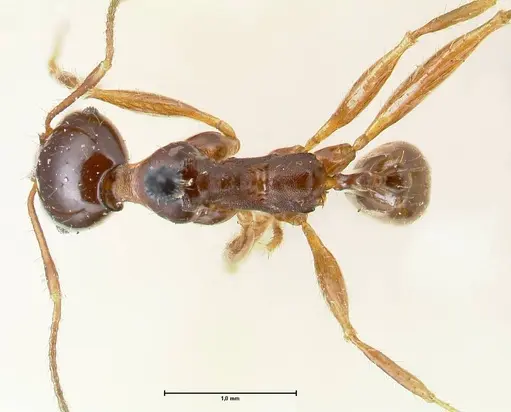
科学文献
正在加载分布地图...正在加载商品...