
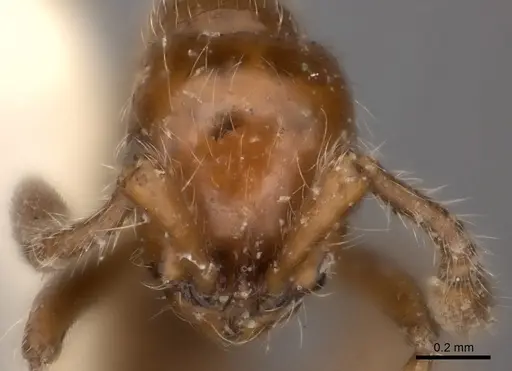
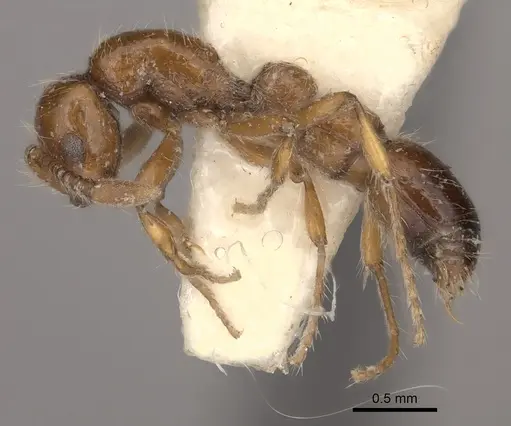
Parasyscia rufithorax
- 学名
- Parasyscia rufithorax
- 亚科
- Dorylinae
- 命名者
- Wheeler & Chapman, 1925
- 地理分布
- 分布于 0 个国家/地区
物种引言
Parasyscia rufithorax is a small ant species in the Dorylinae subfamily, endemic to Negros Island in the Philippines . Size data is unavailable, as no total length measurements exist . It is found at elevations of 450-700 meters in leaf litter habitats . This species is diurnal, active during the day, and collected from leaf litter, indicating ground-nesting behavior .
Quick Summary
- Difficulty: Expert
- Origin & Habitat: Endemic to Negros Island, Philippines. Found in leaf litter at elevations of 450-700 meters in the Horns of Negros area [1].
- Colony Type: Colony structure is unconfirmed. Dorylinae ants often have ergatoid replacement queens, but this is not documented for Parasyscia rufithorax specifically [1].
- Size & Growth:
- Queen: Size data unavailable
- Worker: Size data unavailable
- Colony: Unknown
- Growth: Unknown
- Development: Estimated 4-8 weeks based on typical tropical Dorylinae patterns (No direct development data exists. Estimates are based on related species patterns.)
- Antkeeping:
- Temperature: Warm conditions typical of tropical ants. Start around 24-28°C and observe colony activity.
- Humidity: Keep substrate consistently moist but not waterlogged, based on leaf litter habitat [2].
- Diapause: No, as a tropical species from the Philippines, hibernation is not required [1].
- Nesting: Naturalistic setup with moist substrate or Y-tong/plaster nests with small chambers, mimicking leaf litter environment [2].
- Behavior: Diurnal and active foragers during the day, collected from leaf litter [2]. Escape risk is high due to small size, use fine mesh for prevention.
- Common Issues: difficulty obtaining colonies due to rarity and lack of commercial availability, care must be inferred from related species, which may lead to errors, humidity fluctuations can cause dehydration or mold growth, predatory diet requirements may be challenging to meet with appropriate live prey
Species Background and Distribution
Parasyscia rufithorax was originally described as Parasyscia rufithorax in 1925 from Negros Island, Philippines, and reclassified to Parasyscia in 2016 [1]. It is endemic to the Philippines, found at elevations of 450-700 meters in the Horns of Negros area [1].
Natural History and Behavior
Field surveys show Parasyscia rufithorax is diurnal and collected from leaf litter, indicating ground-dwelling behavior [2]. The tropical climate of the Philippines provides high humidity, which these ants naturally experience.
Housing and Nesting
A naturalistic setup with moist substrate or Y-tong/plaster nests with small chambers works well, based on leaf litter habitat [2]. Escape prevention should use fine mesh due to small size. Use a test tube for founding, then transition to a small formicarium.
Feeding and Diet
As a Dorylinae ant, it is likely predatory. Offer small live prey like fruit flies or pinhead crickets. Sugar sources may be accepted but should not be primary. Feed every 2-3 days, removing uneaten prey. [1]
Temperature and Humidity
Aim for 24-28°C, typical for tropical ants. Use a heating cable if needed. Keep substrate moist but not waterlogged, and mist the outworld occasionally [2].
Colony Development and Growth
No specific timeline exists. Based on tropical Dorylinae patterns, eggs may develop into workers in 4-8 weeks under optimal conditions. Colony growth is likely slow to moderate. [1]
Frequently Asked Questions
How do I care for Parasyscia rufithorax ants?
Provide a humid nest with temperatures around 24-28°C, and feed small live prey. They are diurnal and found in leaf litter in the Philippines [2][1].
What do Parasyscia rufithorax ants eat?
They likely eat small invertebrates. Offer small live prey like fruit flies or pinhead crickets [1].
Where is Parasyscia rufithorax found?
This species is endemic to Negros Island in the Philippines, at elevations of 450-700 meters [1].
How big do Parasyscia rufithorax colonies get?
Colony size is unknown, as no data exists [1].
Do Parasyscia rufithorax ants need hibernation?
No, as a tropical species, they do not require hibernation [1].
How long does it take for Parasyscia rufithorax to develop from egg to worker?
The exact timeline is unknown, but estimated at 4-8 weeks based on tropical Dorylinae patterns.
Are Parasyscia rufithorax ants aggressive?
Their temperament is unstudied, but Dorylinae ants are typically predatory and may show some aggression [1].
What type of nest should I use for Parasyscia rufithorax?
A naturalistic setup with moist substrate or Y-tong/plaster nests with small chambers works well, based on leaf litter habitat [2].
Is Parasyscia rufithorax available for purchase?
This species is rarely available in the antkeeping hobby due to its endemic status in the Philippines [1].
Report an Issue
The current care sheet is based fully on literature. See inconsistencies, or something that's incorrect? Please , it will be resolved after review from an admin. Contributing to the blogs tab also helps providing information, to make us be able to further improve the caresheets. Thank you for your support!
References

此饲养指南授权协议为 CC BY-SA 4.0 .
社区博客
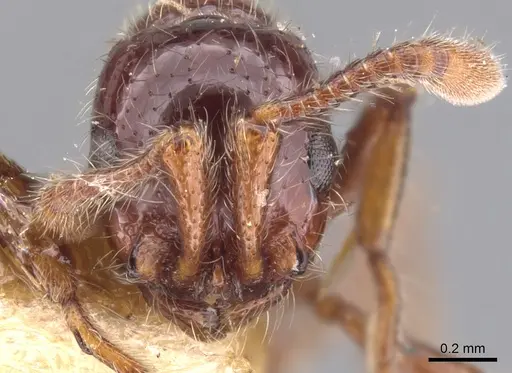
CASENT0217390
在 AntWeb 上查看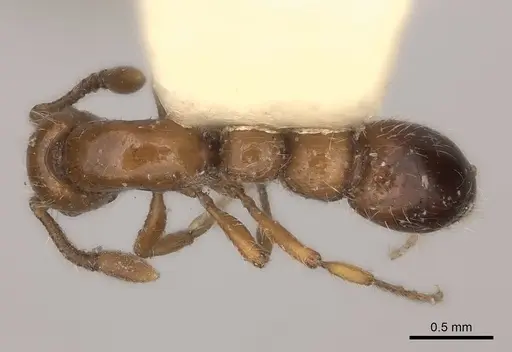
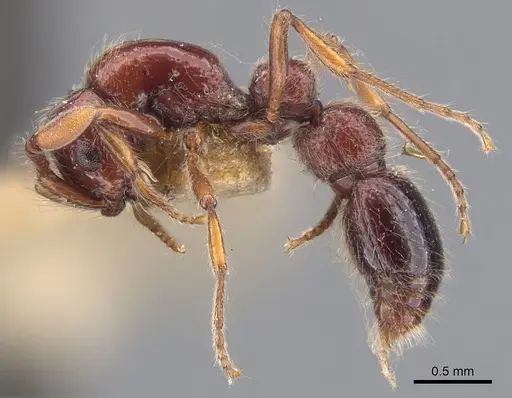
CASENT0902743
在 AntWeb 上查看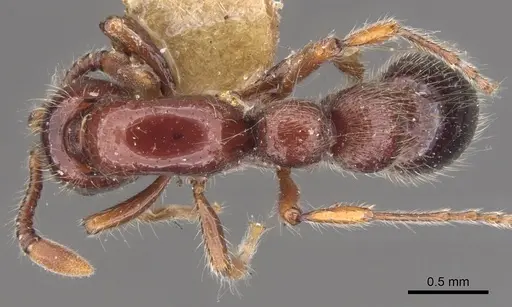
科学文献
正在加载分布地图...正在加载商品...