
Paraparatrechina butteli
- 学名
- Paraparatrechina butteli
- 族
- Lasiini
- 亚科
- Formicinae
- 命名者
- Forel, 1913
- 地理分布
- 分布于 0 个国家/地区
物种引言
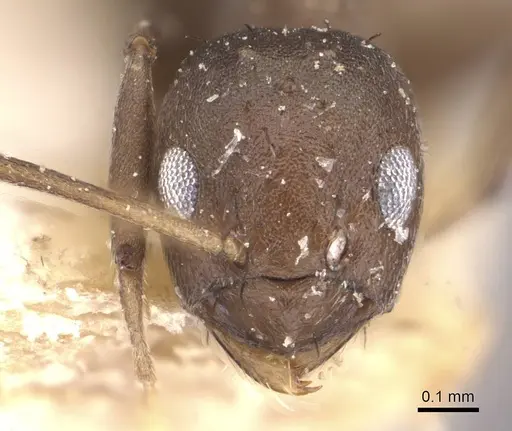
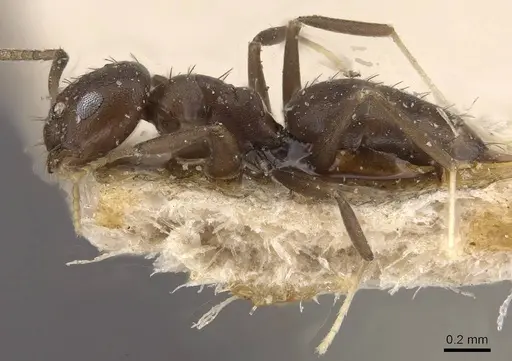
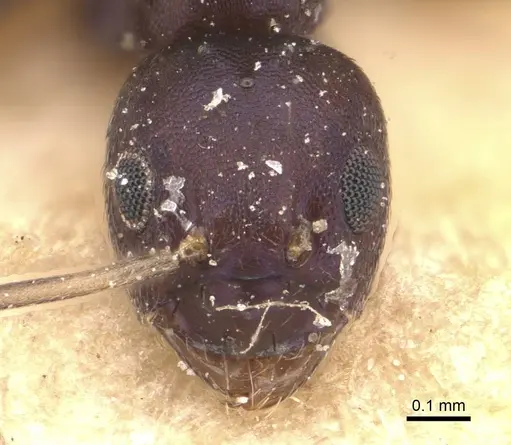
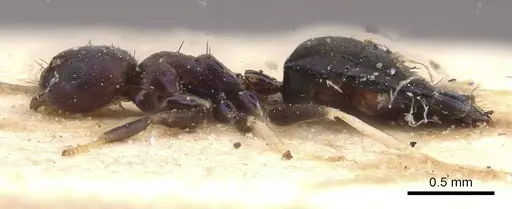
Paraparatrechina butteli is a small ant species native to the Indomalaya region, specifically found in Borneo, Indonesia, and Malaysia . Workers are small with a brownish body and metallic reflections on the head, thorax, and gaster . This species nests in lowland dipterocarp forest environments and has been captured via canopy knockdown methods . The genus Paraparatrechina consists of small, cryptic ants that are often overlooked in surveys, making P. butteli a relatively rare find .
Quick Summary
- Difficulty: Hard
- Origin & Habitat: Borneo, Indonesia, Malaysia, lowland dipterocarp forest environments [2][3]
- Colony Type: Colony structure unconfirmed, based on genus patterns, likely monogyne (single queen)
- Size & Growth:
- Queen: size data unavailable
- Worker: size data unavailable
- Colony: unknown
- Growth: Unknown
- Development: Estimated 6-8 weeks based on related Formicinae genera [1] (Development timeline not directly studied, estimate based on tropical ant patterns)
- Antkeeping:
- Temperature: Keep around 24-28°C, tropical forest ants prefer warmth [2]
- Humidity: Keep nest substrate consistently moist but not waterlogged, inferred from tropical forest habitat [2]
- Diapause: No, tropical species with no winter dormancy [2]
- Nesting: Small nests with tight chambers, recommend Y-tong, plaster, or soil nests [1]
- Behavior: Based on genus patterns, likely docile and non-aggressive. Escape risk is high due to small size, use fine mesh barriers [1].
- Common Issues: escape risk due to small size, fine mesh barriers are essential, temperature stress if below 22°C, maintain warm conditions, humidity issues if nest substrate dries out or becomes waterlogged, limited species-specific care information makes husbandry challenging
Nest Preferences
In their native habitat of Borneo and Indonesia, Paraparatrechina butteli has been found in lowland dipterocarp forest environments [2]. The canopy knockdown capture method suggests they are arboreal or canopy-dwelling to some degree. For captive care, provide a small nest with tight chambers scaled to their tiny size. A Y-tong nest or small plaster formicarium with narrow passages works well. The nest material should retain some moisture but not become waterlogged. In nature, they likely nest in rotting wood or under loose bark, so providing a naturalistic setup with small wood pieces or cork can simulate their preferred microhabitat.
Feeding and Diet
Diet has not been specifically documented for P. butteli, but based on related genera in the Formicinae subfamily, they likely feed on honeydew from aphids and scale insects, plus small insects for protein [1]. Offer sugar water or honey water as a constant carbohydrate source. For protein, provide small live prey such as fruit flies, pinhead crickets, or mealworm pieces. Given their small size, prey items should be appropriately sized, much smaller than you would offer larger ant species. Observe feeding behavior and adjust portion sizes accordingly. Remove uneaten food promptly to prevent mold.
Temperature and Care
As a tropical species from Southeast Asia, Paraparatrechina butteli requires warm conditions. Maintain temperatures in the range of 24-28°C [2]. A heating cable on one side of the nest can create a gentle gradient, allowing the ants to regulate their own temperature. Avoid temperatures below 22°C as this could stress the colony. Since they come from humid forest environments, maintain a humidity gradient with the nest substrate consistently moist but not waterlogged [2]. Ensure adequate ventilation to prevent mold while maintaining humidity.
Behavior and Temperament
Specific behavioral documentation for P. butteli is limited, but the genus Paraparatrechina consists of small, generally docile ants [1]. They likely forage individually rather than in large trails, searching for honeydew and small prey items on the forest floor or in the canopy. Their small size makes them vulnerable to predation, so they probably prefer to stay hidden and emerge primarily at night or during humid periods. When keeping them in captivity, provide enrichment such as small twigs or leaves in the outworld. They are not aggressive and do not have a painful sting, making them safe to handle but requiring careful attention to escape prevention due to their tiny size.
Frequently Asked Questions
How long does it take for Paraparatrechina butteli to produce first workers?
The exact timeline is unknown, but based on related Formicinae genera, expect approximately 6-8 weeks from egg to worker at optimal temperature (around 26°C) [1]. Growth may be slower if temperatures are below optimal.
What do Paraparatrechina butteli ants eat?
Based on genus patterns, they likely accept sugar sources (honey water, sugar water) and small protein prey (fruit flies, small insects) [1]. Offer a constant sugar source and protein 2-3 times per week.
Can I keep Paraparatrechina butteli in a test tube setup?
Yes, a test tube setup with a water reservoir works well for founding colonies. Ensure the tube is small and snug-fitting for the colony size. Transfer to a small formicarium once the colony reaches a few dozen workers.
Are Paraparatrechina butteli good for beginners?
This species is not recommended for beginners due to very limited species-specific care information. The lack of documented care requirements makes proper husbandry challenging. Consider starting with better-documented species before attempting P. butteli.
Do Paraparatrechina butteli need hibernation?
No, they are tropical ants from Southeast Asia and do not require hibernation. Maintain warm temperatures year-round (24-28°C) [2].
How big do Paraparatrechina butteli colonies get?
Colony size is not documented, and no specific data is available for this species. Based on related genera, colonies may remain relatively small, but estimates are unreliable.
Why is my Paraparatrechina butteli colony dying?
Common causes include temperatures below 22°C, low humidity, improper feeding, or escape of the small workers. Review temperature and humidity levels first. Also ensure they are not being overfed, as mold from decaying food can be fatal.
Report an Issue
The current care sheet is based fully on literature. See inconsistencies, or something that's incorrect? Please , it will be resolved after review from an admin. Contributing to the blogs tab also helps providing information, to make us be able to further improve the caresheets. Thank you for your support!
References

此饲养指南授权协议为 CC BY-SA 4.0 .
社区博客
CASENT0911002
在 AntWeb 上查看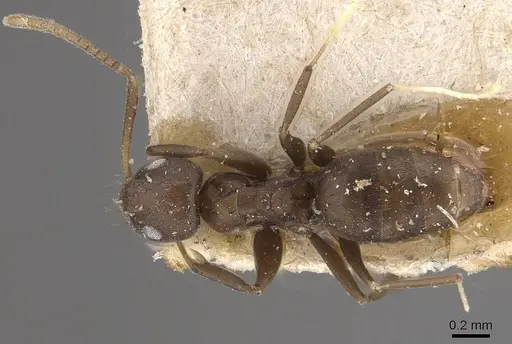
CASENT0911003
在 AntWeb 上查看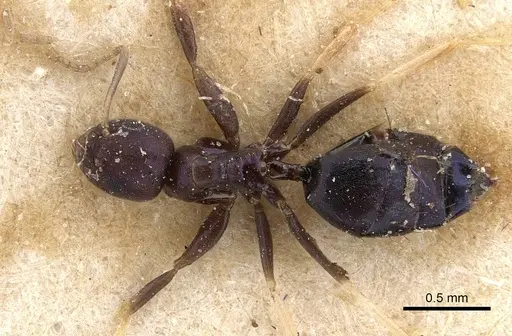
科学文献
正在加载分布地图...正在加载商品...