
Nylanderia colchica
- 学名
- Nylanderia colchica
- 族
- Lasiini
- 亚科
- Formicinae
- 命名者
- Pisarski, 1960
- 地理分布
- 分布于 0 个国家/地区
物种引言
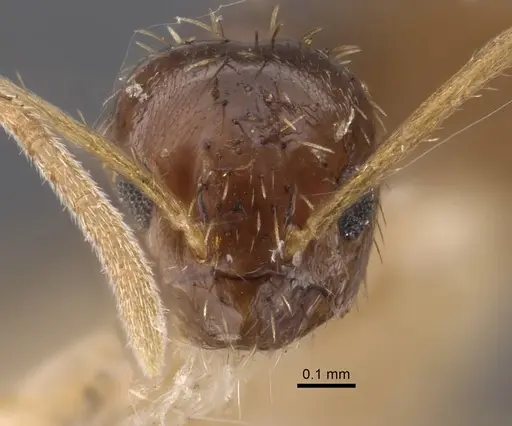
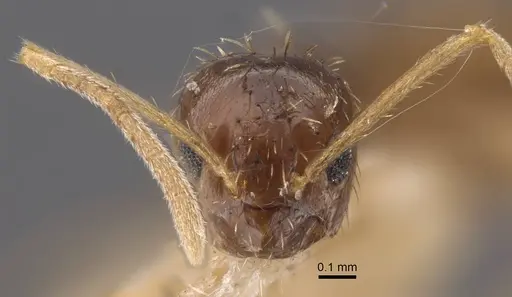
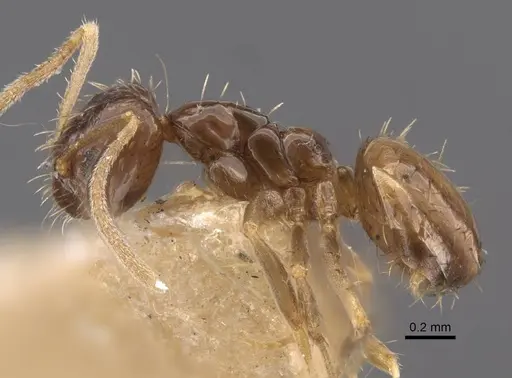
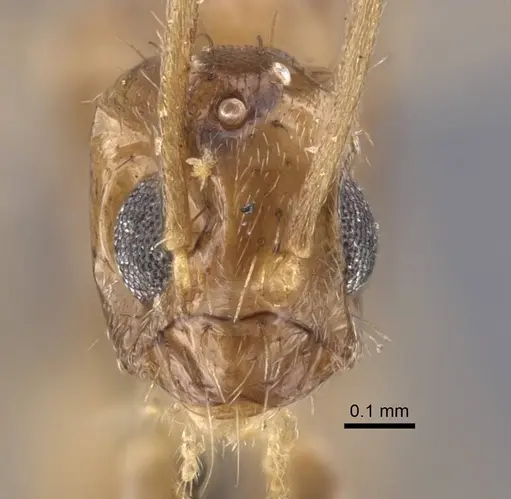
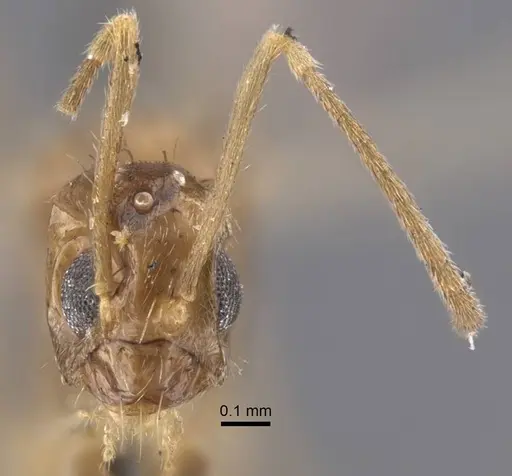
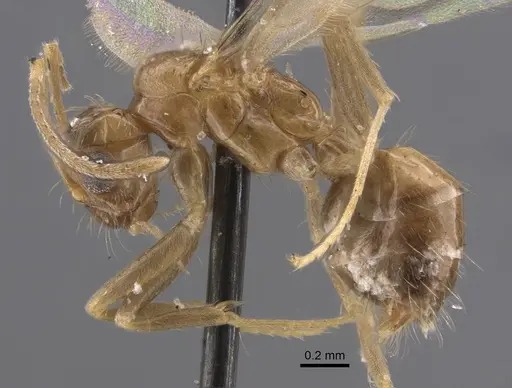
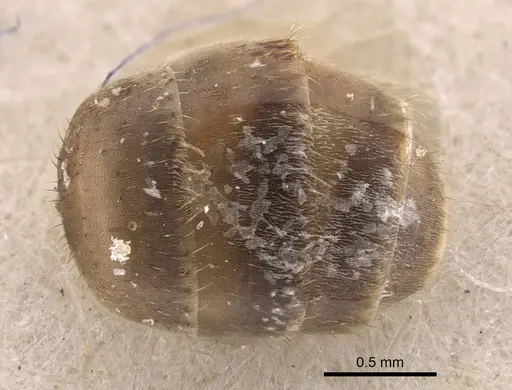
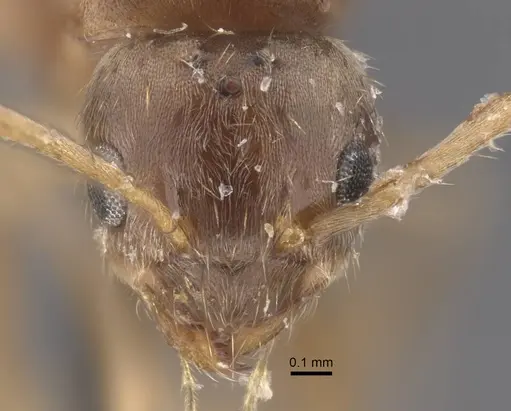
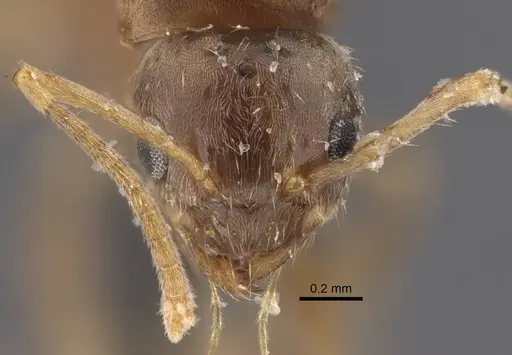
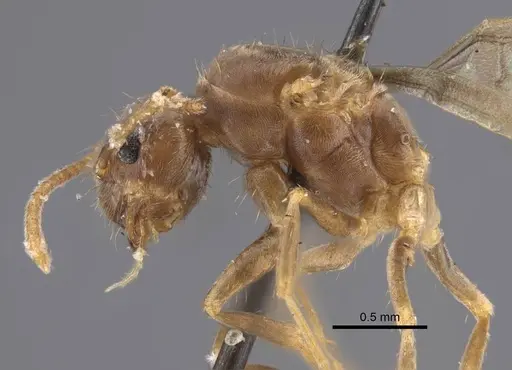
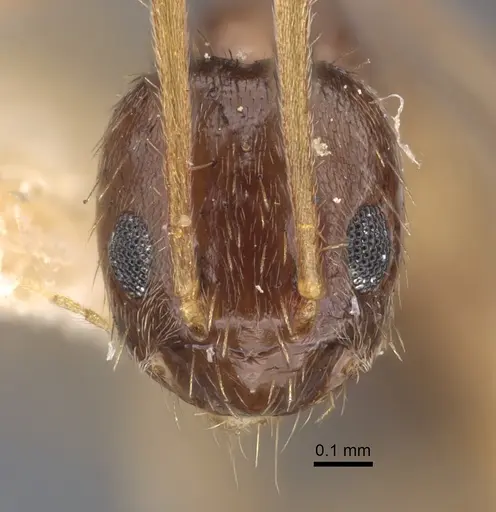
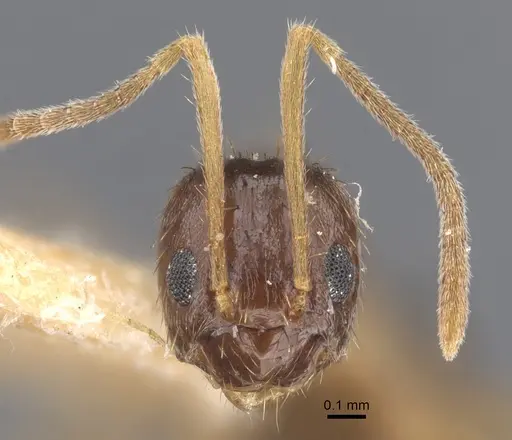
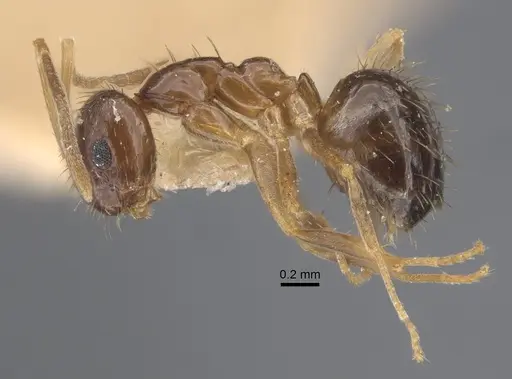
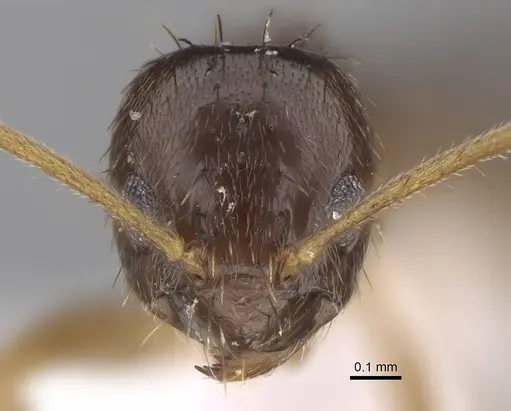
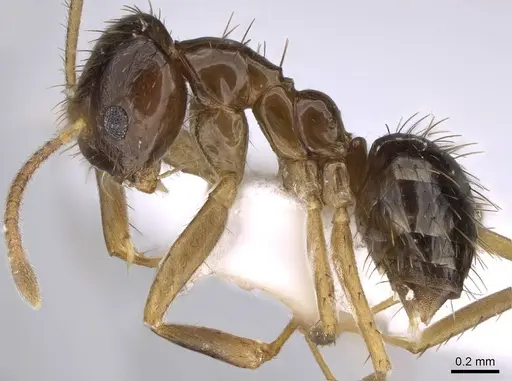
Nylanderia colchica is a small ant species native to the Caucasus region, found in Georgia and the North Caucasus of Russia . Workers are small and brownish, typical of the Nylanderia genus . Size data is unavailable from research context. The species was originally described as Paratrechina colchica by Pisarski in 1960 from Batumi, Georgia . This species is restricted to humid subtropical areas and is poorly studied, with limited information on its biology and colony structure.
Quick Summary
- Difficulty: Hard
- Origin & Habitat: Caucasus region, Georgia and Russian Federation (North Caucasus). Found in humid subtropical areas of western Georgia including Batumi, Zugdidi, and surrounding regions [1][2].
- Colony Type: Unconfirmed, colony structure has not been documented for this species.
- Size & Growth:
- Queen: Size data unavailable, no body size measurements in research context.
- Worker: Size data unavailable, no body size measurements in research context.
- Colony: Unknown, no colony size data available.
- Growth: Unknown
- Development: Unknown, no specific data on development timeline. (Development timeline has not been studied for this species.)
- Antkeeping:
- Temperature: No specific temperature data. Based on native habitat, keep around 22-26°C with a temperature gradient.
- Humidity: Keep moderately humid, this species comes from humid regions like Batumi [1]. Nest substrate should remain damp but not waterlogged.
- Diapause: Unknown, no data on overwintering requirements.
- Nesting: Natural nesting habitat unconfirmed. Based on genus patterns, likely nests in soil or rotting wood. In captivity, use test tube setup or small nest with moist substrate.
- Behavior: Behavior is undocumented. Based on genus patterns, Nylanderia ants are active foragers that accept sugar and protein sources. Escape prevention is important due to small size.
- Common Issues: small size increases escape risk, ensure excellent barrier systems to prevent colony loss., humidity must be maintained moderately to avoid dehydration, as this species comes from humid regions., lack of species-specific data means care must be adapted based on colony behavior, which requires experience.
Species Overview and Distribution
Nylanderia colchica is a rare and poorly documented ant species endemic to the Caucasus region. Its known range includes western Georgia (particularly the Batumi area and surrounding Black Sea coastal regions) and the North Caucasus region of Russia. The type specimens were collected from Batumi in Georgia, with additional records from surrounding areas including Zugdidi Botanical Garden and other humid locations in the region [1][5]. This species has a very limited distribution compared to many other ants, making it a relatively uncommon find for antkeepers. The humid subtropical climate of its native range provides clues about its care requirements.
Natural History and Biology
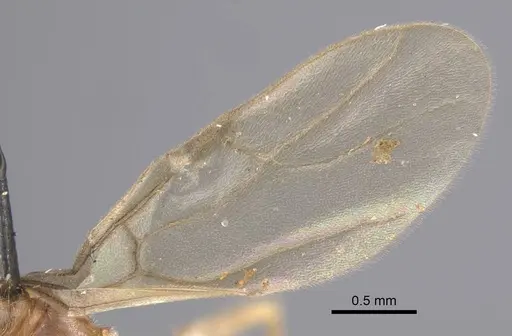
Unfortunately, specific biological information for N. colchica is extremely limited. The original description by Pisarski (1960) provides morphological details of workers, queens, and males [5], but does not include behavioral or ecological observations. What can be inferred comes from the genus Nylanderia as a whole: these are small, active ants that typically nest in soil or rotting wood in shaded, humid environments. They are generalist feeders that forage for honeydew from aphids and small insects. Like other Formicine ants, they likely have a single queen colony structure, though this has not been confirmed for this specific species. The Black Sea coastal region of Georgia where this species is found is known for its humid climate and dense vegetation, suggesting the ants prefer sheltered, moist microhabitats.
Housing and Nesting
Since specific nesting preferences are unconfirmed for this species, housing recommendations must be based on genus-level patterns. Start with a standard test tube setup for founding colonies, a water reservoir with a cotton plug provides consistent humidity. Once the colony establishes workers, you can consider moving to a small nest or naturalistic setup with moist substrate. Given the humid nature of their native habitat in the Batumi region, ensure the nest maintains moderate moisture without becoming waterlogged. A small formicarium with chambers scaled to their tiny size works well. Always use excellent escape prevention, even small ants can squeeze through small gaps.
Feeding and Diet
Dietary preferences have not been documented for N. colchica specifically, but based on typical Nylanderia behavior, they likely accept a generalist diet similar to other small Formicine ants. Offer sugar water or honey as a constant energy source. For protein, provide small insects such as fruit flies, pinhead crickets, or mealworm pieces. Given their small size, prey items should be appropriately sized. Observe your colony's acceptance of different foods and adjust accordingly.
Temperature and Seasonal Care
No specific temperature data exists for this species. The humid subtropical climate of its native range suggests moderate warmth is appropriate. Start around 22-26°C and monitor colony behavior, if workers are active and foraging, the temperature is likely suitable. Provide a temperature gradient so ants can move between warmer and cooler areas of the nest. Regarding diapause or hibernation, no data exists. Georgian coastal regions have mild winters, so the ants may not require a true hibernation period.
Challenges and Considerations
The primary challenge with Nylanderia colchica is the severe lack of species-specific information. Care recommendations are largely estimates based on genus patterns rather than documented research. This makes it a species for more experienced antkeepers who are comfortable adapting care based on colony behavior rather than following established guidelines. Wild-caught colonies may be difficult to obtain given the species' limited distribution. When establishing a colony, be patient, without specific development data, growth may be slower or faster than expected.
Frequently Asked Questions
How do I care for Nylanderia colchica ants?
Care recommendations are estimates since this species has not been well-studied. Based on genus patterns, keep them at 22-26°C with moderate humidity. Use a test tube setup for founding colonies, then transition to a small nest. Feed sugar water and small insects. This is a species for experienced antkeepers comfortable with uncertainty.
What do Nylanderia colchica ants eat?
They likely accept a generalist diet similar to other small Formicine ants. Offer sugar water or honey as a constant energy source, plus small protein sources like fruit flies, pinhead crickets, or small mealworm pieces. Adjust prey size to match their tiny worker size.
How long does it take for Nylanderia colchica to develop from egg to worker?
The development timeline has not been directly studied for this species. Based on typical Formicinae patterns, expect several weeks from egg to first worker at optimal temperatures. Actual timing may vary.
Are Nylanderia colchica ants good for beginners?
This species is not recommended for beginners due to the lack of species-specific care data. Without documented colony sizes or development timelines, successful care requires experience adapting to colony behavior. Consider starting with better-documented species first.
How big do Nylanderia colchica colonies get?
Colony size is undocumented for this species. Based on typical Nylanderia genus patterns, colonies likely reach several hundred workers at maximum. The limited distribution suggests they may not form supercolonies.
Where is Nylanderia colchica found in the wild?
This species is native to the Caucasus region, specifically western Georgia (including Batumi and Zugdidi areas) and the North Caucasus region of Russia. It prefers humid subtropical areas near the Black Sea coast.
Can I keep multiple Nylanderia colchica queens together?
Colony structure (monogyne vs polygyne) has not been documented for this species. Without data, it is not recommended to attempt combining unrelated queens. Most Nylanderia species appear to have single-queen colonies.
What temperature range is best for Nylanderia colchica?
No specific data exists. Based on their origin in the humid subtropical Caucasus region, aim for 22-26°C as a starting point. Provide a temperature gradient so the colony can self-regulate. Monitor activity levels to determine if adjustments are needed.
Do Nylanderia colchica ants need hibernation?
Diapause requirements are unknown. The mild climate of their native Georgian range suggests they may not require true hibernation. If kept in cooler climates, they may simply reduce activity during winter months rather than enter full diapause.
Report an Issue
The current care sheet is based fully on literature. See inconsistencies, or something that's incorrect? Please , it will be resolved after review from an admin. Contributing to the blogs tab also helps providing information, to make us be able to further improve the caresheets. Thank you for your support!
References

此饲养指南授权协议为 CC BY-SA 4.0 .
社区博客
CASENT0916675
在 AntWeb 上查看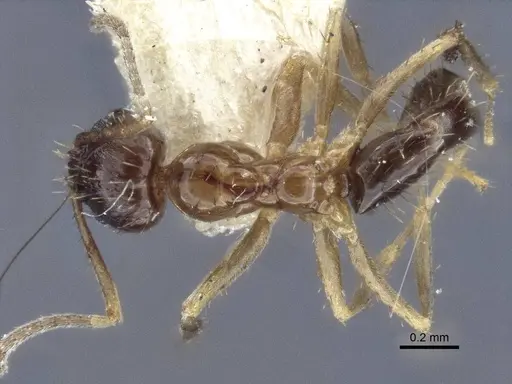
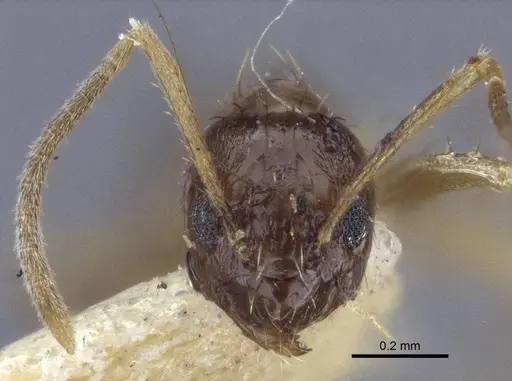
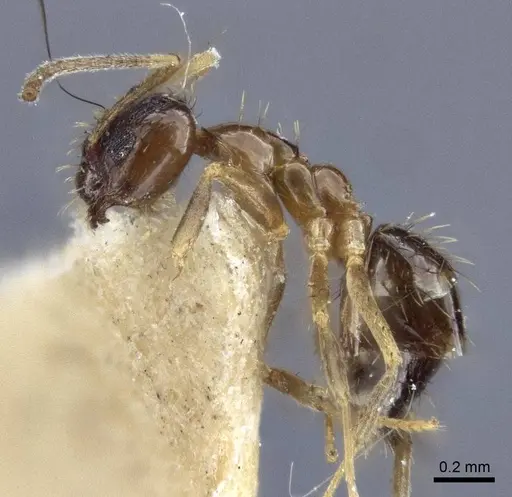
CASENT0917226
在 AntWeb 上查看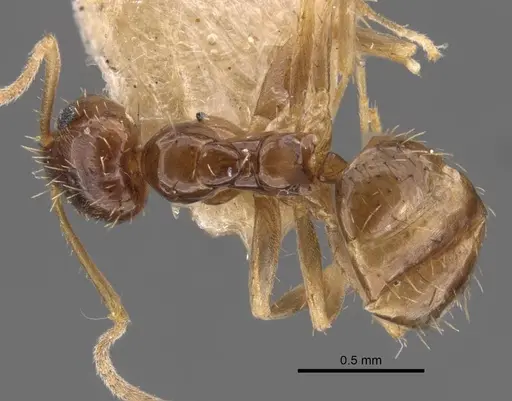
CASENT0917227
在 AntWeb 上查看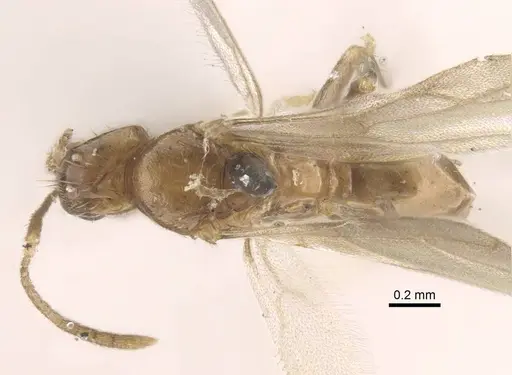
CASENT0917228
在 AntWeb 上查看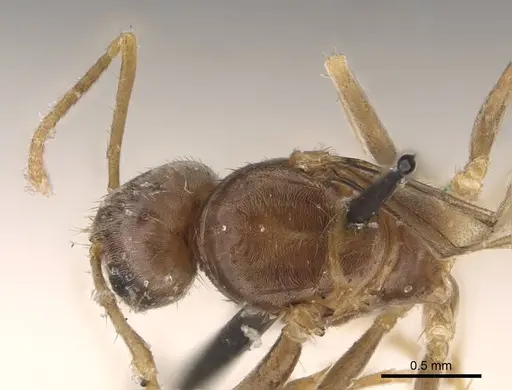
CASENT0917867
在 AntWeb 上查看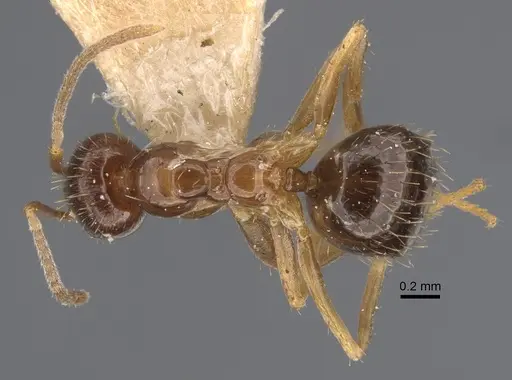
CASENT0922712
在 AntWeb 上查看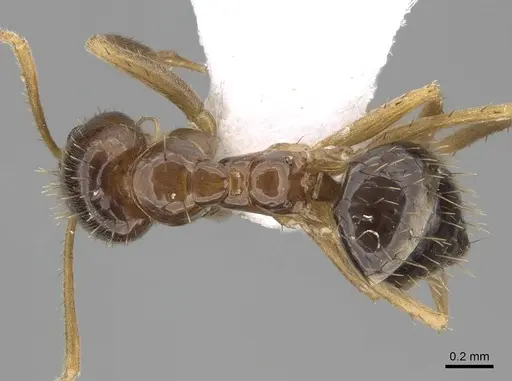
科学文献
正在加载分布地图...正在加载商品...