
Nylanderia brasiliensis
- 学名
- Nylanderia brasiliensis
- 族
- Lasiini
- 亚科
- Formicinae
- 命名者
- Mayr, 1862
- 地理分布
- 分布于 0 个国家/地区
物种引言
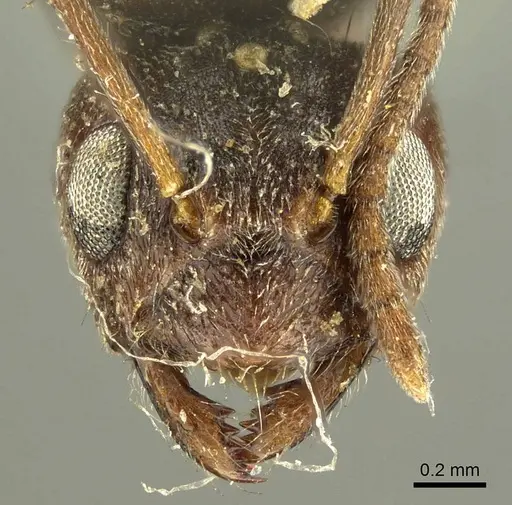
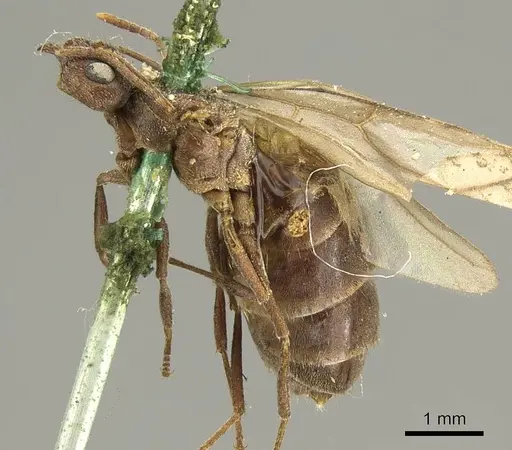
Nylanderia brasiliensis is a small ant species native to Brazil . Workers are tiny, typically around 2 to 3 mm in total length, though exact measurements are unavailable [inferred]. They display dark brown to reddish-brown coloration and possess 12-segmented antennae ending in a distinct two-segmented club. In the wild, you will find them nesting in soil, under stones, or inside decaying wood along forest edges and disturbed sites . What makes this species stand out is their reputation as crazy ants. They move with rapid, erratic bursts of speed and change direction frequently while foraging. This unpredictable movement pattern helps them quickly locate scattered food sources in their native tropical environment.
Quick Summary
- Difficulty: Medium
- Origin & Habitat: Brazil [1]
- Colony Type: Single-queen or multiple-queen structure is unconfirmed. Based on typical Nylanderia patterns, they likely form polygynous colonies (multiple queens sharing a nest). Polygyny means several queens can coexist and lay eggs together.
- Size & Growth:
- Queen: size data unavailable, inferred from Nylanderia genus (~4-5 mm)
- Worker: ~2-3 mm
- Colony: Up to several hundred workers
- Growth: Moderate
- Development: Estimated 5-8 weeks (Development speed depends on consistent warmth and food availability.)
- Antkeeping:
- Temperature: Keep warm and stable, roughly low-to-mid 20s°C. Tropical species thrive in consistent warmth.
- Humidity: Keep the nest substrate consistently moist but not waterlogged. Provide a humidity gradient so workers can choose their preferred moisture level.
- Diapause: No. Tropical species from Brazil do not require hibernation [1].
- Nesting: Start with a test tube setup for the queen. Once the colony reaches a few dozen workers, move them to a Y-tong (AAC) or plaster nest. They prefer tight chambers that retain moisture well.
- Behavior: Active and fast-moving. They change direction frequently while foraging and explore widely for food. They are not aggressive toward humans and lack a functional sting. Escape risk is high due to their tiny size.
- Common Issues: escape through tiny gaps is common, use fine mesh and seal all nest entry points, temperature drops below 20°C cause workers to become sluggish and stop developing brood, low humidity dries out the nest and kills the queen or first workers, wild-caught colonies often carry parasites that cause sudden colony collapse
Nest Setup and Housing
Start the queen in a simple test tube. Fill the tube one-third with water, plug the opening with cotton, and wrap the front half in dark paper to reduce stress. Place the tube in a warm, humid spot. The queen will stay inside and lay eggs until the first workers emerge. Once you have a few dozen workers, transfer them to a Y-tong (AAC) or plaster nest. These ants prefer tight chambers that hold moisture. Avoid large, open nests that dry out quickly. Always check for escape gaps. Their tiny size means they can slip through cracks that larger ants cannot.
Feeding and Diet
Nylanderia brasiliensis eats almost anything you offer. Provide a steady source of sugar water or diluted honey for carbohydrates. For protein, give small insects like fruit flies, pinhead crickets, or chopped mealworms. They are active foragers and will quickly find food. Offer protein two to three times a week. Keep sugar water available at all times. Remove uneaten insects after a day to prevent mold. They are not picky and will accept most small arthropods.
Temperature and Seasonal Care
As a tropical species from Brazil, Nylanderia brasiliensis needs warm conditions year-round [1]. Keep the nest area in the low-to-mid 20s°C. A heating cable placed on top of the nest creates a gentle warmth gradient. Room temperature works if your home stays consistently warm. They do not need a cooling period or hibernation. Watch for stress signs. Workers that cluster together and move slowly likely need more heat. Workers that avoid the heat source and hide at the edges likely need cooler spots. Keep temperatures stable and avoid drafts.
Colony Development
The queen starts laying eggs shortly after you catch her. She feeds on stored fat while caring for the first brood. The first workers, often called nanitics, are smaller than normal workers and emerge after several weeks. Once these workers start foraging, the colony enters a steady growth phase. The queen increases her egg production, and the worker population expands. Growth speed depends on temperature and feeding. Warmer conditions and regular protein feeding speed up development. Expect steady population growth over several months.
Behavior and Temperament
These ants display the classic crazy ant movement pattern. They run quickly and change direction frequently while searching for food. They are not aggressive toward humans and rarely attempt to sting. Their small size helps them explore tight spaces and find scattered food sources. Workers form clear trails once they locate a food source. The colony builds multiple chambers for brood rearing and food storage. They generally stay peaceful with other colonies of the same species in their native range.
Frequently Asked Questions
How long does it take for Nylanderia brasiliensis to produce first workers?
Expect first workers to emerge in 5 to 8 weeks at warm temperatures. This timeline is estimated based on related tropical species since specific development data for this species is unavailable.
What temperature do Nylanderia brasiliensis ants need?
Keep them in the low-to-mid 20s°C. Tropical species from Brazil require warm conditions year-round without seasonal cooling [1].
Do Nylanderia brasiliensis ants need hibernation?
No. Tropical species do not require hibernation. Maintain warm temperatures throughout the year to keep the colony active.
What do Nylanderia brasiliensis ants eat?
They are generalist feeders. Offer sugar water or diluted honey for carbohydrates, and small insects like fruit flies or pinhead crickets for protein two to three times a week.
Are Nylanderia brasiliensis ants good for beginners?
They are rated as medium difficulty. You must provide warm, humid conditions and seal all escape gaps due to their tiny size. Beginners should be prepared for their specific environmental needs.
How big do Nylanderia brasiliensis colonies get?
Colonies reach up to several hundred workers. Specific colony size data for this species is unavailable.
Can I keep multiple Nylanderia brasiliensis queens together?
Colony structure is unconfirmed for this species. Based on genus patterns, they may be polygynous (multiple queens), but combining unrelated queens in captivity has not been studied. Do not attempt this.
When should I move Nylanderia brasiliensis to a formicarium?
Keep them in a test tube until the colony reaches a few dozen workers. Once they outgrow the tube, transfer them to a Y-tong (AAC) or plaster nest with tight, humid chambers.
Why are my Nylanderia brasiliensis ants dying?
Common causes include temperatures below 20°C, low humidity that dries out the nest, escape through tiny gaps, or parasites from wild-caught colonies. Check your temperature and humidity levels first.
Report an Issue
The current care sheet is based fully on literature. See inconsistencies, or something that's incorrect? Please , it will be resolved after review from an admin. Contributing to the blogs tab also helps providing information, to make us be able to further improve the caresheets. Thank you for your support!
References

此饲养指南授权协议为 CC BY-SA 4.0 .
社区博客
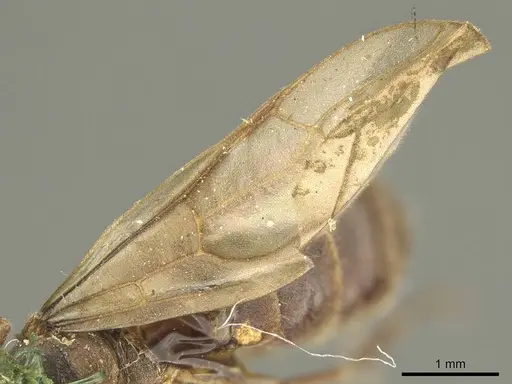
CASENT0915723
在 AntWeb 上查看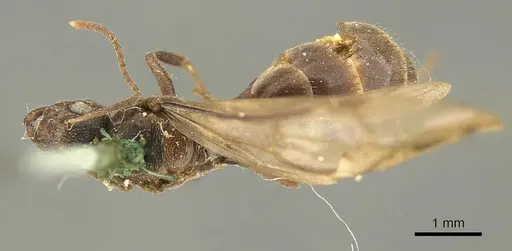
科学文献
正在加载分布地图...正在加载商品...