
Nesomyrmex innocens
- 学名
- Nesomyrmex innocens
- 族
- Crematogastrini
- 亚科
- Myrmicinae
- 命名者
- Forel, 1913
- 地理分布
- 分布于 0 个国家/地区
物种引言
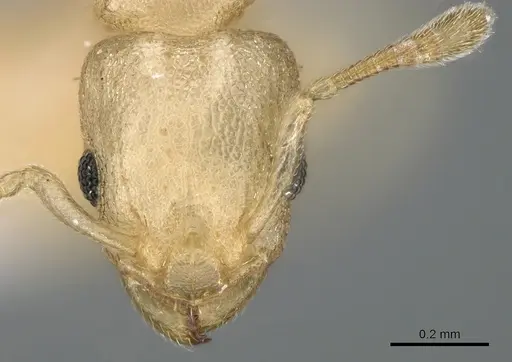
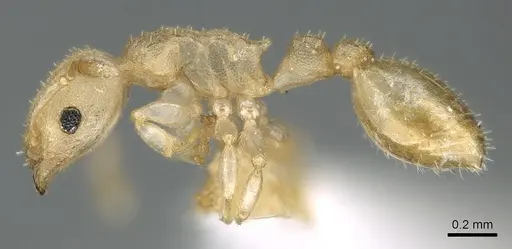
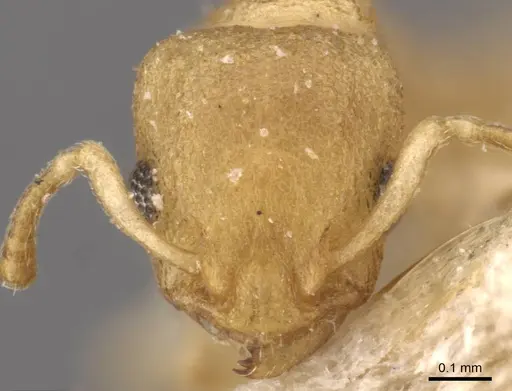
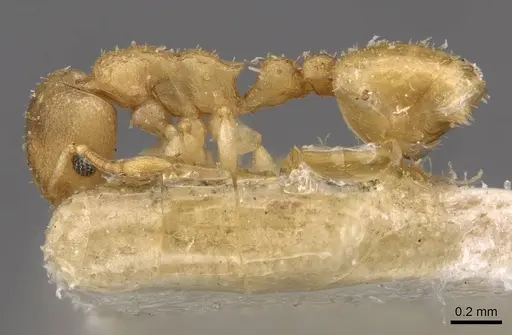
Nesomyrmex innocens is a tiny yellow ant found only in the Democratic Republic of Congo and Kenya. Workers measure about 2.3-2.5mm in total length, making them one of the smaller ant species. They have distinctive short, thick propodeal spines and a nodiform petiolar node. The species is morphologically similar to Nesomyrmex denticulatus and Nesomyrmex stramineus, and its status as a separate species has been questioned due to very limited specimen availability . This is an extremely poorly known species. Only a handful of worker specimens have ever been collected. They are arboreal nesters, living in tree stems in the humid forests of central Africa. For antkeepers, this means they will likely need higher humidity and smaller prey items than many common species. Their tiny size and limited range make them a challenging species for experienced keepers.
Quick Summary
- Difficulty: Expert
- Origin & Habitat: Democratic Republic of Congo and Kenya, arboreal species nesting in tree stems in humid African forests [1][3][4]
- Colony Type: Unconfirmed, no data on colony structure exists for this species
- Size & Growth:
- Queen: Unknown, queen caste has never been described in scientific literature
- Worker: 2.3-2.5mm total length [4]
- Colony: Unknown, only a few worker specimens have ever been collected
- Growth: Unknown, no development data exists for this species
- Development: Unknown, no direct observations of colony development exist (This species has never been kept in captivity according to available records.)
- Antkeeping:
- Temperature: Unknown, no captive data exists. Based on their central African origin, aim for warm conditions around 24-28°C with a gradient. Monitor colony activity and adjust accordingly.
- Humidity: Likely requires high humidity given their arboreal nesting in tree stems. Keep nest substrate consistently moist but not waterlogged.
- Diapause: Unknown, no data on overwintering requirements. Their equatorial origin suggests they may not require a true diapause.
- Nesting: In nature they nest in tree stems. In captivity, a small test tube setup or small Y-tong nest with tight chambers would work. Their tiny size means chambers should be appropriately scaled.
- Behavior: No behavioral data exists for captive colonies. Based on typical Nesomyrmex patterns, they are likely docile. Their tiny size makes escape prevention critical, they can easily slip through standard barrier setups. Expect them to be active foragers, likely hunting small prey. They possess a smear defense mechanism typical of Myrmicinae, they wipe venom onto enemies rather than piercing flesh.
- Common Issues: this species has never been kept in captivity, all care recommendations are speculative estimates based on related species, tiny size means escape prevention must be excellent, use fine mesh barriers and tight-fitting lids, no data exists on what foods they accept, start with small live prey like springtails and micro-arthropods, extremely limited distribution means wild colonies are rarely available, likely no established captive breeding lines, no information on queen founding behavior, claustral vs semi-claustral is unknown, humidity requirements are estimated, not confirmed, monitor for signs of stress or desiccation
Why This Species Is So Challenging
Nesomyrmex innocens represents one of the most poorly documented ant species in the hobby. Scientifically, only a handful of worker specimens have ever been collected, from the Democratic Republic of Congo and Kenya. The original description dates back to 1913,and even the 1982 revision by Bolton was based on just a single specimen [2]. This means there is essentially zero biological data on this species: no colony size estimates, no development timelines, no mating behavior observations, no dietary preferences, nothing about their overwintering requirements, and no captive husbandry experience.
For antkeepers, this presents a unique challenge. You will essentially be pioneering their care from scratch. Every piece of advice in this caresheet is either an inference from related species in the Nesomyrmex genus or a reasonable guess based on their morphology and known habitat. This makes N. innocens an expert-level species suitable only for experienced antkeepers who enjoy discovering how a species behaves in captivity. If you succeed with this species, you will be contributing genuinely new knowledge to the antkeeping hobby.
Housing and Escape Prevention
Given their tiny worker size of 2.3-2.5mm, escape prevention is absolutely critical. These ants can squeeze through gaps that would hold back larger species. Use test tubes with cotton plugs that are packed firmly, or use fluon barriers on any formicarium setup. If using a test tube setup, ensure the connection between the tube and any outworld is sealed with cotton or a proper barrier.
For nesting, their arboreal nature suggests they prefer enclosed spaces. A small test tube setup works well for founding colonies, use a tube with a 10-12mm diameter chamber. For established colonies, a small Y-tong nest with appropriately sized chambers would be more suitable than large open spaces. The key is providing tight, enclosed chambers that match their tiny scale. Avoid naturalistic setups with large open areas until you understand their behavior better. [1][4]
Feeding and Diet - Starting From Zero
This is where you will need to do the most experimentation. No data exists on what N. innocens eats in captivity. Based on their small size and typical Myrmicinae diet, start with small live prey: micro-arthropods like springtails, booklice, and fruit fly larvae are appropriate-sized prey items. You could also try tiny pieces of mealworms or other standard feeder insects, but cut them appropriately small.
Unlike larger ants that can take down substantial prey, these tiny ants will need prey they can subdue and dismember. Sugar sources may or may not be accepted, some Nesomyrmex species will take honey or sugar water, but others ignore sweet entirely. Offer a small drop of honey occasionally and observe. The safest approach is to assume they are primarily predatory and focus on providing appropriate-sized live prey. Remove any uneaten prey after 24-48 hours to prevent mold.
Temperature and Humidity Guesses
Since no captive data exists, I can only make educated guesses based on their origin. The Democratic Republic of Congo and Kenya are equatorial countries with warm, humid climates. Their arboreal nesting in tree stems suggests they prefer conditions that stay moist but not soaking wet.
For temperature, start around 24-26°C and create a gradient by placing the nest on one side of the enclosure with gentle heat. Watch how the ants behave, if they consistently avoid the warm side, reduce temperature. If they cluster in the warmest area, you can increase slightly. The key is stability, avoid sudden temperature swings.
For humidity, aim for 60-80% relative humidity in the nest area. Their tree-stem nesting suggests they are used to humid but not saturated conditions. Keep the nest substrate moist but not waterlogged, and provide a dry area in the outworld so they can choose their preferred conditions.
Colony Structure and Founding
The colony structure of N. innocens has never been documented. Based on typical patterns in the Nesomyrmex genus, they may form single-queen colonies. The queen has never been described in scientific literature, so we do not know her size or whether she is claustral or semi-claustral.
If you obtain a founding queen, assume claustral behavior as a starting point, keep her in a small test tube with a water reservoir, seal her in a dark location, and wait. Do not disturb her for 4-6 weeks. After that, check gently for signs of eggs or larvae. If she emerges and appears to be hunting, you may need to provide tiny prey items. But we simply do not know what this species needs during founding, you may need to experiment. [1]
Frequently Asked Questions
How long does it take for Nesomyrmex innocens to produce first workers?
We do not know. No one has ever documented the development of this species from egg to worker. There is simply no data to reference.
What do Nesomyrmex innocens eat?
Unknown, no captive dietary data exists. Based on their small size and typical Myrmicinae feeding habits, start with small live prey like springtails, micro-arthropods, and tiny insect pieces. They may or may not accept sugar sources like honey. Experiment carefully and remove uneaten food promptly.
Are Nesomyrmex innocens good for beginners?
No. This is an expert-level species, possibly the most challenging in the hobby. There is zero captive husbandry experience documented for this species. Every aspect of their care requires experimentation and inference from related species. Only experienced antkeepers who enjoy pioneering new species should attempt this one.
Do Nesomyrmex innocens ants sting?
Unknown, no documented observations of their sting or bite behavior exist. Given their tiny size, any sting would likely be imperceptible to humans. They are not considered dangerous or medically significant.
How big do Nesomyrmex innocens colonies get?
Unknown. Only a handful of wild workers have ever been collected, so we have no data on maximum colony size.
Can I keep multiple Nesomyrmex innocens queens together?
Unknown, colony structure has never been documented for this species. Combining unrelated queens has not been studied. Do not attempt multi-queen setups unless you observe them naturally doing so in captivity, and even then, proceed with extreme caution.
What temperature should I keep Nesomyrmex innocens at?
No confirmed data exists. Based on their equatorial African origin, start around 24-26°C with a temperature gradient. Monitor colony behavior and adjust. Avoid temperatures below 20°C or above 32°C until you understand their preferences.
Do Nesomyrmex innocens need hibernation?
Unknown, no data on seasonal behavior exists. Their equatorial origin suggests they may not require a true diapause. However, they may have reduced activity during cooler or drier seasons.
How do I set up a nest for Nesomyrmex innocens?
Based on their arboreal nesting in tree stems, use a small enclosed setup like a test tube or small Y-tong nest with tight chambers. Provide moisture through a water reservoir. Their tiny size means chambers should be appropriately scaled.
Where can I get Nesomyrmex innocens?
Extremely unlikely to find in the antkeeping hobby. This species has only ever been collected a handful of times in the wild, and there are no documented captive breeding lines. You would need to locate a wild colony in the Democratic Republic of Congo or Kenya, which is neither practical nor advisable given the political situation in those regions. This species is essentially unavailable to hobbyists.
Report an Issue
The current care sheet is based fully on literature. See inconsistencies, or something that's incorrect? Please , it will be resolved after review from an admin. Contributing to the blogs tab also helps providing information, to make us be able to further improve the caresheets. Thank you for your support!
References

此饲养指南授权协议为 CC BY-SA 4.0 .
社区博客
CASENT0906195
在 AntWeb 上查看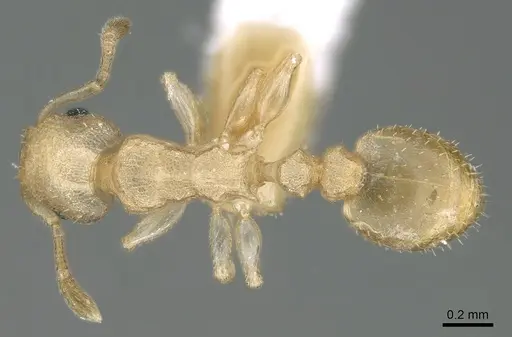
CASENT0908995
在 AntWeb 上查看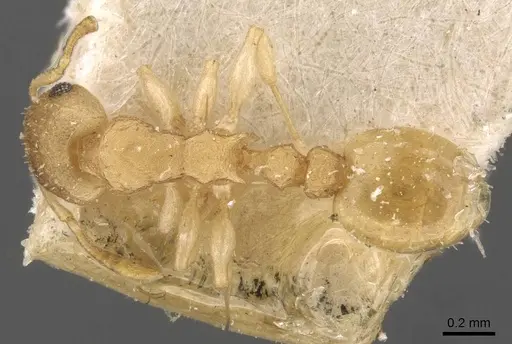
科学文献
正在加载分布地图...正在加载商品...