
Neoponera fusca
- 学名
- Neoponera fusca
- 族
- Ponerini
- 亚科
- Ponerinae
- 命名者
- MacKay & MacKay, 2010
- 地理分布
- 分布于 0 个国家/地区
物种引言
Neoponera fusca is a medium-sized Ponerine ant native to the highlands of Cundinamarca, Colombia . Workers are robust with a powerful sting, and the species is known only from this limited geographic region. This is one of the less-documented Neoponera species in captivity.
Quick Summary
- Difficulty: Medium
- Origin & Habitat: Cundinamarca, Colombia, highland tropical region in the Colombian Andes [1][2].
- Colony Type: Unknown. Colony structure for N. fusca specifically has not been documented in available literature.
- Size & Growth:
- Queen: Size data unavailable, inferred from Neoponera genus patterns to be approximately 12-15mm
- Worker: Size data unavailable, inferred from Neoponera genus patterns to be approximately 8-12mm
- Colony: Unknown, no specific data available
- Growth: Unknown
- Development: Unknown, estimated 8-12 weeks based on related Ponerine species (Development is temperature-dependent. First workers (nanitics) will likely be smaller than mature workers.)
- Antkeeping:
- Temperature: Keep at 22-26°C. The highland origin suggests they can tolerate slightly cooler conditions than lowland tropical Ponerines.
- Humidity: Maintain 60-80% humidity. Provide a moist nest substrate that retains humidity while allowing some drying between water additions.
- Diapause: Unknown, their tropical highland origin suggests minimal or no true diapause, but this is not documented
- Nesting: Y-tong nests, plaster nests, or naturalistic setups with soil substrate work well. They prefer dark, enclosed spaces and will excavate soil if provided.
- Behavior: Neoponera fusca is a predatory ant with a potent sting. Workers are active foragers that hunt small invertebrates on the forest floor. They will sting if threatened or handled roughly. Escape prevention is important given their medium size. Colonies are typically peaceful internally.
- Common Issues: colonies often fail when kept too dry, their forest floor habitat requires consistent moisture, predatory diet needs can frustrate keepers expecting easy acceptance of prepared foods, slow growth compared to common ants may cause beginners to lose patience, test tube setups can flood if water reservoirs are overfilled, use proper drainage, wild-caught colonies may carry parasites that cause colony collapse in captivity
Nest Preferences
Neoponera fusca naturally nests in soil cavities on the forest floor, likely under logs or among leaf litter. In captivity, they do well in Y-tong (AAC) nests, plaster nests with soil chambers, or naturalistic setups with a deep soil layer. They prefer dark, enclosed spaces and will readily move into provided nest chambers. A water reservoir connected to the nest helps maintain humidity without constant misting. Avoid nests with large open spaces as they prefer tight, secure chambers.
Feeding and Diet
As predatory Ponerines, they require protein-rich foods. Offer small live prey such as fruit flies, small crickets, mealworms, and other small invertebrates. They typically hunt and subdue prey with their powerful mandibles and sting. Some colonies may accept protein jelly or frozen insects, but live prey ensures the most natural hunting behavior. Sugar sources are not a primary dietary need for this species, they get energy from prey. Feed every 2-3 days, removing uneaten prey after 24 hours to prevent mold. A varied diet helps ensure colony health.
Temperature and Care
Maintain temperatures between 22-26°C. The highland Colombian origin suggests they can tolerate the lower end of this range better than strict lowland tropicals. Use a heating cable on one side of the nest to create a gentle gradient if room temperature is below 22°C. Place the heating on top of the nest to avoid drying out the substrate. Monitor colony activity, workers that consistently cluster near the heat source indicate a need for more warmth, while avoiding heat suggests temperatures are too high. Avoid temperature fluctuations beyond the 20-28°C range.
Defense Mechanism
This species has a potent sting. As a member of the Ponerinae subfamily, they possess a functional stinger capable of delivering peptide-rich venom. The sting is painful to vertebrates and used for hunting prey and defending the colony. Handle them gently and avoid provoking defensive responses.
Frequently Asked Questions
How long does it take for Neoponera fusca to produce first workers?
Exact timeline is unknown. Based on related Ponerine species, expect first workers (nanitics) in 8-12 weeks after the queen lays eggs, assuming optimal temperatures around 24-26°C. Patience is key during the founding stage.
What do Neoponera fusca eat?
They are predatory and need live protein prey. Offer small insects like fruit flies, pinhead crickets, small mealworms, and similar invertebrates. Some colonies accept frozen/thawed prey, but live prey triggers natural hunting behavior.
Can I keep multiple Neoponera fusca queens together?
Not recommended. Colony structure is not documented for this species, and combining unrelated queens typically results in fighting and colony failure.
Are Neoponera fusca good for beginners?
They are intermediate-level ants. The need for live prey and specific humidity requirements makes them more challenging than sugar-feeding species. Those comfortable with Ponerine husbandry will find them rewarding.
What temperature do Neoponera fusca need?
Keep them at 22-26°C. The highland Colombian origin means they can handle slightly cooler conditions than strict tropicals, but warmth within this range promotes healthy brood development.
How big do Neoponera fusca colonies get?
Colony size for this species is not documented. Based on typical Ponerine development, colonies may reach several hundred workers over several years.
Do Neoponera fusca need hibernation?
Unknown. Their tropical highland origin suggests they likely experience year-round activity with minor seasonal slowdowns. No formal hibernation period is required, but this is not specifically documented.
When should I move Neoponera fusca to a formicarium?
Wait until the colony has 30-50 workers and is actively using a test tube setup. Moving too early stresses the colony. A formicarium with soil chambers suits their natural nesting preferences.
Why is my Neoponera fusca colony declining?
Common causes include: too-dry nesting conditions, lack of adequate protein prey, temperature extremes, or parasites from wild-caught colonies. Review humidity, feeding schedule, and temperature before assuming disease.
Report an Issue
The current care sheet is based fully on literature. See inconsistencies, or something that's incorrect? Please , it will be resolved after review from an admin. Contributing to the blogs tab also helps providing information, to make us be able to further improve the caresheets. Thank you for your support!
References

此饲养指南授权协议为 CC BY-SA 4.0 .
社区博客
CASENT0649890
在 AntWeb 上查看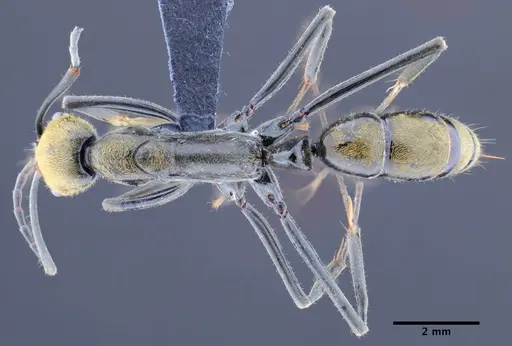
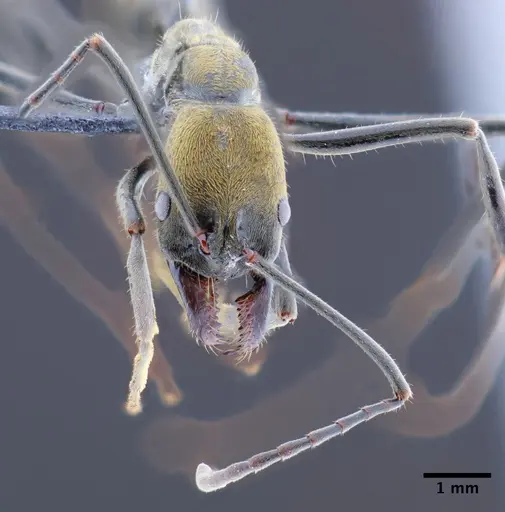
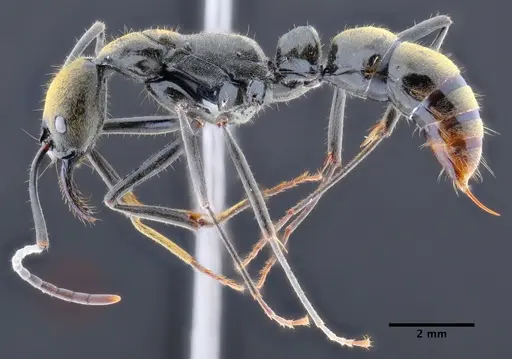
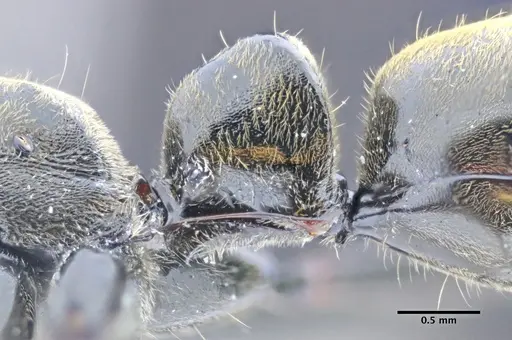
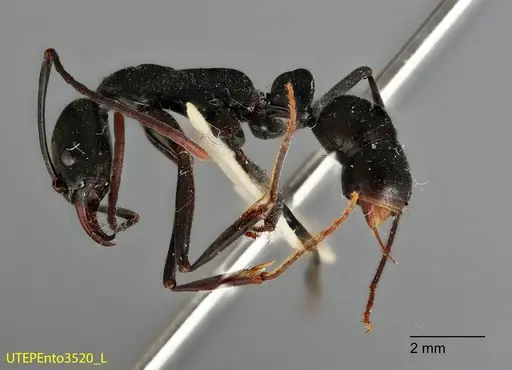
UTEPENTO3520
在 AntWeb 上查看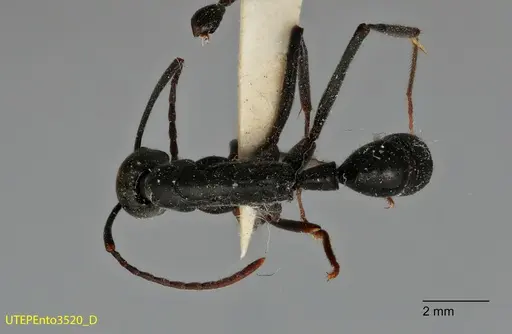
科学文献
正在加载分布地图...正在加载商品...