
Neivamyrmex maxillosus
- 学名
- Neivamyrmex maxillosus
- 亚科
- Dorylinae
- 命名者
- Emery, 1900
- 地理分布
- 分布于 0 个国家/地区
物种引言
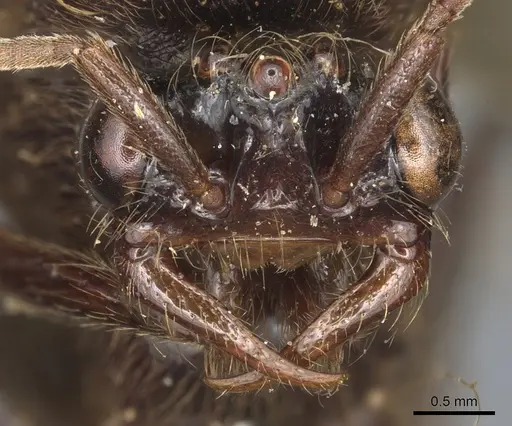
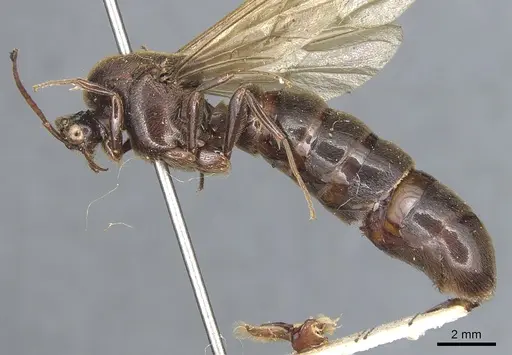
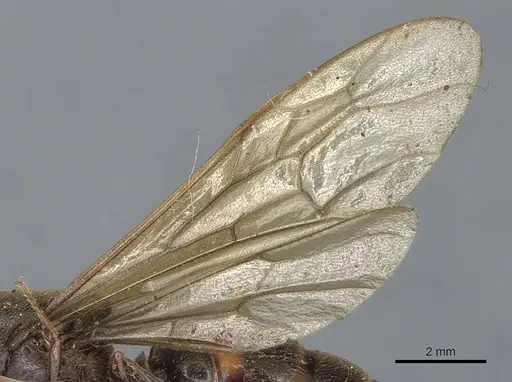
Neivamyrmex maxillosus is a neotropical army ant species in the Dorylinae subfamily. This species is known only from male specimens, making it one of the least documented army ants in the genus. Males are characterized by their strongly curved mandibles that bend inward near the base. The species has been recorded across northern South America, including Brazil's Amazon region (Manicoré in Amazonas), Colombia (Guainía department), Venezuela, Guyana, French Guiana, and Peru . Like all army ants, they are predatory and participate in coordinated raids, though specific behavioral details for this species remain unstudied. The complete absence of described worker and queen castes means this species cannot be maintained in captivity.
Quick Summary
- Difficulty: Expert
- Origin & Habitat: Neotropical rainforests of northern South America, primarily in Amazon basin regions [1][2][3]
- Colony Type: Unconfirmed, only male specimens have been described. Colony structure is unknown for this species.
- Size & Growth:
- Queen: Size data unavailable, queen caste has not been described [1]
- Worker: Size data unavailable, worker caste has not been described [1]
- Colony: Size data unavailable, no colony data exists [1]
- Growth: Unknown
- Development: Unknown, no developmental data exists for this species (Related Neivamyrmex species develop relatively quickly at tropical temperatures, but specific timing is unconfirmed for N. maxillosus)
- Antkeeping:
- Temperature: Likely requires warm conditions typical of neotropical army ants, estimated in the mid-to-high 20s°C based on related species
- Humidity: Likely requires high humidity typical of Amazon basin species, provide a humid setup
- Diapause: Unlikely, tropical species with no documented need for hibernation
- Nesting: No specific data. Army ants typically prefer dark, humid nests and relocate frequently during nomadic phases
- Behavior: Army ant behavior is expected but not documented for this specific species. Related Neivamyrmex species are predatory, using raiding swarms to capture prey. Males are typically produced during reproductive cycles and are attracted to light. Escape risk cannot be assessed as worker size is unknown.
- Common Issues: only male specimens have been scientifically described, queen and worker castes are unknown, no established captive care protocol exists for this species, colony structure (single queen vs multiple queens) is unconfirmed, specific temperature and humidity requirements are estimated, not documented, this species cannot be reliably distinguished in the field without male specimens for comparison
Species Identification and Status
Neivamyrmex maxillosus was originally described by Emery in 1900 as Neivamyrmex maxillosus, based solely on male specimens collected from Manicoré in Brazil's Amazonas state. The species was later transferred to the genus Neivamyrmex by Borgmeier in 1953. The most distinctive morphological feature of the male is the external margin of the mandibles, which curves strongly inward near the base [3]. This species remains known primarily from male specimens, with no described queens or workers in the scientific literature. This makes it one of the least documented species in an already specialized genus of army ants. The distribution spans the northern Amazon basin, with confirmed records from Brazil, Colombia, Venezuela, Guyana, French Guiana, and Peru [1][2][3][4].
Why This Species Cannot Be Kept
This species is NOT suitable for antkeeping at this time, and likely will not be for the foreseeable future. The fundamental issue is that only male specimens have ever been described scientifically, no queens or workers have been documented or collected. Without knowing what the workers or queens look like, it is impossible to identify this species in the field, distinguish them from other Neivamyrmex species, or develop appropriate care protocols. Even if a colony were somehow collected, there would be no way to verify it was N. maxillosus rather than a related species. Army ant taxonomy often relies heavily on male reproductive specimens for species identification, making field collection of this species extremely challenging. Related army ant species in the Eciton and Neivamyrmex genera have complex colony structures and specific ecological requirements that take years of observation to document, none of this foundational work exists for N. maxillosus. [1]
Army Ant Biology - What We Can Infer
While specific data for N. maxillosus is lacking, the genus Neivamyrmex provides general patterns that likely apply. All Dorylinae army ants are predatory, using coordinated raiding swarms to capture invertebrate prey. Colonies are typically nomadic, moving their bivouac (temporary nest) regularly as prey sources are depleted. Most army ant species have single-queen colonies, though some Neivamyrmex species may have different structures. Queens are claustral, they seal themselves in a chamber and survive on stored fat reserves while raising the first brood alone. Development from egg to worker typically takes several weeks in tropical army ant species, though exact timing varies by species and temperature. Males are produced seasonally and are attracted to artificial light sources, which is how many specimens are collected.
Related Species That Can Be Kept
For antkeepers interested in army ants, several related species in the Dorylinae subfamily are well-documented and available through reputable suppliers. Eciton burchellii is perhaps the most famous army ant, known for its spectacular raiding swarms. Other Eciton species like E. hamatum and E. lucanoides are also maintained by experienced antkeepers. These species require specialized care including large enclosures, frequent feeding, and understanding of the nomadic colony cycle. Army ant keeping is considered advanced antkeeping due to the high food requirements and colony mobility needs. Start with more commonly available species if you are new to antkeeping.
Frequently Asked Questions
Can I keep Neivamyrmex maxillosus ants?
No. This species cannot be kept in captivity because only male specimens have ever been described. Without described queens or workers, there is no way to identify this species or develop appropriate care protocols.
Why are there no worker or queen descriptions for Neivamyrmex maxillosus?
Army ant taxonomy often relies on male specimens for species identification, as males are more distinctive. Workers and queens of many Neivamyrmex species remain undescribed because they are difficult to collect and distinguish from related species in the field.
What do Neivamyrmex maxillosus queens look like?
Unknown, queen caste has never been described for this species. The scientific literature only contains descriptions of male specimens.
How big do Neivamyrmex maxillosus colonies get?
Unknown, no colony data exists for this species. Related army ant colonies can reach very large sizes, but N. maxillosus specifics are unstudied.
What do Neivamyrmex maxillosus workers eat?
Unconfirmed for this species, but army ants are predatory and likely capture invertebrates. Related species raid for insects and other arthropods.
Where can I find Neivamyrmex maxillosus?
This species has been recorded in Brazil (Amazonas), Colombia (Guainía), Venezuela, Guyana, French Guiana, and Peru. However, identification requires male specimens, making field collection impractical for most antkeepers.
Are there army ants that can be kept as pets?
Yes. Eciton species like Eciton burchellii are maintained by experienced antkeepers. These require specialized setups with large enclosures, constant prey availability, and understanding of army ant nomadic behavior. These are advanced species not recommended for beginners.
What temperature do Neivamyrmex ants need?
Specific requirements for N. maxillosus are unknown. Related neotropical army ants typically thrive in warm, humid conditions. Do not attempt to keep this unconfirmed species regardless.
Does Neivamyrmex maxillosus need hibernation?
Unlikely, this is a tropical species from the Amazon basin. No documented diapause requirement exists, but specific data is lacking for this species.
Report an Issue
The current care sheet is based fully on literature. See inconsistencies, or something that's incorrect? Please , it will be resolved after review from an admin. Contributing to the blogs tab also helps providing information, to make us be able to further improve the caresheets. Thank you for your support!
References

此饲养指南授权协议为 CC BY-SA 4.0 .
社区博客
CASENT0903741
在 AntWeb 上查看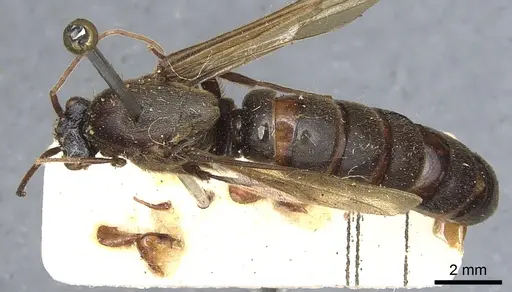
科学文献
正在加载分布地图...正在加载商品...