
Myrmicaria striatula
- 学名
- Myrmicaria striatula
- 族
- Solenopsidini
- 亚科
- Myrmicinae
- 命名者
- Santschi, 1925
- 地理分布
- 分布于 0 个国家/地区
物种引言
Myrmicaria striatula is an African ant species belonging to the genus Myrmicaria. Workers display a dark brown to black coloration with lighter striations on the gaster, giving them their species name 'striatula'. The genus is characterized by a spiny appearance and a potent sting. This species is found across East Africa, with documented locations including Lake Victoria region, Bukoba, Pangani, Kilimandjaro, Natal, and the Democratic Republic of Congo . The genus Myrmicaria is known for its aggressive defensive behaviors and painful sting. These ants are ground-nesting and likely form moderate to large colonies. They are not commonly kept in the antkeeping hobby.
Quick Summary
- Difficulty: Medium
- Origin & Habitat: East Africa, found in Lake Victoria region, Bukoba, Pangani, Kilimandjaro, Natal, and Democratic Republic of Congo. Inhabits tropical and subtropical regions [1][2].
- Colony Type: Colony structure is unconfirmed for this species. Based on typical Myrmicaria patterns, likely single-queen colonies.
- Size & Growth:
- Queen: Size data unavailable, inferred from Myrmicaria genus patterns (~8-12mm)
- Worker: Size data unavailable, estimated 5-7mm based on genus patterns
- Colony: Likely moderate to large colonies based on genus patterns
- Growth: Moderate, estimated based on genus patterns
- Development: Estimated 6-10 weeks at optimal temperature (Development time is estimated from genus-level data as species-specific measurements are not available)
- Antkeeping:
- Temperature: Keep at 24-28°C. Being a tropical African species, they require warm conditions year-round. A heating cable on one side of the nest can create the necessary gradient.
- Humidity: Moderate to high humidity. Keep the nest substrate slightly moist but not waterlogged. Provide a water tube for drinking water.
- Diapause: Likely minimal or no true diapause given their tropical origin. They may show reduced activity during cooler periods but do not require hibernation like temperate species.
- Nesting: Ground-nesting species. In captivity, they do well in naturalistic setups with soil or sand substrates, or Y-tong nests with chambers scaled to their size. They prefer dark, secure nesting areas.
- Behavior: Myrmicaria striatula is an aggressive defensive species with a potent sting. Workers are active foragers that search for food both on the ground and may climb slightly. They are known for their alert and quick-moving behavior. Due to their sting, escape prevention is important, they will defend the colony vigorously. Their small to medium size means they can squeeze through small gaps, so fine mesh barriers are recommended.
- Common Issues: sting pain, their potent sting can deliver painful stings when defending the colony, so handle with caution, escape risk, small size means they can escape through tiny gaps without proper barriers, tropical temperature needs, they require consistent warmth and may struggle in cool conditions, aggressive defense, disturbed colonies will attack, making them harder to handle than peaceful species, limited availability, this is not a common species in the antkeeping hobby, making colonies harder to source
Appearance and Identification
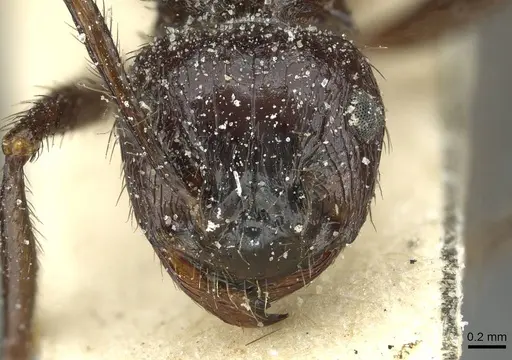
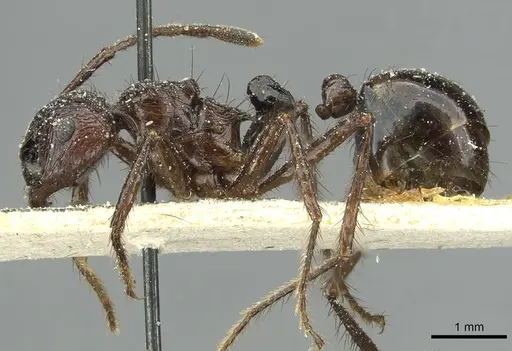
Myrmicaria striatula workers have the characteristic spiny appearance of the Myrmicaria genus, with spines protruding from the mesosoma. Their coloration is typically dark brown to black, with lighter striations or stripes on the gaster, which gives them their species name 'striatula'. Queens are larger and have the same spiny morphology but with a larger thorax to accommodate wing muscles. The combination of their spiny thorax and striped gaster makes them distinctive among African ant species. Exact size measurements are not available in the research literature, estimates based on genus patterns suggest workers around 5-7mm and queens around 8-10mm. [1]
Natural Distribution and Habitat
Myrmicaria striatula is found across East Africa. Documented locations include the Lake Victoria region, Bukoba and Pangani in Tanzania, Kilimandjaro region, Natal in South Africa, and the Democratic Republic of Congo [1][2]. This distribution covers tropical to subtropical climates with warm temperatures year-round. In their natural habitat, they are ground-nesting ants that typically establish colonies in soil, often in shaded or partially shaded areas. Their tropical distribution suggests they prefer warm, moderately humid conditions rather than extreme heat or dryness.
Housing and Nesting
In captivity, Myrmicaria striatula does well in naturalistic setups with a soil or sand substrate that allows them to dig and establish chambers. A Y-tong nest with appropriately sized chambers also works well. Given their ground-nesting nature, provide a deep enough substrate or chamber system for them to create their colony structure. They prefer darker nesting areas and will often seal off chambers they consider too exposed. The nest should be kept humid but with some dry areas available so they can regulate their moisture preferences. An outworld should be attached for feeding and waste management.
Feeding and Diet
Myrmicaria striatula is an omnivorous species that forages for protein and carbohydrates. In captivity, they readily accept protein sources such as small insects and carbohydrate sources including sugar water, honey, or nectar. They are active foragers and will send workers out to collect food. Feed them protein-rich foods several times per week and provide a constant source of sugar water or honey. Remove uneaten prey after 24-48 hours to prevent mold issues. Fresh water should always be available.
Temperature and Seasonal Care
As a tropical African species, Myrmicaria striatula requires warm temperatures between 24-28°C for optimal colony health and development. They do not tolerate cool conditions well and may become sluggish below 22°C. A heating cable placed on one side of the nest can help maintain appropriate temperatures, but ensure there is a gradient so ants can move to cooler areas if needed. Unlike temperate species, they do not require a true diapause or hibernation period. However, they may show slightly reduced activity during natural seasonal cool periods in your region. Maintain consistent warmth year-round for best results.
Behavior and Defense
Myrmicaria striatula is known for its aggressive defensive behavior. When the colony is disturbed, workers quickly mobilize to defend it. Their primary defense is a potent sting, which can be quite painful to humans. This makes them a species that requires careful handling, avoid tapping or disturbing the nest, and use caution when observing or feeding. Workers are active and quick-moving, constantly patrolling the foraging area. They are not timid but will retreat if overwhelmed before escalating to stinging. This species is best suited for antkeepers who are comfortable handling more defensive species and want to observe natural defensive behaviors.
Frequently Asked Questions
How long does it take for Myrmicaria striatula to produce first workers?
Based on typical Myrmicaria development, expect first workers approximately 6-10 weeks after the queen lays eggs, assuming optimal temperatures around 26°C. This timeline is estimated from genus-level data as species-specific development times have not been documented.
What temperature do Myrmicaria striatula need?
Keep them at 24-28°C. As a tropical African species, they require consistent warmth. A heating cable on part of the nest can help maintain appropriate temperatures, but provide a gradient so ants can self-regulate.
Are Myrmicaria striatula good for beginners?
This species is rated as medium difficulty. While they are not the most challenging species, their potent sting and aggressive defense make them better suited for antkeepers who already have some experience with more defensive species. Beginners should start with calmer species.
How big do Myrmicaria striatula colonies get?
Based on typical genus size, colonies likely reach several hundred to over a thousand workers at maturity. They are considered moderate to large colony size.
What do Myrmicaria striatula eat?
They are omnivorous. Feed them small insects for protein and provide constant sugar water or honey for carbohydrates. They are active foragers and will readily collect food.
Do Myrmicaria striatula need hibernation?
No, being a tropical species they do not require hibernation or diapause. Maintain warm temperatures year-round. They may show slightly reduced activity during cooler periods but do not need a dedicated cooling period.
Can I keep multiple Myrmicaria striatula queens together?
Likely not recommended. Based on typical genus patterns, they are likely single-queen colonies. Combining unrelated queens has not been documented for this species and would likely result in aggression.
What size escape prevention do I need for Myrmicaria striatula?
Use fine mesh barriers and tight-fitting lids. Workers can squeeze through small gaps, so ensure all openings are sealed. Fluon applied to the inner rim of the outworld can help prevent escapes.
When should I move Myrmicaria striatula to a formicarium?
Wait until the colony has a decent number of workers before moving to a formicarium. They do well in naturalistic setups with soil or in Y-tong nests. Ensure the new setup maintains appropriate humidity and temperature before transferring.
Report an Issue
The current care sheet is based fully on literature. See inconsistencies, or something that's incorrect? Please , it will be resolved after review from an admin. Contributing to the blogs tab also helps providing information, to make us be able to further improve the caresheets. Thank you for your support!
References

此饲养指南授权协议为 CC BY-SA 4.0 .
社区博客
CASENT0913057
在 AntWeb 上查看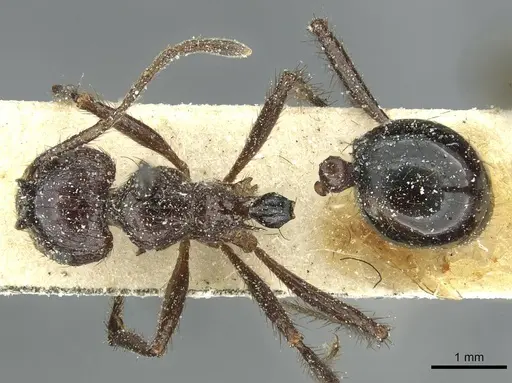
科学文献
正在加载分布地图...正在加载商品...