
Myrmecina insulana
- 学名
- Myrmecina insulana
- 族
- Crematogastrini
- 亚科
- Myrmicinae
- 命名者
- Okido <i>et al.</i>, 2020
- 地理分布
- 分布于 0 个国家/地区
物种引言
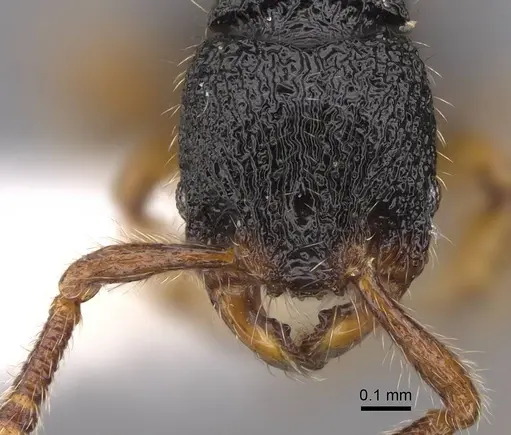
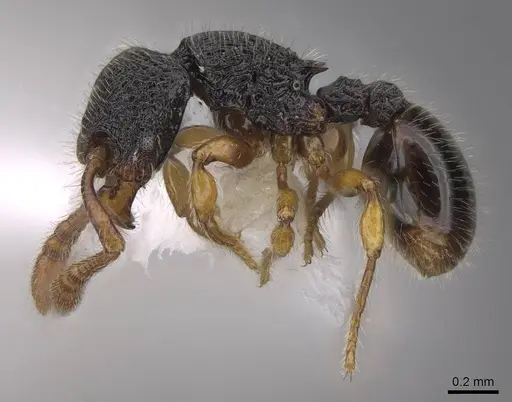
Myrmecina insulana is a tiny ant species native to Southeast Asia, with workers measuring approximately 2.2-2.4mm in total length . These ants are found in Malaysia (Malay Peninsula, Borneo) and Indonesia (Sumatra, Java, Kalimantan) . They live in soil and leaf litter in forested areas at elevations between 560-1000m . The species was described in 2020,making it a relatively recent addition to the genus . This species is distinguished by its very small eyes (only 10-11 ommatidia), short antennal scapes, and distinctive transverse rugae on the underside of the head . Workers have a dark body with reddish-brown petiole and postpetiole, and yellowish-brown mandibles, antennae, and legs . As litter-dwelling ants, they represent a unique challenge for antkeepers interested in observing small ground-dwelling species.
Quick Summary
- Difficulty: Medium
- Origin & Habitat: Southeast Asia, Malaysia (Malay Peninsula, Borneo/Sabah/Sarawak) and Indonesia (Sumatra, Java, Kalimantan). Inhabits soil and leaf litter in forested areas at elevations ranging from 560-1000m [1].
- Colony Type: Colony structure is unconfirmed for this species. Based on typical Myrmecina patterns, likely single-queen colonies.
- Size & Growth:
- Queen: Undescribed, approximately 3-4mm inferred from genus patterns
- Worker: 2.2-2.4mm [1]
- Colony: Likely remains small, estimated under 100 workers based on similar litter-dwelling Myrmecina species
- Growth: Likely slow to moderate
- Development: Estimated 6-10 weeks at optimal temperature based on related Myrmicinae species (No direct development data exists for this species. Estimates based on genus-level patterns for small Myrmicinae.)
- Antkeeping:
- Temperature: Keep around 22-26°C. Being a tropical species from Southeast Asia, they prefer warm conditions. A gentle gradient allowing them to move between warmer and cooler areas is ideal.
- Humidity: High humidity preferred, these are litter-dwelling ants that naturally experience damp conditions. Keep substrate consistently moist but not waterlogged. Provide a humid outworld.
- Diapause: Not required, being a tropical species from Southeast Asia, they do not need formal hibernation. However, they may slow down during cooler periods.
- Nesting: Y-tong (AAC) nests or test tube setups work well for their tiny size. Provide moist substrate (soil/peat mix) that they can tunnel through. Their natural habitat is soil and litter, so a naturalistic setup with fine substrate is ideal.
- Behavior: Very small and docile ants. Workers are slow-moving and not aggressive. They likely forage in the litter layer, searching for tiny prey and honeydew. Escape prevention is critical due to their minute size, they can squeeze through standard test tube barriers. Use fine mesh and tight-fitting lids. Their small eyes (10-11 ommatidia) suggest they rely more on chemical trails than visual cues [1].
- Common Issues: escape prevention is critical due to their extremely tiny size, standard barriers may not contain them, limited available information makes care recommendations uncertain, slow colony growth may frustrate beginners expecting rapid development, wild-caught colonies may be difficult to locate due to their minute size and litter-dwelling habit, high humidity requirements can lead to mold issues if ventilation is poor
Housing and Nest Setup
Due to their extremely small size (under 2.5mm), Myrmecina insulana requires careful housing considerations. A Y-tong (AAC) nest with narrow chambers or a test tube setup works well for founding colonies. The chambers should be appropriately scaled, these tiny ants don't need large spaces. Provide a moist substrate (a mix of soil and peat works well) that allows for tunneling. Because they naturally live in soil and leaf litter, a naturalistic setup with a thin layer of moist substrate is ideal. The outworld should also be humid, you can achieve this by misting regularly or using a water reservoir. Escape prevention is critical: use fine mesh (at least 0.5mm or smaller) on all ventilation holes and ensure lids fit tightly. These ants can squeeze through gaps that would hold back larger species. [1]
Feeding and Diet
As tiny litter-dwelling ants, Myrmecina insulana likely feeds on small prey and honeydew in the wild. In captivity, offer small protein sources such as flightless fruit flies, pinhead crickets, or tiny pieces of mealworms. Given their minute size, prey items should be appropriately scaled, even small fruit flies may need to be cut up initially. They likely also accept sugar sources (honey water, sugar water) though this should be offered in very small amounts in a shallow container to prevent drowning. Feed small amounts every 2-3 days and remove any uneaten food promptly to prevent mold. Since colony size remains small, overfeeding is a common mistake to avoid.
Temperature and Humidity
Myrmecina insulana comes from tropical Southeast Asia, so warm and humid conditions are essential. Maintain temperatures in the range of 22-26°C. A heating cable on one side of the nest can create a temperature gradient, allowing the ants to self-regulate. Place the heating on top of the nest, not underneath, to avoid drying out the substrate too quickly. Humidity should be high, these are forest floor ants that naturally experience damp conditions. Keep the nest substrate consistently moist but not waterlogged. The outworld should also be humid, mist as needed or provide a water reservoir. Poor ventilation can lead to mold problems, so ensure adequate airflow while maintaining humidity. [1]
Colony Development
This species was described in 2020,so there is no published data on captive colony development. Based on typical patterns for small Myrmicinae, expect slow growth. The first workers (nanitics) will likely be very small and may take 6-10 weeks to develop from egg to worker at optimal temperature. Colony size will likely remain modest, probably under 100 workers even in mature colonies. This is not a species for antkeepers seeking rapid colony growth. Instead, the appeal lies in observing the behavior of these tiny, docile ants going about their daily activities. Be patient with founding colonies and avoid disturbing them unnecessarily. [1]
Behavior and Temperament
Myrmecina insulana is a docile, non-aggressive species. Workers are slow-moving and spend most of their time foraging in the litter layer. Their very small eyes (only 10-11 ommatidia) suggest they rely primarily on chemical signals rather than vision [1]. They are not known to sting and pose no danger to keepers. The main behavioral concern is their escape ability, despite being tiny, they are adept at finding and squeezing through minute gaps. Always use excellent escape prevention. Colony structure is unconfirmed, though single-queen colonies are typical for the genus.
Frequently Asked Questions
How long does it take for Myrmecina insulana to produce first workers?
The exact timeline is unknown since this species was only described in 2020. Based on related small Myrmicinae, expect 6-10 weeks from egg to first worker at optimal temperature (22-26°C). Patience is essential with this species.
Can I keep Myrmecina insulana in a test tube?
Yes, test tubes work well for founding colonies. However, escape prevention is critical, these tiny ants can squeeze through standard cotton plugs. Use fine mesh or fluon barriers, and ensure the water reservoir is appropriately sized so it doesn't flood the colony.
What do Myrmecina insulana eat?
They likely accept small protein sources (flightless fruit flies, tiny crickets, mealworm pieces) and sugar water/honey. Prey should be appropriately scaled to their tiny size. Offer small amounts every 2-3 days and remove uneaten food promptly.
Are Myrmecina insulana good for beginners?
This species is rated as medium difficulty. While they are docile and don't require special equipment, the critical challenge is their extremely small size requiring excellent escape prevention. Additionally, slow colony growth and limited available information may frustrate beginners. Those with experience keeping tiny ant species will have more success.
Do Myrmecina insulana need hibernation?
Being a tropical species from Southeast Asia, formal hibernation is not required. However, they may slow down during cooler periods. Maintain stable temperatures of 22-26°C year-round for optimal development.
How big do Myrmecina insulana colonies get?
Colony size is unknown but likely remains small (under 100 workers) based on similar litter-dwelling Myrmecina species. This is not a species that produces large colonies.
Do Myrmecina insulana ants sting?
No, they are not known to sting and pose no danger to keepers. They are docile, slow-moving ants that focus on foraging in the litter layer.
Why are my Myrmecina insulana escaping?
Their extremely small size (under 2.5mm) means they can squeeze through gaps that would hold larger ants. Use fine mesh (0.5mm or smaller), apply fluon to barrier edges, and check all ventilation points. Even tiny gaps around lid seams can be escape routes.
When should I move Myrmecina insulana to a formicarium?
You can keep them in a test tube or Y-tong setup long-term since colonies remain small. If you want to observe tunneling behavior, a Y-tong with moist substrate works well. Only move when the test tube water supply is depleted or the colony has outgrown the space.
Can I keep multiple queens together?
This has not been documented for this species. Based on typical genus patterns, they likely form single-queen colonies. Combining unrelated queens is not recommended without evidence they can coexist.
Report an Issue
The current care sheet is based fully on literature. See inconsistencies, or something that's incorrect? Please , it will be resolved after review from an admin. Contributing to the blogs tab also helps providing information, to make us be able to further improve the caresheets. Thank you for your support!
References

此饲养指南授权协议为 CC BY-SA 4.0 .
社区博客
CASENT0922958
在 AntWeb 上查看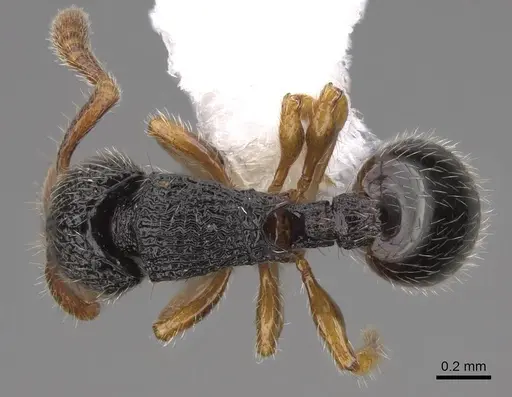
科学文献
正在加载分布地图...正在加载商品...