
Messor veneris
- 学名
- Messor veneris
- 族
- Stenammini
- 亚科
- Myrmicinae
- 命名者
- Salata <i>et al.</i>, 2023
- 地理分布
- 分布于 0 个国家/地区
物种引言
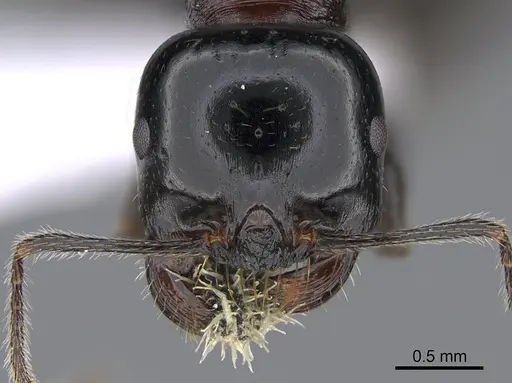
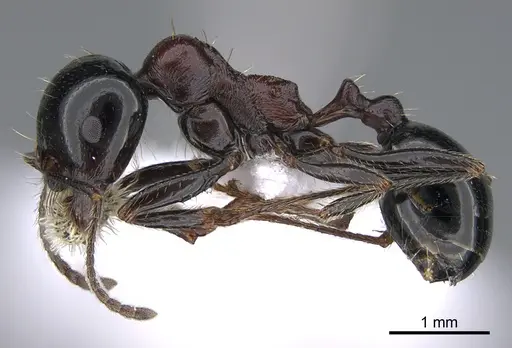
Messor veneris is a small harvester ant species recently described in 2023 from Milos Island in Greece, one of the Cyclades islands . It belongs to the Messor semirufus complex and is one of the smallest Balkan members of this group, with major workers having head measurements under 2mm . The species has a striking bicolored appearance: the head and gaster are mostly black while the mesosoma is red to reddish-brown, giving them a distinctive look . They were named after the Venus de Milo statue, which was discovered on Milos island where this ant lives . As a harvester ant, Messor veneris collects and stores seeds as their primary food source, similar to other Messor species. They have a psammophore - a special basket of hairs under their head used to carry sand particles and small seeds . This is a ground-nesting species from the Mediterranean islands of Greece, adapted to warm, dry conditions.
Quick Summary
- Difficulty: Easy
- Origin & Habitat: Milos Island, Cyclades, Greece. Found at 369-380m elevation on Mount Elias [1]. Mediterranean island environment with hot, dry summers and mild winters.
- Colony Type: Colony structure is unconfirmed for this species. Most Messor species are single-queen colonies, but specific data for M. veneris is not available.
- Size & Growth:
- Queen: Size data unavailable, no measurements published for queens
- Worker: Major workers: ~4-6mm inferred from Messor genus patterns, Minor workers: ~3-4mm inferred from Messor genus patterns [1]
- Colony: Colony size data unavailable for this species
- Growth: Moderate
- Development: Development time is unconfirmed for this species. Based on typical Messor patterns, expect several months at warm temperatures. (Development is temperature-dependent. This is a newly described species with limited captive husbandry data.)
- Antkeeping:
- Temperature: Keep at 22-28°C. Mediterranean species from a warm island habitat, they handle warmth well but avoid overheating above 30°C.
- Humidity: Low to moderate. These are dry-adapted ants from an island with hot, dry summers. Keep nest substrate relatively dry with occasional moisture zones.
- Diapause: Yes, Mediterranean species require a winter rest period. Reduce temperature to 10-15°C for 2-3 months during winter.
- Nesting: Standard test tube setup works for founding. As colonies grow, provide a formicarium with chambers scaled to their small size. They need space for seed storage. Use dry to moderately moist substrate.
- Behavior: Generally peaceful harvester ants. Workers are active foragers that search for seeds and small insects. They are not aggressive toward keepers and rarely bite. Minor workers are small but majors have well-developed mandibles. Escape risk is moderate, they can climb smooth surfaces but are not particularly escape-artistic. They store seeds in nest chambers, creating granaries similar to other harvesters.
- Common Issues: seed storage mold, keep granary areas dry to prevent seeds from sprouting or rotting, overheating risk, Mediterranean species still need temperatures below 30°C, colonies may be slow to establish, patience needed during founding stage, winter mortality if diapause conditions are not provided, test tube flooding can drown founding queens, use proper water reservoir setup
Housing and Nest Setup
Messor veneris can start in a simple test tube setup. Fill a test tube about one-third with water, plug with cotton, and place the queen in the tube. The queen will seal herself into a chamber and begin laying eggs. For growing colonies, transfer to a formicarium with appropriately sized chambers. These are small ants, so chambers should be scaled accordingly, tight spaces help them feel secure. Provide both dry areas for seed storage and slightly moister areas for brood. A Y-tong nest or plaster nest works well for this species. Outworld space should allow for foraging, they will collect seeds and carry them back to nest chambers.
Feeding and Diet
As harvesters, Messor veneris primarily eats seeds. Offer a variety of seeds, millet, chia, flax, and small bird seed work well. They also accept protein sources like small insects (fruit flies, small crickets, mealworms). Sugar water or honey can be offered occasionally but seeds should be the staple. Unlike some ants, they don't need constant sugar access, their seed-based diet provides sustained energy. Remove any moldy seeds promptly to prevent issues. Workers will store seeds in dedicated nest chambers (granaries), which is normal behavior.
Temperature and Seasonal Care
Keep your colony at 22-28°C. These ants come from Milos Island in Greece, a warm Mediterranean location, so they handle higher temperatures better than many temperate species. However, avoid temperatures above 30°C as this can stress or kill colonies. During winter (roughly November through February), reduce temperatures to 10-15°C to allow for diapause. This winter rest period is important for colony health and may trigger reproductive behavior in spring. Room temperature during winter may be too warm, consider moving them to a cooler location or turning off heating.
Colony Development
Messor veneris is a newly described species (2023), so specific development data is limited. Based on typical Messor patterns, expect several months from egg to first worker at optimal temperatures. The queen will remain sealed in her chamber while laying eggs and tending to larvae. Once workers emerge, they will be smaller than normal workers but will begin foraging for seeds to feed the colony. Growth is moderate, don't expect rapid expansion. Colonies may take several months to reach 50 workers and a year or more to reach several hundred. Patience is key during the founding stage.
Behavior and Handling
These are peaceful ants that are unlikely to bite or sting. Workers are active foragers that search the outworld for seeds and small prey. They have a psammophore, a basket of curved hairs under their head used to carry sand and small seeds. This is a visually striking species with their black head and gaster contrasting against a red mesosoma. They are not aggressive colony defenders and typically ignore the keeper during routine maintenance. Escape risk is moderate, they can climb smooth surfaces but are not as adept at escaping as some smaller species.
Frequently Asked Questions
How long does it take for Messor veneris to have first workers?
Expect several months from egg to first worker at optimal temperatures (22-28°C). This is based on typical Messor patterns. Specific development data for this newly described species is not available. The queen seals herself in during founding and raises the first brood alone.
What do Messor veneris eat?
They are seed-eating harvester ants. Offer various seeds (millet, chia, flax) as a staple. They also accept small insects like fruit flies or mealworms for protein. Occasional sugar water or honey is optional.
Do Messor veneris need hibernation?
Yes, as a Mediterranean species from Greece, they require a winter rest period. Reduce temperature to 10-15°C for 2-3 months, typically from late fall through winter.
How big do Messor veneris colonies get?
Colony size data is not available for this newly described species. Based on related Messor species, colonies may reach several thousand workers over several years.
Can I keep multiple Messor veneris queens together?
Not recommended. Messor species are typically single-queen colonies, though specific data for this species is unconfirmed. Combining unrelated queens has not been studied for this species and likely results in fighting.
What temperature is best for Messor veneris?
Keep them at 22-28°C. They are warm-adapted Mediterranean ants and handle heat better than cold. Avoid temperatures above 30°C.
Are Messor veneris good for beginners?
Yes, they are considered easy to keep. They are peaceful, don't require high humidity, and their seed-based diet is simple to provide. The main requirements are warm temperatures and winter diapause.
Do Messor veneris sting?
They are not known for stinging and are generally peaceful. Their small size and gentle temperament make them easy to handle. Bites are unlikely given their docile nature.
When should I move Messor veneris to a formicarium?
Move from test tube to formicarium when the colony reaches roughly 30-50 workers or when the test tube becomes crowded. Ensure the formicarium has appropriately sized chambers for these small ants.
Why are my Messor veneris storing so many seeds?
This is normal behavior! Harvesters like Messor create granaries to store seeds for food. This is instinctive behavior and indicates a healthy, well-fed colony. Just ensure seeds don't mold by keeping granary areas relatively dry.
Report an Issue
The current care sheet is based fully on literature. See inconsistencies, or something that's incorrect? Please , it will be resolved after review from an admin. Contributing to the blogs tab also helps providing information, to make us be able to further improve the caresheets. Thank you for your support!
References

此饲养指南授权协议为 CC BY-SA 4.0 .
社区博客
CASENT0923721
在 AntWeb 上查看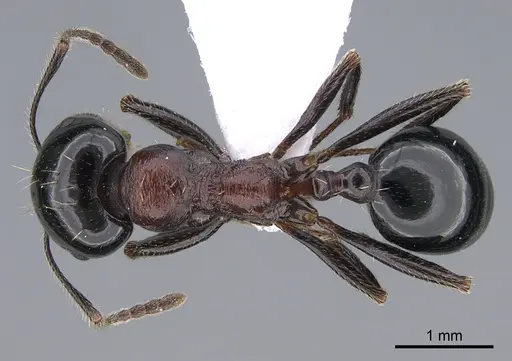
科学文献
正在加载分布地图...正在加载商品...