
Messor perantennatus
- 学名
- Messor perantennatus
- 族
- Stenammini
- 亚科
- Myrmicinae
- 命名者
- Arnol'di, 1970
- 地理分布
- 分布于 0 个国家/地区
物种引言
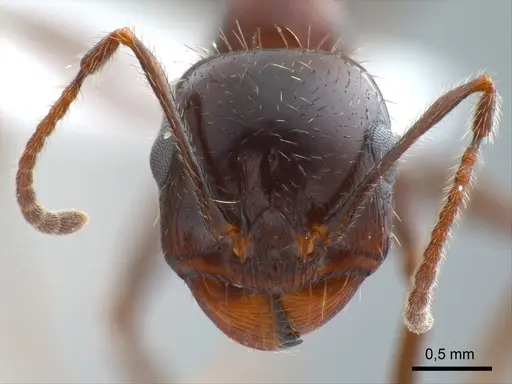
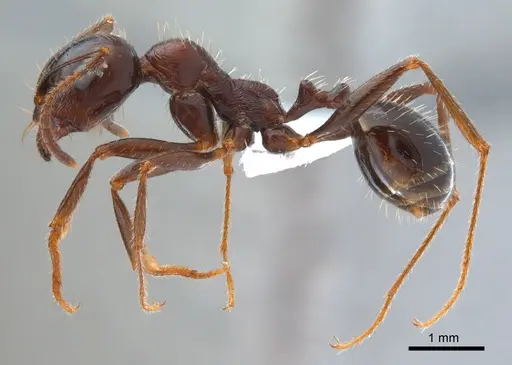
Messor perantennatus is a seed-harvester ant native to Central Asia, found across Turkmenistan, Iran, Kazakhstan, and northwestern China . This species inhabits arid to semi-arid steppe and forest-steppe zones, typically at elevations around 1500m . Workers are polymorphic with major workers having enlarged heads for seed processing, while minors handle foraging and brood care. Like other Messor species, they harvest and store seeds as their primary food source, making them one of the few ant genera that can thrive on a granivorous diet. This species is adapted to extreme continental climates with hot summers and cold winters across its range.
Quick Summary
- Difficulty: Medium
- Origin & Habitat: Central Asia, found in Turkmenistan, Iran (Alborz Range at 1536m altitude), northwestern China (Fukang), and Kazakhstan. Inhabits arid to semi-arid steppe and forest-steppe zones [3][2][1].
- Colony Type: Likely monogyne based on typical Messor genus patterns. Queens are claustral founders who seal themselves in and raise the first brood alone on stored body fat.
- Size & Growth:
- Queen: ~10-14mm, inferred from Messor genus patterns
- Worker: Polymorphic: minor workers ~4-6mm, major workers ~7-10mm, inferred from Messor genus patterns
- Colony: Several thousand workers at maturity, estimated based on genus patterns
- Growth: Moderate, seed-harvester colonies grow more slowly than purely predatory species due to the time needed to process seeds
- Development: ~8-12 weeks at optimal temperature, inferred from Messor genus patterns (Development is slower than many Myrmicinae due to granivorous diet. First workers (nanitics) are smaller and need time to develop into full-sized majors.)
- Antkeeping:
- Temperature: Keep at room temperature (18-24°C) with a slight warmth gradient. Around 20-22°C is ideal. They prefer cooler conditions than tropical ants.
- Humidity: Low to moderate, these are dry-region ants. Keep nest substrate relatively dry with occasional watering. Provide a water tube but do not over-moisten the nest.
- Diapause: Yes, as a temperate species from Central Asia, they require a winter rest period. Reduce temperature to 10-15°C for 3-4 months (roughly November to February). Stop feeding during deep diapause.
- Nesting: Messor ants do well in Y-tong (AAC) nests, plaster nests, or naturalistic setups with dry substrate. They prefer dark nests and do not need high humidity. A test tube setup works for founding colonies.
- Behavior: These ants are generally peaceful and not aggressive toward keepers. Workers are active foragers that search for seeds and bring them back to the nest for storage. Major workers use their enlarged heads to crack and process seeds. They are not known for stinging and pose no danger to humans. Escape risk is moderate, they are not tiny ants but can climb smooth surfaces.
- Common Issues: seed storage can lead to mold if humidity is too high, keep nesting area dry, colonies may refuse seeds initially if not accustomed, offer protein alongside until established, winter diapause is critical, skipping it weakens colonies over time, major workers are heavy and may fall from smooth surfaces, provide textured climbing paths, slow growth can frustrate beginners, seed-harvester colonies take time to expand
Nest Preferences and Housing
Messor perantennatus adapts well to various nest types. For founding colonies, a simple test tube setup works well, fill one end with water reservoir cotton, leave the rest dry, and place the queen in the dry portion. She will seal herself into a chamber and remain there until her first workers emerge. For established colonies, Y-tong nests are excellent because they stay dark and dry. Plaster nests also work well, though you must ensure the plaster cures completely and does not retain excess moisture. Naturalistic setups with a sand or soil mix are suitable but require more attention to humidity control. The key requirement is keeping the nest relatively dry, these ants come from arid regions and mold is their primary enemy. A small water tube for drinking is sufficient, they get most moisture from their food.
Feeding and Diet
As seed-harvester ants, Messor perantennatus primarily collects and stores seeds. In captivity, you can offer a variety of seeds including grass seeds, dandelion seeds, bird seed mixes, and commercial ant seed blends. Major workers will crack larger seeds using their powerful mandibles. However, do not rely solely on seeds, they also need protein for healthy brood development. Offer small insects like fruit flies, small mealworms, or cricket pieces periodically. Some colonies accept protein paste or cat food. Sugar water or honey can be offered occasionally but is not required since seeds contain carbohydrates. The key is variety: provide a constant supply of seeds plus protein 2-3 times per week. Remove uneaten seeds periodically to prevent mold.
Temperature and Seasonal Care
This species does best at moderate temperatures, aim for 18-24°C in the active season, with 20-22°C being ideal. They can tolerate temperatures down to 15°C and up to 30°C but avoid extremes. Room temperature is usually sufficient. In winter, they require a proper diapause period. Reduce temperatures to 10-15°C from roughly November through February (3-4 months total). During diapause, stop feeding the colony entirely or feed very sparingly. Do not feed during the coldest period. After winter, gradually warm the colony back up over 1-2 weeks. This seasonal cycling is essential for long-term colony health, colonies that skip diapause often decline over time. If you live in a warm climate without natural winter cooling, use a refrigerator or cool basement for winter storage.
Behavior and Colony Dynamics
Messor perantennatus colonies develop a clear division of labor. Minor workers handle most tasks: foraging, caring for brood, and feeding the queen. Major workers specialize in seed processing, they crack seeds open and prepare them for storage or consumption. This polymorphism becomes more pronounced as the colony grows. The colony will establish midden piles where they deposit seed husks and dead ants. These ants are not aggressive and rarely sting. They are primarily diurnal foragers, though they may adjust activity based on temperature. Workers communicate through chemical trails to food sources. A healthy colony will show constant activity at the foraging area.
Growth and Development
A founding queen will lay her first eggs within a week or two of being mated. She seals herself into a chamber and does not leave to forage, she survives entirely on her stored fat reserves (this is called claustral founding). Eggs develop through larvae and pupae before hatching into workers. This process takes approximately 8-12 weeks depending on temperature. The first workers are small and will begin foraging once they emerge. The colony grows gradually at first, expect 6-12 workers in the first year. Growth accelerates as the colony reaches several dozen workers, with majors appearing more frequently. A mature colony can contain thousands of workers and will produce alates in late summer or fall.
Frequently Asked Questions
How long does it take for Messor perantennatus to produce first workers?
Expect 8-12 weeks from egg to first worker at room temperature (around 20-22°C). The queen seals herself in and raises the first brood alone, so patience is essential during the founding stage.
What do Messor perantennatus ants eat?
They are seed-harvesters, offer various seeds (grass, dandelion, bird seed) as their primary food. They also need protein from small insects like fruit flies or mealworms. Seeds provide carbohydrates while insects provide protein for brood development.
Do Messor perantennatus ants need hibernation?
Yes, as a temperate Central Asian species, they require a winter rest period. Reduce temperature to 10-15°C for 3-4 months (roughly November to February). Stop feeding during deep diapause. This seasonal cycle is essential for long-term colony health.
Can I keep Messor perantennatus in a test tube?
Yes, test tubes work well for founding colonies. Use a standard test tube setup with a water reservoir at one end. Keep it horizontal in a dark place. Once the colony reaches 20-30 workers, consider moving them to a larger formicarium.
Are Messor perantennatus ants aggressive or do they sting?
No, they are generally peaceful and not aggressive toward keepers. They rarely sting and pose no danger to humans. They are considered one of the more docile ant genera to keep.
How big do Messor perantennatus colonies get?
Mature colonies can reach several thousand workers over several years. They are polymorphic, minor workers are around 4-6mm while major workers can reach around 7-10mm with enlarged heads for seed processing.
What humidity level do Messor perantennatus need?
Keep them relatively dry, these are arid-region ants. The nest should be dry with low humidity. A small water tube for drinking is sufficient. Avoid over-moistening the nest as mold is their primary enemy.
When should I move my Messor perantennatus to a formicarium?
Move them when the test tube becomes crowded or the colony reaches 20-40 workers. They do well in Y-tong nests, plaster nests, or naturalistic setups. Ensure the new enclosure is dry and dark.
Why is my Messor colony growing slowly?
Seed-harvester colonies naturally grow more slowly than predatory species. Ensure they have protein (insects) alongside seeds, proper temperature (18-24°C), and are not in too large a space. Also verify they are not in diapause period.
Report an Issue
The current care sheet is based fully on literature. See inconsistencies, or something that's incorrect? Please , it will be resolved after review from an admin. Contributing to the blogs tab also helps providing information, to make us be able to further improve the caresheets. Thank you for your support!
References

此饲养指南授权协议为 CC BY-SA 4.0 .
社区博客
ANTWEB1008074
在 AntWeb 上查看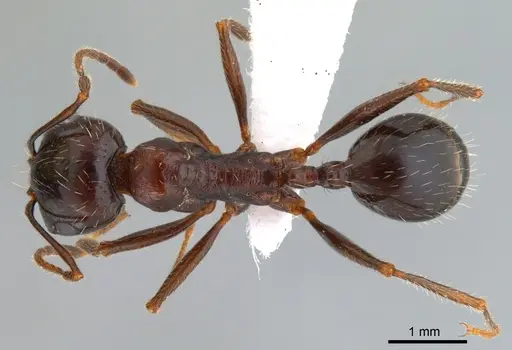
科学文献
正在加载分布地图...正在加载商品...