
Meranoplus barretti
- 学名
- Meranoplus barretti
- 族
- Crematogastrini
- 亚科
- Myrmicinae
- 命名者
- Santschi, 1928
- 地理分布
- 分布于 0 个国家/地区
物种引言
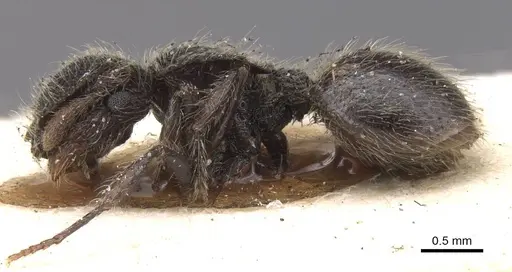
Meranoplus barretti is a small myrmicine ant species described by Santschi in 1928,found exclusively in Victoria, Australia. Workers are typical of the genus Meranoplus, known for their distinctive shield-like appearance and compact body shape. This species is part of the M. froggatti complex, a group of closely related Australian Meranoplus species. The type specimens were collected from Elsternwick in Victoria. Meranoplus species defend by smearing venom onto enemies using a modified flattened stinger rather than piercing . Little specific research exists on this species, so much of what keepers know comes from general Meranoplus genus behavior and observations of related species.
Quick Summary
- Difficulty: Unknown, limited data available
- Origin & Habitat: Victoria, Australia, known only from the type locality Elsternwick in Melbourne [1][2]
- Colony Type: Unconfirmed, colony structure has not been documented for this specific species
- Size & Growth:
- Queen: size data unavailable
- Worker: size data unavailable
- Colony: Unknown, no colony size data exists for this species
- Growth: Unknown, growth rate has not been studied
- Development: Unknown, no species-specific data available (Development timeline has not been documented for this species.)
- Antkeeping:
- Temperature: No specific thermal studies exist for this species, use standard room temperature and observe colony behavior
- Humidity: No specific humidity data exists, Australian Meranoplus species typically prefer well-drained conditions
- Diapause: Unknown, winter behavior has not been documented. Victoria experiences cool winters, so some form of cool period may be appropriate
- Nesting: No specific nesting data exists. Based on genus patterns, they likely nest in soil or under stones. Standard test tube setups work well for founding colonies
- Behavior: Behavior is poorly documented for this specific species. Based on genus Meranoplus patterns, they are ground-dwelling ants with moderate activity levels. Workers are small. Their defense mechanism involves smearing venom onto enemies rather than stinging. Escape prevention should be taken seriously due to their small size.
- Common Issues: limited data means care is based on genus-level estimates rather than species-specific research, no confirmed information on founding behavior or colony development timelines, winter care requirements are unknown, specific dietary preferences have not been documented, size data unavailable for both queens and workers
Species Background and Identification
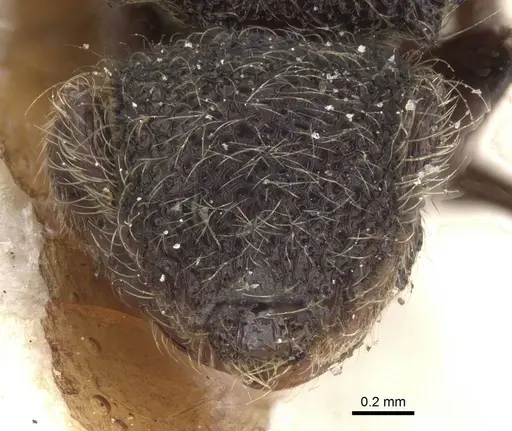
Meranoplus barretti is a poorly studied ant species endemic to Victoria, Australia. It was described by Santschi in 1928 from specimens collected in Elsternwick. The species is recognized as part of the M. froggatti complex, a group of Australian Meranoplus species that share similar morphological characteristics. The genus Meranoplus is known for its compact, often somewhat flattened body shape, and workers typically have distinctive features that help differentiate species. However, specific identification of M. barretti requires examination of type specimens or expert verification. This species remains poorly documented in scientific literature, with limited information available beyond the original description and taxonomic placement. [1]
Housing and Nesting
No specific nesting data exists for Meranoplus barretti. Based on general Meranoplus biology, they likely nest in soil or under stones in their natural habitat in Victoria, Australia. For captive care, standard test tube setups work well for founding colonies. The test tube should have a water reservoir section and a dry landing area for the queen and brood. Because this species is small, ensure that the cotton plug is packed firmly to prevent escapes. As the colony grows, you may consider moving them to a small formicarium with appropriately sized chambers. [2]
Feeding and Diet
Specific dietary preferences for Meranoplus barretti have not been documented. Based on typical Meranoplus and general Myrmicinae behavior, they likely feed on honeydew from aphids and scale insects, along with small insects and other protein sources. For captive colonies, offer a combination of sugar water or honey as an energy source, and small protein items such as fruit flies, small mealworms, or other appropriately sized insects. Start with small amounts and observe what the colony accepts. Remove uneaten protein within 24-48 hours to prevent mold issues. [2]
Temperature and Seasonal Care
No specific temperature requirements have been documented for Meranoplus barretti. As a species from Victoria, Australia, it likely experiences seasonal temperature variations in its natural habitat. Victoria has cool winters with temperatures sometimes dropping near freezing, so the species may benefit from a cool period during winter months. Use standard room temperature and observe colony activity and development. Adjust based on how the colony responds. [1][2]
Colony Development and Growth
No specific development timeline exists for Meranoplus barretti. Initial colony growth is typically slow as the queen raises her first brood alone. Once the first workers emerge, colony development usually accelerates as workers help with foraging and brood care. The maximum colony size for this species is unknown. Patience is essential during the founding stage, do not disturb the queen or move the nest unnecessarily. [2]
Frequently Asked Questions
How long does it take for Meranoplus barretti to produce first workers?
The exact timeline is unknown for this species. No documented development data exists.
What do Meranoplus barretti ants eat?
Specific dietary preferences are unconfirmed. Based on genus patterns, they likely accept sugar sources and small protein items. Offer a variety and observe what your colony accepts.
What temperature should I keep Meranoplus barretti at?
No specific requirements exist. Use standard room temperature and adjust based on colony behavior.
Do Meranoplus barretti ants need hibernation?
Winter requirements are unknown for this species. Victoria has cool winters, so a cool period during winter months may be appropriate, though this is unconfirmed.
Is Meranoplus barretti good for beginners?
Difficulty level cannot be determined due to limited species-specific data. This species is not commonly kept, and much of the care information must be inferred from genus-level knowledge. Experienced antkeepers familiar with Myrmicinae species may have better success establishing colonies.
How big do Meranoplus barretti colonies get?
Maximum colony size is unknown. No documented data exists for this species.
Can I keep multiple Meranoplus barretti queens together?
Colony structure has not been documented for this species. Do not combine unrelated queens unless you have specific information indicating this is safe.
Does Meranoplus barretti sting?
Most Meranoplus species defend by smearing venom onto enemies using a modified stinger rather than piercing. Handle with care regardless.
Where is Meranoplus barretti found in the wild?
This species is known only from Victoria, Australia. The type locality is Elsternwick in Melbourne. It is part of the M. froggatti species complex.
When do Meranoplus barretti alates (new queens) appear?
Nuptial flight timing is unknown. No documentation exists for when sexuals are produced or when mating flights occur.
Report an Issue
The current care sheet is based fully on literature. See inconsistencies, or something that's incorrect? Please , it will be resolved after review from an admin. Contributing to the blogs tab also helps providing information, to make us be able to further improve the caresheets. Thank you for your support!
References

此饲养指南授权协议为 CC BY-SA 4.0 .
社区博客
CASENT0913019
在 AntWeb 上查看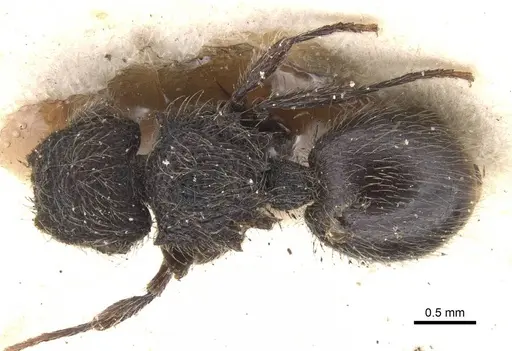
科学文献
正在加载分布地图...正在加载商品...