
Lophomyrmex striatulus
- 学名
- Lophomyrmex striatulus
- 族
- Crematogastrini
- 亚科
- Myrmicinae
- 命名者
- Rigato, 1994
- 地理分布
- 分布于 0 个国家/地区
物种引言
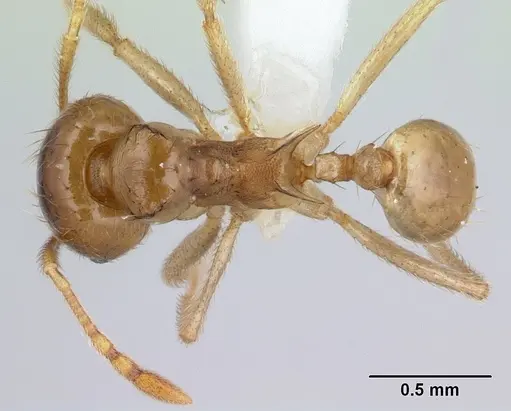
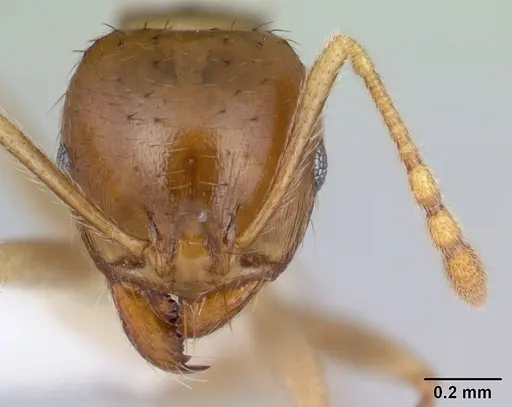
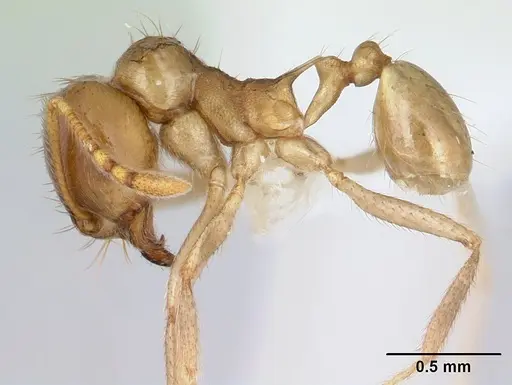
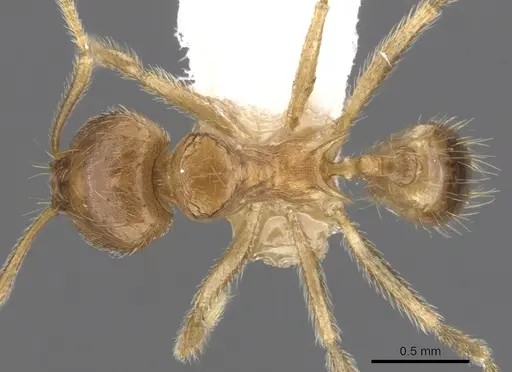
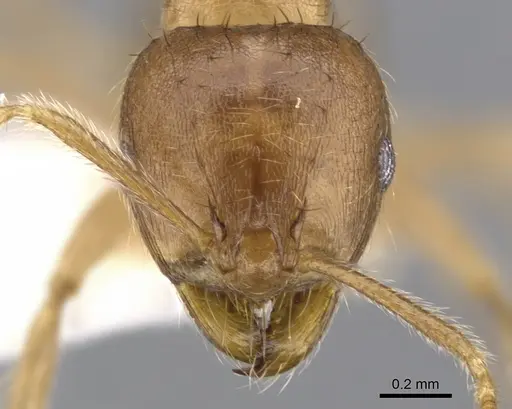
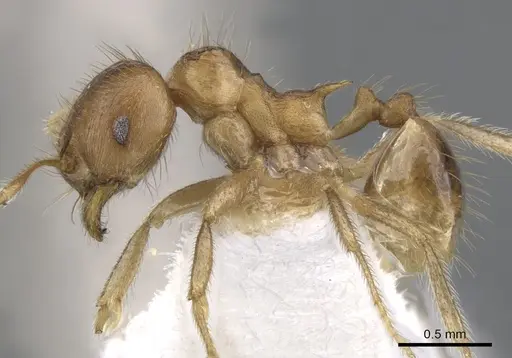
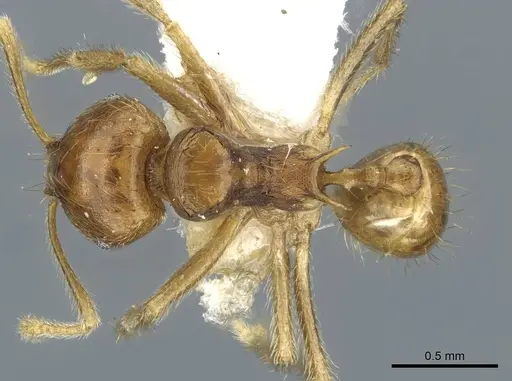
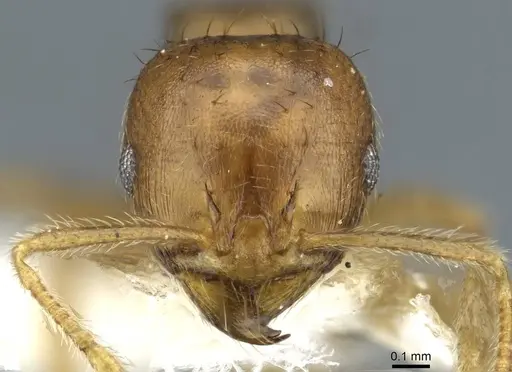
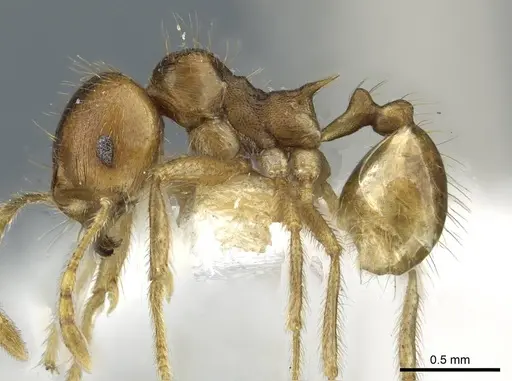
Lophomyrmex striatulus is a tiny myrmicine ant endemic to eastern Thailand, one of the smallest ants you'll encounter in the hobby at just 2.8-3.1mm for workers . Workers are light yellowish brown with a distinctly reticulate (net-like) sculptured body and dense long hairs covering their form . The genus Lophomyrmex belongs to the tribe Crematogastrini and this species belongs to the bedoti species-group, distinguished by having one or two short longitudinal rugulae running backward from the humeral hair insertion . These ants are extremely rare in the hobby since they're only found in a limited region of Thailand and nothing has been documented about their captive care.
Quick Summary
- Difficulty: Unknown, likely Medium
- Origin & Habitat: Eastern Thailand (Chachoengsao, Sa Kaeo, Chanthaburi). Found in dry evergreen forest and rainforest at low elevations [1].
- Colony Type: Unconfirmed colony structure, no documented studies exist for this species.
- Size & Growth:
- Antkeeping:
- Temperature: Keep around 24-28°C, they come from tropical Thailand so warmth is important. A gentle gradient allowing them to move between warmer and cooler areas is ideal.
- Humidity: Moderate to high, they inhabit rainforest and dry evergreen forest in eastern Thailand. Keep nest substrate moist but not waterlogged, with some drier areas available.
- Diapause: Unlikely, being a tropical species from Thailand, they probably do not require a hibernation period. Maintain warm conditions year-round.
- Nesting: Soil-nesting species, will do well in test tubes with moist cotton as a starting setup, or a Y-tong/plaster nest with soil chambers. They prefer tight, enclosed spaces scaled to their tiny size.
- Behavior: No documented behavior studies exist for this species. Based on genus typical patterns, they are likely active foragers that hunt small arthropods. Their small size (under 3mm) makes them vulnerable and they will likely flee rather than fight when threatened. Escape prevention is critical due to their tiny size, they can squeeze through remarkably small gaps.
- Common Issues: no documented biology makes care unpredictable, tiny size means escape prevention must be excellent, they can slip through standard test tube barriers, no information on founding behavior, this is unconfirmed, wild-caught colonies may have parasites since nothing is known about their health in captivity, no confirmed diet acceptance, must experiment with prey items
Appearance and Identification
Lophomyrmex striatulus workers are among the smallest ants in the antkeeping hobby, measuring just 2.8-3.1mm [1][2]. Their body is light yellowish brown with a distinctly reticulate (net-like) sculptured surface that appears dull or matte under magnification [1]. The head is subrectangular (slightly longer than wide), and they have large eyes relative to their head size. Their most distinctive feature is the presence of one or two short longitudinal rugulae (ridge-like structures) running backward from the insertion of the humeral hair on the pronotum, this distinguishes them from their closest relative Lophomyrmex ambiguus which lacks these structures [3]. Their body is covered in dense long hairs, giving them a somewhat fuzzy appearance. Queens have not been described in the scientific literature, so no measurements exist for them.
Natural History and Distribution
This species is endemic to eastern Thailand, meaning it's found nowhere else in the world [1]. Known distribution is restricted to a handful of provinces: Chachoengsao (Tha Takiap), Sa Kaeo (Wang Nam Yen), and Chanthaburi (Khlong, Soi Dao, Pong Nam Ron) [1]. They inhabit both dry evergreen forest and rainforest environments at low elevations. Nests are constructed in soil, and they are predators of other arthropods [1]. The limited distribution and specialized habitat preferences make this a rarely encountered species even in its native range.
Housing and Nest Setup
Since this is a soil-nesting species that measures under 3mm, you'll need to use appropriately scaled housing. A standard test tube setup works well as a founding chamber, use a small test tube with a water reservoir at one end secured with cotton. For established colonies, a Y-tong or plaster nest with narrow chambers works well. The key is providing chambers tight enough that the tiny workers feel secure, spaces that are too large can stress them. Ensure your setup has excellent escape prevention because their small size allows them to slip through gaps that would hold larger ants. Apply fluon or use tight-fitting lids on all connections. [1]
Feeding and Diet
In their natural habitat, Lophomyrmex striatulus preys on other arthropods [1]. For captive care, offer small live prey items appropriate to their tiny size: fruit flies, pinhead crickets, small mealworms, and other micro-arthropods. Since nothing is documented about their diet preferences, you'll need to experiment to see what they accept. Start with small live prey and observe feeding behavior. Sugar sources may or may not be accepted, some Myrmicinae take honey or sugar water while others ignore sweet foods. Offer protein prey 2-3 times per week and remove any uneaten prey within 24 hours to prevent mold issues.
Temperature and Humidity
Being a tropical species from Thailand, these ants need warm conditions. Maintain temperatures in the range of 24-28°C. A heating cable on one side of the nest creating a gentle gradient allows the colony to regulate their own temperature. For humidity, aim for moderate to high levels, their natural habitat includes rainforest areas with good moisture. Keep the nest substrate consistently moist but not waterlogged. Allow some variation so they can choose between damper and drier areas. Being from a tropical region, they likely do not require any diapause or winter cooling period, keep them warm year-round. [1]
Colony Development Expectations
No documented information exists about colony development for this species. Queens have not been described in scientific literature, so founding behavior is unconfirmed. Development from egg to worker is unconfirmed, no studies exist for this species. Expect slow initial growth, founding colonies of tiny species often take months to produce their first nanitic workers. Colony size in the wild is unknown. [1][2]
Frequently Asked Questions
How long does it take for Lophomyrmex striatulus to produce first workers?
This is unconfirmed since no development studies exist for this species. Without documented data, expectations are speculative.
Can I keep Lophomyrmex striatulus in a test tube?
Yes, a test tube setup works well for founding colonies. Use a small test tube with a water reservoir. The key is ensuring excellent escape prevention since these ants are tiny (under 3mm) and can slip through standard barriers. Apply fluon to tube edges and use tight-fitting cotton stops.
What do Lophomyrmex striatulus ants eat?
They are predators of arthropods in the wild. Feed small live prey like fruit flies, micro-arthropods, small mealworms, or pinhead crickets. Sugar sources may or may not be accepted, experiment with small amounts of honey or sugar water. Remove uneaten prey within 24 hours.
Do Lophomyrmex striatulus ants need hibernation?
Unlikely, being a tropical species from Thailand, they probably do not require a diapause period. Keep them warm year-round at 24-28°C. There is no documented overwintering behavior for this species.
Are Lophomyrmex striatulus good for beginners?
This species is not recommended for beginners due to the complete lack of documented care information. Nothing is known about their founding behavior, diet acceptance, or colony development in captivity. You will be essentially pioneering their care, which requires experience with antkeeping fundamentals.
How big do Lophomyrmex striatulus colonies get?
Colony size is unknown, no documented colony size data exists for this species.
Do Lophomyrmex striatulus queens fight?
Colony structure is unconfirmed for this species. No information exists about whether they are monogyne (single queen) or polygyne (multiple queens).
Why are my Lophomyrmex striatulus dying?
Without any documented captive care information, mortality causes are speculative. Common issues with poorly-studied species include: temperature too cold (keep at 24-28°C), humidity wrong (keep moist but not wet), escape deaths (tiny ants slip through barriers), or stress from too-large housing. Wild-caught colonies may also carry parasites unknown to science.
What temperature should I keep Lophomyrmex striatulus at?
Keep nest temperatures around 24-28°C. They are from tropical Thailand so warmth is essential. A heating cable on part of the nest creating a gentle gradient allows the colony to choose their preferred temperature zone.
Report an Issue
The current care sheet is based fully on literature. See inconsistencies, or something that's incorrect? Please , it will be resolved after review from an admin. Contributing to the blogs tab also helps providing information, to make us be able to further improve the caresheets. Thank you for your support!
References

此饲养指南授权协议为 CC BY-SA 4.0 .
社区博客
科学文献
正在加载分布地图...正在加载商品...