
Leptogenys triloba
- 学名
- Leptogenys triloba
- 族
- Ponerini
- 亚科
- Ponerinae
- 命名者
- Emery, 1901
- 地理分布
- 分布于 0 个国家/地区
物种引言
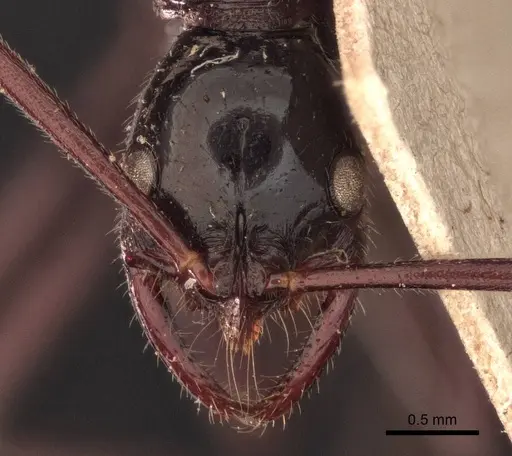
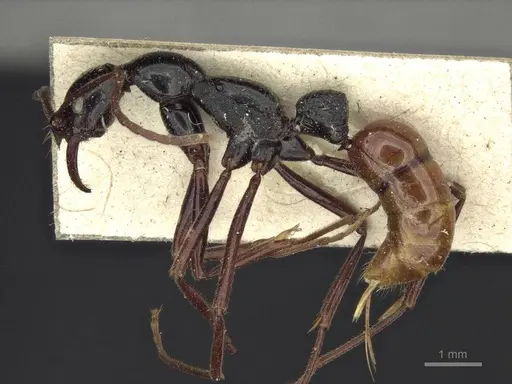
Leptogenys triloba is a predatory ponerine ant described from New Guinea by Emery in 1901 . Workers have slender bodies typical of the Leptogenys genus . This species is found in tropical rainforest environments in New Guinea . The genus is known for its hunting behavior where workers chase down prey like small invertebrates and isopods . This species remains poorly studied in captivity, with care knowledge based on general Leptogenys patterns .
Quick Summary
- Difficulty: Medium
- Origin & Habitat: New Guinea tropical rainforest environment [1]
- Colony Type: Unconfirmed, no specific data on queen number for this species.
- Size & Growth:
- Queen: Unknown, inferred from Leptogenys genus (~8-12 mm)
- Worker: Unknown, inferred from Leptogenys genus (~5-8 mm)
- Colony: Unknown, no data on maximum colony size
- Growth: Moderate, inferred from related ponerine species
- Development: Estimated 6-10 weeks at optimal temperatures, based on typical Ponerinae development [1] (Development time is estimated from related species, specific data for L. triloba is unavailable)
- Antkeeping:
- Temperature: Keep at 24-28°C. These are tropical ants requiring warm, stable conditions [1].
- Humidity: High humidity required, keep the nest substrate consistently moist but not waterlogged [1].
- Diapause: No, tropical species do not typically require hibernation [1].
- Nesting: In nature, they likely nest in soil or rotting wood in shaded forest areas [1]. A naturalistic setup with moist substrate or a plaster nest works well.
- Behavior: These are active, predatory ants with a strong hunting instinct [1]. Workers are fast-moving and will chase down live prey. They are not aggressive toward humans but will defend the nest if threatened. Escape prevention should be good due to their size, but their speed means gaps should be minimized [1].
- Common Issues: high humidity maintenance is critical, drying out kills colonies quickly, live prey is essential, they are obligate predators and won't accept dead food, slow colony growth may frustrate beginners, tropical temperature requirements mean room temperature may be insufficient in cooler climates, wild-caught colonies may have parasites that are difficult to treat in captivity
Housing and Nest Setup
You need a moist, naturalistic setup that mimics the damp forest floor of New Guinea [1]. Use a plaster nest or naturalistic soil substrate. Keep nest chambers appropriately sized for workers around 5-8 mm. Provide a water tube or moisture reservoir to keep the area damp. The outworld should be simple for offering live prey. Ensure all connections are secure and gaps are minimized to prevent escapes [1]. Avoid dry setups, this species will not thrive in arid conditions.
Feeding and Diet
You must offer live prey, as Leptogenys ants are obligate predators [1]. Provide small live insects like fruit flies, crickets, or isopods every 2-3 days. Remove uneaten prey after 24 hours to prevent mold. Dead food or sugar sources are not accepted as a primary diet [1].
Temperature and Humidity
Maintain temperatures between 24-28°C in the nest area [1]. Use a heating cable if needed, but avoid drying out the substrate. Humidity should remain high, the substrate should feel consistently moist but not waterlogged [1]. Condensation on nest walls indicates appropriate humidity.
Colony Development and Growth
Colonies grow slowly. The queen likely seals herself in during founding, but this is unconfirmed [1]. First workers emerge in an estimated 6-10 weeks at optimal temperatures. After that, growth is slow as workers take on foraging and brood care. Patience is essential, these ants are a long-term commitment [1].
Behavior and Temperament
Workers are active hunters with a strong predatory drive [1]. They move quickly when chasing prey and are not aggressive toward humans but will defend the nest if disturbed. They are primarily nocturnal, so activity may increase in the evening. Their speed is the main escape risk, so ensure enclosures are secure [1].
Frequently Asked Questions
How long does it take for Leptogenys triloba to produce first workers?
Estimated 6-10 weeks from egg to first worker at optimal temperatures (24-28°C), based on typical Ponerinae development [1]. Specific data for this species is unavailable.
Can I keep Leptogenys triloba in a test tube?
Test tubes can work for founding colonies, but monitor humidity carefully. These ants need consistently moist conditions, and test tubes can dry out or flood. A plaster nest with moisture control is more reliable for long-term keeping [1].
What do Leptogenys triloba eat?
They are obligate predators that require live prey. Offer small live insects like fruit flies, crickets, and isopods. They will not accept dead food or sugar sources as a primary diet [1].
Are Leptogenys triloba good for beginners?
This species is rated as medium difficulty. The requirement for live prey, high humidity, and tropical temperatures makes it less ideal for complete beginners. Those with some antkeeping experience should do well.
How big do Leptogenys triloba colonies get?
No data on maximum colony size is available for this species.
Do Leptogenys triloba need hibernation?
No, as a tropical species from New Guinea, they do not require hibernation. Maintain warm temperatures year-round [1].
When should I move Leptogenys triloba to a formicarium?
Move to a larger nest when the colony becomes cramped in the test tube. Ensure the new setup can maintain the humidity levels this species requires [1].
Why are my Leptogenys triloba dying?
Common causes include: drying out (most common), insufficient live prey, temperatures below 24°C, or mold from overfeeding. Check humidity levels first, the substrate should feel consistently moist.
Can I keep multiple Leptogenys triloba queens together?
This is not recommended. Leptogenys are typically single-queen colonies, and combining unrelated queens usually results in fighting.
Report an Issue
The current care sheet is based fully on literature. See inconsistencies, or something that's incorrect? Please , it will be resolved after review from an admin. Contributing to the blogs tab also helps providing information, to make us be able to further improve the caresheets. Thank you for your support!
References

此饲养指南授权协议为 CC BY-SA 4.0 .
社区博客
CASENT0916596
在 AntWeb 上查看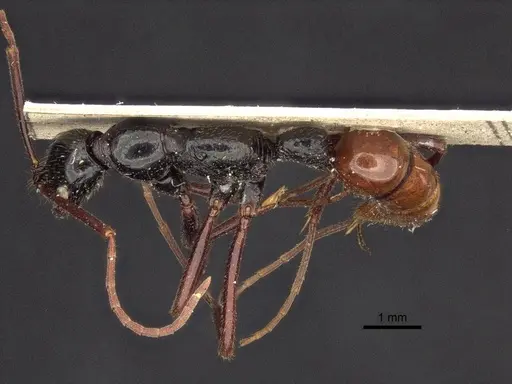
科学文献
正在加载分布地图...正在加载商品...