
Fulakora chilensis
- 学名
- Fulakora chilensis
- 族
- Amblyoponini
- 亚科
- Amblyoponinae
- 命名者
- Mayr, 1887
- 地理分布
- 分布于 0 个国家/地区
物种引言
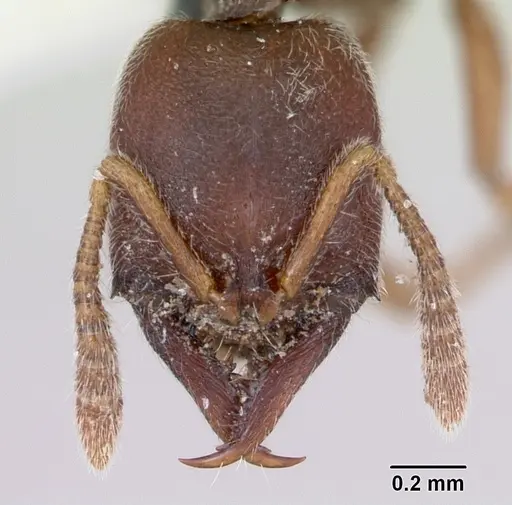
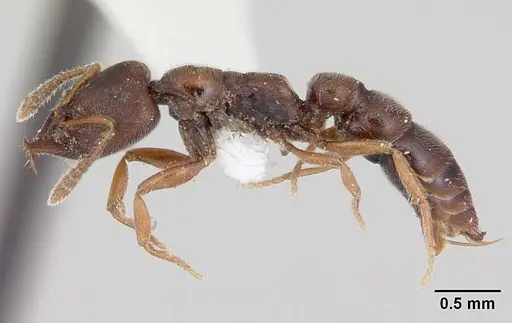
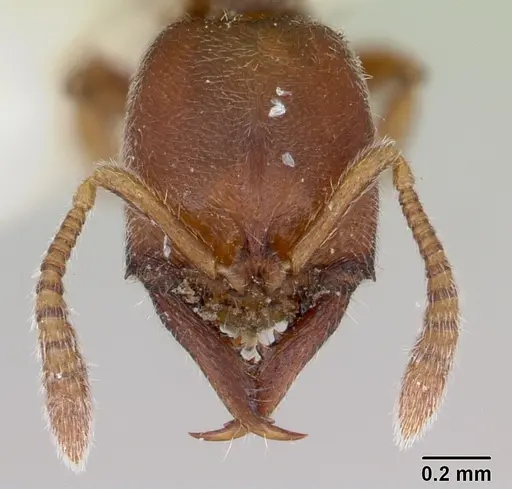
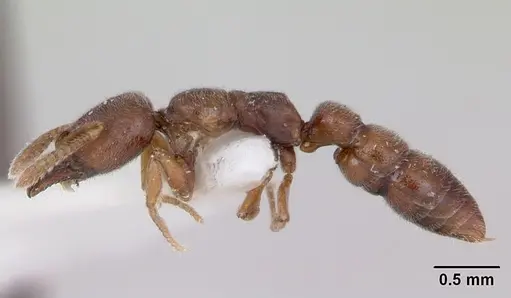
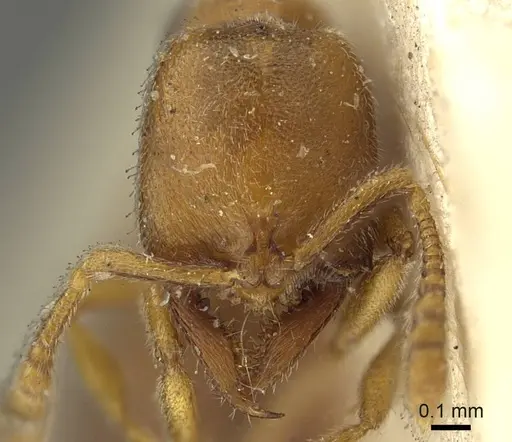
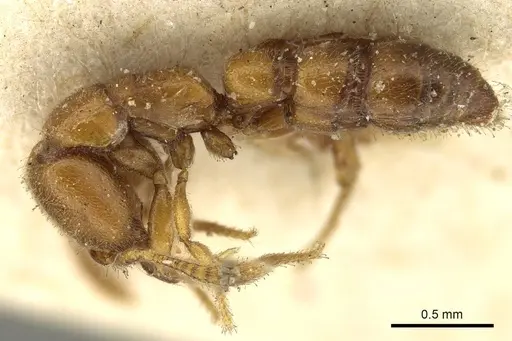
Fulakora chilensis is a small predatory ant native to Chile, specifically the Valdivia region. Workers measure 3.0-4.1 mm and queens 4.1-4.5 mm . They inhabit forest floor environments in temperate rainforests . The species has undergone taxonomic revisions, moving from Amblyopone to Stigmatomma and finally to Fulakora , and was previously misidentified as F. armigera . This species is known for its specialized predatory behavior, hunting small arthropods and centipedes. Like many Amblyoponinae, they may have a gamergate system where workers can reproduce, adding complexity to their social structure.
Quick Summary
- Difficulty: Medium
- Origin & Habitat: Native to Chile, Valdivia region, forest floor environments in temperate rainforests [3]
- Colony Type: Unconfirmed, but based on Amblyoponinae patterns, may have single queen with potential gamergate system.
- Size & Growth:
- Antkeeping:
- Temperature: Keep around 18-22°C. Based on temperate origin, a slight gradient is beneficial.
- Humidity: Keep nest substrate consistently moist but not waterlogged. Based on forest floor habitat.
- Diapause: Yes, require winter dormancy of 2-3 months at 10-15°C based on temperate origin.
- Nesting: Prefers moist, dark environments. Test tubes with water reservoirs or Y-tong/plaster nests work well.
- Behavior: Generally peaceful. Based on subfamily Amblyoponinae, they likely have a sting for defense, but specific data for this species is unavailable. Workers are small (3-4 mm), so escape prevention should be moderate. They are primarily nocturnal.
- Common Issues: High humidity requirements make them prone to mold if ventilation is poor., Specialized diet requires live prey, they may reject standard foods., Wild-caught colonies may contain parasites that can devastate the colony., Slow colony growth requires patience from keepers.
Housing and Nest Setup
Fulakora chilensis does well in test tube setups with water reservoirs to maintain high humidity. Keep the tube in a dark location as these ants prefer dark, humid environments. For formicariums, choose plaster or Y-tong nests with good moisture retention. Avoid dry setups to prevent stress. Keep setups away from direct sunlight and vibrations.
Feeding and Diet
As specialized predators, they need live prey such as fruit flies, pinhead crickets, and springtails. They may occasionally accept honey or sugar water but rely primarily on live insects. Feed 2-3 times per week, adjusting for colony size. Observe for 'dracula ant' behavior where they puncture brood to drink hemolymph, which is natural.
Temperature and Seasonal Care
Keep nest area at 18-22°C, room temperature is often suitable. During winter, provide a diapause period at 10-15°C for 2-3 months to mimic natural cycles. Reduce feeding during dormancy and expect minimal movement.
Behavior and Colony Dynamics
This species may exhibit a gamergate system where workers can reproduce if the queen dies, enhancing colony continuity. Workers are not aggressive and are safe to handle. They are primarily nocturnal, with activity during evening and night hours. Colonies remain relatively small compared to common ant species.
Frequently Asked Questions
How long does it take for Fulakora chilensis to produce first workers?
Estimated 6-10 weeks from egg to first worker at optimal temperature around 20°C, based on related Amblyoponinae species.
What do Fulakora chilensis eat?
They are specialized predators needing live prey like fruit flies, springtails, and tiny crickets. They may accept honey or sugar water occasionally but rely on live insects.
Do Fulakora chilensis ants sting?
Based on their subfamily Amblyoponinae, they likely have a sting for defense, but specific data for this species is unavailable. They are generally peaceful towards humans.
Are Fulakora chilensis good for beginners?
They are considered intermediate difficulty due to high humidity needs, specialized diet, and slower growth. Beginners should gain experience with easier species first.
How big do Fulakora chilensis colonies get?
Based on typical Amblyoponinae patterns, colonies may reach up to 100 workers at maturity.
Do Fulakora chilensis need hibernation?
Yes, as a temperate species, they require a winter dormancy of 2-3 months at cool temperatures (10-15°C).
Can I keep multiple Fulakora chilensis queens together?
This species is likely monogyne (single queen). Combining unrelated queens is not recommended and has not been documented.
What humidity level do Fulakora chilensis need?
High humidity is critical, keep nest substrate consistently moist but not waterlogged. Use test tubes with water reservoirs or mist regularly.
When should I move Fulakora chilensis to a formicarium?
Wait until the colony has at least 20-30 workers. Test tube setups work well long-term, so move only when necessary and maintain similar humidity.
Why is my Fulakora chilensis colony declining?
Common causes include low humidity leading to mold, lack of live prey, incorrect temperature, parasites from wild-caught colonies, or excessive disturbance. Adjust care accordingly.
Report an Issue
The current care sheet is based fully on literature. See inconsistencies, or something that's incorrect? Please , it will be resolved after review from an admin. Contributing to the blogs tab also helps providing information, to make us be able to further improve the caresheets. Thank you for your support!
References

此饲养指南授权协议为 CC BY-SA 4.0 .
社区博客
ANTWEB1008496
在 AntWeb 上查看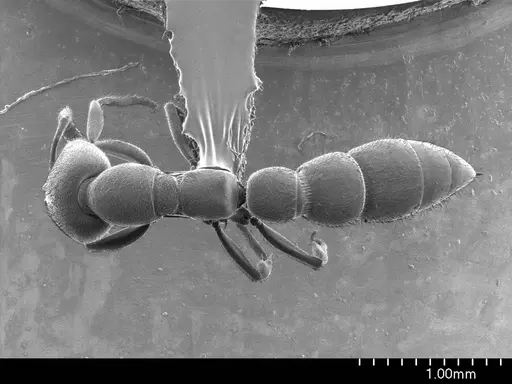
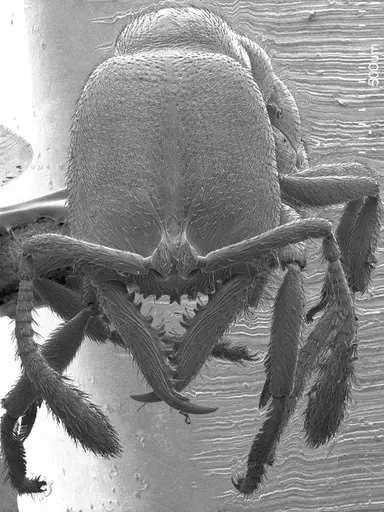
CASENT0172193
在 AntWeb 上查看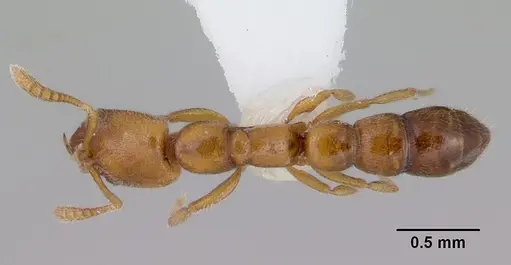
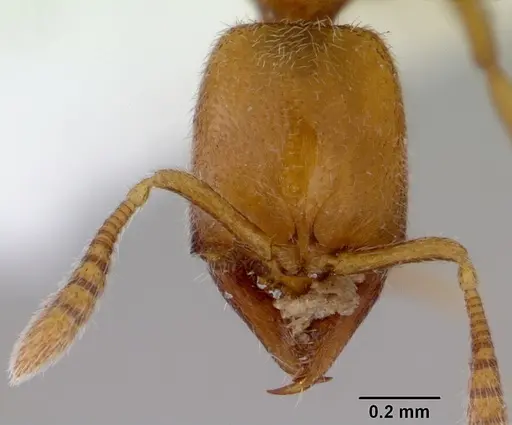
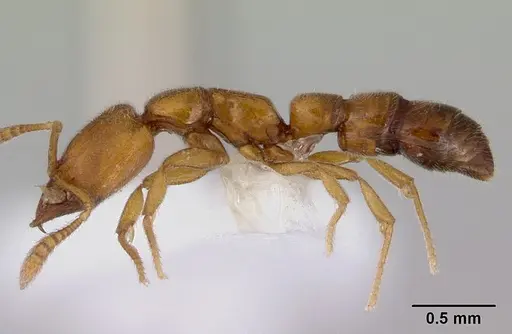
CASENT0172397
在 AntWeb 上查看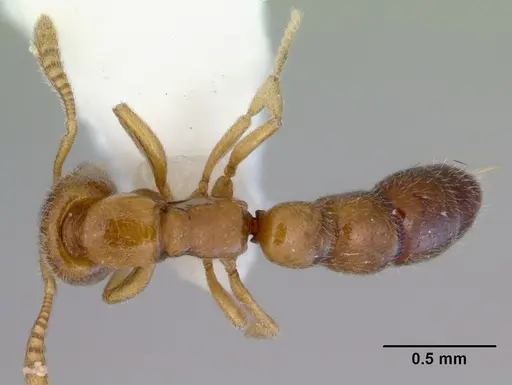
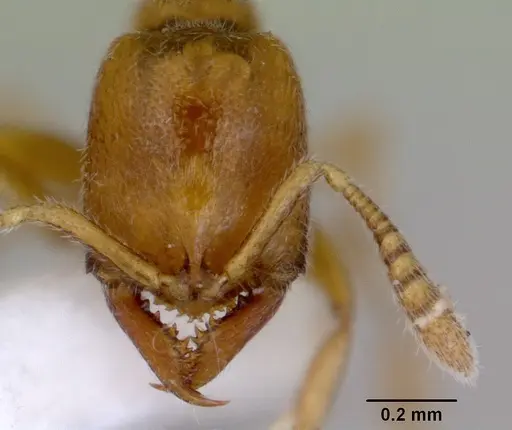
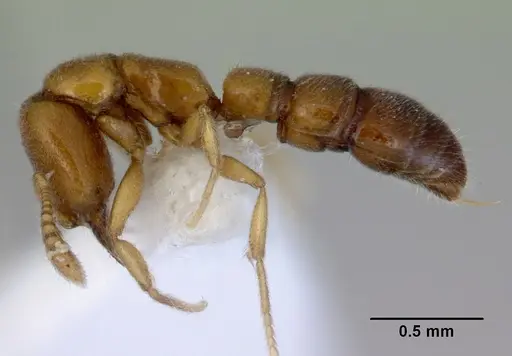
CASENT0172814
在 AntWeb 上查看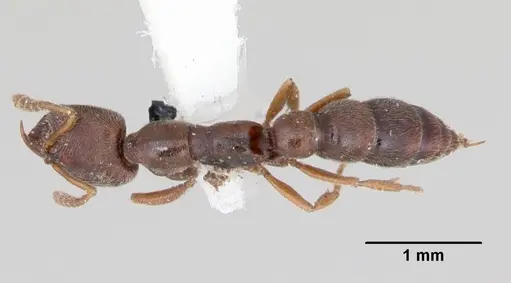
CASENT0172815
在 AntWeb 上查看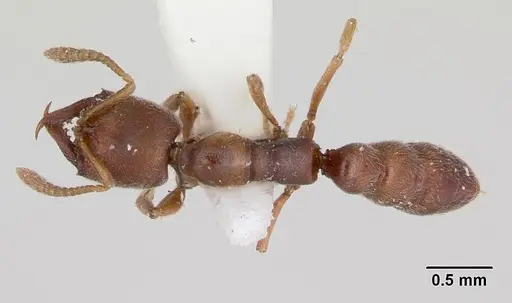
CASENT0915648
在 AntWeb 上查看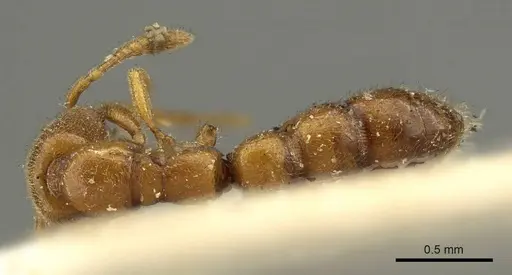
科学文献
正在加载分布地图...正在加载商品...