
Eurhopalothrix isabellae
- 学名
- Eurhopalothrix isabellae
- 族
- Attini
- 亚科
- Myrmicinae
- 命名者
- Mann, 1919
- 地理分布
- 分布于 0 个国家/地区
物种引言
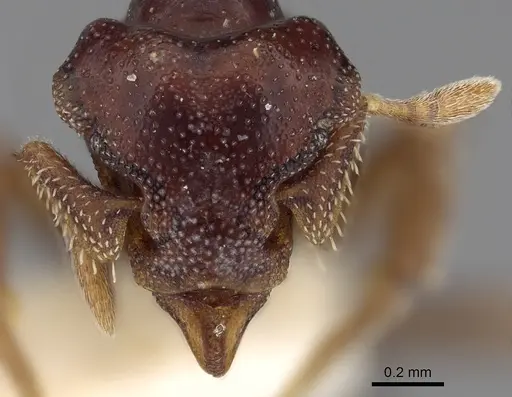
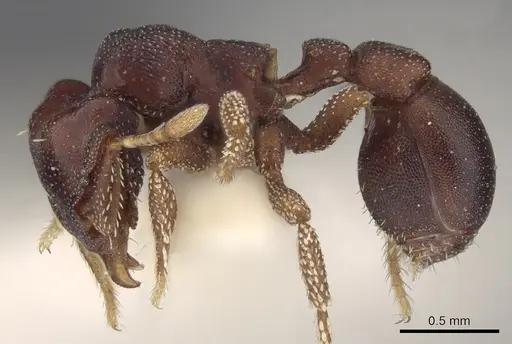
Eurhopalothrix isabellae is a tiny, cryptic ant species native to the Solomon Islands (Ysabel, Makira, and Guadalcanal). Workers measure approximately 3mm and are dark brown to black with reddish legs, mandibles, and antennae. Their most distinctive feature is their heavily sculptured body and uniquely shaped mandibles, which are strongly constricted at the basal third, giving them a slender appearance. The head is slightly broader than long with a deeply excavated occipital border, and the mesosomal sculpturation is notably heavier than related species. These ants belong to the tribe Attini. They are rarely encountered in the wild due to their cryptic, forest-floor lifestyle, typically found nesting beneath logs in humid forest habitats [AntWiki].
Quick Summary
- Difficulty: Expert
- Origin & Habitat: Solomon Islands (Ysabel, Makira, Guadalcanal), found in forest habitat beneath logs [1][2][3]
- Colony Type: Colony structure is unconfirmed. Based on genus-level patterns, likely single-queen colonies with small worker populations.
- Size & Growth:
- Queen: Size data unavailable, queens have not been described in available literature
- Worker: Approximately 3mm, inferred from Taylor 1968 worker measurements [3]
- Colony: Likely small, under 100 workers based on typical Eurhopalothrix patterns
- Growth: Likely slow, small species with extended development
- Development: Unknown, no development data available for this species (No direct development data available.)
- Antkeeping:
- Temperature: Keep warm at 24-28°C, Solomon Islands are tropical with year-round warmth
- Humidity: High humidity required, forest floor species from humid tropical forest. Keep nest substrate consistently moist but not waterlogged.
- Diapause: Unlikely, tropical species that probably remains active year-round
- Nesting: Natural nesting is beneath logs in forest soil. In captivity, a small test tube setup or small nest with moist substrate works well. They need tight, humid chambers scaled to their tiny size.
- Behavior: Very cryptic and docile. Workers are small and slow-moving. Escape risk is moderate due to their small size, standard barriers recommended. They possess a functional stinger but are not aggressive and unlikely to use it due to their docile nature.
- Common Issues: tropical species may struggle in cooler climates without heating, small colony size means slow population growth, patience required, humidity must be maintained or colonies can desiccate, escape prevention needed due to tiny worker size
Basic Biology
Eurhopalothrix isabellae is a small, cryptic ant species native to the Solomon Islands in Oceania. Workers are approximately 3mm in total length and are dark brown to black in color, with reddish legs, mandibles, and antennae. The species was first described in 1919 by Mann and was later transferred to the genus Eurhopalothrix by Brown and Kempf in 1960. The most distinctive morphological features include heavily sculptured body surfaces and uniquely shaped mandibles that are strongly constricted at the basal third, giving them a slender, tweezer-like appearance. The head is slightly broader than long with a deeply excavated occipital border. These ants are found in forest habitats, typically beneath logs where they nest in the humid forest floor environment [1][2][3].
Housing and Nest Setup
These tiny ants need a small, humid nest setup. A test tube setup with a water reservoir works well for founding colonies, but you may need to upgrade to a small nest or custom setup as the colony grows. The nest chambers should be appropriately sized for their tiny workers, tight spaces help them feel secure. Maintain high humidity by keeping the water reservoir filled and ensuring the nest area stays moist. A small outworld area can be included for foraging, but keep it simple. Escape prevention is important, while not strong climbers, their small size means they can slip through tiny gaps.
Temperature and Humidity Requirements
Being from the Solomon Islands, Eurhopalothrix isabellae requires warm, humid conditions. Keep the nest at 24-28°C year-round. A small heating cable or mat on one side of the nest can help maintain these temperatures, but always provide a temperature gradient so ants can self-regulate. High humidity is critical, aim for high relative humidity in the nest area. The forest floor habitat they occupy is consistently humid, and drying out can be fatal. Use a water reservoir system and consider occasional misting of the outworld, but avoid direct spraying on the nest.
Feeding and Nutrition
The specific dietary requirements of Eurhopalothrix isabellae are not well documented in available literature. While the species belongs to the tribe Attini (which includes fungus-growing ants), there is no confirmed data that this particular species cultivates fungus. In captivity, a varied diet including small insects and sugar water is recommended. Observe your colony's preferences and adjust accordingly. Avoid overfeeding as small colonies can be overwhelmed by excess food.
Colony Development and Growth
Colony growth is likely slow, as is typical for small tropical species with small worker populations. The first workers (nanitics) will be very small and may take several months to emerge after the queen lays her first eggs. Unlike fast-growing species that can reach hundreds of workers in a year, Eurhopalothrix colonies likely max out at relatively small sizes, probably under 100 workers even in mature colonies. This means you should expect slow, gradual growth and not overfeed or over-expand the nest. Patience is essential with this species.
Frequently Asked Questions
How long does it take for Eurhopalothrix isabellae to produce first workers?
Exact development time is unknown for this species. Based on related small tropical ants, expect several months from egg to worker at optimal temperatures (24-28°C).
What do Eurhopalothrix isabellae eat?
Specific dietary requirements are not well documented. Based on related species, they likely accept small insects and sugar water. Observe your colony's preferences.
Can I keep Eurhopalothrix isabellae in a test tube?
Yes, a test tube setup works well for founding colonies. Keep it humid and warm. You may need to upgrade to a small nest as the colony grows.
Are Eurhopalothrix isabellae good for beginners?
No. This is an expert-level species due to their specialized biology, high humidity requirements, and the need for specific conditions that differ from most commonly kept ants.
How big do Eurhopalothrix isabellae colonies get?
Based on typical Eurhopalothrix patterns, colonies likely remain small, probably under 100 workers even at maturity. They are not large colony builders.
Do Eurhopalothrix isabellae need hibernation?
No. Being a tropical species from the Solomon Islands, they do not require hibernation and should be kept warm year-round.
What temperature should I keep Eurhopalothrix isabellae at?
Keep them at 24-28°C. Being from a tropical island environment, they need consistent warmth. A small heating setup on one side of the nest can help maintain these temperatures.
Why is my Eurhopalothrix isabellae colony dying?
Common causes include: too low humidity, too cool temperatures, or improper feeding. Review your humidity and temperature settings first.
Can I keep multiple queens together?
Combining unrelated queens has not been documented for this species. Based on typical ant behavior, this is not recommended as queens would likely fight.
Report an Issue
The current care sheet is based fully on literature. See inconsistencies, or something that's incorrect? Please , it will be resolved after review from an admin. Contributing to the blogs tab also helps providing information, to make us be able to further improve the caresheets. Thank you for your support!
References

此饲养指南授权协议为 CC BY-SA 4.0 .
社区博客
CASENT0280772
在 AntWeb 上查看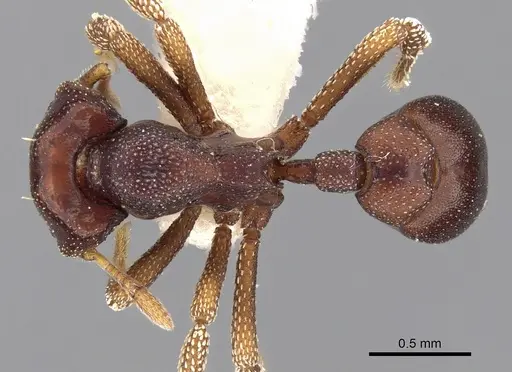
科学文献
正在加载分布地图...正在加载商品...