
Eciton setigaster
- 学名
- Eciton setigaster
- 亚科
- Dorylinae
- 命名者
- Borgmeier, 1953
- 地理分布
- 分布于 0 个国家/地区
物种引言
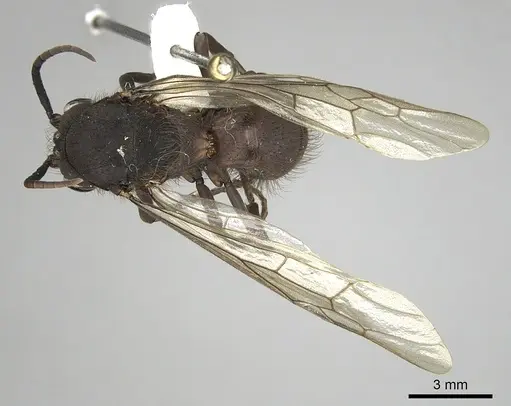
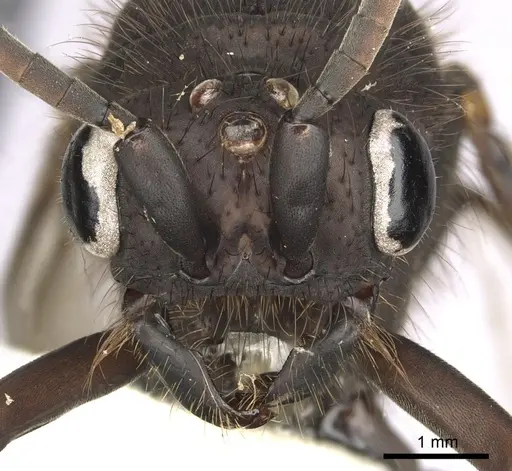
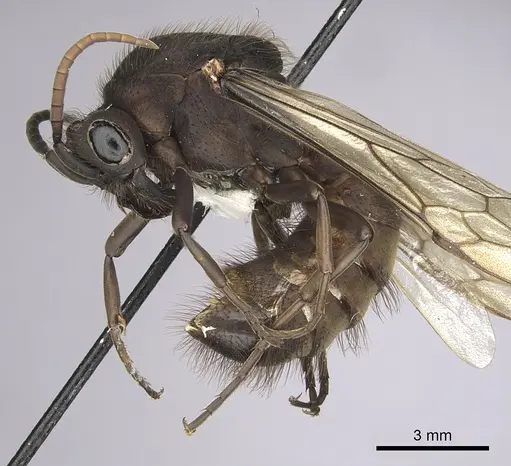
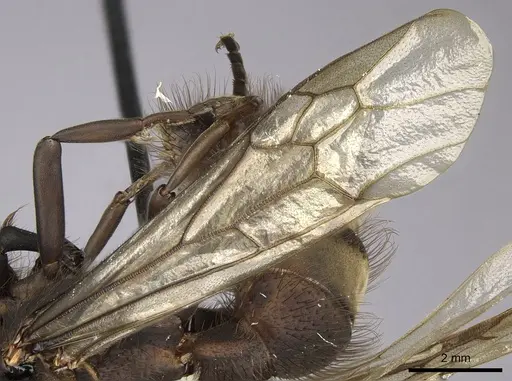
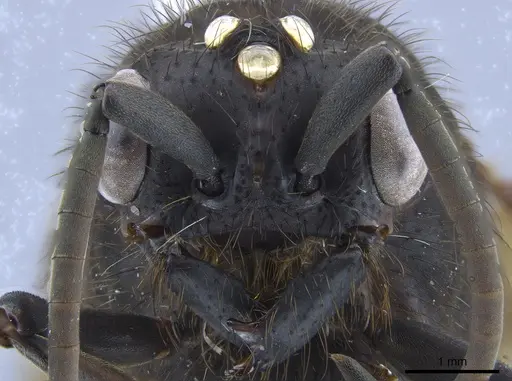
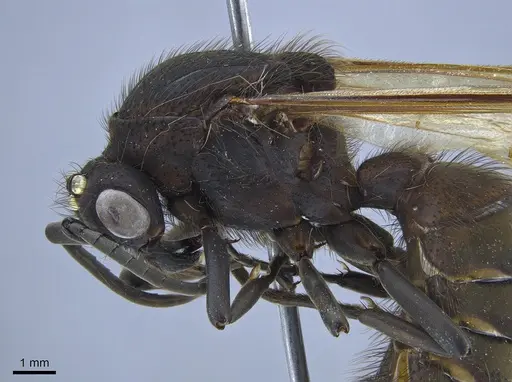
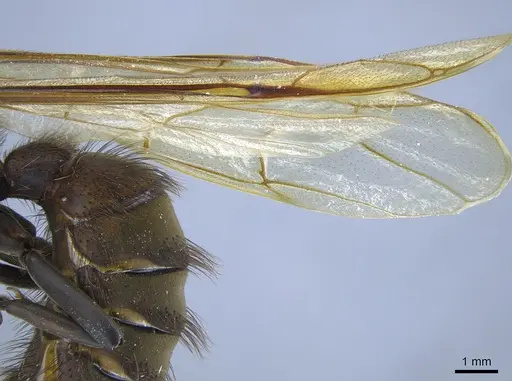
Eciton setigaster is a Neotropical army ant species known only from male specimens collected across the Amazon basin of Bolivia, Brazil, Colombia, Peru, and Venezuela . The genus Eciton is famous for its nomadic lifestyle and raiding behavior, but this particular species remains poorly documented - workers and queens have never been formally described. Males are blackish-brown with scapes lacking setae and gastral terga 2-4 having setae confined to the posterior half of each tergum . This species has been recorded at elevations from 400m to 700m in tropical rainforest regions . This is an expert-only species virtually unavailable in antkeeping, as the colonial structure and biology of this specific species remains completely unknown.
Quick Summary
- Difficulty: Expert
- Origin & Habitat: Amazon basin tropical rainforests of Bolivia, Brazil, Colombia, Peru, and Venezuela at elevations of 400-700m [1][2]. Like all Eciton army ants, they inhabit the humid understory of lowland rainforest where they form temporary bivouacs and conduct regular raiding expeditions.
- Colony Type: Unknown, this species is only known from male specimens, worker and queen castes have never been described. Eciton genus typically forms large colonies with multiple queens, but specific colony structure for E. setigaster is unconfirmed.
- Size & Growth:
- Queen: Undescribed, queen caste has not been documented [1]
- Worker: Undescribed, worker caste has not been documented [1]
- Colony: Unknown, no colony data exists for this species
- Growth: Unknown
- Development: Unknown, development has not been studied for this species (Based on typical Eciton patterns, development likely takes several months at tropical temperatures, but this is inferred rather than confirmed)
- Antkeeping:
- Temperature: Tropical conditions required, aim for 24-28°C based on typical Amazon Eciton habitat. Use a heating element if room temperature falls below this range.
- Humidity: High humidity essential, Amazon rainforest species require 70-90% humidity. Keep nest substrate consistently moist but not waterlogged.
- Diapause: No, as a tropical species, they do not require hibernation. Maintain warm, stable conditions year-round.
- Nesting: No captive data exists. In the wild, Eciton army ants create temporary bivouacs in rotting logs, hollow trees, or underground cavities. A naturalistic setup with multiple chambers and high humidity would be most appropriate, though this species is not kept in captivity.
- Behavior: No behavioral observations exist for this specific species. Eciton army ants are known for their spectacular raiding swarms, nomadic colony movements every few weeks, and predatory hunting of arthropods. Colonies are highly aggressive and will attack anything that moves near their raiding columns. Escape prevention is critical, army ants are excellent climbers and can squeeze through tiny gaps. They are primarily nocturnal or crepuscular foragers.
- Common Issues: This species is virtually never available in the antkeeping hobby, only males have ever been collected and described, No worker or queen caste descriptions exist, making captive keeping impossible, The specific colony structure (monogyne/polygyne) is unknown, Temperature and humidity requirements are inferred from genus-level patterns only, Extremely aggressive raiding behavior makes them difficult to house safely
Species Status and Availability
Eciton setigaster is one of the least documented Eciton species in existence. The scientific literature only describes male specimens, the worker caste, queen caste, and colony structure have never been observed or formally described [1]. This makes the species essentially impossible to keep in captivity, as no one has ever collected or propagated a living colony. The few specimens known to science were collected via light traps in remote Amazon locations between 1931 and 1949 [2]. The species remains a mystery even to myrmecologists, with no ecological or behavioral studies ever published.
Why Army Ants Are Difficult to Keep
Even well-documented Eciton species are extremely challenging to keep in captivity. Army ants are nomadic by nature, they move their entire colony every few weeks and do not establish permanent nests. They require enormous spaces to conduct their characteristic raiding swarms, and their predatory nature means they need constant access to live prey. The colony sizes can reach hundreds of thousands of individuals in some Eciton species. Additionally, army ants are notoriously difficult to breed in captivity, the nuptial flight behavior is poorly understood, and colonies rarely survive more than a few years in artificial conditions. For all these reasons, army ants are considered advanced-to-expert level even when the species is well-documented.
Genus-Level Eciton Biology
While E. setigaster specifically remains unknown, the Eciton genus as a whole is among the most studied army ants in the world. Eciton colonies typically contain multiple functional queens (polygyne) and can grow massive, some species reach over 1 million workers. They are obligate predators, hunting insects and other arthropods through coordinated raiding swarms that can stretch for meters. Unlike most ants, Eciton colonies alternate between stationary (statary) phases lasting weeks and nomadic phases where they move their bivouac daily. The genus is restricted to the Neotropics, with the greatest diversity in Amazonia. If E. setigaster follows typical Eciton patterns, it would be a predatory, nomadic species requiring warm, humid conditions and constant access to live prey.
Distribution and Habitat
Eciton setigaster is known from scattered records across the Amazon basin: Brazil (Amazonas state), Peru (Tingo Maria region at 670-700m elevation), Bolivia (Chaparé at 400m), Colombia (Guainía department), and Venezuela [1][3][4]. All collection localities are in lowland to premontane tropical rainforest at elevations between 400-700m. The species appears to be rare, only a handful of male specimens have ever been collected, typically at light traps during nighttime collection efforts. This suggests the species may be locally uncommon or difficult to find, or perhaps that the workers occupy microhabitats that are rarely sampled.
Legal and Ethical Considerations
Eciton setigaster has never been documented in the antkeeping hobby, and no legitimate source exists for purchasing or acquiring this species. Any specimen appearing for sale would almost certainly be wild-caught from a fragile population. Additionally, keeping this species would require permits for handling a poorly understood tropical species. For these reasons, antkeepers should not attempt to keep this species even if an opportunity arose. Instead, consider better-documented Eciton species like Eciton burchellii or Eciton hamatum if interested in army ant keeping, or focus on more commonly available ants that have established captive breeding protocols.
Frequently Asked Questions
Can I keep Eciton setigaster ants?
No, this species is essentially impossible to keep in captivity. Only male specimens have ever been documented in scientific literature, the worker and queen castes have never been described or collected. No one has ever successfully maintained a living colony of this species.
Where does Eciton setigaster live?
The species is known from the Amazon basin region of South America, specifically Bolivia, Brazil, Colombia, Peru, and Venezuela at elevations between 400-700m in tropical rainforest habitats.
What do Eciton setigaster workers look like?
This is unknown, the worker caste has never been described or documented. Only male specimens have ever been collected and studied by scientists.
Are Eciton setigaster ants dangerous?
While not documented for this specific species, Eciton army ants are known for their aggressive predatory behavior and painful bites. Their raiding swarms can overwhelm prey many times their own size. However, since workers have never been documented, this remains theoretical.
How big do Eciton setigaster colonies get?
Unknown, no colony data exists for this species. However, other Eciton species can form colonies numbering in the hundreds of thousands to over one million workers.
What do Eciton setigaster ants eat?
Not documented for this species. However, Eciton army ants are obligate predators that hunt insects and other arthropods through coordinated raiding swarms. If E. setigaster follows this pattern, it would require constant access to live prey.
Do Eciton setigaster ants need hibernation?
No, as a tropical Amazon species, they do not require hibernation. Maintain warm, stable conditions year-round at 24-28°C.
How long does it take for Eciton setigaster to develop from egg to worker?
Unknown, this species has never been studied in captivity or in detail. Based on typical Eciton patterns, development likely takes several months at tropical temperatures, but this is inferred rather than confirmed.
Can I find Eciton setigaster for sale?
No, this species is virtually never available in the antkeeping hobby. Only a handful of male specimens have ever been collected scientifically, and no one has ever documented or propagated a living colony.
What is the best alternative to Eciton setigaster for keeping army ants?
If you're interested in army ants, consider better-documented Eciton species like Eciton burchellii or Eciton hamatum, though these remain extremely difficult to keep. For beginners, start with more common ant species that have established care protocols.
Report an Issue
The current care sheet is based fully on literature. See inconsistencies, or something that's incorrect? Please , it will be resolved after review from an admin. Contributing to the blogs tab also helps providing information, to make us be able to further improve the caresheets. Thank you for your support!
References

此饲养指南授权协议为 CC BY-SA 4.0 .
社区博客
CASENT0249463
在 AntWeb 上查看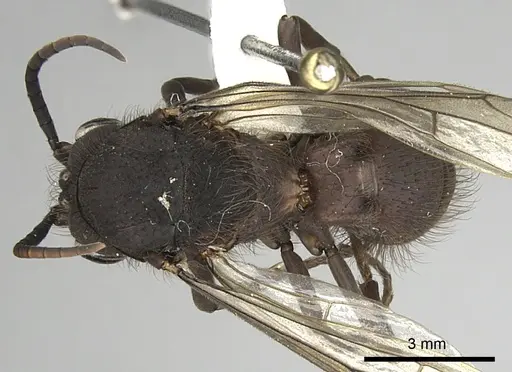
CASENT0650539
在 AntWeb 上查看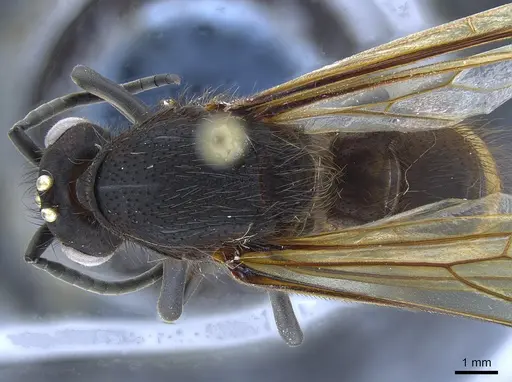
科学文献
正在加载分布地图...正在加载商品...