
Echinopla brevisetosa
- 学名
- Echinopla brevisetosa
- 族
- Camponotini
- 亚科
- Formicinae
- 命名者
- Zettel & Laciny, 2015
- 地理分布
- 分布于 0 个国家/地区
物种引言
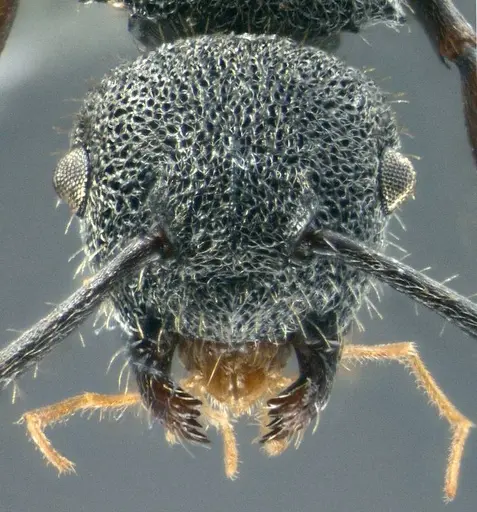
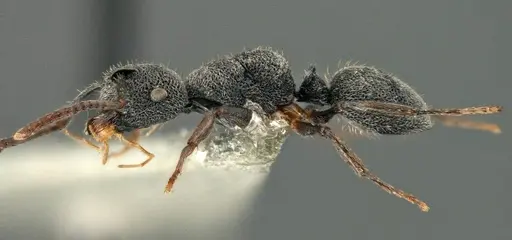
Echinopla brevisetosa is a small, stout ant measuring about 4mm in total length . Workers are predominantly black with dense white pilosity that gives them a greyish appearance . This species belongs to the Echinopla serrata species group and is characterized by its distinctive surface texture - the body is covered in closely set pores (polyporous), and the dorsal margins of the mesosoma bear sharp tubercles . The petiole has one prominent tooth and two smaller denticles on each side . This species is only known from the Philippines, specifically Mindanao Island in Bukidnon Province at around 650 meters elevation . Nothing has been published about their biology in the wild since they were only described in 2015 .
Quick Summary
- Difficulty: Hard
- Origin & Habitat: Philippines, Mindanao Island, Bukidnon Province at 650m elevation [1]. The region has a tropical highland climate with moderate temperatures and seasonal rainfall.
- Colony Type: Unknown, only worker caste has been described. Colony structure is unstudied.
- Size & Growth:
- Queen: Unknown, queen caste not yet described [1]
- Worker: 4.0mm total length [1]
- Colony: Unknown, no colony data available
- Growth: Unknown, no development data exists
- Development: Unknown, no published data exists on development for this species. (No development data available. Related Formicinae species typically take several weeks to months at tropical temperatures.)
- Antkeeping:
- Temperature: Based on Philippines origin, aim for warm conditions around 24-28°C. Avoid temperatures below 20°C. Provide a gentle temperature gradient so ants can self-regulate.
- Humidity: Keep nest substrate moderately moist. As a tropical species from Mindanao, they likely prefer 60-80% humidity. Provide a water tube for drinking access.
- Diapause: Likely no true diapause, Philippines has mild seasons. Some reduction in activity during cooler months may occur.
- Nesting: No specific nesting data exists. In captivity, a Y-tong (AAC) nest or plaster nest works well for small Formicinae. Provide narrow chambers scaled to their 4mm size. Keep in a quiet, dark location.
- Behavior: Behavior is unstudied. As a Formicinae ant, they likely have the typical defense mechanism of biting and spraying formic acid. Escape prevention should be adequate for 4mm ants, standard barriers work but ensure gaps are sealed.
- Common Issues: no biological data means all care is estimated from related species, expect a learning curve, queen caste unknown means wild colony establishment is uncertain, very rare in the hobby, finding colonies may be impossible, temperature requirements are estimated, not confirmed, monitor colony response, growth rate is unknown so patience will be required
Discovery and Taxonomy
Echinopla brevisetosa was described in 2015 by Herbert Zettel and Alice Laciny, making it one of the newer ant species in the hobby trade [1]. The species name 'brevisetosa' comes from Latin, 'brevis' means short and 'setosus' means bristly, referring to the notably short pilosity on their trunk, scape, and legs [1]. This species belongs to the Echinopla serrata species group, characterized by their serrated or toothed petioles and distinctive surface texture [1]. The type specimens were collected from Mindanao Island in the Philippines at an elevation of 650 meters above sea level [1]. Only the worker caste has been described, the queen and male castes remain unknown [1].
Identification and Appearance
Workers measure approximately 4.0mm in total length, making them a small ant [1]. They are predominantly black but appear grey due to dense white pilosity covering their body [1]. The most distinctive features are the sharp tubercles along the dorsal margins of the mesosoma and the heavily armed petiole with one long tooth and two smaller denticles on each side [1]. Their surface is described as polyporous, covered in closely set pores that give them a distinctive texture [1]. The head is slightly wider than long, and the compound eyes are relatively small and moderately protruding [1]. The setae on their legs and scape are notably shorter than in related species, which is how they got their species name [2].
Natural Distribution
This species is currently known only from the Philippines, specifically Mindanao Island in Bukidnon Province [1][3]. The type locality is Malaybalay City at the Kaamulan site, around 650 meters above sea level [1]. Mindanao is the second-largest island in the Philippines and has a tropical climate with montane areas in the highlands. The elevation of 650m suggests they may prefer slightly cooler conditions than true lowland tropical ants, though still well within the warm range. No other distribution data exists for this species as of the last publications [3][2].
Housing and Care
Since no specific care guide exists for this species, you will need to extrapolate from related Formicinae ants. Use a small to medium-sized nest, a Y-tong (AAC) or plaster formicarium with chambers scaled to their 4mm size works well. Keep temperatures in the warm tropical range of 24-28°C, avoiding drops below 20°C. Maintain moderate humidity around 60-80%, the nest substrate should feel damp but not waterlogged. Provide a water tube for drinking access. For feeding, offer standard ant foods: sugar water or honey for energy, and protein sources like mealworms, fruit flies, or other small insects. Observe your colony's behavior and adjust conditions gradually if they seem too active or too sluggish.
Challenges and Limitations
The biggest challenge with Echinopla brevisetosa is the complete lack of biological data, nothing has been published about their colony structure, founding behavior, development time, or specific habitat preferences [1]. This means all care recommendations are educated guesses based on related species in the Formicinae subfamily. Additionally, this species is extremely rare in the antkeeping hobby. It was only described in 2015 and has limited distribution in the Philippines. Finding colonies for sale will be very difficult. If you do obtain a colony, expect a learning curve as you discover what conditions they prefer. Document your observations carefully, any captive breeding success would be valuable new information for the antkeeping community.
Frequently Asked Questions
How long does it take for Echinopla brevisetosa to develop from egg to worker?
Unknown, no published data exists on their development. This is an estimate based on related Formicinae species.
What do Echinopla brevisetosa ants eat?
No specific diet data exists. Based on genus placement, they likely accept standard ant foods: sugar water or honey for carbohydrates, and small insects for protein.
Are Echinopla brevisetosa good for beginners?
No, this is not a recommended species for beginners. They were only described in 2015,their biology is completely unstudied, and they are extremely rare in the hobby. The complete lack of care data means keeping them successfully requires experience with other ant species first.
What temperature should I keep Echinopla brevisetosa at?
Based on their Philippines origin, aim for 24-28°C. Avoid temperatures below 20°C. Provide a temperature gradient so they can self-regulate. This is estimated from related tropical Formicinae, not confirmed for this specific species.
Can I keep multiple queens together?
Unknown, the colony structure of this species has not been studied. Only workers have been described.
How big do Echinopla brevisetosa colonies get?
Unknown, no colony size data has been published.
Where can I get Echinopla brevisetosa?
Extremely unlikely to find in the hobby. This species was only described in 2015 and has a very limited distribution in the Philippines. It is not a common trade species. If available at all, it would be very expensive and rare.
Do Echinopla brevisetosa need hibernation?
Likely no, the Philippines has mild seasons without true winter. Some reduction in activity during naturally cooler periods may occur, but a formal diapause is probably not required.
What type of nest should I use for Echinopla brevisetosa?
A small Y-tong (AAC) nest or plaster formicarium with narrow chambers scaled to their 4mm size works well. Keep the nest humid but ensure adequate ventilation to prevent mold.
Report an Issue
The current care sheet is based fully on literature. See inconsistencies, or something that's incorrect? Please , it will be resolved after review from an admin. Contributing to the blogs tab also helps providing information, to make us be able to further improve the caresheets. Thank you for your support!
References

此饲养指南授权协议为 CC BY-SA 4.0 .
社区博客
CASENT0914945
在 AntWeb 上查看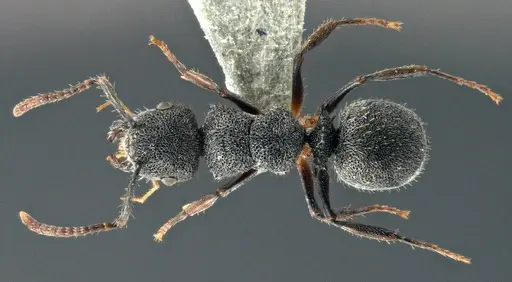
科学文献
正在加载分布地图...正在加载商品...