
Dorylus stadelmanni
- 学名
- Dorylus stadelmanni
- 亚科
- Dorylinae
- 命名者
- Emery, 1895
- 地理分布
- 分布于 0 个国家/地区
物种引言
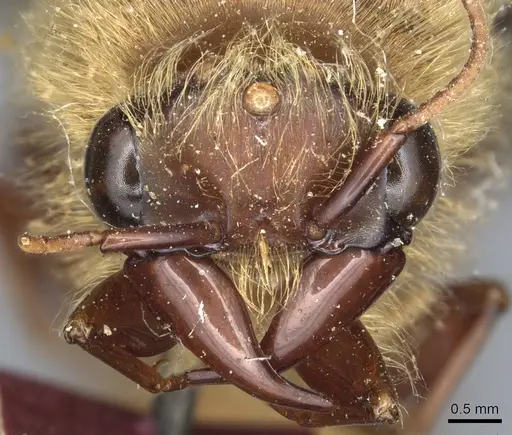
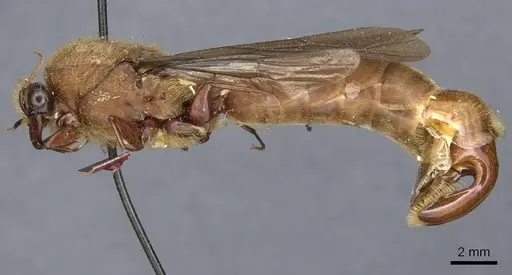
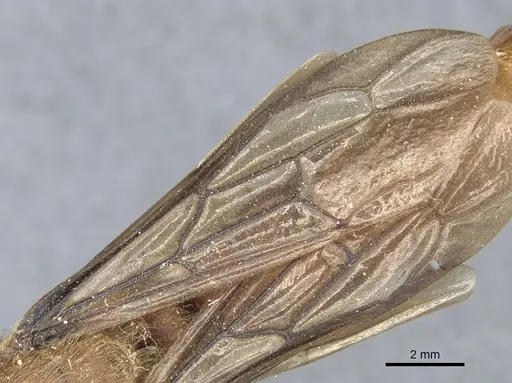
Dorylus stadelmanni is an army ant from the Dorylinae subfamily, native to the Democratic Republic of Congo and Rwanda . Males are light brown with a darker rusty brown head, dark wings featuring black veins, and a thorax covered in silky pubescence . As true army ants, they live nomadic lives and hunt in massive, coordinated swarms. We know very little about their specific captive care or colony biology, so most guidance relies on general Dorylus patterns and careful observation.
Quick Summary
- Difficulty: Expert
- Origin & Habitat: Central Africa, specifically the Democratic Republic of Congo and Rwanda [1][2]. They inhabit tropical forest environments typical for Dorylus army ants.
- Colony Type: Army ant colonies are nomadic and form living clusters called bivouacs. We do not know the exact social structure or queen number for this species.
- Size & Growth:
- Queen: size data unavailable
- Worker: size data unavailable
- Colony: Unknown, Dorylus colonies are typically very large
- Growth: Unknown
- Development: Unknown, army ant development varies by species and temperature (Development is likely temperature-dependent, but exact timelines are unstudied.)
- Antkeeping:
- Temperature: Unknown, but tropical Dorylus species typically thrive around 24-28°C. Provide a stable environment and avoid sudden drops.
- Humidity: High humidity is essential. Keep the nest substrate consistently moist but not waterlogged to prevent desiccation.
- Diapause: Unknown, but tropical species typically do not require winter dormancy. Maintain warm conditions year-round.
- Nesting: Army ants form bivouacs instead of permanent nests. Provide a dark, humid chamber using Y-tong, plaster, soil, or 3D-printed nests. Never use acrylic nests.
- Behavior: Highly active predators that raid in coordinated swarms. They are excellent escape artists and require strict containment. Workers are polymorphic, with larger majors capable of delivering painful bites. Colonies are nomadic and will regularly relocate their bivouac site.
- Common Issues: escape through tiny gaps is highly likely due to their nomadic nature, constant movement requires frequent setup adjustments, high protein demands mean you must feed large quantities daily, desiccation risk if humidity drops below optimal levels, stress from disturbance can cause colony collapse
Housing and Bivouacs
Army ants do not build permanent nests. In nature, they cluster around the queen in hollow logs, under rocks, or in leaf litter. In captivity, you need to recreate this living cluster. Use a dark, humid chamber made from Y-tong, plaster, soil, or 3D-printed material. Never use acrylic nests, as they offer poor humidity retention and can stress the colony. Connect the bivouac area to a spacious foraging zone. Because the colony is nomadic, they will constantly try to move. Provide a secure lid and seal all seams to prevent escapes. You can use damp cotton or substrate to help them form their characteristic cluster [3].
Diet and Feeding
Dorylus stadelmanni are strict carnivores. They hunt in massive swarms and consume insects, spiders, and other arthropods. In captivity, you must feed them large quantities of protein daily. Offer crickets, roaches, mealworms, or frozen bloodworms. Remove uneaten prey quickly to prevent mold and pests. Sugar water can be offered occasionally, but protein is their main requirement. A mature colony will eat a lot, so be prepared to source fresh insects regularly. Watch how they handle prey to adjust portion sizes.
Temperature and Humidity
As a tropical species from the Democratic Republic of Congo and Rwanda, they need warm and humid conditions [1][2]. Keep the environment around 24-28°C. Use a heating mat or cable on one side to create a gradient. Maintain high humidity by keeping the nest substrate consistently moist but not waterlogged. Army ants dry out quickly, so monitor moisture levels daily. Avoid temperature drops below 22°C, as this slows activity and can harm brood. You do not need to simulate winter dormancy, but keep conditions stable year-round.
Identification and Biology
You can identify males by their light brown bodies, darker rusty brown heads, and dark wings with black veins [3]. The thorax carries silky pubescence and long, obliquely erect hairs. Workers and queens look different from males, but specific measurements and caste details are unstudied for this species. Army ants are known for their nomadic raids and massive colony sizes. We do not know if they use claustral or semi-claustral founding, so you must observe new queens carefully. Provide minimal disturbance to let the colony establish itself.
Frequently Asked Questions
Can I keep Dorylus stadelmanni in a test tube setup?
No. Standard test tubes do not provide enough space or humidity for army ants. You need a larger bivouac chamber where thousands of workers can cluster. Use a dark container with damp substrate or Y-tong, connected to a foraging area. The colony needs room to form its living cluster and move freely.
How long does it take for first workers to appear?
Unknown. Army ant development times vary by species and temperature. Do not expect exact timelines. Keep conditions warm and stable, and feed consistently. You will know the colony is developing when you see active brood care and worker emergence.
Can I keep multiple queens together?
Unknown. We do not have data on whether Dorylus stadelmanni accepts multiple queens. Most Dorylus species are monogyne, but you should never assume. House only one queen per enclosure to avoid stress or conflict. If you find multiple queens, keep them separate.
Are Dorylus stadelmanni good for beginners?
No. This species is recommended only for expert antkeepers. Army ants have extremely specialized requirements: massive food demands, specific bivouac housing needs, nomadic behavior, and excellent escape abilities. They require daily feeding and careful humidity and temperature control. Beginners should start with easier species like Lasius or Messor.
Report an Issue
The current care sheet is based fully on literature. See inconsistencies, or something that's incorrect? Please , it will be resolved after review from an admin. Contributing to the blogs tab also helps providing information, to make us be able to further improve the caresheets. Thank you for your support!
References

此饲养指南授权协议为 CC BY-SA 4.0 .
社区博客
CASENT0903707
在 AntWeb 上查看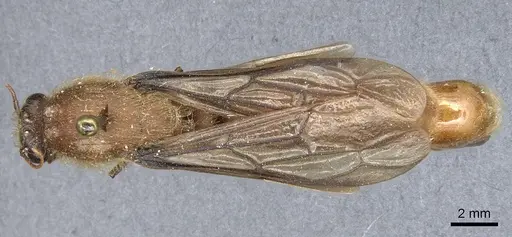
科学文献
正在加载分布地图...正在加载商品...