
Cylindromyrmex boliviae
- 学名
- Cylindromyrmex boliviae
- 亚科
- Dorylinae
- 命名者
- Wheeler, 1924
- 地理分布
- 分布于 0 个国家/地区
物种引言
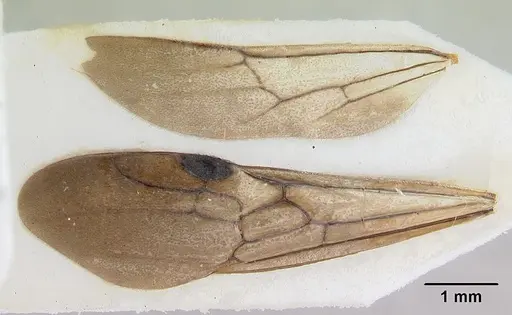
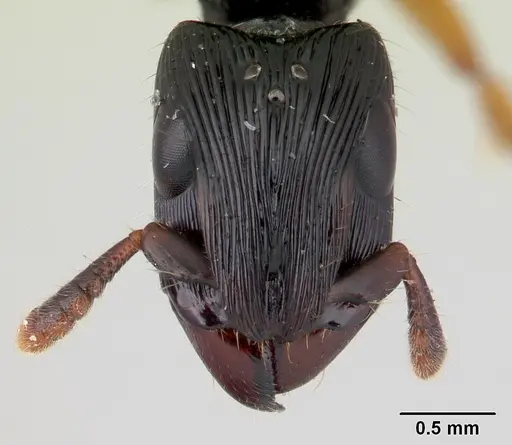
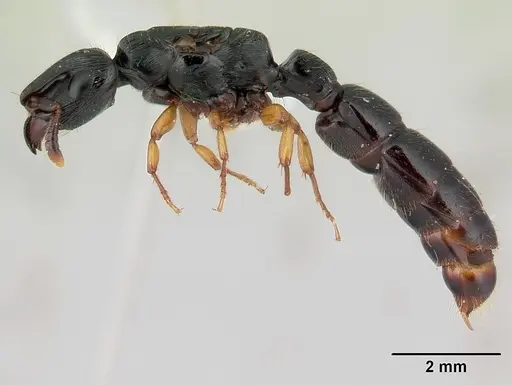
Cylindromyrmex boliviae is a rare Neotropical ant species known only from sexual forms (queens and males) - workers have never been described. Queens are large at 9.6-10.3mm with distinctive very broad frontal carinae that reach the internal border of the eyes, massive mandibles with 10-12 denticles, and a mostly smooth postpetiole. Males measure 8.2-9.5mm with uniformly dark legs. This species represents its own distinct clade within Cylindromyrmex and is found across the northern Andes region of South America (Bolivia, Colombia, Peru, Venezuela). The genus Cylindromyrmex belongs to the Dorylinae subfamily, but biological details for this species remain completely unstudied.
Quick Summary
- Difficulty: Expert
- Origin & Habitat: Neotropical region, Bolivia, Colombia, Peru, and Venezuela. In Colombia, recorded from Cundinamarca department. [4][2][3]
- Colony Type: Unknown, workers have never been described, so colony structure is unconfirmed.
- Size & Growth:
- Antkeeping:
- Temperature: Unknown, no thermal studies exist for this species.
- Humidity: Unknown, no humidity data exists for this species.
- Diapause: Unknown, no seasonal data exists for this species.
- Nesting: No natural nesting data exists for this species.
- Behavior: Completely unstudied, workers have never been described, so behavior cannot be assessed.
- Common Issues: workers have never been described, this species cannot be kept in captivity, complete lack of biological data makes proper care impossible to determine, no established husbandry protocols exist for this species, risk of obtaining misidentified specimens since only sexuals are known, this species should not be sought after in the ant trade
Species Overview and Identification
Cylindromyrmex boliviae is one of the rarest ant species in existence, known only from queen and male specimens collected in the wild, workers have never been described or observed. The species was first described by Wheeler in 1924 from a queen collected in Bolivia, with males later described by De Andrade in 1998. This species is easily identified by its very broad frontal carinae that reach the internal border of the eyes, massive mandibles with 10-12 denticles, and a postpetiole that is mostly smooth with only traces of superficial striae on the posterior half. Queens measure 9.6-10.3mm in total length, making them among the larger Neotropical ants. The species forms its own distinct clade within Cylindromyrmex and is found across the northern Andes from Bolivia east to Venezuela. [1][2][3]
Distribution and Habitat
Cylindromyrmex boliviae is known from four countries in northern South America: Bolivia, Colombia, Peru, and Venezuela. In Colombia, specimens have been recorded from Cundinamarca department. The species appears to inhabit the Andean region, which includes both tropical and subtropical zones depending on elevation. No specific natural history or habitat data exists in the scientific literature, we do not know what microhabitats this species prefers, what elevation range it occupies, or what its daily activity patterns are. This represents a major gap in our knowledge that makes captive husbandry extremely challenging. [4][2][5][3]
Why This Species Is Not Recommended for Keepers
This caresheet must be honest: Cylindromyrmex boliviae should NOT be kept by anyone except professional researchers. Workers have never been described, meaning no one has ever observed a colony of this species. We have zero biological data, no one knows what they eat, how they found colonies, what temperature or humidity they need, whether they are predatory, how fast they develop, or even what their workers look like. There are no established husbandry protocols, no documented care requirements, and no way to verify if specimens in the ant trade are correctly identified. Even advanced antkeepers should avoid this species until workers are described and basic biology is documented. [1]
Taxonomic Context
Cylindromyrmex belongs to the Dorylinae subfamily. The genus contains several species, all of which are rare and poorly studied. The boliviae species represents its own distinct clade (the boliviae clade) within the genus, separated from other clades by unique morphological characters. One distinctive feature of this species is the presence of a concavity near the trochanter articulation on the hind coxae, this is a unique character not found in other Cylindromyrmex species. The broad frontal carinae reaching the internal border of the eyes easily distinguish C. boliviae queens from all other described species in the genus. [1][3]
Frequently Asked Questions
Can I keep Cylindromyrmex boliviae as a pet ant?
No. This species should not be kept by hobby antkeepers. Workers have never been described, meaning no one knows what they look like or how to care for them. There are no established husbandry protocols, and proper care requirements are completely unknown. Even expert antkeepers should avoid this species until basic biology is documented in scientific literature. [1]
What do Cylindromyrmex boliviae ants eat?
Unknown. No feeding observations exist for this species. Without worker descriptions, diet cannot be determined.
How long does it take for Cylindromyrmex boliviae to develop from egg to worker?
Unknown, development has never been studied. Workers have never been described, so we have no data on development times or even whether this species can be founded in captivity. [1]
What temperature do Cylindromyrmex boliviae ants need?
Unknown, no thermal studies exist for this species. Without any data, proper temperature requirements cannot be determined.
Are Cylindromyrmex boliviae good for beginners?
Absolutely not. This is one of the most poorly known ant species in existence. No workers have ever been described, there is no biological data, and no established care protocols exist. This species should only be kept by professional researchers studying this species specifically. [1]
How big do Cylindromyrmex boliviae colonies get?
Unknown. Colony size has never been documented. Even maximum colony size estimates are impossible without any field observations of established colonies. [1]
Do Cylindromyrmex boliviae need hibernation?
Unknown, no seasonal data exists for this species.
Can I keep multiple Cylindromyrmex boliviae queens together?
Unknown, colony founding behavior has never been documented. Without any data on natural colony structure or behavior, combining queens would be extremely risky and is not recommended.
Where can I get Cylindromyrmex boliviae ants?
This species is essentially unavailable in the antkeeping hobby and should not be sought after. No established breeding protocols exist, and specimens offered for sale cannot be verified since only queens and males have been scientifically described. [1]
Report an Issue
The current care sheet is based fully on literature. See inconsistencies, or something that's incorrect? Please , it will be resolved after review from an admin. Contributing to the blogs tab also helps providing information, to make us be able to further improve the caresheets. Thank you for your support!
References

此饲养指南授权协议为 CC BY-SA 4.0 .
社区博客
CASENT0178663
在 AntWeb 上查看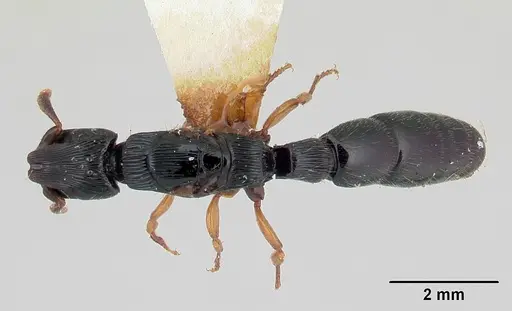
科学文献
正在加载分布地图...正在加载商品...