
Colobopsis nutans
- 学名
- Colobopsis nutans
- 族
- Camponotini
- 亚科
- Formicinae
- 命名者
- Mayr, 1867
- 地理分布
- 分布于 0 个国家/地区
物种引言
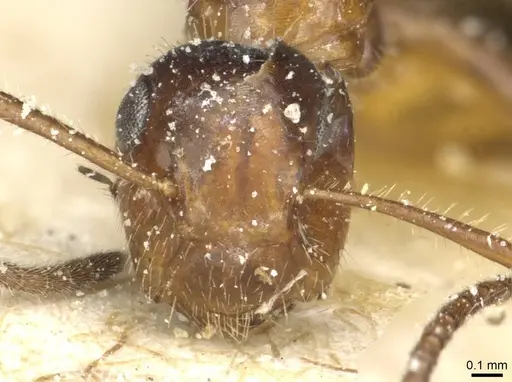
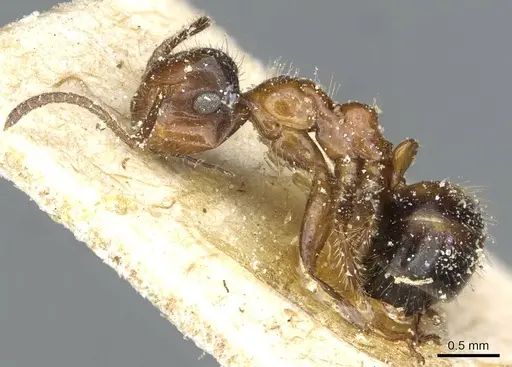
Colobopsis nutans is a tropical ant species native to the Indomalaya region, specifically documented from Indonesia including Sumatra [AntWiki]. Originally described as Camponotus nutans by Mayr in 1867, it was recently transferred to the genus Colobopsis in 2021 based on taxonomic revisions . This species belongs to the Formicinae subfamily and Camponotini tribe. The known distribution centers on Indonesia, particularly Sumatra, with possible presence in Malaysia [AntWiki]. Workers are minor caste specimens with typical Formicinae morphology. The genus Colobopsis is closely related to carpenter ants (Camponotus) and shares many biological traits with that group.
Quick Summary
- Difficulty: Unknown, limited captive data
- Origin & Habitat: Tropical Indonesia (Sumatra and possibly other Indonesian islands) in forest habitats [1]
- Colony Type: Colony structure is unconfirmed for this specific species
- Size & Growth:
- Queen: Size data unavailable, no specific measurements for this species
- Worker: Size data unavailable, no specific measurements for this species
- Colony: Size data unavailable for this specific species
- Growth: Unknown
- Development: Unconfirmed, no species-specific data available (Development time is unknown for this species)
- Antkeeping:
- Temperature: Keep at 24-28°C, tropical species requiring warm, stable conditions. Use a heating cable on one side of the nest to create a gentle gradient
- Humidity: High humidity preferred, aim for 70-85% relative humidity. Keep nest substrate consistently moist but not waterlogged. Mist occasionally and provide a water source
- Diapause: No, tropical species from consistent climate. No winter rest required, maintain warm conditions year-round
- Nesting: Likely nests in rotting wood or hollow twigs in nature. In captivity, a Y-tong (AAC) nest or plaster nest with moisture reservoir works well. Provide humid conditions with some dry areas for workers to choose
- Behavior: Behavior is unconfirmed for this specific species. Colobopsis ants are typically less aggressive than many carpenter ants. Workers are likely moderate-sized and capable of escaping through small gaps. Expect typical Formicinae behavior with sugar-seeking and protein foraging. Escape prevention should be moderate to good, match barrier quality to worker size
- Common Issues: limited species-specific information makes care recommendations uncertain, tropical humidity requirements may be challenging in dry climates, wild-caught colonies may harbor parasites or diseases, small colony sizes initially may be fragile, escape risk exists if workers are small, use appropriate barriers
Species Background and Taxonomy
Colobopsis nutans was originally described by Gustav Mayr in 1867 as Colobopsis nutans, with the type specimen being a minor worker collected from a ship (likely during transit) [1]. The species was historically classified under several Camponotus subgenera including Myrmosphincta, Myrmamblys, and Myrmotemnus before its 2021 reassignment to Colobopsis [2]. The subspecies Colobopsis nutans cleliae is also recognized [1]. This species is part of the Camponotini tribe within the Formicinae subfamily, making it related to well-known carpenter ants. The limited scientific documentation means much of what we know about keeping this species comes from inferring behavior from related Colobopsis and Camponotus species.
Housing and Nest Setup
For this tropical Indonesian species, humidity management is critical. A Y-tong (AAC) nest or plaster nest with a water reservoir works well, these provide stable moisture levels while allowing you to monitor the colony. The nest should have chambers scaled to worker size with narrow passages. Keep the outworld simple with a test tube water source and sugar container. Since this is a tropical species, avoid letting temperatures drop below 24°C for extended periods. A small heating cable on one side of the nest creates a temperature gradient workers can regulate themselves. Ventilation should be adequate to prevent mold but not so open that humidity drops rapidly. Given the uncertainty about exact size, start with standard-sized chambers and adjust if workers seem cramped or overly large.
Feeding and Nutrition
Like other Formicinae ants, Colobopsis nutans likely accepts a varied diet. Provide sugar water or honey continuously as an energy source, workers will drink from it directly. For protein, offer small insects like fruit flies, small mealworms, or cricket pieces. In nature, these ants likely forage for honeydew from aphids and scale insects, plus small arthropods. Feed protein 2-3 times per week depending on colony size, and remove uneaten prey after 24 hours to prevent mold. Sugar should always be available. Observe your colony's preferences, some individuals within a species may favor certain foods. Do not overfeed, as excess food decays quickly in humid nest conditions.
Temperature and Seasonal Care
This species comes from a tropical climate with minimal seasonal temperature variation, so it does not require hibernation or diapause. Keep the nest area between 24-28°C consistently. Below 24°C, metabolic processes slow and brood development may stall. Above 30°C, risk of desiccation increases. A simple way to achieve this is placing the nest on a heating cable set to low, positioned under one end of the nest to create a gradient. Room temperature in many homes (22-25°C) may be adequate but monitor colony activity, if workers cluster near the warmest area, consider adding gentle heat. Unlike temperate species, no winter cooling period is needed or recommended.
Colony Development and Growth
Colony growth rate for this species is not documented. A founding queen seals herself in a small chamber and raises the first brood alone, surviving on stored fat reserves until nanitic (first) workers emerge. The first workers will be smaller than mature workers, this is normal. Expect the colony to remain small for the first few months. Once the first workers hatch, the queen stops foraging and becomes an egg-laying machine while workers take over all colony tasks. Growth accelerates as more workers emerge and can forage in the outworld. Patience is essential, ant colonies develop on timescales measured in months, not weeks.
Frequently Asked Questions
How long does it take for Colobopsis nutans to produce first workers?
This is unconfirmed for this specific species. No documented development timeline exists. Monitor your colony and adjust conditions as needed.
What temperature is best for Colobopsis nutans?
Keep nest temperatures between 24-28°C. This tropical species requires warm, stable conditions year-round. A slight gradient allowing workers to choose warmer or cooler areas is ideal.
Is Colobopsis nutans a good species for beginners?
This species is not well-documented in the antkeeping hobby, making it challenging for beginners. Limited species-specific care information means you may encounter unexpected issues. If you're experienced with tropical Formicinae like Camponotus, this could be an interesting species to try. Otherwise, start with more commonly kept species where care requirements are better understood.
What do Colobopsis nutans eat?
Like other Formicinae, they likely accept sugar water or honey continuously plus protein sources like small insects (fruit flies, small mealworms, cricket pieces). Feed protein 2-3 times per week and keep sugar available at all times.
Do Colobopsis nutans need hibernation?
No, this is a tropical species from Indonesia with no cold season in its natural habitat. Do not cool the colony for winter. Maintain warm temperatures (24-28°C) year-round.
How big do Colobopsis nutans colonies get?
Colony size is unconfirmed for this specific species. No documented maximum worker count exists for Colobopsis nutans.
Can I keep multiple Colobopsis nutans queens together?
Colony structure is unconfirmed for this species. No documented information exists about queen number or colony foundation behavior. Combining unrelated foundress queens is not recommended unless you observe them peacefully cohabiting, which is uncommon.
What humidity level do Colobopsis nutans require?
High humidity is important, aim for 70-85% relative humidity in the nest. Keep the substrate consistently moist but not waterlogged. This matches their tropical forest floor origin in Indonesia.
When should I move Colobopsis nutans to a formicarium?
Wait until the colony has at least 30-50 workers before moving to a larger formicarium. Test tube setups work well for founding colonies and small groups. Moving too early can stress the colony. Once workers regularly forage in the outworld and the test tube becomes crowded, it's time to upgrade.
Report an Issue
The current care sheet is based fully on literature. See inconsistencies, or something that's incorrect? Please , it will be resolved after review from an admin. Contributing to the blogs tab also helps providing information, to make us be able to further improve the caresheets. Thank you for your support!
References

此饲养指南授权协议为 CC BY-SA 4.0 .
社区博客
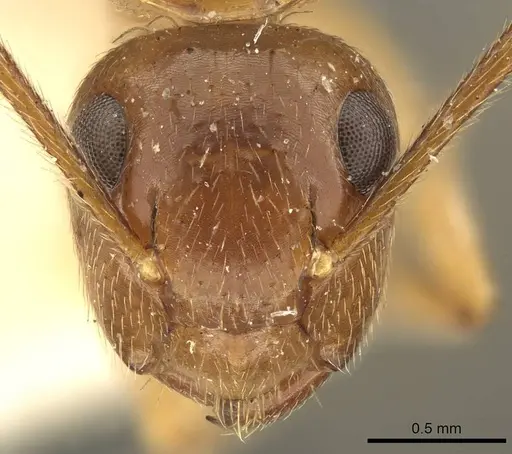
CASENT0911792
在 AntWeb 上查看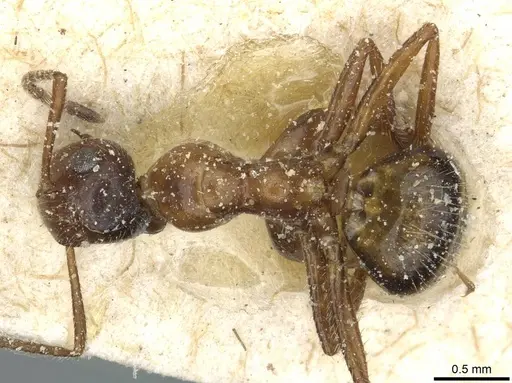
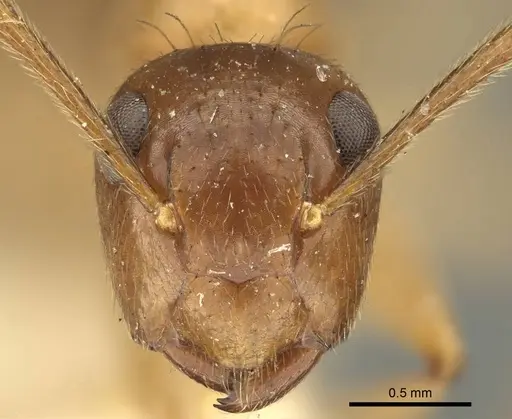
CASENT0915604
在 AntWeb 上查看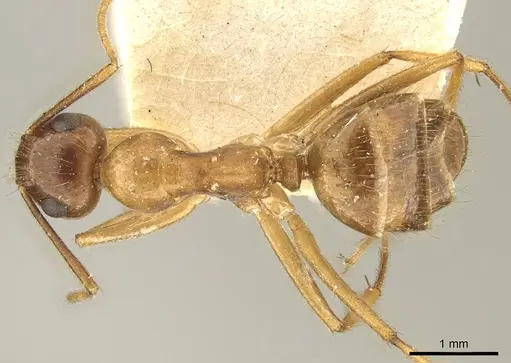
科学文献
正在加载分布地图...正在加载商品...