
Chronoxenus dalyi
- 学名
- Chronoxenus dalyi
- 族
- Bothriomyrmecini
- 亚科
- Dolichoderinae
- 命名者
- Forel, 1895
- 地理分布
- 分布于 0 个国家/地区
物种引言
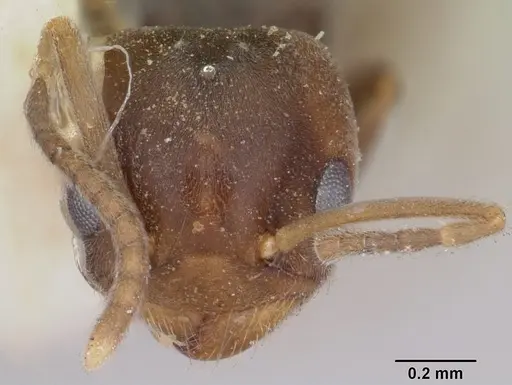
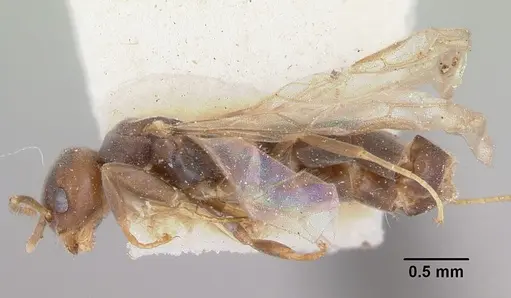
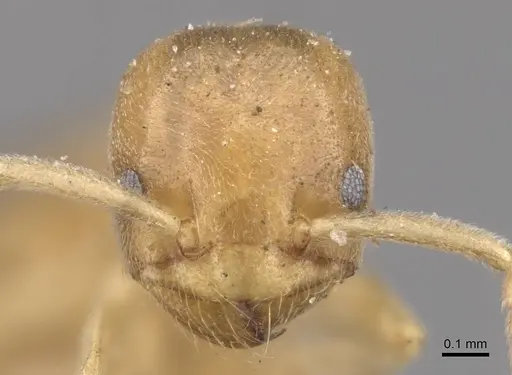
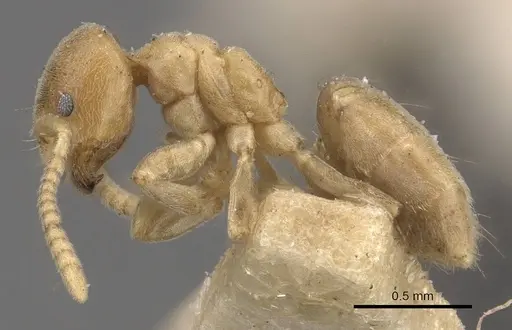
Chronoxenus dalyi is a small Dolichoderinae ant native to South and Southeast Asia. Workers measure 2-2.5mm and have a yellowish-brown to dark brown coloration, covered with a distinctive whitish pubescence that is densest on the head and abdomen . This species nests in pre-existing cavities like termite passages, as documented in Singapore where they were found at the foot of a hollow tree in a garden . They inhabit an altitudinal range from 250 to 2900 meters, indicating adaptability to various climatic conditions . The genus Chronoxenus was separated from Bothriomyrmex, and this species has been recorded across India, Nepal, Bangladesh, Singapore, and southern China .
Quick Summary
- Difficulty: Easy
- Origin & Habitat: Native to South and Southeast Asia (India, Nepal, Bangladesh, Singapore, China). Found from 250-2900m altitude [3]. In Singapore, they nest in pre-existing cavities like termite passages in gardens [2].
- Colony Type: Unconfirmed, no specific data available for this species.
- Size & Growth:
- Queen: Size data unavailable, inferred from genus patterns to be slightly larger than workers
- Worker: 2-2.5mm [1]
- Colony: Unknown, estimated up to several hundred workers based on similar Dolichoderinae species
- Growth: Moderate, inferred from genus patterns
- Development: Estimated 6-10 weeks at optimal temperature, inferred from related Dolichoderinae species (Development time is inferred from genus patterns, actual timeline may vary based on conditions)
- Antkeeping:
- Temperature: Keep at 22-28°C. Their wide altitudinal range (250-2900m) suggests tolerance to various temperatures [3]. A heating cable on one side creates a suitable gradient.
- Humidity: Moderate humidity around 50-70%. Their natural habitat includes garden areas and tree hollows, suggesting they tolerate varied moisture conditions. Keep substrate slightly moist but not waterlogged.
- Diapause: Unlikely, given their tropical/subtropical origin, they likely remain active year-round
- Nesting: Use test tubes or Y-tong nests with small chambers scaled to their tiny 2-2.5mm size. They prefer nesting in pre-existing cavities rather than excavating, so Y-tong or small nests work well. Provide some damp substrate for humidity control.
- Behavior: Generally peaceful and non-aggressive. Like other Dolichoderinae, they are active foragers and will tend aphids for honeydew. Their small size makes them quick-moving and excellent at finding food sources. Escape prevention is critical, at 2-2.5mm, they can squeeze through very small gaps. Use fine mesh and tight-fitting barriers.
- Common Issues: escape prevention is critical due to their tiny 2-2.5mm size, they easily slip through standard barriers, colonies may be slow to establish initially, patience is needed during founding phase, wild-caught colonies may carry parasites that can decimate captive colonies, test tube setups must have properly secured water reservoirs to prevent flooding, may be outcompeted by larger ant species if housed in shared spaces
Housing and Nest Setup
Chronoxenus dalyi is a tiny ant at just 2-2.5mm, so housing must be scaled accordingly. Test tube setups work well for founding colonies, use small-diameter tubes with a cotton barrier and water reservoir. For established colonies, Y-tong nests with narrow chambers are ideal. These ants prefer pre-existing cavities rather than excavating, so they readily accept artificial nests. The nesting chamber should be dark to mimic their natural preference for enclosed spaces like termite passages. Because of their small size, ensure all connections between the nest and outworld are narrow and use fine mesh on any ventilation holes. [2]
Feeding and Diet
Like other Dolichoderinae ants, Chronoxenus dalyi likely has a sweet tooth, they will readily accept sugar water, honey, or diluted maple syrup. Offer a constant sugar source in the outworld. For protein, provide small insects like fruit flies, small mealworms, or cricket pieces. Given their tiny size, prey items should be appropriately small. They may also tend aphids for honeydew if you keep them in a setup with live plants. Feed protein 2-3 times per week and keep sugar water available at all times. Remove any uneaten prey after 24 hours to prevent mold.
Temperature and Humidity
These ants tolerate a wide temperature range thanks to their altitudinal range of 250-2900m in the wild [3]. Keep them between 22-28°C for optimal activity and growth. A heating cable on one side of the nest creates a temperature gradient allowing ants to choose their preferred zone. For humidity, aim for 50-70% relative humidity. Their natural habitat includes garden areas and tree hollows, so they are not overly demanding about moisture. A small water tube in the outworld provides drinking water and helps maintain ambient humidity. Avoid both excessive dryness and dampness, aim for a balanced environment.
Colony Development
A newly mated queen will need to establish a colony, the exact founding behavior is unconfirmed for this species. The first workers (nanitics) will be smaller than mature workers but will immediately begin foraging for food to support the growing colony. Growth rate is moderate, expect the first workers within a few months under good conditions. Be patient during the founding phase as the queen alone may take several weeks to produce her first workers. Once established, colonies grow more steadily.
Behavior and Temperament
Chronoxenus dalyi is a peaceful species that does not show aggressive territorial behavior. They are active foragers and will quickly discover and exploit food sources. Their small size makes them excellent at navigating complex terrain but also means they can escape through tiny gaps. Always use fine mesh on any openings. They are not known to sting and pose no danger to keepers. In the wild, they nest in pre-existing cavities, so they are not aggressive defenders of their nest. [2]
Seasonal Care
Given their tropical to subtropical origin, these ants do not require a true hibernation period. However, if room temperatures drop significantly in winter, you may notice reduced activity and slower brood development. This is normal, simply maintain stable temperatures above 20°C year-round. In their native range, they experience warm conditions throughout the year, so artificial heating is beneficial in cooler climates. Do not attempt to force dormancy, these ants have not evolved a diapause response. Simply maintain consistent care conditions and adjust feeding frequency based on colony activity levels.
Frequently Asked Questions
How long does it take for Chronoxenus dalyi to produce first workers?
Expect first workers (nanitics) to emerge several weeks after the queen lays her first eggs, assuming optimal temperatures of 24-28°C. The exact timeline depends on temperature and feeding. Patience is essential during the founding phase.
What do Chronoxenus dalyi ants eat?
They are generalist feeders like most Dolichoderinae. Offer a constant sugar source (sugar water, honey, or maple syrup) and protein 2-3 times weekly (small insects like fruit flies or mealworm pieces).
Can I keep multiple Chronoxenus dalyi queens together?
Not recommended. There is no documented evidence that this species accepts multiple unrelated queens. Combining unrelated foundresses may result in fighting. Start with a single queen for best success.
What size nest do I need for Chronoxenus dalyi?
Use nests with small, tight chambers scaled to their tiny 2-2.5mm size. Y-tong nests or small acrylic formicariums work well. Test tubes are ideal for founding colonies. Avoid large, open spaces.
Are Chronoxenus dalyi good for beginners?
Yes, they are considered easy to keep. They are forgiving of minor temperature and humidity variations, do not sting, and are not aggressive. Their main challenge is escape prevention due to their tiny size.
Why do my Chronoxenus dalyi keep escaping?
Their small 2-2.5mm size allows them to squeeze through tiny gaps. Use fine mesh, ensure all lids fit tightly, and check any tube connections for gaps. Escape prevention is their primary husbandry challenge.
Do Chronoxenus dalyi need hibernation?
No, they do not require hibernation. As a tropical/subtropical species, they remain active year-round with proper heating. Simply maintain temperatures above 20°C in winter.
How big do Chronoxenus dalyi colonies get?
Based on similar Dolichoderinae species, colonies likely reach several hundred workers over time. Their small worker size means colonies can remain compact even at maximum size.
What temperature is best for Chronoxenus dalyi?
Keep them between 22-28°C. Their wide altitudinal range in the wild (250-2900m) shows they tolerate various conditions, but warmer temperatures within this range support faster growth.
Why is my Chronoxenus dalyi colony declining?
Common causes include: poor escape prevention (check for tiny gaps), mold from overwatering, insufficient food (especially protein), or parasites from wild-caught colonies. Review your husbandry conditions and make adjustments gradually.
Report an Issue
The current care sheet is based fully on literature. See inconsistencies, or something that's incorrect? Please , it will be resolved after review from an admin. Contributing to the blogs tab also helps providing information, to make us be able to further improve the caresheets. Thank you for your support!
References

此饲养指南授权协议为 CC BY-SA 4.0 .
社区博客
CASENT0103293
在 AntWeb 上查看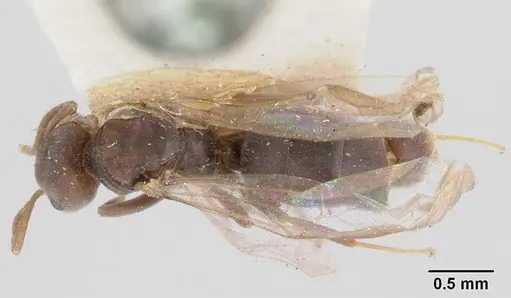
CASENT0909579
在 AntWeb 上查看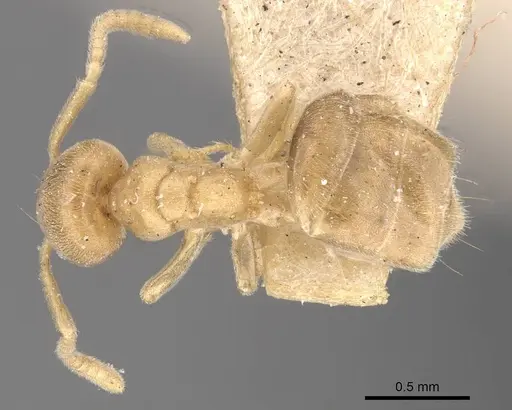
科学文献
正在加载分布地图...正在加载商品...