
Cataglyphis cuneinodis
- 学名
- Cataglyphis cuneinodis
- 族
- Formicini
- 亚科
- Formicinae
- 命名者
- Arnol'di, 1964
- 地理分布
- 分布于 0 个国家/地区
物种引言
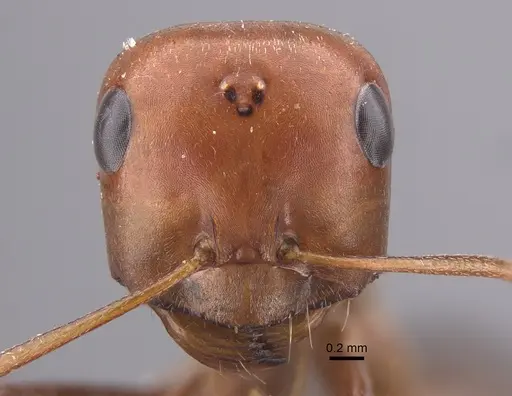
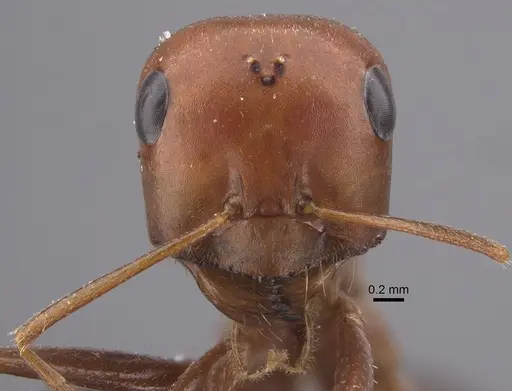
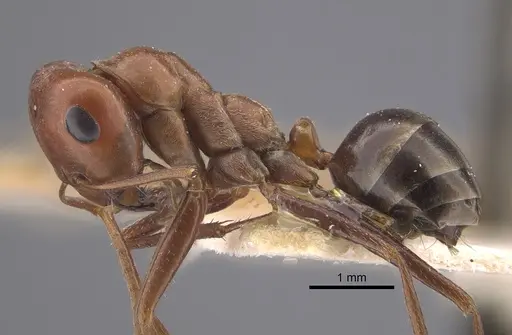
Cataglyphis cuneinodis is a medium-sized ant from the Caucasus region and northwestern Iran. Workers measure around 5-8mm (estimated based on genus patterns). They have the typical dark coloration of the genus, often with lighter reddish-brown legs and antennae. This species lives in semi-arid to moderately moist habitats in the Palaearctic region, specifically Azerbaijan and Iran, where it's been collected in pitfall traps in areas with moderate rainfall . Unlike some extreme desert Cataglyphis, it prefers open steppe environments. Like other Cataglyphis, it's a fast, diurnal forager that hunts in open terrain during daylight hours .
Quick Summary
- Difficulty: Medium
- Origin & Habitat: Native to Azerbaijan and northwestern Iran. Found in semi-arid habitats with moderate rainfall, typically in open steppe terrain [1][4].
- Colony Type: Colony structure is not well-documented. Based on most Cataglyphis species, likely monogyne (single queen) with moderate worker numbers. Further research is needed.
- Size & Growth:
- Queen: Unknown, estimated ~8-10mm based on Cataglyphis genus patterns
- Worker: Unknown, estimated ~5-8mm based on Cataglyphis genus patterns
- Colony: Likely several hundred workers based on genus patterns
- Growth: Moderate (based on related species)
- Development: Estimated 6-10 weeks based on related Cataglyphis species (Development time depends heavily on temperature. Warm conditions (within safe range) speed it up, but exact data is lacking. First workers (nanitics) are usually smaller than mature workers.)
- Antkeeping:
- Temperature: Keep at 24-28°C with a thermal gradient. Cataglyphis species generally tolerate heat well, so a warm setup works. Provide a gradient so workers can choose their preferred temperature.
- Humidity: Keep low to moderate, let the nest substrate dry out between waterings. Aim for a dry nest with a slightly damp area. This species comes from semi-arid regions, so too much moisture is harmful.
- Diapause: Most Cataglyphis from temperate regions need a winter dormancy period. Provide 2-3 months at 10-15°C to mimic their natural cycle. Skipping it may weaken the colony over time.
- Nesting: A dry, well-ventilated nest works best, Y-tong (AAC) or plaster formicaria are good choices. Avoid overly humid setups. These ants do well in nests with chambers sized to the colony, placed in a warm, ventilated spot.
- Behavior: Workers are fast, diurnal foragers. They're not aggressive toward keepers but may defend the nest if disturbed. Escape prevention matters because of their small size and climbing ability, use fluon on barriers. They defend themselves by spraying formic acid (not stinging).
- Common Issues: colonies may fail if kept too humid, they prefer drier conditions than many ants, winter dormancy seems important, skipping it can cause long-term colony health problems, escape prevention needs attention due to small size and active nature, founding phase is poorly studied, queens might be claustral but this is speculative
Natural History and Distribution
Cataglyphis cuneinodis is native to the Caucasus region and nearby Middle East. It was originally described from Azerbaijan (type locality near Ordubad in the Aras River valley) and later recorded in northwestern Iran [3][1]. The species lives in semi-arid to moderately moist habitats, with specimens collected in Iran using pitfall traps in areas with moderate rainfall [1]. Radchenko raised it from a subspecies to a full species in 1997 based on morphological differences [5]. It belongs to the Formicinae subfamily and shares the genus traits of fast running and diurnal foraging in open, warm terrain.
Housing and Nest Preferences
These ants do well in dry, warm nests. A Y-tong (AAC) formicarium works well because it provides good ventilation and lets you control humidity. Plaster nests are also a good option. Avoid naturalistic soil setups unless you can keep them very dry, this species prefers desert-like nesting conditions. Place the nest in a warm area and try to create a slight temperature gradient across the setup. During founding, a test tube works, but watch the humidity, too much moisture leads to mold.
Feeding and Diet
Like other Cataglyphis, C. cuneinodis is omnivorous with a preference for proteins. Offer small insects like fruit flies, small crickets, or mealworms as the main protein source. They will also take sugar water or honey for energy. Protein is essential for brood development. Feed established colonies every 2-3 days, removing any uneaten prey after 24 hours. During founding, the queen relies on stored reserves, she does not eat until the first workers arrive. Once workers appear, start offering food. Always provide fresh water.
Temperature and Seasonal Care
Keep the nest at 24-28°C for best colony growth. Cataglyphis species are heat-loving and can handle higher temperatures than most ants, a warm setup mimics their natural steppe habitat. During winter, provide a dormancy period of 2-3 months at 10-15°C. This winter rest is important because it matches the seasonal cycle in their native range. Reduce feeding during dormancy and avoid disturbing the colony. Gradually warm them back up afterward to trigger spring activity. Skipping hibernation might cause long-term health problems.
Behavior and Colony Dynamics
Workers are fast, active foragers that search for food during daylight hours, this pattern helps them avoid extreme heat by staying in cooler times of day. They are not very aggressive but will defend the nest if disturbed. Their main defense is spraying formic acid, since they lack a functional sting. Colonies grow at a moderate pace, with the queen laying eggs through the warm season. First workers (nanitics) are smaller than mature worker. This species doesn't have special behaviors like slave-making or parasitism, it follows the typical single-queen pattern.
Frequently Asked Questions
How long until first workers appear?
Expect first workers (nanitics) about 6-10 weeks after the queen lays eggs, assuming temperatures around 26-28°C. The exact time depends on temperature, warmer conditions speed it up, cooler slow it down. Be patient during founding.
What temperature is best?
Keep the nest at 24-28°C with a slight gradient. These ants can handle heat well, but avoid extremes above 30°C. A heating cable on one side creates a useful gradient. Direct heat under water sources can cause condensation issues.
Can I keep multiple queens together?
Not recommended. This species is likely monogyne (single queen) based on typical Cataglyphis patterns. Combining unrelated queens usually leads to fighting. Wild colonies typically have just one functional queen.
Do they need hibernation?
Yes, most Cataglyphis from temperate regions need a winter resting period. Provide 2-3 months at 10-15°C. This mimics their natural cycle. Reduce feeding and avoid disturbance during dormancy. Skipping it may weaken the colony.
What should I feed them?
Offer small insects (fruit flies, small crickets, mealworms) for protein. They also accept sugar water or honey. Feed protein 2-3 times per week and keep a constant sugar source available. Remove uneaten prey after 24 hours to prevent mold.
Is this species good for beginners?
This species is rated medium difficulty. It needs careful humidity control (dry) and a winter dormancy period. Beginners comfortable with these requirements can keep it, but it's not the easiest starter species.
How big do colonies get?
Based on genus patterns, colonies likely reach several hundred workers. Growth is moderate, expect the colony to grow gradually over 1-3 years. Supercolonies are not known for this species.
Why might my colony be struggling?
Common issues include too much humidity (they need dry conditions), lack of winter dormancy, or temperatures outside their preferred range. Check that the nest isn't too moist and that you're providing a cool rest period. Parasites from wild colonies are possible but not well documented.
When should I move them to a formicarium?
Move from a test tube to a formicarium once the colony outgrows the test tube, typically after the first generation of workers has emerged and the tube starts getting crowded. A dry nest like Y-tong or plaster is a good choice. Make sure chambers aren't too big for a small colony.
Report an Issue
The current care sheet is based fully on literature. See inconsistencies, or something that's incorrect? Please , it will be resolved after review from an admin. Contributing to the blogs tab also helps providing information, to make us be able to further improve the caresheets. Thank you for your support!
References

此饲养指南授权协议为 CC BY-SA 4.0 .
社区博客
CASENT0917350
在 AntWeb 上查看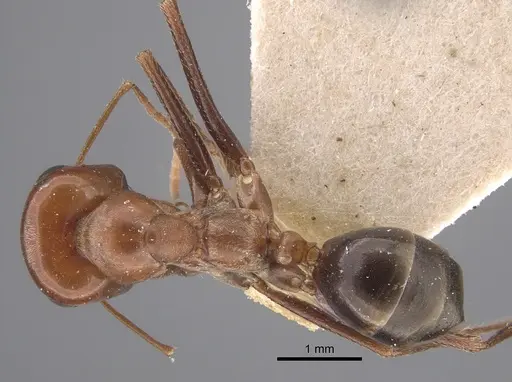
科学文献
正在加载分布地图...正在加载商品...