
Cataglyphis aurata
- 学名
- Cataglyphis aurata
- 族
- Formicini
- 亚科
- Formicinae
- 命名者
- Menozzi, 1932
- 地理分布
- 分布于 0 个国家/地区
物种引言
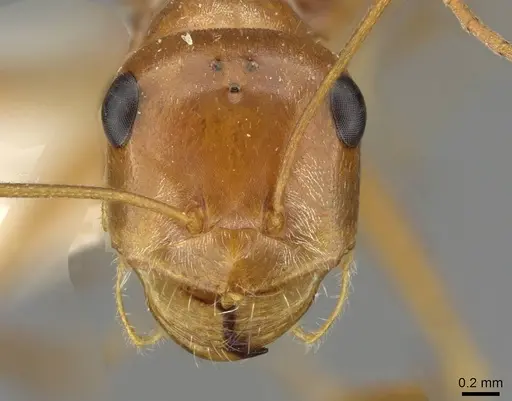
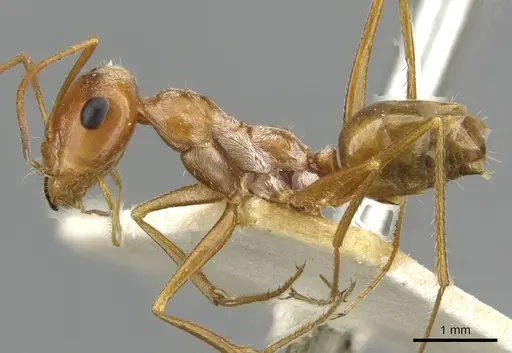
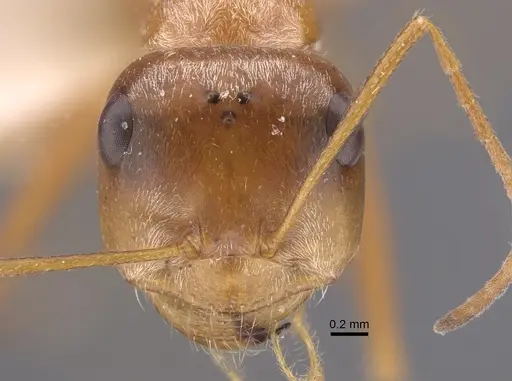
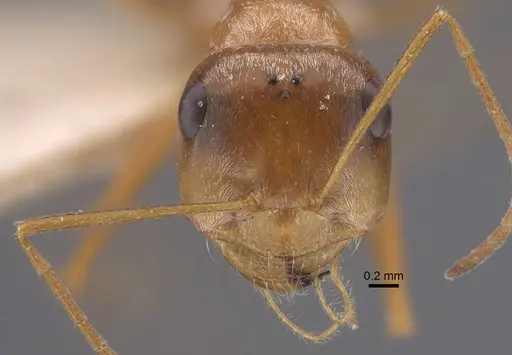
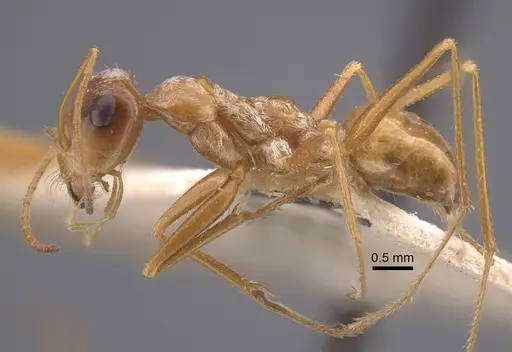
Cataglyphis aurata is a medium-sized desert ant native to North Africa and the Middle East. Workers are distinctly yellow throughout their body, sometimes with a slightly darker tip on the abdomen, and are covered with a layer of silvery hairs on the mesosoma, back of the head, and legs . This species belongs to the Cataglyphis livida complex and may actually be the same species as Cataglyphis arenaria, though this needs further study . These ants are adapted to hot, arid environments and are fast-moving foragers that actively hunt during warmer parts of the day.
Quick Summary
- Difficulty: Medium
- Origin & Habitat: Native to desert and semi-arid regions of North Africa (Egypt, Sudan) and the Middle East (Saudi Arabia, Iran, Oman, United Arab Emirates) [2][1][3]. They inhabit hot, dry environments and are adapted to high surface temperatures.
- Colony Type: Colony structure is unconfirmed. Specific data on queen number and colony size for this species is unavailable.
- Size & Growth:
- Queen: Size data unavailable, no specific measurements exist for this species. Inferred from Cataglypis genus patterns (~10-12mm for medium-sized species in this group).
- Worker: Size data unavailable, no specific measurements exist for this species. Inferred from Cataglyphis genus patterns (~5-8mm for workers in this group).
- Colony: Maximum colony size is unconfirmed for this species.
- Growth: Growth rate is unconfirmed.
- Development: Development time is unconfirmed for this species. Based on typical Cataglyphis development at warm temperatures, first workers may emerge in 6-10 weeks. (This is inferred from related species, specific data for C. aurata is unavailable.)
- Antkeeping:
- Temperature: Keep nest area at 24-30°C with a warm side gradient. Cataglyphis species are heat-tolerant and benefit from temperatures in the warm range. Room temperature (20-24°C) is acceptable, but warmer conditions will encourage activity and growth.
- Humidity: Low to moderate humidity. These are desert-adapted ants that prefer dry conditions. Keep nest substrate slightly moist but allow it to dry between waterings. Avoid excessive moisture.
- Diapause: Diapause requirements are unconfirmed. This species originates from North Africa and Middle East regions where winter temperatures vary, some populations may not require formal hibernation. Observe your colony's behavior.
- Nesting: Use dry to slightly moist nest materials. Y-tong (AAC), plaster, or formicarium nests work well. Provide a temperature gradient within the nest so workers can choose their preferred warmth.
- Behavior: Cataglyphis aurata is an active, fast-moving forager. Workers search for food individually and are adapted to high surface temperatures, they often forage during the warmest parts of the day when other ants are inactive. They are not particularly aggressive toward humans but will defend their nest. Escape risk is moderate due to their size, standard barrier methods work well. They are primarily predatory on small insects but will accept sugar sources.
- Common Issues: desert species are sensitive to excess humidity, overwatering causes mold and colony stress., they need warm conditions to thrive, keeping them too cold leads to sluggish behavior and slow growth., specific care requirements are unconfirmed, this species is rarely kept in captivity., wild-caught colonies may be difficult to establish due to unknown founding conditions., limited availability means established colonies are rare in the hobby.
Housing and Nest Preferences
Cataglyphis aurata does well in standard ant housing setups. Test tubes work for founding colonies, while Y-tong (AAC) nests or plaster formicariums are ideal for established colonies. These desert ants prefer dry to slightly moist nest conditions, avoid overly damp setups that can cause mold problems. Provide a temperature gradient within the nest by placing a heating cable on one side, allowing workers to regulate their body temperature by moving between warmer and cooler areas. The outworld should be simple with easy access to food and water. Escape prevention is important but not as critical as with tiny species, standard barriers like fluon on test tube rims work adequately. [1]
Feeding and Diet
Like other Cataglyphis species, C. aurata is primarily predatory and will hunt small insects like fruit flies, small crickets, and mealworms. They also readily accept sugar sources such as honey water or sugar water, which provides energy for their active foraging lifestyle. Feed protein (insects) 2-3 times per week and provide a constant sugar source. In the wild, these ants are known to forage on hot surfaces where other ant species are inactive, so they are well-adapted to active hunting. Remove uneaten prey after 24-48 hours to prevent mold.
Temperature and Seasonal Care
Cataglyphis aurata thrives in warm conditions. Keep the nest area at 24-30°C, with a gradient allowing workers to choose their preferred temperature. They can tolerate higher temperatures than most ants, this matches their natural habitat in hot desert regions. For winter, provide a cooler period around 10-15°C for 2-3 months to simulate natural seasonal cycles if your colony shows signs of slowing down. However, this species originates from warm regions where winter may be mild or absent, so diapause requirements may be optional. Observe your colony's behavior, if they remain active and healthy without a winter rest, they may not require formal diapause. [3]
Behavior and Colony Dynamics
Workers of Cataglyphis aurata are fast-moving and active foragers. They hunt individually rather than using recruitment trails, scanning the environment for prey and sugar sources. This species is well-adapted to hot conditions, in the wild, they often forage when surface temperatures are too extreme for other ant species. Colony structure is unconfirmed, specific data on queen number and colony dynamics for this species is unavailable. Workers are not particularly aggressive but will defend the nest if threatened. [1]
Frequently Asked Questions
How long does it take for Cataglyphis aurata to raise first workers?
Specific development data is unavailable for this species. Based on typical Cataglyphis development at warm temperatures (26-28°C), expect first workers approximately 6-10 weeks after the queen lays eggs. This is inferred from related species.
Can I keep Cataglyphis aurata in a test tube?
Yes, test tubes work well for founding colonies. Use a standard test tube setup with a water reservoir and cotton barrier. Keep the tube in a warm location (24-28°C) and offer sugar water on a piece of cotton once workers emerge. Transfer to a larger nest once the colony reaches 30-50 workers.
What temperature do Cataglyphis aurata need?
Keep them warm at 24-30°C in the nest area. They tolerate heat well and will be most active at the warmer end of this range. A heating cable on part of the nest creates a gradient they can use to regulate their temperature.
Are Cataglyphis aurata good for beginners?
This species is rated as medium difficulty. They are more sensitive to humidity than some common species and need warm conditions, but they are not as demanding as some specialized ants. Basic antkeeping experience is recommended.
How big do Cataglyphis aurata colonies get?
Maximum colony size is unconfirmed for this species. Based on related species in the genus, moderate colony sizes of several hundred workers are typical for Cataglyphis, but specific data for C. aurata is unavailable.
Do Cataglyphis aurata need hibernation?
Diapause requirements are unconfirmed. This species originates from North Africa and the Middle East where winter temperatures vary by region. A winter rest period at cooler temperatures may be beneficial but is not definitively required. Monitor your colony's behavior and adjust accordingly.
Why are my Cataglyphis aurata dying?
Common causes include: excessive humidity (desert species need dry conditions), temperatures that are too cold (keep warm), poor nutrition (offer varied insects and sugar), or stress from frequent disturbances. Ensure proper escape prevention and minimal handling.
Can I keep multiple Cataglyphis aurata queens together?
Colony structure is unconfirmed for this species. Specific data on queen number (monogyne vs polygyne) is unavailable. Combining unrelated queens is not recommended as they likely will fight. Only one queen should be kept per colony.
When should I move Cataglyphis aurata to a formicarium?
Transfer from test tube to a formicarium once the colony reaches 30-50 workers or when the test tube shows signs of mold, drying, or condensation problems. Use a nest with appropriate humidity control for this desert species.
Report an Issue
The current care sheet is based fully on literature. See inconsistencies, or something that's incorrect? Please , it will be resolved after review from an admin. Contributing to the blogs tab also helps providing information, to make us be able to further improve the caresheets. Thank you for your support!
References

此饲养指南授权协议为 CC BY-SA 4.0 .
社区博客
CASENT0911100
在 AntWeb 上查看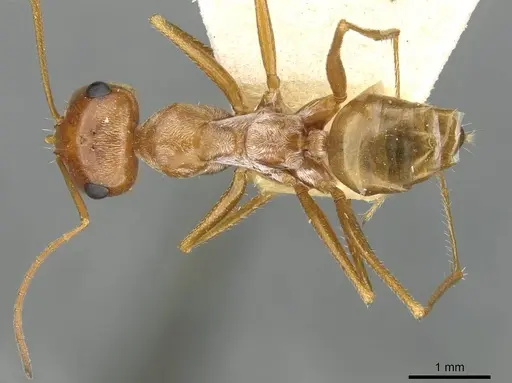
CASENT0917351
在 AntWeb 上查看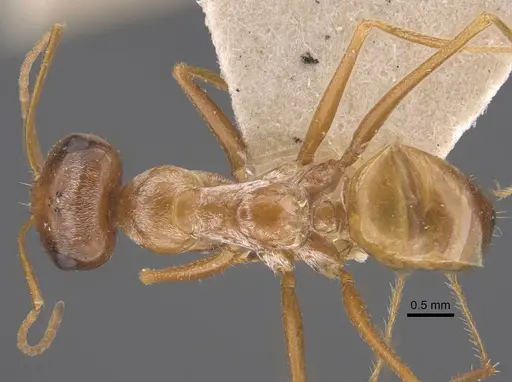
科学文献
正在加载分布地图...正在加载商品...