
Carebara lamellifrons
- 学名
- Carebara lamellifrons
- 族
- Crematogastrini
- 亚科
- Myrmicinae
- 命名者
- Forel, 1902
- 地理分布
- 分布于 0 个国家/地区
物种引言
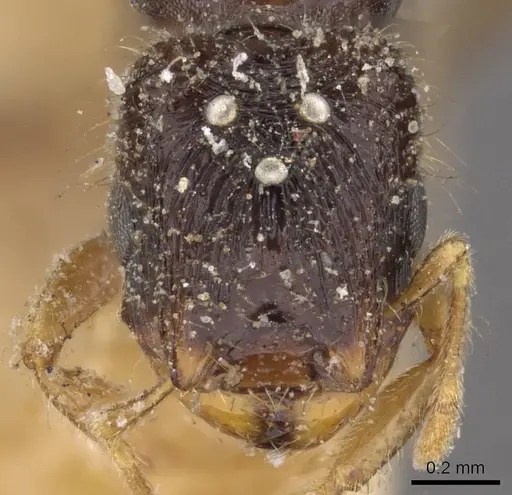
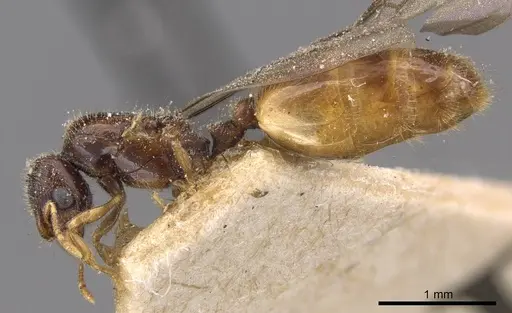
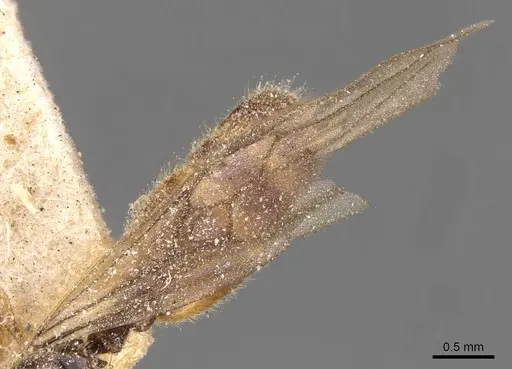
Carebara lamellifrons is a tiny, rarely documented ant species endemic to India. The species was originally described in 1902 from queen specimens collected in Belgaum, Karnataka, with subsequent records in West Bengal. What makes this species particularly unusual is that only the queen caste has been described - the worker caste remains unknown, which is extremely rare in ant taxonomy. Queens have distinctive 11-segmented antennae. The genus Carebara contains some of the world's smallest ants, often called miniature or pygmy ants. This species belongs to the subgenus Lecanomyrma and shows phragmotic adaptations in the queen, with a depressed cephalic shield.
Quick Summary
- Difficulty: Medium
- Origin & Habitat: Endemic to India, specifically recorded from Karnataka (Belgaum) and West Bengal. The species inhabits the Indomalaya region, likely in tropical to subtropical forest environments. Like other Carebara species, they probably nest in soil, under stones, or in rotting wood in shaded, humid microhabitats. [4]
- Colony Type: Unconfirmed colony structure. Only queen specimens have been documented, the worker caste has not been described, making it impossible to determine whether this species forms single-queen (monogyne) or multi-queen (polygyne) colonies. Based on typical Carebara genus patterns, expect major/minor worker polymorphism once colonies establish. [3][2]
- Size & Growth:
- Queen: Approximately 4.5 mm, inferred from genus patterns (exact measurement unavailable) [2]
- Worker: Unknown, worker caste has not been described [3]
- Colony: Likely up to several hundred workers based on related Carebara species [6]
- Growth: Unknown, likely moderate based on genus patterns
- Development: Estimated 6-8 weeks at optimal temperature based on related Carebara species. No direct data available for this species. (Development timeline is estimated from genus-level data since no species-specific research exists)
- Antkeeping:
- Temperature: Keep at 24-28°C (warm tropical conditions). Room temperature in most homes should work well. A slight temperature gradient allows ants to self-regulate.
- Humidity: Moderate to high humidity (60-80%). Keep substrate consistently moist but not waterlogged. These ants prefer damp forest-floor conditions. Mist occasionally and provide a water tube.
- Diapause: Unknown for this species. Indian ants from similar habitats may reduce activity during cooler months but true hibernation is unlikely. Monitor colony behavior and reduce feeding if they become less active.
- Nesting: Use a test tube setup for founding colonies. Once established (50+ workers), a Y-tong or plaster nest with small chambers works well. Provide moist substrate and minimal ventilation to maintain humidity. The tiny size means chambers should be appropriately scaled.
- Behavior: Behavior is unstudied for this specific species. Based on Carebara genus traits, they are likely predatory on small arthropods and may tend aphids for honeydew. Workers are tiny and may show moderate aggression when defending the nest. Escape prevention is critical due to their very small size, use fine mesh barriers and tight-fitting lids. They are likely nocturnal or crepuscular foragers. Queens exhibit phragmotic adaptations with a depressed cephalic shield that may be used for colony defense. [5]
- Common Issues: worker caste unknown, you may not be able to identify this species correctly in captivity since only queens are described, escape prevention is critical due to tiny size, they can squeeze through standard barriers, very limited information makes care recommendations uncertain, be prepared to experiment, slow colony growth is common with rare species, don't overfeed or disturb founding colonies, wild-caught colonies may have parasites or diseases since this species is rarely kept
Nest Preferences and Housing
Since only the queen caste has been described for Carebara lamellifrons, housing recommendations are based on typical Carebara genus behavior. For founding colonies, use a standard test tube setup with a water reservoir. The tube should be kept dark and undisturbed. Once the colony reaches 30-50 workers, you can move them to a small formicarium. Plaster or Y-tong nests work well because they hold humidity and provide appropriately sized chambers. The nest should have small, tight chambers scaled to their tiny size. Keep the nest area humid but ensure some dry areas exist for the ants to regulate moisture themselves. Avoid naturalistic setups with large open spaces, these tiny ants can become stressed in oversized enclosures. [6]
Feeding and Diet
Carebara ants are typically predatory and omnivorous, feeding on small arthropods, honeydew, and occasionally seeds. For this species, offer small live prey like fruit flies, pinhead crickets, and micro-arthropods. Sugar sources like honey water or sugar water are usually accepted. Feed small amounts every 2-3 days for founding colonies, increasing as the colony grows. Remove uneaten prey within 24 hours to prevent mold. Since worker morphology is unknown, start with very small prey items and observe what size they can handle. A constant sugar water supply is recommended once workers emerge. [6]
Temperature and Seasonal Care
Maintain temperatures between 24-28°C, which mimics their likely Indian tropical habitat. Room temperature (20-24°C) in most homes should be adequate, but a slight warming (using a heating cable on one side of the nest) may accelerate growth. Create a temperature gradient so ants can choose their preferred zone. Regarding seasonal care, diapause requirements are unknown for this species. Indian ants from similar latitudes typically remain active year-round with reduced activity in winter months. If your colony slows down during winter, reduce feeding frequency but maintain humidity. Do not dramatically lower temperatures unless the colony clearly enters dormancy. [6]
Behavior and Temperament
Specific behavior for Carebara lamellifrons has not been documented, but Carebara species in general are known for their predatory nature and moderate colony defense. Workers are tiny but may form swarms when the nest is threatened. The genus shows extreme size polymorphism in established colonies, with major workers (soldiers) significantly larger than minors. This polymorphism has not been observed in this species since workers remain undescribed. Foraging likely occurs at night or during twilight hours. Escape prevention is absolutely critical, their minute size means they can escape through standard mesh and gaps in lid seals. Use fluon on container edges and ensure all ventilation holes are covered with fine mesh (at least 0.5mm). Queens possess a phragmotic head structure that may be used for blocking nest entrances. [5]
Colony Establishment and Growth
Establishing a Carebara lamellifrons colony presents unique challenges since only queens have been scientifically described. If you obtain a founding queen, provide a quiet, dark test tube setup with stable humidity. The queen will likely seal herself in (claustral founding is typical for the genus) and survive on stored fat reserves while raising her first brood. First workers (nanitics) will be very small. Growth rates are unknown but likely moderate, expect 6-12 months to reach 50 workers under good conditions. Be patient with founding colonies and avoid the temptation to check on them too frequently, as disturbance can cause queens to abandon or eat their brood. Once workers emerge, colony growth typically accelerates. [6]
Defense Mechanism
Carebara lamellifrons belongs to the subfamily Myrmicinae, which uses a smear defense mechanism. These ants have a modified, flattened spatulate stinger used to wipe or smear venom onto enemies rather than piercing flesh. This is a common defense strategy in the Crematogastrini tribe. While not documented specifically for this species, it is the typical defense for this taxonomic group.
Frequently Asked Questions
How do I keep Carebara lamellifrons ants?
Use a test tube setup for founding colonies. Keep humidity moderate (60-80%) and temperatures around 24-28°C. Feed small live prey and sugar water. Once established, transfer to a small formicarium with appropriately sized chambers. Escape prevention is critical due to their tiny size.
What do Carebara lamellifrons eat?
Like other Carebara species, they likely eat small live prey (fruit flies, micro-arthropods) and sugar sources (honey water, sugar water). Start with tiny prey items and adjust based on what workers can handle.
How long does it take for Carebara lamellifrons to produce first workers?
Estimated 6-8 weeks from egg to worker at optimal temperature, based on related Carebara species. No specific data exists for this species, so timelines may vary.
Are Carebara lamellifrons good for beginners?
Not recommended for beginners. This is one of the least documented ant species in the hobby, only the queen has been scientifically described, and care must be inferred from genus-level information. The tiny size also requires excellent escape prevention.
Do Carebara lamellifrons ants sting?
Carebara ants are very small, and their stingers typically cannot penetrate human skin. They may bite if handled, but significant pain is unlikely. The main concern is their predatory nature toward small arthropods.
How big do Carebara lamellifrons colonies get?
Colony size is unknown for this species. Related Carebara species typically reach several hundred workers. The extreme size polymorphism (major and minor workers) seen in the genus has not been documented for this specific species.
Do Carebara lamellifrons need hibernation?
Diapause requirements are unknown. As a tropical Indian species, they likely do not require true hibernation but may reduce activity during cooler months. Monitor your colony and adjust care seasonally.
Why is Carebara lamellifrons so rarely kept?
Only the queen caste has been scientifically described, the worker caste remains unknown. This makes proper identification difficult and care information limited. The species is also endemic to only two regions in India (Karnataka and West Bengal).
Can I keep multiple Carebara lamellifrons queens together?
Colony structure (monogyne vs polygyne) is unconfirmed for this species. Combining unrelated queens is not recommended since it has not been documented and could result in fighting.
What is the best nest type for Carebara lamellifrons?
Test tubes work for founding. Once established (50+ workers), a Y-tong or plaster nest with small chambers maintains humidity well. Avoid large naturalistic setups, tiny ants do better in compact, appropriately scaled enclosures.
Report an Issue
The current care sheet is based fully on literature. See inconsistencies, or something that's incorrect? Please , it will be resolved after review from an admin. Contributing to the blogs tab also helps providing information, to make us be able to further improve the caresheets. Thank you for your support!
References

此饲养指南授权协议为 CC BY-SA 4.0 .
社区博客
CASENT0908890
在 AntWeb 上查看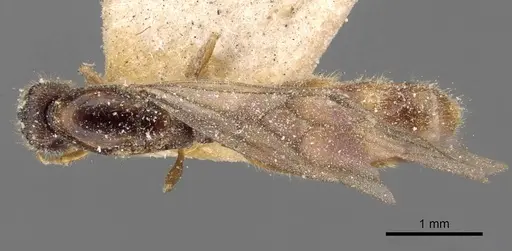
科学文献
正在加载分布地图...正在加载商品...