
Carebara butteli
- 学名
- Carebara butteli
- 族
- Crematogastrini
- 亚科
- Myrmicinae
- 命名者
- Forel, 1913
- 地理分布
- 分布于 0 个国家/地区
物种引言
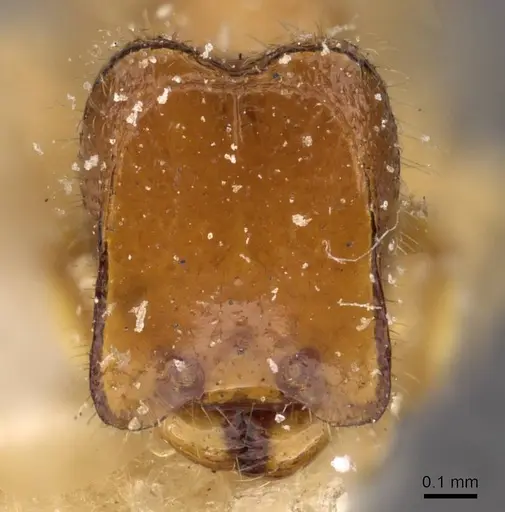
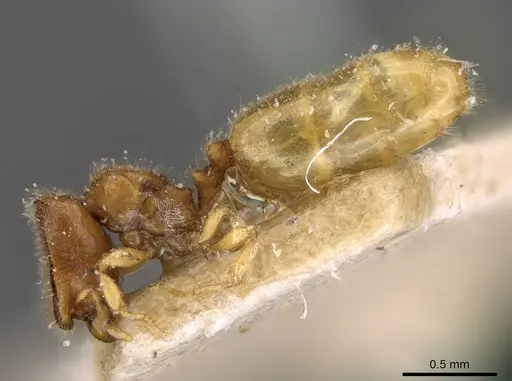
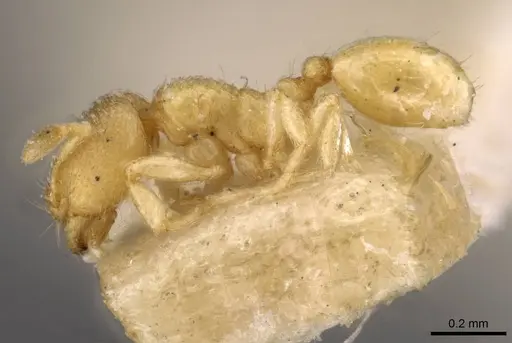
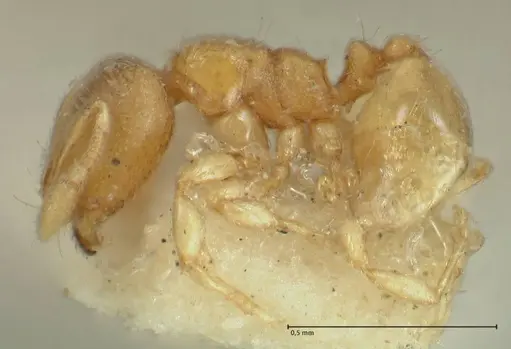
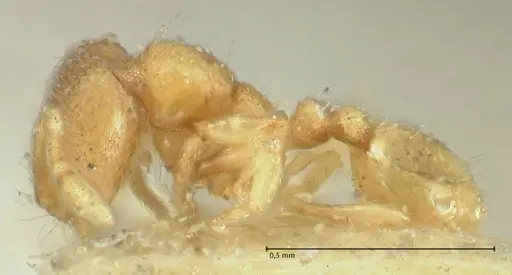
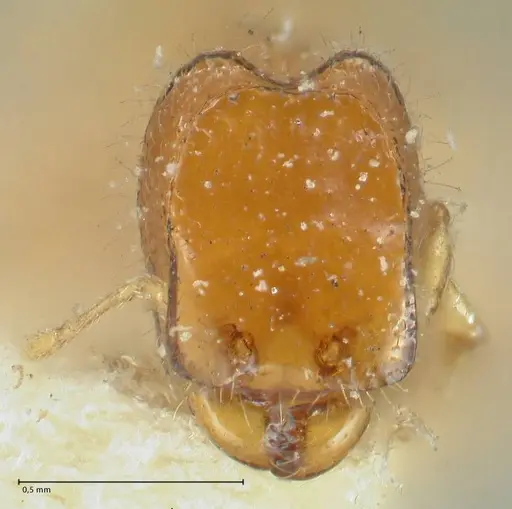
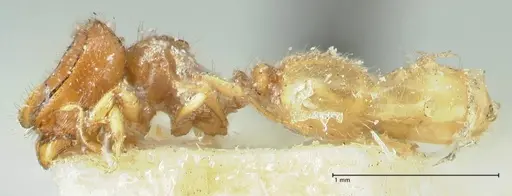
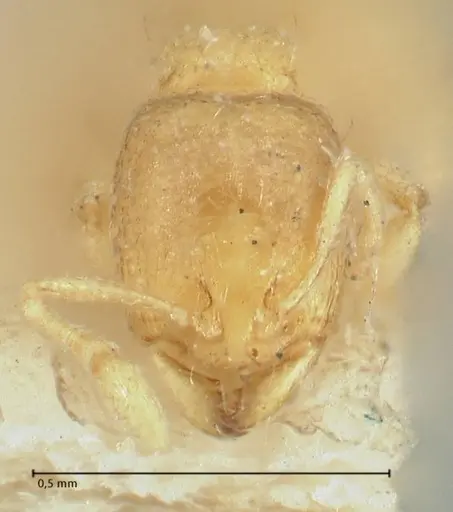
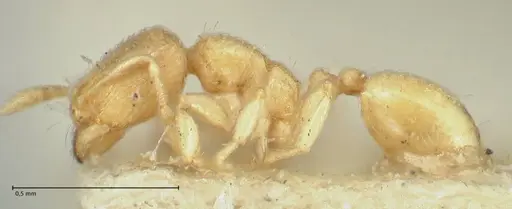
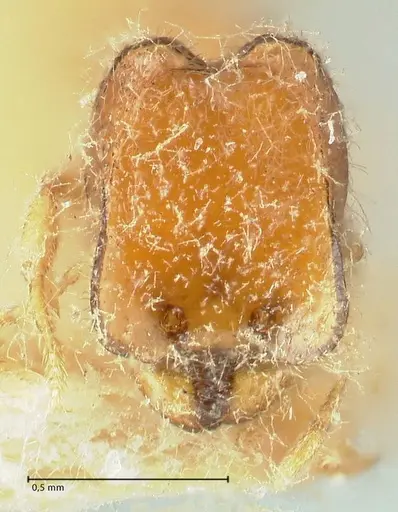
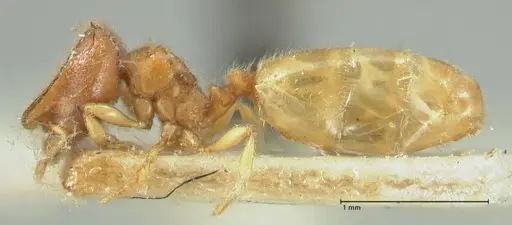
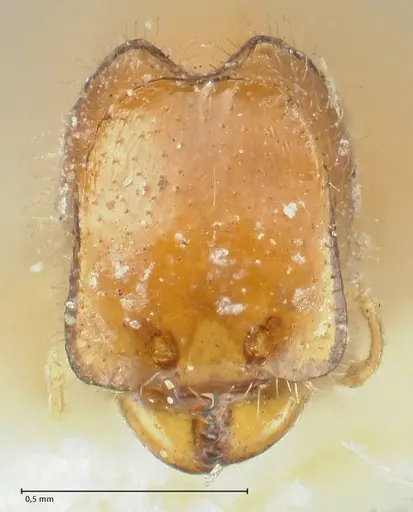
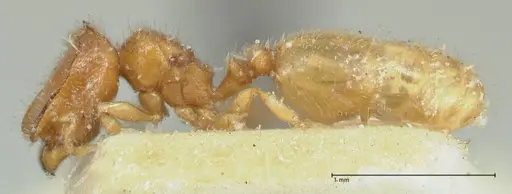
Carebara butteli is a tiny ant species native to Sri Lanka, one of only a handful of Carebara species that have phragmotic major workers. These majors have evolved remarkable shield-like heads that they use to block nest entrances, protecting the colony from intruders. The species was originally described in 1913 from specimens collected at Peradeniya in central Sri Lanka. Minor workers are extremely small, typical of the genus, while major workers develop distinctive large heads with horns on the posterolateral corners. This is a very rare species with extremely limited distribution, known only from Sri Lanka [AntWiki].
Quick Summary
- Difficulty: Expert
- Origin & Habitat: Sri Lanka (Indomalaya Region). Found in tropical forest habitats. Type locality is Peradeniya in central Sri Lanka [1].
- Colony Type: Colony structure is unconfirmed.
- Size & Growth:
- Queen: Size data unavailable.
- Worker: Minor workers are extremely small. Major workers have distinctive phragmotic morphology with 11 antennal segments [2].
- Colony: Likely reaches several thousand workers based on related species.
- Growth: Unknown.
- Development: Unconfirmed. (Development timeline has not been directly studied for this species.)
- Antkeeping:
- Temperature: Keep at tropical room temperature, roughly 24-28°C. No specific studies exist for this species.
- Humidity: Maintain moderate to high humidity. Keep nest substrate consistently moist but not waterlogged.
- Diapause: No. As a tropical Sri Lankan species, they do not require a diapause period.
- Nesting: No specific captive observations exist. In the wild, they likely nest in soil or rotting wood like other Carebara species. A small test tube setup or Y-tong nest with tight chambers scaled to their tiny size would be appropriate. Provide damp substrate.
- Behavior: Behavior is unstudied in captivity. In the wild, the phragmotic major workers use their shield-like heads to block nest entrances, this is called phragmosis. Minor workers likely forage for small prey and tend aphids for honeydew. They are extremely small and could escape through standard barrier setups. Expect shy, secretive colony with major workers acting as living door guards. Escape prevention must be excellent due to their minute size.
- Common Issues: extreme rarity makes obtaining this species nearly impossible, no captive breeding history exists, all colonies would be wild-caught, tiny size means escapes are likely without fine mesh barriers, completely unstudied in captivity, no established care protocols, phragmotic majors may be sensitive to disturbance and seal colonies off
Understanding Phragmosis
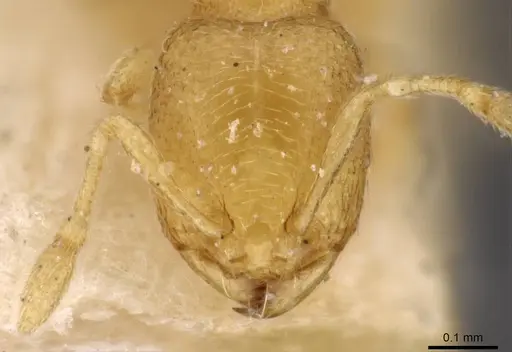
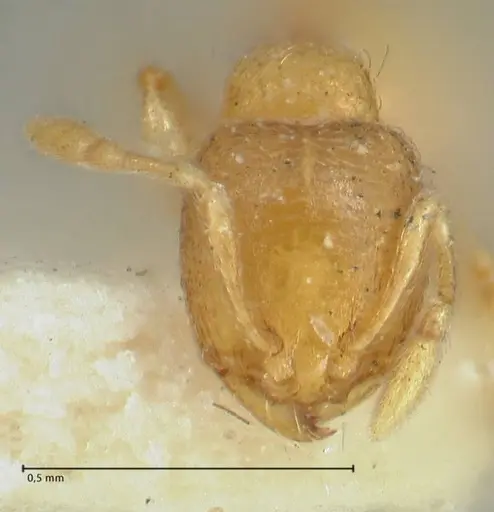
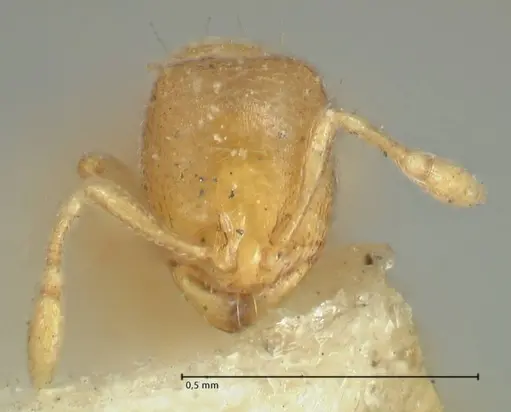
Carebara butteli is one of a small number of Carebara species with phragmotic major workers, soldiers that have evolved specialized shield-like heads. The major workers use their enlarged, flattened heads to physically block nest entrances, protecting the colony from predators and intruders. This remarkable adaptation gives them a living door that opens and closes as workers move in and out. The phragmosis involves the cranium, clypeus, and mandibles working together as a protective plate. Major workers also have a distinctive horn on the posterolateral corner of their head and 11 antennal segments, which helps distinguish them from other Carebara species [2]. This is an extraordinary morphological feature that makes this species particularly interesting for ant enthusiasts, though it also means the majors are highly specialized and likely cannot forage outside the nest.
Distribution and Rarity
Carebara butteli is endemic to Sri Lanka, meaning it is found nowhere else on Earth. The species was originally described from specimens collected at Peradeniya in central Sri Lanka, near the famous botanical gardens. This extremely limited distribution makes the species a conservation concern, as any habitat threats in this region could significantly impact wild populations. The species has rarely been observed since its original description, and there are very few documented collections. This rarity means that virtually no captive breeding history exists, and any antkeepers hoping to keep this species would need to source wild-caught colonies, which presents both ethical and practical challenges. The Indomalayan region of Sri Lanka supports diverse ant fauna, but many species, including C. butteli, remain poorly studied. [1]
Housing and Nest Setup
Since no captive care protocols exist for this species, keepers must make educated guesses based on related Carebara species and general antkeeping principles. Use a small test tube setup or a Y-tong nest with chambers scaled to their tiny size. The nest material should be kept consistently moist but not saturated. Given their likely forest floor origin in Sri Lanka, they probably prefer darker, more enclosed spaces and may be stressed by excessive light exposure. Because of their extremely small size, standard test tube barriers may not be sufficient, use fine mesh and consider applying Fluon to prevent escapes. The phragmotic majors may seal the colony into their nest chamber if disturbed, so minimize vibrations and handling.
Feeding and Nutrition
The natural diet of Carebara butteli has not been documented, but related Carebara species are omnivorous, feeding on small insects, honeydew from aphids, and occasionally seeds. For captive colonies, offer tiny prey items such as flightless fruit flies, small mealworms, and other appropriately-sized insects. Sugar water or honey can be offered occasionally, though many tiny Myrmicinae prefer honeydew sources. Feed small amounts every few days and remove uneaten food to prevent mold. Given their minute size, even small prey items may need to be cut into tinier pieces. Do not overfeed, small colonies can be overwhelmed by large food items.
Temperature and Seasonal Care
As a tropical species from Sri Lanka, Carebara butteli requires warm, stable temperatures. Aim for 24-28°C, which is typical room temperature in many homes. Avoid temperature drops below 22°C and sudden fluctuations. Unlike temperate species, they likely do not require a winter diapause period. However, some reduction in activity during Sri Lanka's drier months may occur naturally. If your colony shows reduced activity in winter, simply maintain stable temperatures without forcing activity. Do not refrigerate this species, as a tropical ant, it has no evolutionary adaptation to cold temperatures and would likely die.
Frequently Asked Questions
How hard is Carebara butteli to keep?
Carebara butteli is an expert-level species due to the complete lack of captive care information. There are no established protocols, no documented development timelines, and no successful captive breeding records to draw from. Only experienced antkeepers should attempt this species, and only if they can obtain a wild-caught colony ethically.
Where does Carebara butteli come from?
Carebara butteli is endemic to Sri Lanka, found only in that country. The type locality is Peradeniya in central Sri Lanka. It is one of the rarest Carebara species due to its extremely limited distribution.
What makes Carebara butteli special?
This is one of only a handful of Carebara species with phragmotic major workers, soldiers that have shield-like heads they use to block nest entrances. This remarkable adaptation makes them a living door for their colony. The species is also extremely rare and has barely been studied since its original description in 1913.
Can I keep multiple queens together?
This has not been studied for this species. Based on Carebara genus patterns, single-queen colonies are most common. Do not attempt combining unrelated queens without specific knowledge of this species' behavior.
How long does it take for eggs to become workers?
The development timeline is unconfirmed for this species. Based on similar tropical Myrmicinae, development likely takes several months at optimal temperature.
Do Carebara butteli ants sting?
Given their extremely small size, any sting would be negligible to humans. Most tiny Myrmicinae cannot penetrate human skin with their stinger. However, they may bite if handled roughly.
What do I feed Carebara butteli?
Offer tiny prey items like flightless fruit flies, small mealworms, and other appropriately-sized insects. Sugar water or honey can be offered occasionally. Remove uneaten food promptly to prevent mold in the small nest space.
Are Carebara butteli good for beginners?
No. This species is not recommended for beginners. There is no captive care information available, the species is extremely rare, and established protocols do not exist. Beginners should start with better-documented species.
How big do Carebara butteli colonies get?
Colony size is undocumented for this species. Based on related Carebara species, colonies likely reach several thousand workers. Major workers develop only in mature colonies.
Do they need hibernation?
No. As a tropical Sri Lankan species, they do not require a diapause or hibernation period. Maintain warm temperatures year-round.
Why are the major workers so strange-looking?
The major workers have evolved phragmotic morphology, specialized shield-like heads used to block nest entrances. This is a defensive adaptation where the enlarged head acts as a living door. They also have distinctive horns on the back of their heads and 11 antennal segments.
Report an Issue
The current care sheet is based fully on literature. See inconsistencies, or something that's incorrect? Please , it will be resolved after review from an admin. Contributing to the blogs tab also helps providing information, to make us be able to further improve the caresheets. Thank you for your support!
References

此饲养指南授权协议为 CC BY-SA 4.0 .
社区博客
CASENT0908888
在 AntWeb 上查看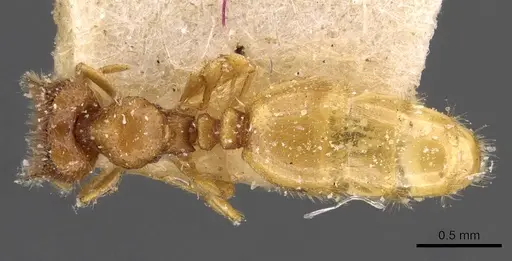
CASENT0908889
在 AntWeb 上查看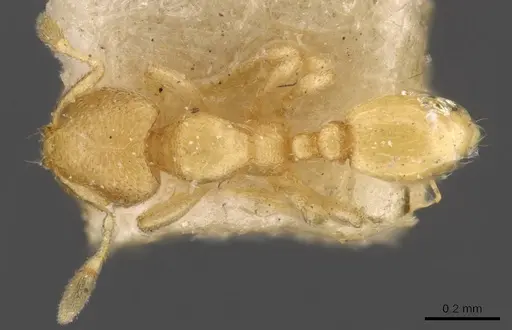
FOCOL1907
在 AntWeb 上查看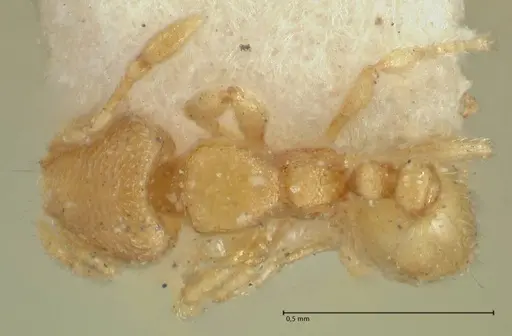
FOCOL1908
在 AntWeb 上查看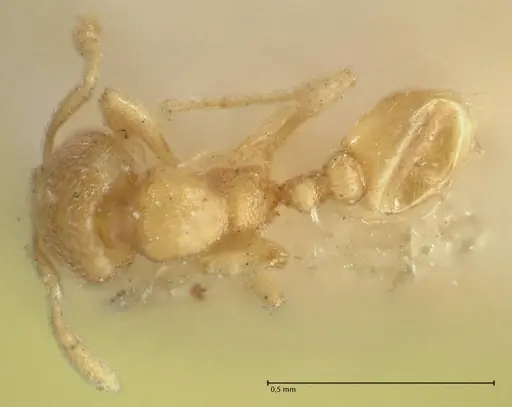
FOCOL1909
在 AntWeb 上查看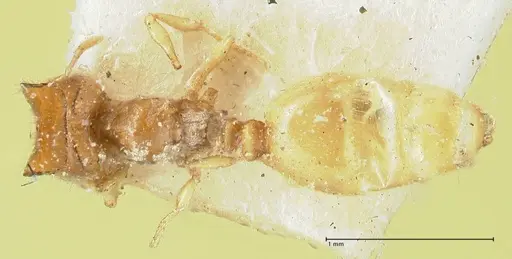
FOCOL1910
在 AntWeb 上查看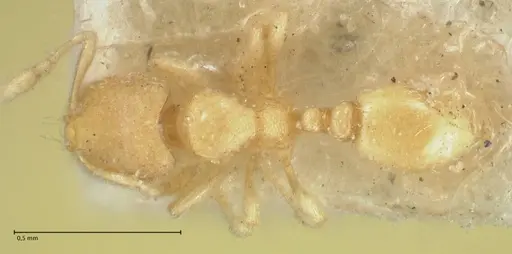
FOCOL1911
在 AntWeb 上查看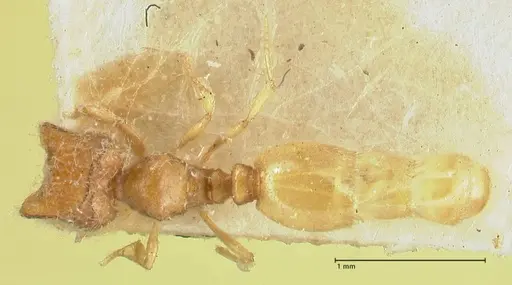
FOCOL1912
在 AntWeb 上查看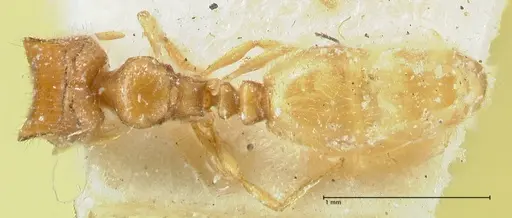
科学文献
正在加载分布地图...正在加载商品...