
Carebara angolensis
- 学名
- Carebara angolensis
- 族
- Crematogastrini
- 亚科
- Myrmicinae
- 命名者
- Santschi, 1914
- 地理分布
- 分布于 0 个国家/地区
物种引言
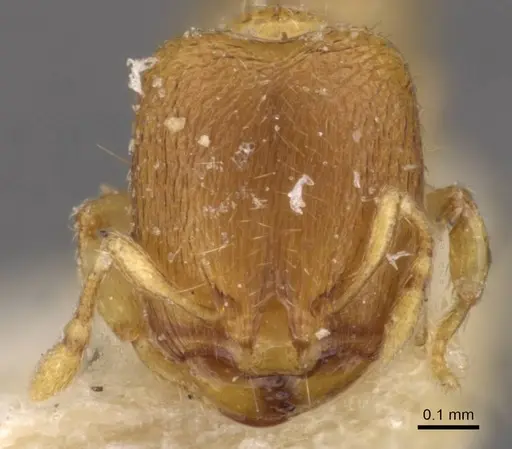
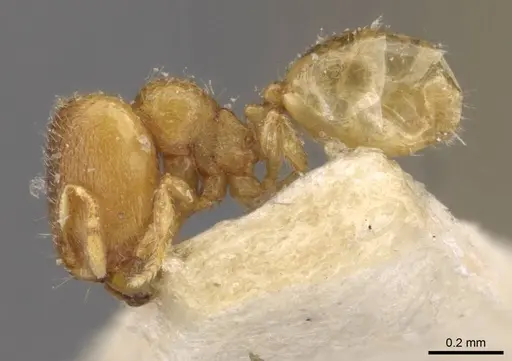
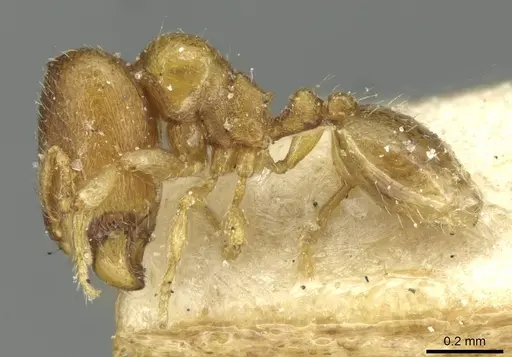
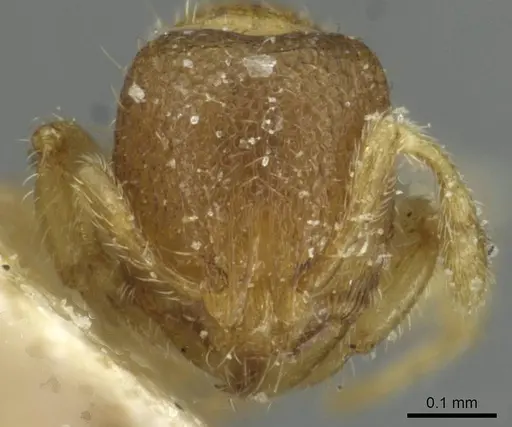
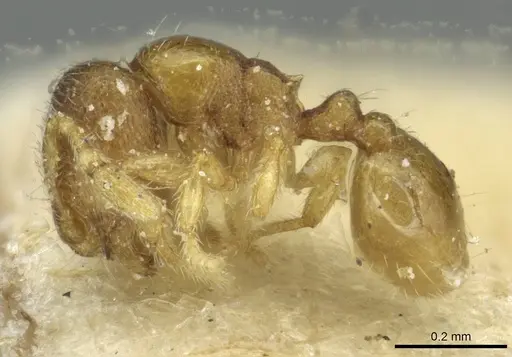
Carebara angolensis is a tiny predatory ant species from the Myrmicinae subfamily, native to Central Africa. The species was originally described from Angola and has been recorded in the Democratic Republic of Congo . Size data for this species is unavailable, but based on the Carebara genus, workers are very small. These ants hunt small micro-arthropods like springtails and mites . Colonies are small compared to many tropical ants, and their minute size requires careful containment to prevent escapes . One notable aspect is their specialized predatory behavior, which makes them interesting for antkeepers who enjoy observing hunting tactics .
Quick Summary
- Difficulty: Medium
- Origin & Habitat: Central Africa (Angola, Democratic Republic of Congo), in tropical forest habitats [1][2].
- Colony Type: Colony structure is unconfirmed for this species, but based on Carebara patterns, likely monogyne [2].
- Size & Growth:
- Queen: Size data unavailable, inferred from Carebara genus
- Worker: Size data unavailable, inferred from Carebara genus
- Colony: Colonies are small, but maximum size unknown [2]
- Growth: Moderate
- Development: Estimated 6-10 weeks based on genus patterns [2] (Development time is inferred from related Carebara species)
- Antkeeping:
- Behavior: These are shy, non-aggressive ants that avoid confrontation. Workers are slow-moving and primarily nocturnal foragers. Defense mechanism: Smear, using a modified stinger to wipe venom onto enemies. Their tiny size makes escape prevention critical [2].
- Common Issues: escape prevention is critical due to their very small size, use fine mesh barriers., slow colony growth requires patience., wild-caught colonies may carry parasites., overfeeding can lead to mold in small nests., they require small live prey for protein.
Housing and Nest Setup
Carebara angolensis requires careful housing due to their minute size. Y-tong (AAC) nests or plaster nests with narrow chambers work best, the chambers should be sized appropriately for their tiny workers. Test tube setups are also suitable for founding colonies. The foraging area must be well-contained with fine mesh to prevent escapes. These ants do not require large spaces, a modest formicarium with a connected foraging arena is sufficient. Ensure the nest material can retain moisture as these ants prefer humid conditions [2].
Feeding and Diet
Carebara angolensis is a specialized predator that requires live small prey. Their primary food source should be micro-arthropods such as springtails, tiny mites, and fruit fly larvae. They are unlikely to accept larger prey items. Sugar sources may be accepted occasionally, but protein-rich live prey is essential for colony health and growth. Feed every 2-3 days, offering small amounts that can be consumed within 24 hours. Remove uneaten prey promptly to prevent mold issues [2].
Temperature and Humidity
Maintain warm, humid conditions typical of their tropical habitat. Temperature should be kept between 24-28°C, use a heating cable placed on top of the nest if room temperature is insufficient. Humidity should be high, the nest substrate should remain consistently moist but never waterlogged. A water reservoir connected to the nest helps maintain stable humidity. Monitor condensation levels as an indicator of proper humidity [2].
Colony Development
Colony growth is moderate but can appear slow due to the small colony sizes. The queen lays eggs sequentially, and the first workers (nanitics) will be smaller than mature workers. Development from egg to worker likely takes 6-10 weeks at optimal temperatures. Mature colonies may reach several hundred workers, but maximum size is unknown. The colony will expand gradually over several years. Patience is essential, these are not fast-growing ants [2].
Behavior and Temperament
Carebara angolensis is a peaceful species that avoids confrontation. Workers are not aggressive and rarely attempt to sting, though their small size makes any sting ineffective on human skin. They are primarily nocturnal foragers, searching for small prey items. Workers communicate through chemical trails and may form small foraging groups. Their shy nature means they may retreat from disturbance rather than engage. Defense mechanism: Smear, using a modified stinger to wipe venom onto enemies.
Frequently Asked Questions
How long does it take for Carebara angolensis to have first workers?
Based on typical Carebara development, expect first workers (nanitics) approximately 6-10 weeks after the queen lays eggs, assuming optimal temperatures of 25-28°C. This is an estimate based on genus patterns [2].
What do Carebara angolensis eat?
They require small live prey, springtails, tiny mites, and fruit fly larvae are ideal. They are specialized predators and unlikely to accept larger prey items. Occasional sugar water may be accepted but should not replace protein sources [2].
Can I keep Carebara angolensis in a test tube?
Yes, test tubes work well for founding colonies. Ensure the cotton barrier is packed tightly and cover any openings with fine mesh to prevent escapes. Once the colony reaches a reasonable size, consider moving to a small formicarium [2].
Do Carebara angolensis ants sting?
They have a stinger but due to their tiny size, it cannot penetrate human skin effectively. They are not considered dangerous or aggressive [2].
How big do Carebara angolensis colonies get?
Colonies are small, but maximum size is unknown. Based on related species, they may reach several hundred workers, but this is not confirmed [2].
What temperature do Carebara angolensis need?
Keep them warm at 24-28°C with a gradient. This is typical for tropical ants and supports optimal brood development [2].
Do Carebara angolensis need hibernation?
Unknown, as a tropical species, diapause is unlikely. However, slight temperature reduction during winter months may be acceptable if room temperature drops naturally [2].
Why are my Carebara angolensis dying?
Common causes include: escape through tiny gaps (check all barriers), insufficient live prey (they need protein), improper humidity (too dry or too wet), and temperature stress (too cold). Wild-caught colonies may also carry parasites [2].
Are Carebara angolensis good for beginners?
They are rated as medium difficulty. Their small size and escape risk make them more challenging than larger species, but their peaceful temperament and modest space requirements are advantages. They require more specialized care than common species like Lasius or Camponotus [2].
When should I move Carebara angolensis to a formicarium?
Move them when the test tube becomes crowded or when the water reservoir is depleted. Ensure the new setup maintains the same humidity levels they are accustomed to [2].
Report an Issue
The current care sheet is based fully on literature. See inconsistencies, or something that's incorrect? Please , it will be resolved after review from an admin. Contributing to the blogs tab also helps providing information, to make us be able to further improve the caresheets. Thank you for your support!
References

此饲养指南授权协议为 CC BY-SA 4.0 .
社区博客
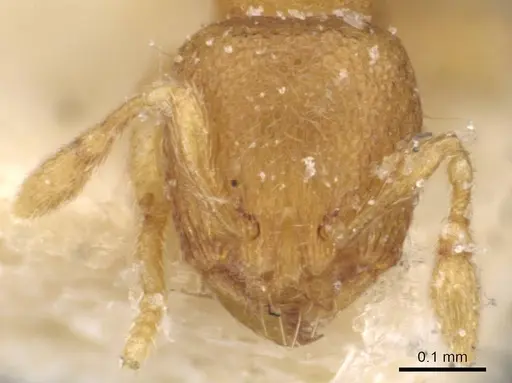
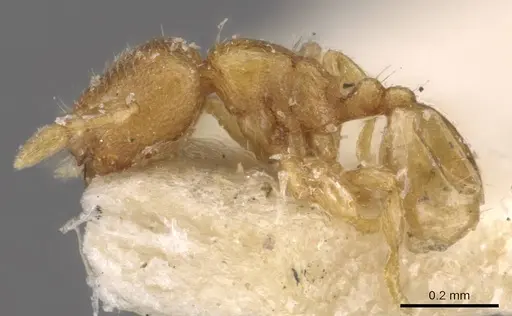
CASENT0908895
在 AntWeb 上查看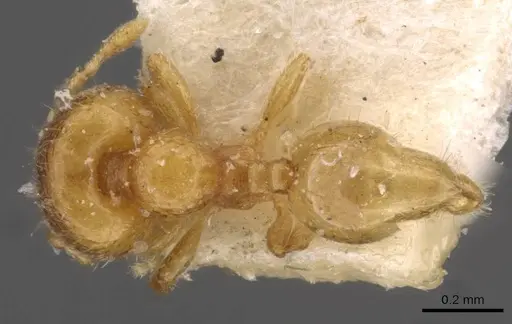
CASENT0908896
在 AntWeb 上查看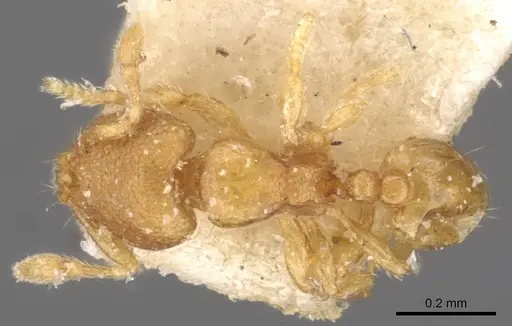
CASENT0913494
在 AntWeb 上查看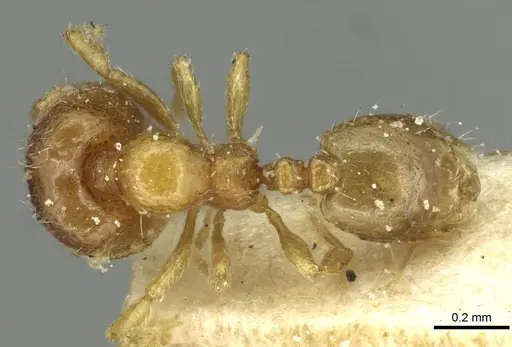
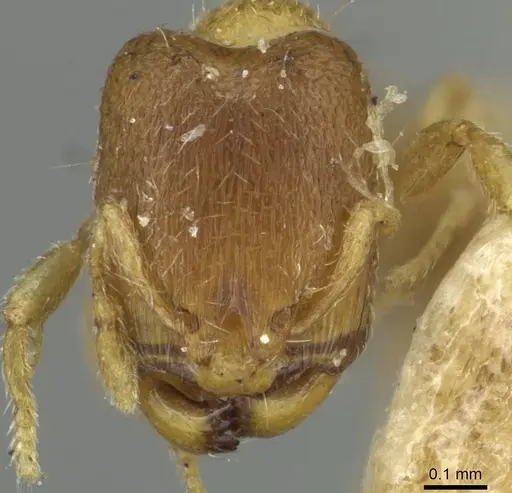
CASENT0913495
在 AntWeb 上查看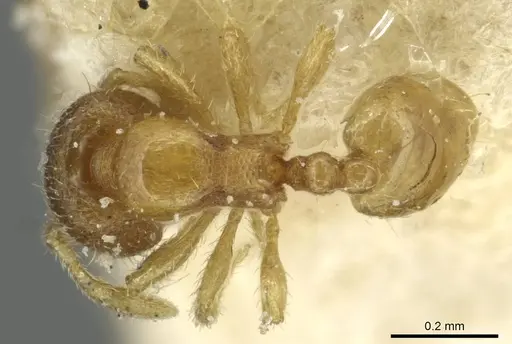
科学文献
正在加载分布地图...正在加载商品...