
Cardiocondyla yoruba
- 学名
- Cardiocondyla yoruba
- 族
- Crematogastrini
- 亚科
- Myrmicinae
- 命名者
- Rigato, 2002
- 地理分布
- 分布于 0 个国家/地区
物种引言
Cardiocondyla yoruba is an exceptionally tiny ant species native to West Africa, measuring just 1.6-1.7mm in total length. Workers have a distinctive two-tone appearance with a blackish brown gaster (the rear body section) contrasting against yellowish or yellowish-brown head, thorax, and legs. The head is notably long and rectangular, with very short antennae and short but well-developed propodeal spines. This species belongs to the Cardiocondyla wroughtonii group and is closely related to Cardiocondyla emeryi and C. yemeni. Found in Ghana, Ivory Coast, Nigeria, and Senegal, C. yoruba inhabits anthropogenically disturbed areas such as grassy patches next to paved roads in urban centers and paths in suburban areas. The biology of this species remains largely unstudied - only the worker caste has been described, and nothing is known about their queen, colony founding, or development.
Quick Summary
- Difficulty: Expert
- Origin & Habitat: West Africa (Ghana, Ivory Coast, Nigeria, Senegal), found in anthropogenically disturbed areas such as urban grassy patches and suburban paths [1][2]
- Colony Type: Colony structure unconfirmed, only worker caste has been described, queen unknown [2]
- Size & Growth:
- Antkeeping:
- Temperature: Keep around 24-28°C, these are tropical ants from West Africa. Use a heating cable on one side of the nest to create a gradient.
- Humidity: Moderate humidity around 50-70%. Keep substrate slightly moist but allow some drying between waterings.
- Diapause: Unknown, tropical species may not require formal diapause, but may show reduced activity during cooler periods
- Nesting: Use small test tubes or a Y-tong nest with very small chambers scaled to their tiny size. Their natural nesting in disturbed ground areas suggests they do well in compact, humid-friendly setups
- Behavior: Behavior is unstudied. Based on typical Cardiocondyla behavior, expect ground-nesting ants that likely form small colonies. Their tiny size means escape prevention is critical, they can squeeze through the smallest gaps. Handle with extreme care as they are barely visible. Likely non-aggressive toward humans and unlikely to sting effectively due to their minute size.
- Common Issues: their extremely small size makes them difficult to house and observe, escape prevention must be excellent, lack of biological data means care is largely experimental, colony failure is likely without proper conditions, no queen or colony founding information available, establishing a colony may be extremely difficult, wild-caught colonies may have parasites or diseases that kill them in captivity, slow or absent colony growth due to unknown requirements can frustrate even experienced keepers
Species Identification and Appearance
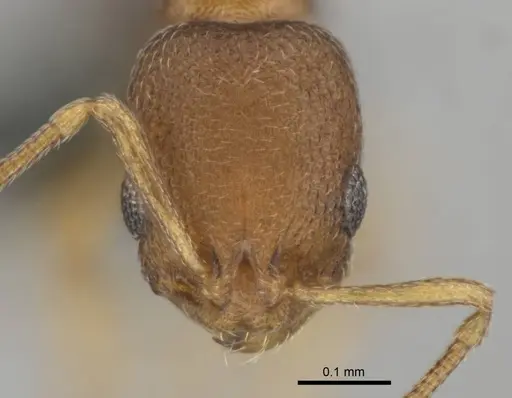
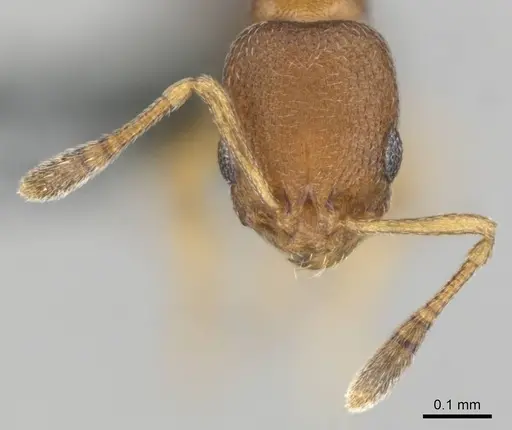
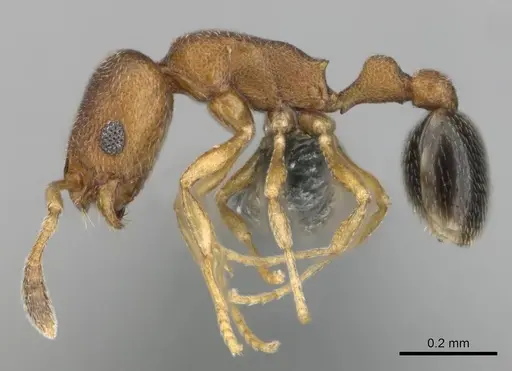
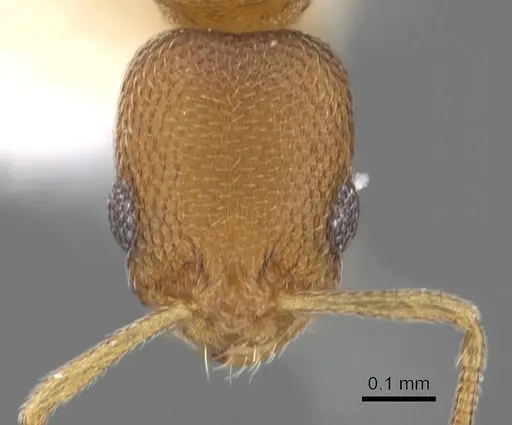
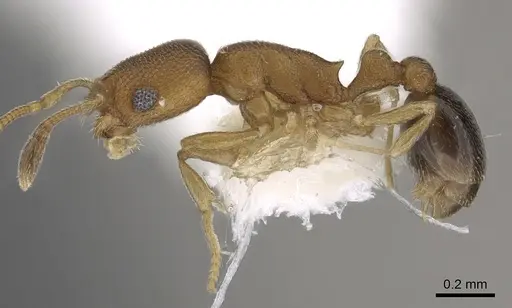
Cardiocondyla yoruba is one of the smallest ant species you can keep, with workers measuring just 1.6-1.7mm in total length. The most distinctive feature is the two-tone coloration: the gaster (rear section) is blackish brown while the head, alitrunk (middle section), legs, and antennae are yellowish to yellowish-brown. The head is notably long and rectangular, almost appearing stretched. Propodeal spines are present but short and almost triangular in shape. The petiolar node is well-developed and rounded when viewed from above. These ants belong to the Cardiocondyla wroughtoniii species group and are very similar to C. yemeni, requiring careful measurement to distinguish them. Their tiny size means you will need excellent lighting and magnification to observe them properly. [1][2]
Natural Habitat and Distribution
This species is native to West Africa, specifically found in Ghana, Ivory Coast, Nigeria, and Senegal. Unlike many ant species that prefer pristine habitats, C. yoruba thrives in anthropogenically disturbed areas. Specimens have been collected from a grassy patch adjacent to a paved road in central Accra, Ghana, and from a path in the suburban area of Bondoukou, Ivory Coast. This suggests they are highly adaptable and can tolerate urban environments. The species was described in 2002 by Rigato based on specimens collected in Ibadan, Nigeria, and more recent surveys indicate they are more common than initially estimated, having been found at seven different sites in Nigeria. [1][2]
Housing and Nest Setup
Housing Cardiocondyla yoruba presents unique challenges due to their minute size. Use test tubes with very small water reservoirs, or a Y-tong nest with chambers scaled to their tiny dimensions. Standard formicarium chambers may be too large and make the ants feel insecure. The nest material should be able to hold moisture well, plaster or acrylic nests work better than wooden setups. Because of their extremely small size, escape prevention is critical. Even standard test tube setups can allow these ants to escape through tiny gaps. Use cotton plugs that are packed firmly, and consider adding a fluon barrier around any opening. A small outworld area is sufficient, these are not large foragers. Provide a shallow water source like a damp cotton ball, as they cannot swim and can drown in deep water dishes.
Feeding and Nutrition
The diet of Cardiocondyla yoruba has not been documented in scientific literature. Based on typical Cardiocondyla feeding habits, they likely consume small insects, honeydew, and nectar. For captive care, offer tiny prey items such as springtails, fruit flies, or other very small insects. Sugar water or honey diluted with water may be accepted, though this is unconfirmed. Feed small amounts of protein (tiny insects) a few times per week, and keep a constant sugar water source. Remove any uneaten food promptly to prevent mold, which can be deadly to small colonies. Due to their tiny size, even small prey items may be too large, consider chopping insects into smaller pieces or culturing extra small feeder insects.
Temperature and Humidity Requirements
As a tropical West African species, Cardiocondyla yoruba requires warm temperatures. Aim for 24-28°C in the nest area, with a slight gradient allowing workers to move between warmer and cooler zones. A heating cable placed on one side of the nest can create this gradient effectively. Place the heating on top of the nest material rather than underneath to avoid excessive drying. For humidity, target around 50-70% relative humidity. Keep the nest substrate slightly moist but not waterlogged. These ants inhabit urban and suburban areas with variable conditions, suggesting they can tolerate some range in humidity. Monitor for condensation, excessive moisture can be as problematic as dryness for these tiny ants.
Challenges and Limitations
Keeping Cardiocondyla yoruba presents significant challenges. The most fundamental issue is that almost nothing is known about their biology, we do not know what their queen looks like, how they found colonies, when they have nuptial flights, or what their exact temperature and humidity preferences are. The queen caste has never been described, meaning you cannot establish a colony from a founding queen unless you find a wild colony. Even finding workers in the wild requires careful searching in urban areas. This species is recommended only for expert antkeepers who are comfortable with experimental care and can document their observations carefully. Expect high failure rates and be prepared to adjust conditions based on colony response. Consider this species a documentation project rather than a typical antkeeping experience. [2]
Frequently Asked Questions
How long does it take for Cardiocondyla yoruba to develop from egg to worker?
The development timeline has not been studied for this species. There is no data available to make any estimate.
Can I keep Cardiocondyla yoruba in a test tube setup?
Yes, test tubes work well but must be scaled to their tiny size. Use small test tubes with appropriately sized cotton plugs packed firmly. Escape prevention is critical, these ants are extremely small and can squeeze through gaps that seem insignificant. Consider adding fluon barriers to any potential escape routes.
What do Cardiocondyla yoruba ants eat?
Their diet is unconfirmed. Based on typical Cardiocondyla behavior, offer tiny insects like springtails or fruit flies, and sugar water or diluted honey. Start with small prey items and observe acceptance. Remove uneaten food promptly to prevent mold.
Are Cardiocondyla yoruba ants good for beginners?
No. This species is not recommended for beginners. Almost nothing is known about their biology, queen caste has never been described, and establishing colonies is extremely difficult. This is an expert-level species best suited for experienced antkeepers who can handle experimental care.
Do Cardiocondyla yoruba ants sting?
Due to their extremely small size (1.6-1.7mm), any sting would be negligible and unlikely to penetrate human skin. They are not considered dangerous or aggressive toward humans.
What temperature do Cardiocondyla yoruba ants need?
Keep nest temperatures around 24-28°C. These are tropical West African ants requiring warm conditions. Use a heating cable on one side of the nest to create a temperature gradient, allowing workers to self-regulate.
How big do Cardiocondyla yoruba colonies get?
Colony size is unknown, no colony data exists for this species.
Do Cardiocondyla yoruba ants need hibernation?
Diapause requirements are unknown. As a tropical species from West Africa, they likely do not require formal hibernation but may show reduced activity during cooler periods. Do not attempt cold treatment without evidence this is beneficial.
Where can I find Cardiocondyla yoruba ants?
This species is found in West Africa (Ghana, Ivory Coast, Nigeria, Senegal) in anthropogenically disturbed areas. Look in grassy patches near paved roads or paths in suburban areas. Finding them requires careful searching in urban environments, they are tiny and easily overlooked.
Why are my Cardiocondyla yoruba ants dying?
Without biological data, diagnosing problems is extremely difficult. Common issues likely include: temperature too low or too high, humidity inappropriate, escape-related losses, starvation due to unaccepted food, or disease from wild-caught colonies. Document your conditions carefully and adjust incrementally. Consider that this species may simply not thrive in captivity given how little we know about their requirements.
Report an Issue
The current care sheet is based fully on literature. See inconsistencies, or something that's incorrect? Please , it will be resolved after review from an admin. Contributing to the blogs tab also helps providing information, to make us be able to further improve the caresheets. Thank you for your support!
References

此饲养指南授权协议为 CC BY-SA 4.0 .
社区博客
CASENT0815641
在 AntWeb 上查看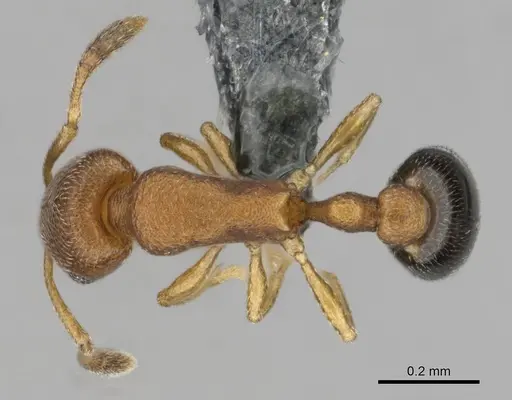
CASENT0901752
在 AntWeb 上查看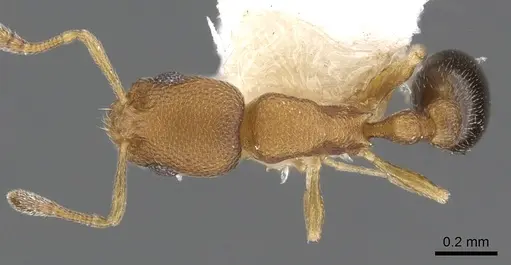
科学文献
正在加载分布地图...正在加载商品...