
Cardiocondyla tjibodana
- 学名
- Cardiocondyla tjibodana
- 族
- Crematogastrini
- 亚科
- Myrmicinae
- 命名者
- Karavaiev, 1935
- 地理分布
- 分布于 0 个国家/地区
物种引言
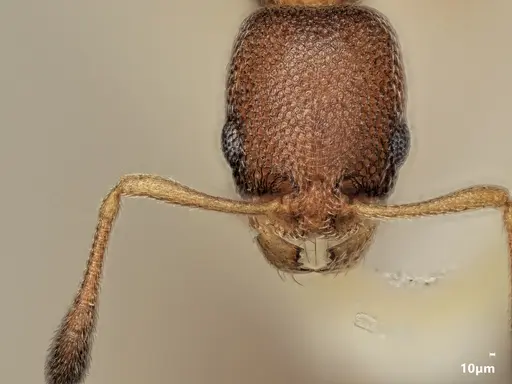
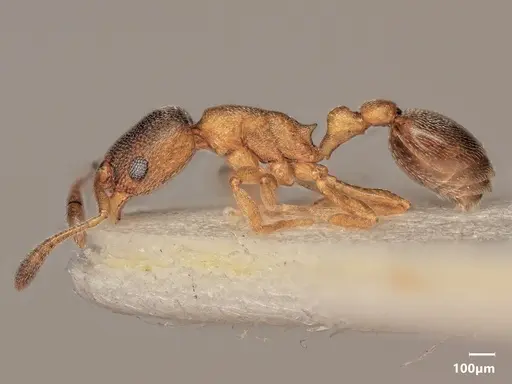
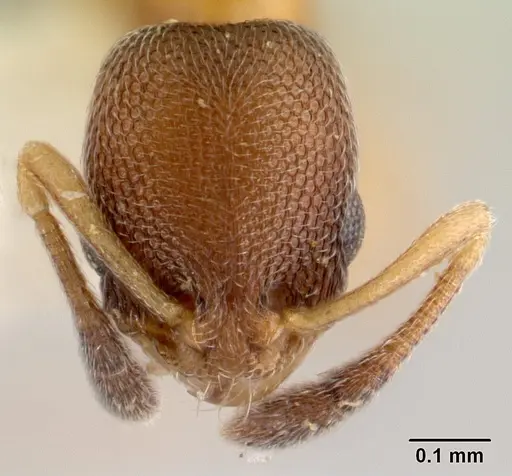
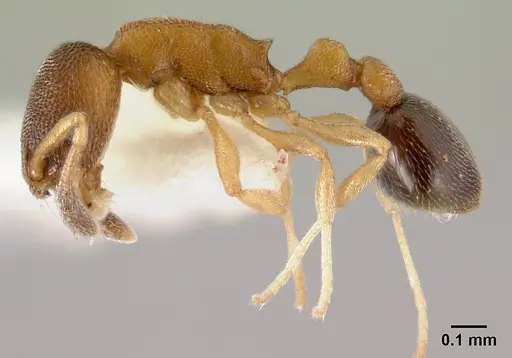
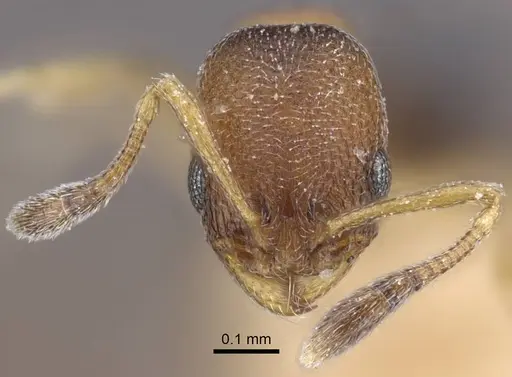
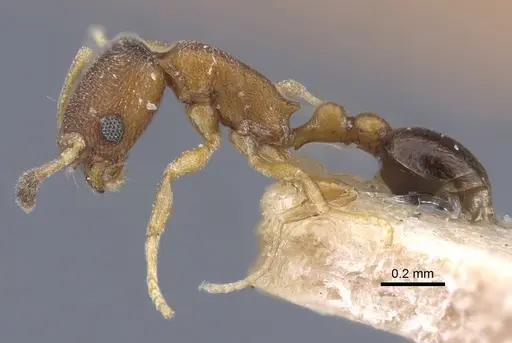
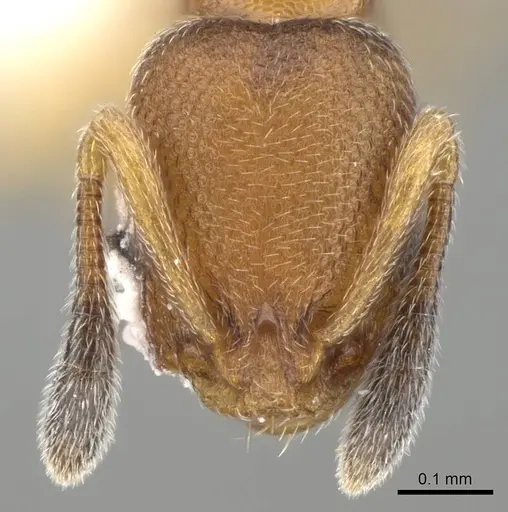
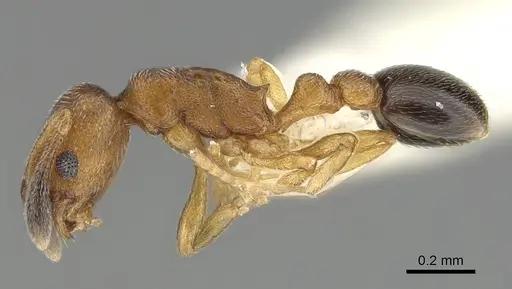
Cardiocondyla tjibodana is a tiny ant species belonging to the Cardiocondyla minutior species group. Workers are small - around 2mm in length, inferred from the Cardiocondyla genus. They have an elongated head, short spines, and a distinctive color pattern: the mesosoma (middle body section) is warm orange to yellow while the abdomen (gaster) is dark brown to black . This species is native to Southeast Asia and the Indo-Malayan region, found across the Philippines, Malaysia, Indonesia, and New Guinea, though it has also spread to remote locations like Belize and Guam . What makes C. tjibodana unique is its male system - it produces both winged males and wingless males (ergatoids) within the same colony. Wingless males have powerful, shear-shaped mandibles they use to kill rival male pupae and monopolize mating with new queens . This species is polygynous, meaning colonies have multiple queens that coexist and reproduce together .
Quick Summary
- Difficulty: Easy
- Origin & Habitat: Native to Southeast Asia and the Indo-Malayan region, Philippines, Malaysia, Indonesia (Java, Sulawesi), New Guinea. Found in disturbed, open areas with bare or weakly herbaceous ground, often nesting in shallow soil [1][3][7].
- Colony Type: Polygynous (multi-queen) colonies with multiple reproductive queens living together. Colonies reproduce through budding, new queens leave with workers to establish satellite nests. Intranidal mating occurs inside the nest [5][6].
- Size & Growth:
- Queen: ~2mm, inferred from Cardiocondyla genus (no specific total length data available)
- Worker: ~2mm, inferred from Cardiocondyla genus (no specific total length data available)
- Colony: Small colonies, under 100 workers based on related species data [8]
- Growth: Moderate, queens are short-lived (less than one year) but produce eggs continuously
- Development: Unknown, specific development time has not been studied (Brood development rate unconfirmed. Queens lay 4-6 eggs consistently throughout their lifespan [5].)
- Antkeeping:
- Temperature: Keep warm at 24-27°C. This matches their tropical origin and the experimental conditions used in research (27°C day / 23°C night cycle) [6].
- Humidity: Moderate humidity around 60-70%. These ants nest in shallow soil in areas with some moisture, keep the nest substrate lightly moist but not waterlogged.
- Diapause: No, being a tropical species, they do not require hibernation. Maintain warm temperatures year-round.
- Nesting: Shallow nests work best. These tiny ants do well in small test tubes, plaster nests, or nests with tight chambers. Avoid large, open spaces, scale the nest to their small size.
- Behavior: Generally peaceful and non-aggressive. Workers are small and slow-moving, foraging individually for small prey and honeydew. They are not known to sting and pose no danger to keepers. The main concern is escape prevention, they can squeeze through tiny gaps. Use fine mesh and tight-fitting barriers. The most interesting behavior is the male competition: wingless males actively hunt and kill rival male pupae to monopolize mating opportunities [5][6].
- Common Issues: escape prevention is critical, they are small and will squeeze through the smallest gaps, colonies stay small, don't expect large worker numbers like some other ants, queens are short-lived (median ~4 months) so colony turnover happens faster than long-lived species, low brood production is normal, only about 40% of experimental colonies produced workers under lab conditions, test tube setups must have very small water reservoirs to avoid flooding these tiny ants
Housing and Nest Setup
Because of their small size, Cardiocondyla tjibodana needs carefully scaled housing. Test tubes work well, use small diameter tubes with a cotton plug and a small water reservoir. The reservoir should be very small to prevent flooding these minute ants. Plaster nests with tight, narrow chambers are also suitable. Avoid large, open spaces in the outworld, these ants feel secure in compact areas. Escape prevention is critical: use fine mesh on any ventilation holes and apply fluon or other barriers to the rim of the nest. Even the tiniest gap will allow escape. [1][7]
Feeding and Diet
Like other Cardiocondyla species, C. tjibodana is an omnivore that accepts small prey and sugar sources. In research settings, they were fed chopped cockroaches, fruit flies, and drops of honey twice weekly [6]. Offer small live prey like fruit flies, pinhead crickets, or springtails. Sugar water, honey, or diluted syrup can be provided as a constant energy source. Because they are so small, portion sizes should be tiny, a drop of honey is plenty. Remove uneaten food promptly to prevent mold.
Temperature and Seasonal Care
Maintain warm temperatures year-round, ideally around 24-27°C. This matches their tropical Southeast Asian origin and the conditions used in laboratory studies [6]. A gentle temperature gradient is beneficial, allow the ants to choose their preferred spot. No hibernation or diapause is required. Room temperature in most homes (20-24°C) may be slightly cool, consider using a heating cable on one side of the nest to achieve optimal temperatures. Avoid temperature drops below 20°C.
Understanding Their Unique Male System
One of the most fascinating aspects of C. tjibodana is their male diphenism, colonies produce two types of males simultaneously. Winged males look like typical ant males with long antennae, well-developed eyes, and dark brown coloration. Wingless (ergatoid) males are amber-colored with small eyes and powerful, shear-shaped mandibles [5][6].
The wingless males attempt to monopolize mating by searching the brood pile for rival male pupae and killing them with their strong mandibles. This ensures they are the only males available when new queens emerge. Interestingly, winged males can stay in the nest their entire lives and mate with nestmates, they are not forced to leave like in many other ant species [5]. Both male types coexist in the same colony, though wingless males are less common.
Colony Structure and Reproduction
C. tjibodana is polygynous, colonies contain multiple queens that all reproduce. This is different from many ants that have just one queen per colony. Queens are relatively short-lived compared to other ants, with a median lifespan of about 4 months (122 days), though some live up to 9 months [5]. This matches their r-selected life history, they produce many offspring quickly rather than investing in long-lived queens.
Queens lay eggs at a constant rate throughout their lives, typically maintaining 4-6 eggs per scan [5]. Colonies reproduce through budding: a new queen leaves with a group of workers to establish a satellite nest rather than undertaking a nuptial flight. Mating occurs inside the nest (intranidal mating).
Growth and Development Expectations
Don't expect rapid colony growth or large worker numbers. Under laboratory conditions with reduced worker counts (around 20 workers), only about 40% of colonies produced worker offspring [5]. Even in healthy colonies, worker numbers remain relatively small, likely under 100 workers based on related species data [8].
The queens' short lifespan means you should plan for colony turnover. When a queen dies, other queens in the colony can continue reproducing. This makes the colony more resilient than single-queen species. Expect a steady but slow increase in worker numbers rather than explosive growth.
Frequently Asked Questions
How long does it take for Cardiocondyla tjibodana to produce first workers?
Specific development time has not been studied for this species. Based on related Cardiocondyla species, expect several weeks to a couple months for first workers to emerge.
Can I keep multiple Cardiocondyla tjibodana queens together?
Yes, this species is naturally polygynous (multi-queen). Multiple queens can coexist in one colony and all will lay eggs. This is normal for this species and you don't need to separate them.
Do Cardiocondyla tjibodana ants sting?
No, they are completely harmless to humans. They are tiny, non-aggressive ants with no stingers large enough to penetrate human skin.
Why are my C. tjibodana workers dying so quickly?
This is likely normal, queens have a median lifespan of only about 4 months, and workers likely have similarly short lifespans. The short life cycle is characteristic of this species. Focus on maintaining a healthy queen and accepting that colony turnover is faster than many other ant species.
What do Cardiocondyla tjibodana eat?
They accept small insects (fruit flies, pinhead crickets, springtails) and sugar sources (honey water, sugar water, syrup). Feed small prey items 2-3 times per week and keep a sugar source available constantly. Remove uneaten food to prevent mold.
Are Cardiocondyla tjibodana good for beginners?
Yes, they are easy to care for, no special heating beyond room temperature, no hibernation, and they are peaceful. The main challenges are their small size (escape prevention is critical) and accepting that colonies stay small. They are an excellent choice for anyone interested in observing interesting ant social behavior.
How big do Cardiocondyla tjibodana colonies get?
Colonies remain relatively small, likely under 100 workers. This is much smaller than many common pet ants. Don't expect large, impressive colonies. The focus with this species is on observing their unique behaviors rather than colony size.
Do I need to hibernate Cardiocondyla tjibodana?
No, they are a tropical species from Southeast Asia and do not require hibernation. Keep them warm year-round at 24-27°C.
Why does my colony have wingless males?
This is completely normal! C. tjibodana has male diphenism, they produce both winged and wingless (ergatoid) males. The wingless males have special mandibles they use to kill rival male pupae and monopolize mating. It's a fascinating natural behavior unique to this genus.
When should I move my C. tjibodana to a formicarium?
You can keep them in test tubes indefinitely if the tube remains clean. Move to a formicarium only if you want to observe them digging or if the test tube becomes moldy. They do well in small plaster nests with tight chambers scaled to their tiny size.
Why aren't my C. tjibodana producing more workers?
This is normal, even in laboratory conditions with optimal care, only about 40% of colonies produced worker offspring [5]. Brood production is naturally low in this species. Focus on maintaining the queen(s) and providing consistent care rather than expecting rapid growth.
Report an Issue
The current care sheet is based fully on literature. See inconsistencies, or something that's incorrect? Please , it will be resolved after review from an admin. Contributing to the blogs tab also helps providing information, to make us be able to further improve the caresheets. Thank you for your support!
References

此饲养指南授权协议为 CC BY-SA 4.0 .
社区博客
ANTWEB1048544
在 AntWeb 上查看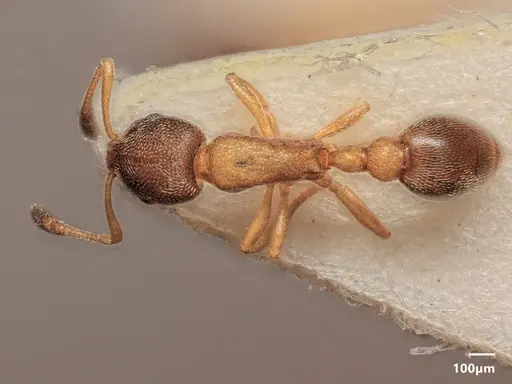
CASENT0178362
在 AntWeb 上查看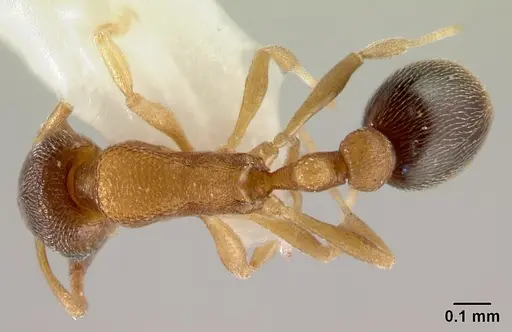
CASENT0916972
在 AntWeb 上查看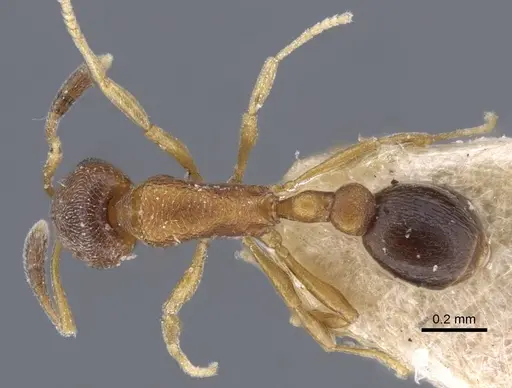
CASENT0919945
在 AntWeb 上查看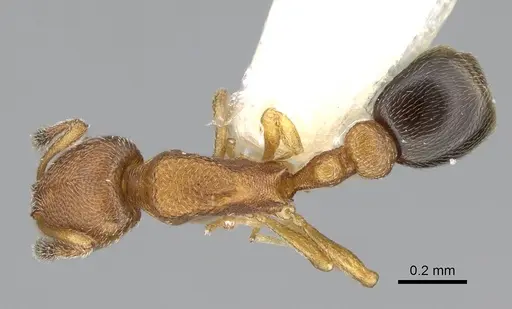
科学文献
正在加载分布地图...正在加载商品...