
Camponotus orinus
- 学名
- Camponotus orinus
- 亚属
- Karavaievia
- 族
- Camponotini
- 亚科
- Formicinae
- 命名者
- Dumpert, 1995
- 地理分布
- 分布于 0 个国家/地区
物种引言
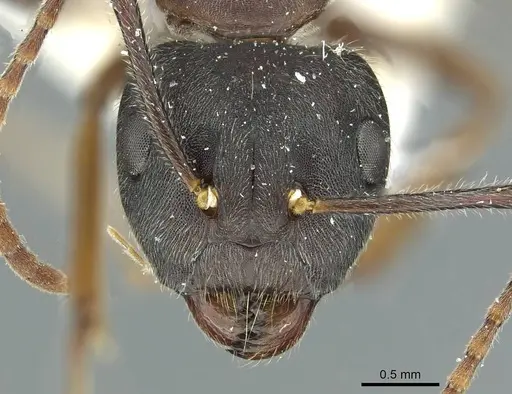
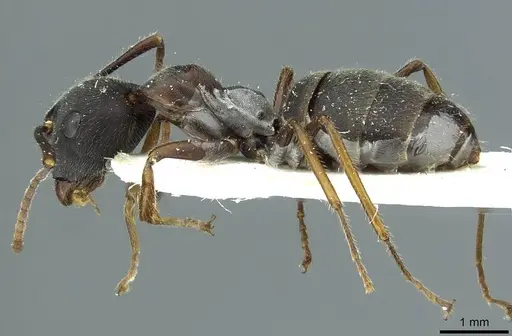
Camponotus orinus is a carpenter ant species native to the Neotropical region, specifically found in Brazil, Colombia, and Central America . Like other Camponotus species, they are polymorphic - workers come in different sizes, from small minors to large majors. These ants have typical carpenter ant appearance: dark brown to black coloration, a smooth mesosoma, and a single node (petiole) between the thorax and abdomen. Queens are large and robust, while workers range from small to medium-sized. In their natural habitat, they nest in rotting wood, dead trees, and under bark - excavating galleries for their colonies.
Quick Summary
- Difficulty: Medium
- Origin & Habitat: Neotropical species found in Brazil, Colombia, and Central America [1]. They inhabit tropical forest environments where they nest in rotting wood and dead trees.
- Colony Type: Likely single-queen colonies (monogyne) based on typical Camponotus patterns, species-specific research is limited.
- Size & Growth:
- Queen: Estimated 12-15mm, inferred from typical Camponotus queen size [2]
- Worker: Estimated 4-10mm polymorphic, inferred from Camponotus genus patterns [2]
- Colony: Up to several thousand workers, estimated from genus patterns
- Growth: Moderate
- Development: Approximately 6-10 weeks at optimal temperature, inferred from Camponotus genus patterns [2] (Development time is inferred from genus patterns since species-specific data is unavailable)
- Antkeeping:
- Temperature: Keep at 24-28°C. As a Neotropical species, they need warmth. A heating cable on one side of the nest creates a temperature gradient allowing ants to regulate their own temperature.
- Humidity: Moderate to high humidity (60-80%). Keep the nest substrate slightly moist but not waterlogged. Tropical species typically benefit from good humidity levels.
- Diapause: Likely minimal or none required. As a tropical species from low latitudes, they probably do not need a true hibernation period. However, a slight cooling period during winter months may be beneficial.
- Nesting: Y-tong (AAC) nests, plaster nests, or naturalistic setups with rotting wood work well. They prefer nesting in wood-like materials where they can excavate galleries. Avoid overly dry conditions.
- Behavior: Generally calm and not particularly aggressive for a Camponotus species. They are moderate foragers and will search for sugar sources and protein. Escape prevention should be good, while they are larger ants, they are not extreme escape artists. However, ensure lids are secure as they can chew through weak barriers. As Formicinae, they lack a functional sting but can bite and spray formic acid from their acidopore [2].
- Common Issues: colonies may grow slowly in the first few months, which can test beginner patience, tropical species may struggle if temperatures drop below 22°C for extended periods, wood-nesting species need appropriate nesting material, test tubes alone may not be ideal long-term, wild-caught colonies may carry parasites that can cause problems in captivity, larger colonies need more space, plan for expansion before the colony outgrows its enclosure
Housing and Nesting
Camponotus orinus does well in Y-tong (AAC) nests, plaster nests, or naturalistic setups that mimic their natural wood-nesting preferences. Since they are a tropical carpenter ant, they appreciate having access to both moist and drier areas within their nest. A heating cable placed on top of the nest (never underneath to avoid drying out the nest) can help maintain optimal temperatures. For the outworld, a simple setup with a foraging area and protein/sugar feeding stations works well. Ensure escape prevention is adequate, while not extreme escape artists, they can exploit gaps in lids over time. [2]
Feeding and Diet
Like other carpenter ants, Camponotus orinus is omnivorous. They accept sugar sources readily (honey water, sugar water, or diluted maple syrup) and protein sources like mealworms, crickets, and other insects. In the wild, they forage for honeydew from aphids and other sweet secretions, plus insects and small prey. Feed them a protein source 2-3 times per week, and keep a sugar source available at all times. Remove uneaten protein after 24-48 hours to prevent mold issues. [2]
Temperature and Seasonal Care
As a Neotropical species from Brazil, Colombia, and Central America, Camponotus orinus prefers warmer temperatures in the 24-28°C range. They do not require true hibernation but may slow down slightly during cooler winter months. If you keep them at room temperature (around 20-22°C), consider using a small heating cable or mat to raise the nest area to optimal temperatures. Watch for colony activity levels, if workers are consistently clustering near the warmest part of the nest, increase temperature slightly. Avoid temperatures below 20°C for extended periods. [2]
Colony Development
Camponotus colonies grow moderately fast once established. The queen will lay eggs, which develop through larval and pupal stages before emerging as nanitic (first) workers. These first workers are typically smaller than normal workers but will begin foraging to support the colony. As the colony grows, larger major workers may appear. The colony will continue expanding as long as conditions are good and the queen is producing eggs. Development from egg to worker takes approximately 6-10 weeks at optimal temperature, based on typical Camponotus development patterns. [2]
Frequently Asked Questions
How long does it take for Camponotus orinus to produce first workers?
Based on typical Camponotus development, expect first workers (nanitics) to emerge around 6-10 weeks after the queen lays eggs, assuming optimal temperatures around 24-28°C. This timeline is inferred from genus patterns, the exact timing for this specific species has not been documented.
What temperature do Camponotus orinus ants need?
Keep them warm at 24-28°C. As a Neotropical species from Brazil and Colombia, they need temperatures in the warm range. A small heating cable on part of the nest can help maintain these temperatures.
Do Camponotus orinus ants need hibernation?
Probably not. As a tropical species from low latitudes, they likely do not require a true hibernation period. However, a slight reduction in temperature during winter months (down to around 20°C) may be natural and is generally well-tolerated.
What do Camponotus orinus ants eat?
They are omnivorous. Offer protein sources like mealworms, crickets, or other insects 2-3 times per week, and keep a sugar source (honey water, sugar water) available at all times. They will also collect honeydew if aphids are available.
Are Camponotus orinus good for beginners?
They are a medium-difficulty species. They are more forgiving than some tropical species but do need warm temperatures and proper nesting conditions. If you have kept other Camponotus species successfully, this one should be manageable.
How big do Camponotus orinus colonies get?
Based on typical Camponotus patterns, colonies can reach up to several thousand workers over time. They are a moderately sized carpenter ant species.
When should I move Camponotus orinus to a formicarium?
Keep them in a test tube or small setup for the founding stage. Once the colony reaches 20-30 workers and is actively foraging, you can move them to a proper nest setup like a Y-tong or plaster formicarium.
Can I keep multiple Camponotus orinus queens together?
This is not recommended. Camponotus orinus is likely a single-queen (monogyne) species based on typical Camponotus patterns. Combining unrelated queens has not been studied for this species and typically leads to fighting.
Why is my Camponotus orinus colony growing slowly?
Slow growth is common in the first few months. Ensure temperatures are warm (24-28°C), humidity is adequate, and the queen is healthy. Also verify they are accepting food. If conditions are optimal, be patient, Camponotus colonies often accelerate growth after the first nanitics emerge.
Report an Issue
The current care sheet is based fully on literature. See inconsistencies, or something that's incorrect? Please , it will be resolved after review from an admin. Contributing to the blogs tab also helps providing information, to make us be able to further improve the caresheets. Thank you for your support!
References

此饲养指南授权协议为 CC BY-SA 4.0 .
社区博客
CASENT0911644
在 AntWeb 上查看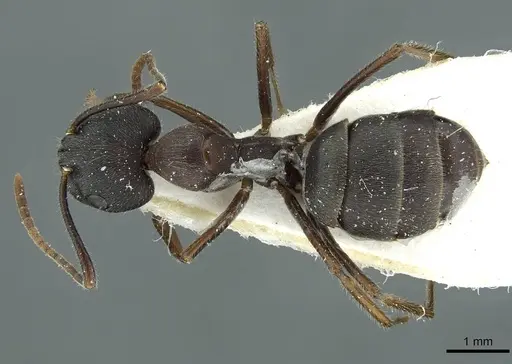
科学文献
正在加载分布地图...正在加载商品...