
Camponotus kollbrunneri
- 学名
- Camponotus kollbrunneri
- 亚属
- Myrmopelta
- 族
- Camponotini
- 亚科
- Formicinae
- 命名者
- Forel, 1910
- 地理分布
- 分布于 0 个国家/地区
物种引言
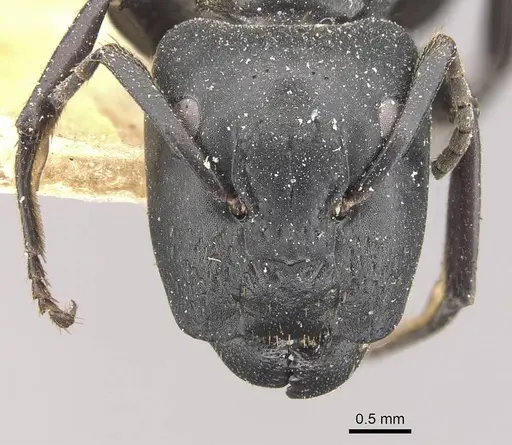
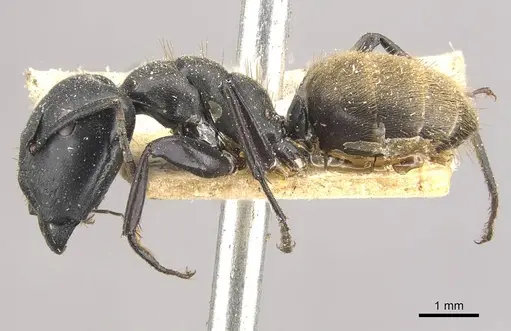
Camponotus kollbrunneri is an African ant species belonging to the Myrmopelta subgenus, originally described from Ethiopia and recently documented in Tanzania's Mkomazi Game Reserve [AntWiki]. Major workers measure approximately 8mm in total length, making them a medium-sized Camponotus species . This species inhabits savannah environments and has been found associated with trees including Vachellia and Heywoodia lucens . Due to limited research on this specific species, much of its biology remains undescribed in scientific literature.
Quick Summary
- Difficulty: Medium
- Origin & Habitat: East Africa, originally described from Ethiopia with recent findings in Tanzania's Mkomazi Game Reserve. Inhabits savannah environments and is associated with savannah trees including Vachellia and Heywoodia lucens [1][2].
- Colony Type: Unknown, colony structure has not been documented for this species. Most Camponotus species form single-queen colonies, but this is unconfirmed for C. kollbrunneri.
- Size & Growth:
- Queen: Size data unavailable, queen measurements have not been documented for this species
- Worker: Major workers approximately 8mm total length [1]. Minor workers have not been described.
- Colony: Unknown, no colony size data exists for this species
- Growth: Unknown, development rate has not been studied for this species
- Development: Unknown, specific development data is unavailable for this species (Development time is unconfirmed. Camponotus species typically take several weeks to months from egg to worker, but exact timing for C. kollbrunneri is unknown.)
- Antkeeping:
- Temperature: Keep around 22-26°C. As an East African species, they likely prefer warm conditions. A heating cable on one side of the nest can create a temperature gradient.
- Humidity: Moderate humidity recommended. As a savannah species, they likely tolerate drier conditions better than rainforest ants. Keep nest substrate slightly moist but allow some drying between waterings.
- Diapause: Unknown, East African species may not require true hibernation. Some keepers provide a cool period, but this is not scientifically documented for this species.
- Nesting: In captivity, they do well in Y-tong (AAC), plaster, or wooden formicariums. They prefer nests with appropriately sized chambers. Provide a dark nesting area.
- Behavior: Temperament is unstudied. Most Camponotus species are relatively calm and non-aggressive, but specific behavior of C. kollbrunneri is unknown. They are likely primarily nocturnal foragers. Workers are moderate in size and can climb smooth surfaces, standard escape prevention is recommended.
- Common Issues: queen mortality during founding can occur, claustral queens seal themselves in and may fail if disturbed or if humidity drops, slow initial growth is common with Camponotus, don't overfeed as this causes mold, test tube setups can flood if water reservoirs are too large, wild-caught colonies may carry parasites, specific humidity and temperature requirements are unconfirmed for this species, so observe your colony and adjust accordingly
Housing and Nest Setup
Camponotus kollbrunneri can be kept in Y-tong (AAC), plaster, or wooden formicariums. For founding colonies, use a standard test tube setup with a water reservoir at one end, plugged with cotton. The queen will typically seal herself in a chamber and needs complete darkness during the founding phase. Once the colony reaches 20-30 workers, you can transition to a proper formicarium. Ensure the nest has appropriately sized chambers, major workers at 8mm need more space than tiny ants but not the large chambers required by giant Camponotus. Provide a connected outworld for foraging. Use standard escape prevention (Fluon on container edges) as they can climb smooth surfaces. [1][2]
Feeding and Diet
Like other Camponotus species, C. kollbrunneri is likely omnivorous. They accept sugar sources readily, offer honey water or sugar water 2-3 times per week. For protein, provide insects like fruit flies, small crickets, mealworms, or waxworms. Feed protein roughly twice weekly, adjusting based on colony size and brood development. Remove uneaten prey after 24-48 hours to prevent mold. During colony growth, increase protein offerings to support developing brood. [2]
Temperature and Seasonal Care
Maintain temperatures between 22-26°C for optimal brood development. As an East African species from Ethiopia and Tanzania, they likely prefer warm conditions year-round. During summer months, room temperature is often sufficient. In cooler rooms, use a heating cable on one side of the nest to maintain warmth. diapause requirements are unconfirmed for this species, some keepers provide a cool period, but this is not based on specific research. [1][2]
Colony Development and Growth
Colony development specifics are unconfirmed for this species. Most Camponotus follow claustral founding where the queen seals herself in a chamber, lays eggs, and raises the first brood alone using stored fat reserves. The first workers (nanitics) are typically smaller than normal workers. Growth rate is likely moderate, don't expect rapid expansion. Patience is key with Camponotus species as they often prioritize colony stability over rapid growth. [2]
Behavior and Temperament
Specific behavior is unstudied for this species. Most Camponotus workers are not particularly aggressive and will typically flee rather than engage threats. They are likely primarily nocturnal, becoming more active in the evening and night hours. Workers forage individually rather than in raiding parties. They can defend their colony if the nest is threatened, but stinging is rare for most Camponotus. Their moderate size makes them enjoyable to watch as they move through their environment. [2]
Frequently Asked Questions
How long does it take for Camponotus kollbrunneri to produce first workers?
Unknown, specific development time has not been documented for this species. Based on typical Camponotus patterns, expect several weeks to a few months from egg to first worker at optimal temperature. The first workers will likely be smaller than normal workers.
What do Camponotus kollbrunneri ants eat?
They are likely omnivorous like other Camponotus species. Offer sugar water or honey regularly (2-3 times weekly) and protein sources like fruit flies, small crickets, or mealworms twice weekly. Remove uneaten food after 24-48 hours to prevent mold.
What temperature do Camponotus kollbrunneri need?
Keep them at 22-26°C. As an East African species, they likely prefer warm conditions. A heating cable on part of the nest can help maintain optimal temperatures, especially in cooler rooms.
Do Camponotus kollbrunneri need hibernation?
Unknown, diapause requirements are unconfirmed for this species. East African species may not require true hibernation. Some keepers provide a cool period, but this is not based on documented research for C. kollbrunneri.
Are Camponotus kollbrunneri good for beginners?
They are rated as medium difficulty. While generally more forgiving than some species, limited specific care information exists. They are calmer than many ants and don't require specialized prey, but require careful temperature management. Some antkeeping experience is recommended.
How big do Camponotus kollbrunneri colonies get?
Unknown, no colony size data exists for this species. Most Camponotus form colonies of several thousand workers over several years, but this is unconfirmed for C. kollbrunneri.
When should I move Camponotus kollbrunneri to a formicarium?
Move them once they reach 20-30 workers and the test tube setup becomes cramped. Make sure the formicarium has appropriately sized chambers and a connected outworld. They likely prefer dim nesting areas.
Can I keep multiple Camponotus kollbrunneri queens together?
Unknown, colony structure is unconfirmed for this species. Most Camponotus are single-queen (monogyne), but this is not documented for C. kollbrunneri. Combining unrelated queens is not recommended as they will likely fight.
Why is my Camponotus kollbrunneri colony declining?
Common causes include: disturbance during founding, improper humidity (too dry or too wet), lack of proper conditions, parasites from wild-caught colonies, or overfeeding causing mold. Check temperature, humidity, and ensure the queen is still present and laying eggs. Specific requirements are unconfirmed, so observe your colony and adjust accordingly.
Report an Issue
The current care sheet is based fully on literature. See inconsistencies, or something that's incorrect? Please , it will be resolved after review from an admin. Contributing to the blogs tab also helps providing information, to make us be able to further improve the caresheets. Thank you for your support!
References

此饲养指南授权协议为 CC BY-SA 4.0 .
社区博客
CASENT0910461
在 AntWeb 上查看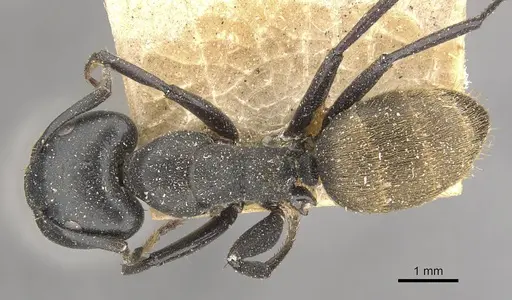
科学文献
正在加载分布地图...正在加载商品...