
Camponotus jeanneli
- 学名
- Camponotus jeanneli
- 亚属
- Mayria
- 族
- Camponotini
- 亚科
- Formicinae
- 命名者
- Santschi, 1914
- 地理分布
- 分布于 0 个国家/地区
物种引言
Camponotus jeanneli is a carpenter ant species native to East Africa, specifically found in Kenya and northern Tanzania. Workers come in two distinct sizes: majors and minors. The species was originally described from specimens collected near Mombasa, Kenya in 1914, and has been found nesting in and around Vachellia (formerly Acacia) trees in savanna habitats. This remains one of the less-studied Camponotus species with very limited scientific documentation beyond the original type descriptions and a few specimen records [AntWiki].
Quick Summary
- Difficulty: Medium
- Origin & Habitat: Kenya and northern Tanzania in savanna habitats. Specimens have been collected from Vachellia nilotica trees, indicating this species is closely associated with acacia-type trees in dry savanna environments [1][2].
- Colony Type: Unconfirmed colony structure. As a Camponotus species, colonies likely have a single queen but this has not been directly documented.
- Size & Growth:
- Queen: Size data unavailable, no specific measurements exist for queens of this species
- Worker: Workers vary in size from minor to major castes, specific measurements not documented in available literature [1]
- Colony: Unknown, no colony size data exists for this species
- Growth: Moderate, typical for Camponotus species
- Development: Estimated 6-10 weeks based on typical Camponotus development patterns (Direct development data does not exist for this species. Estimates based on related East African Camponotus species.)
- Antkeeping:
- Temperature: Keep at room temperature (20-26°C). As an East African species, they prefer warmer conditions but can adapt to typical household temperatures. A gentle heat gradient in the nest area is beneficial.
- Humidity: Moderate humidity (40-60%). Being from savanna environments, they prefer drier conditions compared to rainforest species. Allow the nest to partially dry between waterings.
- Diapause: Likely a short diapause period during the cooler dry season, but this is unconfirmed for this specific species.
- Nesting: In captivity, they do well in Y-tong (AAC), plaster, or soil nests. As tree-nesting ants, they prefer nests with some vertical space and bark-like textures. Test tubes can work for founding colonies.
- Behavior: Generally calm and non-aggressive for a Camponotus species. Workers are moderate foragers, likely collecting honeydew from aphids and small insects. They are not known to be particularly defensive but can bite if threatened. Escape risk is moderate, use standard Camponotus escape prevention (fluon on edges, tight-fitting lids). As Formicinae ants, they lack a functional sting but can bite and spray formic acid from their acidopore.
- Common Issues: Very limited species-specific information makes precise care challenging, you may need to experiment with conditions, As a poorly documented species, wild-caught colonies may have unknown parasites or diseases, Growth may be slow initially as the colony establishes, patience is required, Temperature too high can be more dangerous than too low, avoid overheating
Natural History and Distribution
Camponotus jeanneli is known from a small number of specimens collected in Kenya and Tanzania. The type series was collected near Mombasa, Kenya, in 1911, with additional specimens found in Mkomazi Game Reserve in Tanzania. All collection records come from Vachellia nilotica (Acacia nilotica) trees, suggesting this species is closely associated with acacia trees in savanna habitats [1]. The species belongs to the subgenus Mayria, which includes other African tree-nesting Camponotus species. The savanna environment of East Africa experiences warm temperatures year-round with distinct wet and dry seasons, which likely influences the ant's seasonal activity patterns.
Housing and Nest Preferences
In captivity, Camponotus jeanneli does well in standard formicarium setups. Y-tong (AAC) nests work particularly well as they provide the dark, enclosed spaces these tree-nesting ants prefer. Plaster nests with moisture reservoirs maintain appropriate humidity levels. For founding colonies, a simple test tube setup with a cotton-plugged water reservoir is sufficient until the colony reaches 10-15 workers. Avoid overly humid conditions, these are savanna ants that prefer drier nest environments. Include some bark or wood textures in the nest if possible, as this mimics their natural tree-nesting habitat.
Feeding and Diet
Like other Camponotus species, C. jeanneli likely has an omnivorous diet. Offer sugar water or honey as a constant energy source. For protein, provide small insects like fruit flies, small crickets, or mealworms. In the wild, they probably forage for honeydew from aphids and scale insects that live on acacia trees, along with small arthropods. Feed protein 2-3 times per week for established colonies, with sugar available at all times. Remove uneaten prey after 24-48 hours to prevent mold.
Temperature and Seasonal Care
As an East African species from a warm savanna environment, Camponotus jeanneli prefers temperatures in the low-to-mid 20s Celsius (around 22-26°C). They can tolerate brief periods slightly above or below this range but avoid extremes. A small heat gradient in the nest area allows the colony to regulate its temperature. During the winter months or cooler periods, colony activity may slow naturally, this likely corresponds to their dry season dormancy in the wild. No formal hibernation is required, but a slight temperature reduction (to around 18-20°C) for 2-3 months during winter may be beneficial.
Behavior and Colony Dynamics
Camponotus jeanneli exhibits the typical caste system of Camponotus ants, with distinct major and minor workers. Majors serve as soldiers and food processors, while minors handle most forager and nursing tasks. Workers are relatively calm and not particularly aggressive, they will retreat rather than attack when threatened. The colony likely grows at a moderate pace, with the queen producing eggs continuously once established. Based on genus patterns, colonies probably reach several hundred workers over several years. Workers are active primarily at night and during cooler parts of the day, which is typical for savanna-dwelling ants avoiding peak heat.
Frequently Asked Questions
How long does it take for Camponotus jeanneli to produce first workers?
Based on typical Camponotus development, expect first workers (nanitics) around 6-10 weeks after the queen lays eggs. This timeline depends on temperature, warmer conditions (around 24-26°C) speed development while cooler temperatures slow it.
Is Camponotus jeanneli a good species for beginners?
This species is rated Medium difficulty. While not as documented as common pet trade species, Camponotus in general are hardy and forgiving of minor care mistakes. The main challenge is the limited species-specific information available, you may need to adapt care based on colony behavior.
What do Camponotus jeanneli ants eat?
They are omnivorous. Offer constant sugar water or honey, plus protein sources like small insects (fruit flies, pinhead crickets, mealworms) 2-3 times per week. They likely forage for honeydew in the wild, so sugar sources are important.
Can I keep multiple Camponotus jeanneli queens together?
This is not recommended. There is no documentation of polygyny (multiple queens) in this species, and combining unrelated queens typically leads to fighting. Start with a single founding queen for best success.
What temperature range is best for Camponotus jeanneli?
Keep them at 22-26°C. They prefer warm conditions typical of their East African savanna habitat. A slight temperature gradient in the nest allows the colony to choose its preferred zone.
How big do Camponotus jeanneli colonies get?
Colony size is not documented for this species, but based on typical Camponotus patterns, colonies likely reach several hundred workers over 2-4 years. Growth is moderate, not as fast as some tropical species but faster than slow-growing genera.
Do Camponotus jeanneli need hibernation?
A formal hibernation is not required, but a cooler period (18-20°C) for 2-3 months during winter may mimic their natural dry season and support healthy colony cycles. This is optional but likely beneficial.
When should I move my colony to a formicarium?
Move from a test tube setup to a proper formicarium once the colony reaches 15-20 workers and the test tube becomes crowded. Make sure the new nest offers appropriate darkness and humidity before introducing the colony.
Why is so little known about Camponotus jeanneli?
This is a rarely collected species with a limited geographic range in East Africa. Scientific documentation is minimal, with only the original type description from 1914 and a few specimen records since then. Much of what we know is inferred from related Camponotus species.
Report an Issue
The current care sheet is based fully on literature. See inconsistencies, or something that's incorrect? Please , it will be resolved after review from an admin. Contributing to the blogs tab also helps providing information, to make us be able to further improve the caresheets. Thank you for your support!
References

此饲养指南授权协议为 CC BY-SA 4.0 .
社区博客
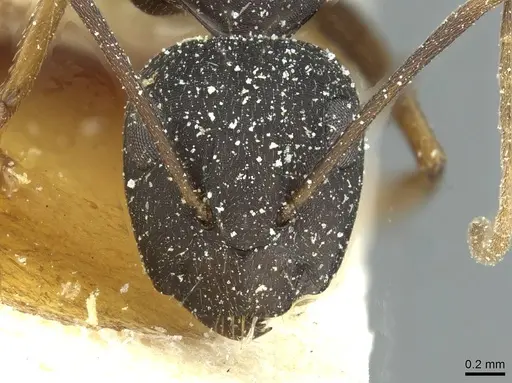
CASENT0911648
在 AntWeb 上查看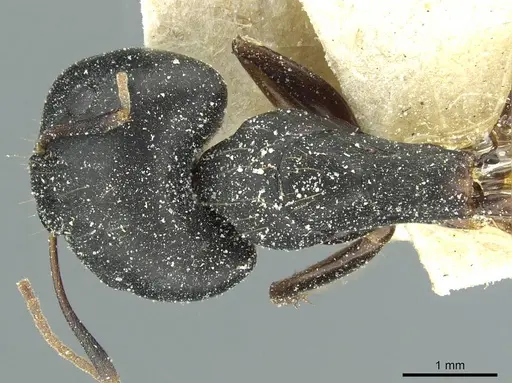
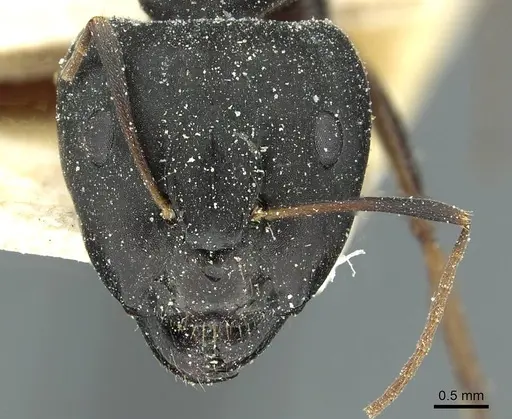
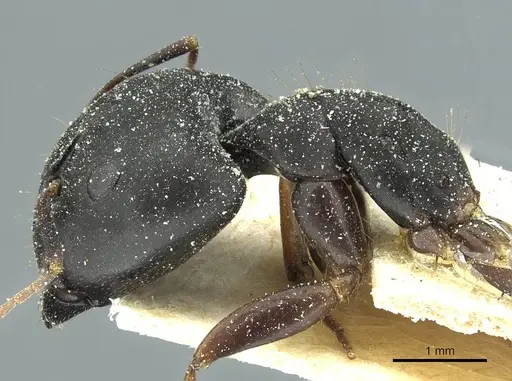
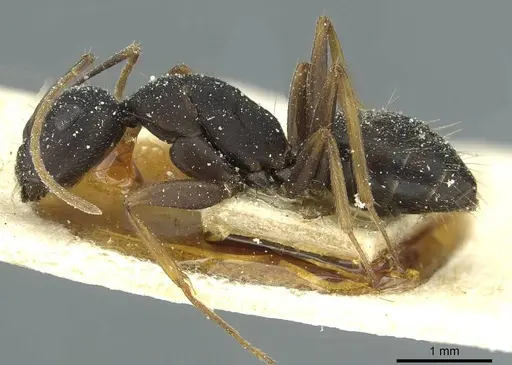
CASENT0911649
在 AntWeb 上查看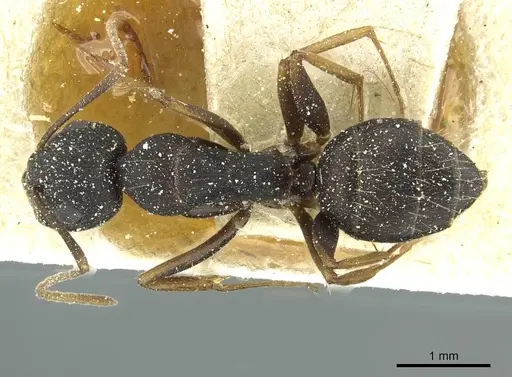
科学文献
正在加载分布地图...正在加载商品...