
Camponotus invidus
- 学名
- Camponotus invidus
- 亚属
- Tanaemyrmex
- 族
- Camponotini
- 亚科
- Formicinae
- 命名者
- Forel, 1892
- 地理分布
- 分布于 0 个国家/地区
物种引言
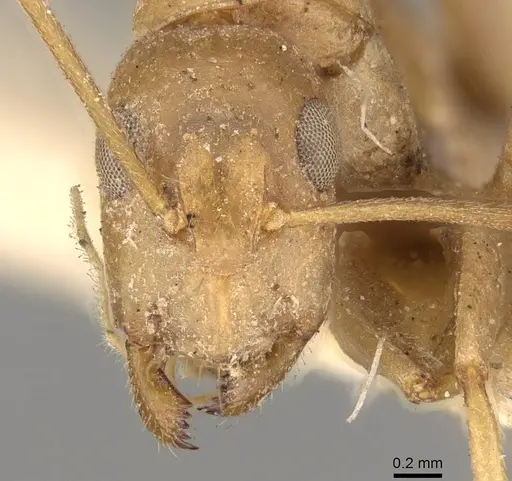
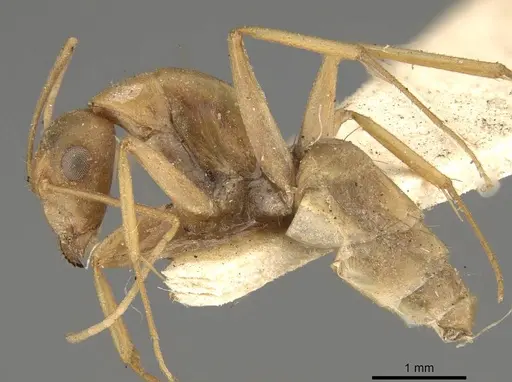
Camponotus invidus is a carpenter ant species native to the Indomalaya region, specifically India and Pakistan. It belongs to the subfamily Formicinae, tribe Camponotini. Workers are polymorphic with varying sizes, and the species has dark brown to black coloration typical of many Camponotus ants. This ant is endemic to India, with confirmed records from Odisha, Maharashtra, West Bengal, and the Andaman Islands . In Pakistan, it represents a new record from the Swabi region . What makes C. invidus ecologically interesting is its mutualistic relationship with aphids, particularly Aphis craccivora. Like other Formicinae ants, they lack a functional stinger but can spray formic acid from their acidopore as a defense mechanism. They've been documented nesting in tree holes in forested regions , and as ground-dwelling species in agricultural areas .
Quick Summary
- Difficulty: Medium
- Origin & Habitat: India and Pakistan, found across multiple Indian states including Odisha, Maharashtra, West Bengal, and the Andaman Islands. In Pakistan, specimens have been collected from tree holes in the Swabi region [4]. This is a tropical to subtropical species adapted to warm conditions.
- Colony Type: Colony structure is unconfirmed. No specific literature data exists on queen number or colony organization for this species.
- Size & Growth:
- Queen: Size data unavailable, no specific measurements exist in the literature. Inferred from Camponotus genus patterns to be approximately 15-20mm.
- Worker: Size data unavailable, no specific measurements exist in the literature. Inferred from Camponotus genus patterns to range from 6-14mm (polymorphic).
- Colony: Colony size data unavailable, no specific literature exists on maximum colony sizes for this species.
- Growth: Growth rate is unconfirmed. Camponotus species generally grow steadily over several years.
- Development: Development timeline is unconfirmed for this specific species. (No species-specific development data exists. General Camponotus patterns suggest several months to first workers at warm temperatures.)
- Antkeeping:
- Temperature: Keep nest area at 24-28°C. These are warm-climate ants from tropical India, so they prefer temperatures in the mid-to-high 20s Celsius. A heating cable on one side of the nest creates a gradient allowing workers to choose their preferred temperature.
- Humidity: Moderate humidity around 50-60%. As a species found in varied habitats from forests to agricultural land, they tolerate a range of conditions. Keep the nest substrate slightly moist but not waterlogged. Provide a water tube for drinking access.
- Diapause: No hibernation required, being from tropical India, they don't need a cold dormancy period. However, slight temperature reduction during winter months may slow activity naturally.
- Nesting: Camponotus invidus will accept most standard nest types. In the wild, they've been found nesting in tree holes [4] and in ground locations. For captivity, a Y-tong (AAC) nest, plaster nest, or naturalistic setup with wood pieces works well. They prefer dark, secure chambers.
- Behavior: Typical Camponotus temperament, generally calm and not aggressive unless their nest is threatened. Workers are active foragers, both on the ground and in vegetation. They are omnivorous, accepting both protein foods and sugar sources. Being Formicinae, they can spray formic acid when disturbed but this is a minor irritant to humans. Escape risk is moderate, they're large ants but can climb smooth surfaces. Use standard barrier methods like fluon on container edges. They are primarily diurnal, matching their aphid-tending behavior.
- Common Issues: colonies may fail if kept too cold, maintain warmth above 20°C, overfeeding can lead to mold problems, remove uneaten protein within 24-48 hours, large colonies need expanding space, monitor for escape attempts when upgrading nests, queen mortality during founding is common, ensure quiet, dark location and minimal disturbance
Housing and Nest Setup
Camponotus invidus adapts well to various captive setups. A Y-tong (acrylic) nest works excellently, the dark chambers mimic their natural tree-hole nesting preferences. Plaster nests are another good option, providing moisture retention. For a naturalistic approach, use a soil-filled setup with pieces of rotting wood or cork bark. The nest should be dark (cover with a red film or cloth if you want to observe without disturbing them). Since they're large ants, ensure chambers are spacious enough for major workers to move comfortably. Connect the nest to an outworld (foraging area) with tubing. The outworld can be simple, a plastic container with a barrier of fluon to prevent escapes. [4]
Feeding and Diet
These ants are omnivorous with a strong preference for sugar and protein. In captivity, offer sugar water (1:1 ratio) or honey as a constant energy source. For protein, provide insects like mealworms, crickets, or frozen fruit flies. Given their mutualistic relationship with aphids in the wild [5], they likely have a sweet tooth, occasional drops of honey or sugar water are appreciated. Feed protein every 2-3 days for growing colonies, or weekly for established colonies. Remove uneaten prey within 24-48 hours to prevent mold. Fresh water should always be available, a small test tube with a cotton plug works perfectly.
Temperature and Seasonal Care
Being from tropical India, Camponotus invidus thrives in warmth. Keep the nest area at 24-28°C for optimal brood development. A small heating cable or heat mat under one end of the nest creates a temperature gradient, workers will move between warmer and cooler areas to regulate their body temperature. During winter, room temperature (around 20-22°C) is acceptable, no active heating needed. Unlike temperate species, they don't require hibernation or diapause. However, you may notice reduced activity during cooler months, which is natural. Avoid sudden temperature drops below 18°C as this can stress the colony.
Colony Development and Growth
A newly mated queen will seal herself into a small chamber and lay her first eggs. The eggs hatch into larvae, then pupate, and emerge as nanitic workers, these first workers are smaller than normal. Once nanitics emerge, the queen stops caring for brood directly and focuses on egg-laying while workers take over all colony tasks. Growth is moderate, expect 10-20 workers by month 2-3,then steady expansion. A mature colony may reach several thousand workers over 3-5 years. Patience is key with Camponotus, they're long-lived ants where a healthy queen can live 15-20 years.
Behavior and Temperament
Camponotus invidus has a calm temperament typical of carpenter ants. Workers are not aggressive toward humans and will only defend if their nest is directly threatened. When disturbed, they may raise their abdomen (warning posture) and can spray formic acid, this causes mild skin irritation but isn't dangerous. Workers are active foragers, searching for food both on the ground and climbing surfaces. They're primarily diurnal, matching their aphid-tending behavior in the wild. Major workers (soldiers) have larger heads and mandibles, they crack open hard prey and defend the colony. Overall, they're a rewarding species to watch with interesting polymorphic worker castes. [5]
Frequently Asked Questions
How long does it take for Camponotus invidus to have first workers?
Development timeline is unconfirmed for this species. Based on general Camponotus patterns, expect first workers in several months at warm temperatures (24-28°C). The exact timing depends on temperature, warmer conditions speed development while cooler temperatures slow it down.
What do Camponotus invidus ants eat?
They're omnivorous. Offer sugar water or honey as a constant energy source, and protein foods like mealworms, crickets, or fruit flies 2-3 times weekly. Given their wild diet includes honeydew from aphids [5], they have a sweet tooth, they'll readily accept honey drops.
What temperature do Camponotus invidus need?
Keep them warm at 24-28°C. These are tropical ants from India, so they prefer temperatures in the mid-to-high 20s Celsius. A heating cable on one side of the nest creates a gradient. Room temperature (20-22°C) is acceptable during winter but may slow colony growth.
Are Camponotus invidus good for beginners?
They're a medium-difficulty species. Their requirements are straightforward, warmth, basic feeding, and secure housing. However, they grow more slowly than some beginner species like Lasius, so patience is needed. Their large size makes them easier to observe than tiny ants.
How big do Camponotus invidus colonies get?
Colony size data is unavailable for this specific species. Based on general Camponotus patterns, colonies can potentially reach several thousand workers over several years. A healthy queen can live 15-20 years, so colonies can eventually become quite impressive.
Do Camponotus invidus need hibernation?
No, they don't need hibernation. Being from tropical India, they're adapted to warm conditions year-round. Slight temperature reduction during winter (down to 20-22°C) is natural and acceptable, but active cooling or hibernation is not required and could stress the colony.
What size nest do I need for Camponotus invidus?
Start with a test tube setup for the founding queen. Once the colony reaches 20-30 workers, upgrade to a small formicarium (Y-tong, plaster, or naturalistic). Plan for expansion, Camponotus colonies grow large over years, so have a larger nest ready when needed. Chambers should be appropriately scaled to their large worker size.
Can I keep multiple Camponotus invidus queens together?
Colony type is unconfirmed for this species. No specific literature exists on whether they are monogyne or polygyne. If you capture multiple foundresses, house them separately until you observe clear territorial behavior.
Why is my Camponotus invidus colony not growing?
Check three things: temperature (should be 24-28°C), food (protein and sugar should be offered regularly), and disturbance (queens need quiet, dark conditions during founding). If the queen dies, colonies fail, this is common in newly founded nests. Also ensure humidity is adequate but not excessive.
Report an Issue
The current care sheet is based fully on literature. See inconsistencies, or something that's incorrect? Please , it will be resolved after review from an admin. Contributing to the blogs tab also helps providing information, to make us be able to further improve the caresheets. Thank you for your support!
References

此饲养指南授权协议为 CC BY-SA 4.0 .
社区博客
CASENT0910143
在 AntWeb 上查看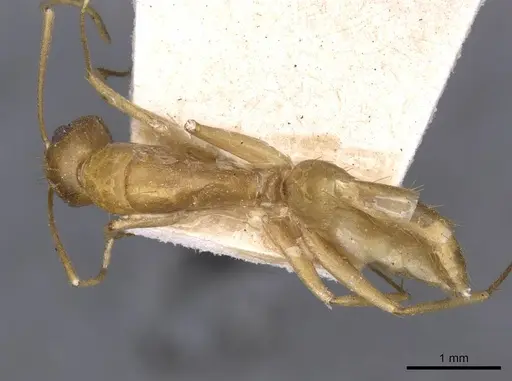
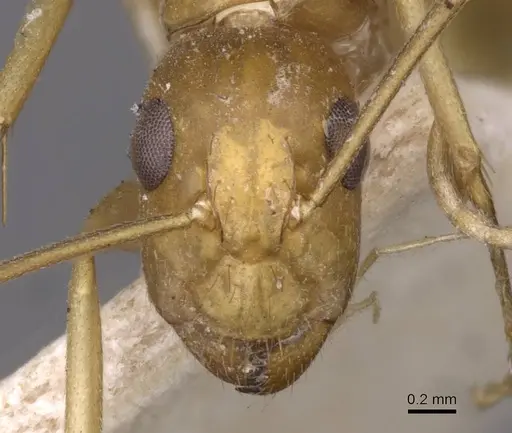
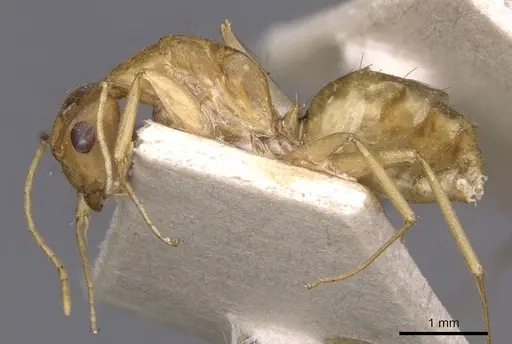
CASENT0914003
在 AntWeb 上查看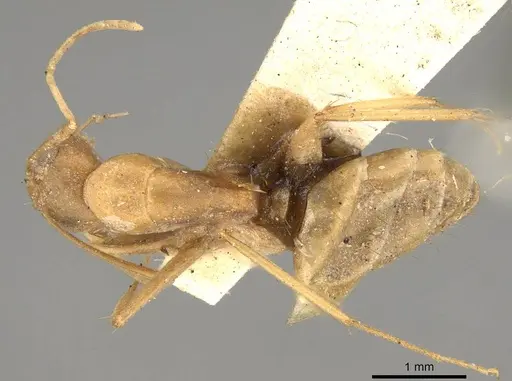
科学文献
正在加载分布地图...正在加载商品...