
Camponotus coxalis
- 学名
- Camponotus coxalis
- 亚属
- Tanaemyrmex
- 族
- Camponotini
- 亚科
- Formicinae
- 命名者
- Smith, 1859
- 地理分布
- 分布于 0 个国家/地区
物种引言
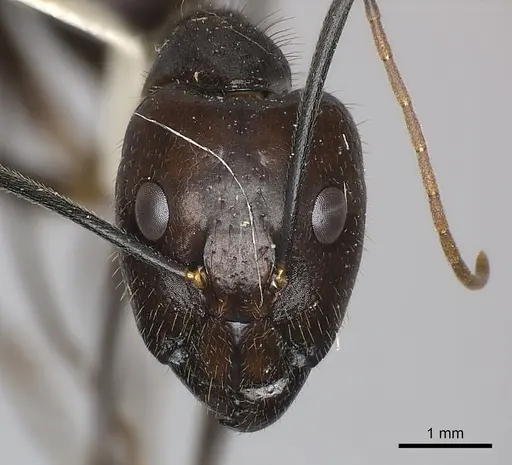
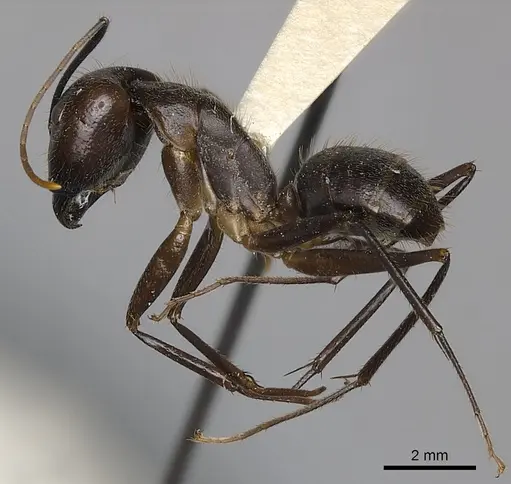
Camponotus coxalis is a medium-sized carpenter ant native to the Australasian and Indomalaya regions, specifically found throughout New Guinea, the Aru Islands, and Irian Jaya in Indonesia . The species was originally described as Formica coxalis by Frederick Smith in 1859 from specimens collected in the Aru Islands, and has since been classified under the subgenus Tanaemyrmex [AntWiki]. These ants are dimorphic, with distinct major and minor worker castes. As a tropical species from the New Guinea region, they are accustomed to warm, humid conditions year-round.
Quick Summary
- Difficulty: Medium
- Origin & Habitat: Native to the Australasian and Indomalaya regions, specifically Papua New Guinea, the Aru Islands, and Irian Jaya in Indonesia [1][2]. They inhabit tropical rainforest environments where humidity remains high throughout the year.
- Colony Type: Colony structure has not been directly documented for this specific species. Based on typical Camponotus genus patterns, colonies likely start with one founding queen.
- Size & Growth:
- Queen: ~12-15 mm, inferred from Camponotus genus patterns for medium-sized species
- Worker: Major workers ~8-10 mm, minor workers ~5-7 mm, inferred from Camponotus genus patterns
- Colony: Several thousand workers at maturity, inferred from typical Camponotus colony development
- Growth: Moderate, Camponotus species typically take 2-3 months for first workers to emerge, with growth accelerating once the colony establishes
- Development: 8-12 weeks at optimal temperature (25-28°C) (Development time is estimated from typical Camponotus genus patterns, as specific data for this species is not available.)
- Antkeeping:
- Temperature: Keep nest area at 25-28°C. A heating cable on one side of the nest creates a gentle gradient that allows ants to thermoregulate. These tropical ants need consistently warm conditions without temperature drops.
- Humidity: Maintain high humidity of 70-85%. The nest substrate should remain consistently moist but not waterlogged. Mist the outworld regularly and provide a water tube for drinking.
- Diapause: No, as a tropical species from near the equator, they do not require hibernation or winter rest. Keep them at stable warm temperatures year-round.
- Nesting: Y-tong (AAC) nests work well for this species, or a plaster nest that holds moisture. Provide narrow chambers scaled to their size. They will excavate wooden formicarium inserts if given the opportunity. Avoid dry nests.
- Behavior: These ants are typically moderate in temperament, not overly aggressive but will defend the nest if threatened. Workers are moderately active foragers, primarily at night. They readily accept sugar sources and protein prey. Escape risk is moderate, ensure your setup has tight-fitting lids and barrier tape. As a Formicine ant, they lack a functional sting and instead bite while spraying formic acid from their acidopore.
- Common Issues: tropical species may struggle if temperatures drop below 22°C, keep them consistently warm, colonies can stall if humidity is too low, monitor substrate moisture regularly, major workers are powerful and can force escapes through loose connections, check all seams, slow initial growth during founding phase can cause keepers to over-interrupt the queen, give them space, wild-caught colonies may carry parasites that can devastate captive colonies, quarantine and observe new colonies
Housing and Nest Setup
Camponotus coxalis does well in Y-tong (AAC) nests or plaster nests that can hold moisture. The chambers should be appropriately sized, not too large for smaller colonies, as ants in oversized chambers can feel insecure. For a founding queen, a standard test tube setup works well with a cotton barrier and water reservoir. Once the colony reaches 15-20 workers, you can consider moving them to a formicarium. Provide an outworld connected to the nest where you can offer food. Use a water tube in the outworld so workers have access to drinking water. Because they come from humid tropical environments, avoid dry nests entirely, consider occasional misting of the outworld. [3]
Feeding and Diet
Like most Camponotus species, these ants are omnivorous with a strong preference for sugary liquids. Offer sugar water, honey, or diluted maple syrup in a shallow dish 2-3 times per week. For protein, provide small insects like fruit flies, small crickets, or mealworms. Feed protein 1-2 times per week, adjusting based on how quickly the colony consumes it. Remove any uneaten prey after 24 hours to prevent mold. Camponotus workers are nocturnal foragers, so offering food in the evening often yields better results. As the colony grows, increase food portions accordingly. [3]
Temperature and Heating
Being a tropical species from New Guinea, Camponotus coxalis requires warm conditions to thrive. Keep the nest area at 25-28°C consistently. A small heating cable placed on top or to the side of the nest can maintain these temperatures. Avoid placing the nest near windows or in rooms that experience temperature fluctuations. Room temperature alone may be insufficient in cooler climates, monitor with a thermometer. If workers become sluggish and cluster together excessively, the temperature may be too low. Conversely, if they avoid the heated area and cluster in cooler parts of the nest, reduce heat slightly. Maintain a gentle thermal gradient so they can choose their preferred temperature. [3]
Colony Founding and Growth
A newly mated queen will seek out a small cavity or chamber where she seals herself in to begin claustral founding. She relies entirely on her stored fat reserves and metabolized wing muscles to produce eggs and feed the developing larvae. The first brood typically hatches as nanitics, smaller than normal workers but functional. This founding phase can take 8-12 weeks at optimal temperature. After the first workers emerge, the colony enters a growth phase where the queen continues laying eggs while workers expand the nest and forage for food. Growth is moderate compared to some faster species, but colonies can reach several thousand workers over several years with proper care. [3]
Handling and Temperament
Camponotus coxalis has a moderate temperament, they are not particularly aggressive but will defend their nest if disturbed. As a Formicine ant, they lack a functional sting. Instead, they bite the target and spray a stream of concentrated formic acid from an acidopore into the wound. This defense mechanism is effective but not dangerous to humans. When working with your colony, move slowly and avoid sudden vibrations. If you need to relocate the colony, wait until most workers are in the outworld rather than disturbing the nest directly. Escape prevention is important, check that all connections between the nest and outworld are secure, and use fluon or barrier tape on the edges of any openings. [3]
Frequently Asked Questions
How long does it take for Camponotus coxalis to have first workers?
At optimal temperatures of 25-28°C, expect first workers to emerge in approximately 8-12 weeks after the queen lays eggs. This timeline is based on typical Camponotus genus patterns, as specific development data for this species is not available. Be patient during the founding phase, disturbing the queen can cause her to abandon or eat her brood.
What temperature do Camponotus coxalis ants need?
Keep them at 25-28°C consistently. These are tropical ants from New Guinea, so they need warm conditions year-round. A small heating cable or mat can help maintain stable temperatures, especially in cooler climates. Avoid temperatures below 22°C as this can slow or stall colony development.
Do Camponotus coxalis ants need hibernation?
No, they do not require hibernation. As a tropical species from near the equator, they are adapted to consistent warm temperatures year-round. Keep them at stable warm temperatures throughout the year rather than allowing a winter cool-down period.
What do Camponotus coxalis ants eat?
They are omnivorous. Offer sugary liquids like sugar water, honey, or maple syrup 2-3 times per week. For protein, feed small insects like fruit flies, small crickets, or mealworms 1-2 times per week. Remove uneaten prey after 24 hours to prevent mold.
Are Camponotus coxalis good for beginners?
They are rated as medium difficulty. While not the easiest species, they are more forgiving than some exotic tropical species. The main challenges are maintaining proper humidity and temperature consistently. If you can provide a warm, humid setup and are patient through the slow founding phase, they can be a rewarding species to keep.
How big do Camponotus coxalis colonies get?
Based on typical Camponotus growth patterns, colonies can reach several thousand workers over several years. Major workers can reach around 10mm, making them a visibly impressive species as the colony matures.
Can I keep multiple Camponotus coxalis queens together?
This is not recommended. While colony structure is unconfirmed for this specific species, most Camponotus species are single-queen colonies. It is best to keep each queen in her own setup.
When should I move Camponotus coxalis to a formicarium?
Wait until the colony has at least 15-20 workers before considering a move. The founding setup should remain the primary nest until it becomes crowded or the water reservoir needs refilling too frequently. Moving too early can stress the colony. When moving, connect the formicarium to the test tube and allow the ants to move themselves.
Why is my Camponotus coxalis colony not growing?
Common causes include: temperatures below 22°C (slows development), humidity too low (causes brood death), overfeeding leading to mold, or disturbing the queen during founding. Check your setup parameters and ensure stable conditions. Also ensure the queen is still alive and laying eggs, she should appear plump and active.
Report an Issue
The current care sheet is based fully on literature. See inconsistencies, or something that's incorrect? Please , it will be resolved after review from an admin. Contributing to the blogs tab also helps providing information, to make us be able to further improve the caresheets. Thank you for your support!
References

此饲养指南授权协议为 CC BY-SA 4.0 .
社区博客
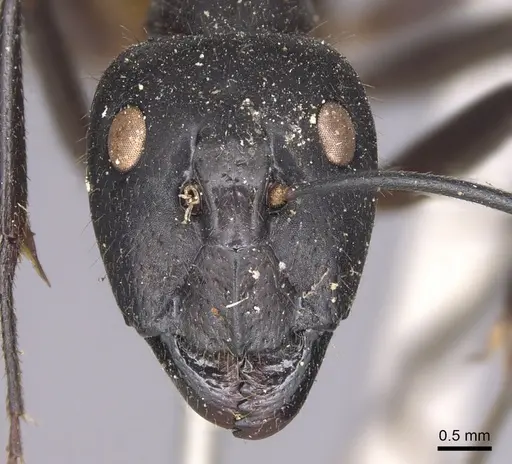
CASENT0217637
在 AntWeb 上查看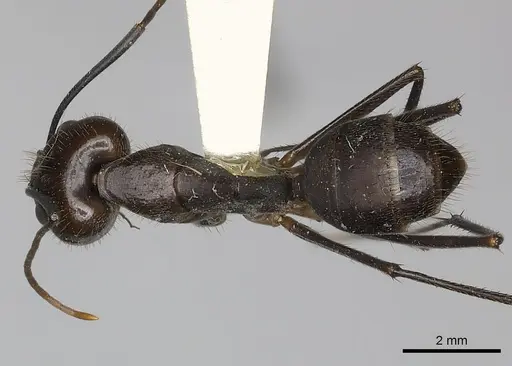
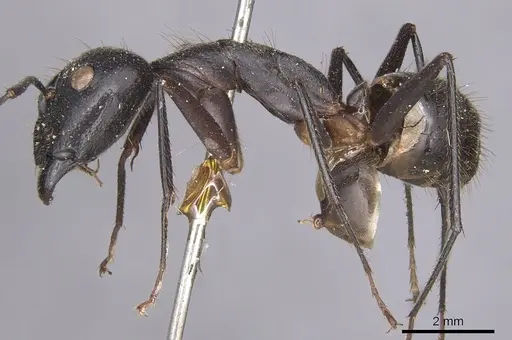
CASENT0901906
在 AntWeb 上查看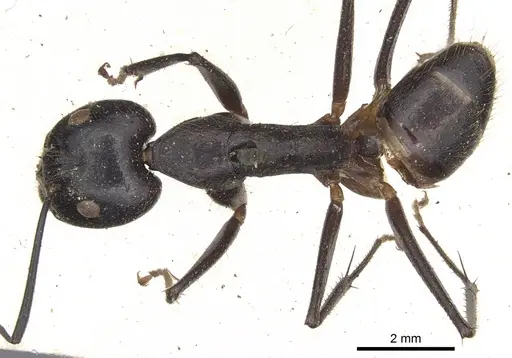
科学文献
正在加载分布地图...正在加载商品...