
Camponotus cognatocompressus
- 学名
- Camponotus cognatocompressus
- 亚属
- Tanaemyrmex
- 族
- Camponotini
- 亚科
- Formicinae
- 命名者
- Forel, 1904
- 地理分布
- 分布于 0 个国家/地区
物种引言
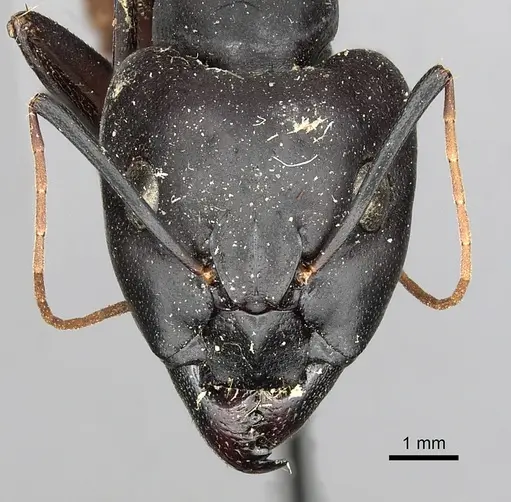
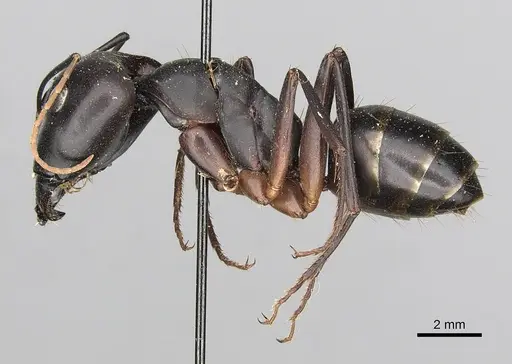
Camponotus cognatocompressus is a carpenter ant species belonging to the subgenus Tanaemyrmex. This is a medium-to-large ant species - worker size is approximately 5-12mm, with major workers larger than minors. The species is found in Egypt and Iran in the Palaearctic region, indicating preference for warm, dry to semi-arid habitats . The species has also been recorded in reforested areas of Rwanda, though this may represent an introduced population or misidentification . As a Tanaemyrmex species, these ants nest in wood but do not consume it - they farm honeydew and hunt insects for protein.
Quick Summary
- Difficulty: Medium
- Origin & Habitat: Native to Egypt and Iran in the Palaearctic region. Found in warm, dry to semi-arid habitats [1]. Also recorded in reforested areas in Rwanda [2].
- Colony Type: Colony structure for this specific species has not been documented in research.
- Size & Growth:
- Queen: Estimated 12-16mm, inferred from Tanaemyrmex genus patterns
- Worker: Approximately 5-12mm (minors 5-7mm, majors 10-12mm), inferred from Tanaemyrmex genus patterns
- Colony: Estimated several thousand workers at maturity based on genus patterns
- Growth: Moderate, typical for larger Camponotus species
- Development: Estimated 6-8 weeks at optimal temperature based on genus patterns (Development time inferred from typical Camponotus development.)
- Antkeeping:
- Temperature: Keep nest area at 22-26°C. Provide a temperature gradient allowing workers to self-regulate. Given the species' Egyptian and Iranian origin, they prefer warm conditions.
- Humidity: Moderate humidity. Provide a moist nest chamber but allow areas to dry out. These ants are adapted to drier conditions than many tropical species.
- Diapause: Yes, given the Iranian distribution, a winter rest period of 8-12 weeks at 10-15°C is recommended to mimic their natural seasonal cycle.
- Nesting: Y-tong (AAC), plaster, or naturalistic setups work well. Provide wood or cork for nesting material. These are typical carpenter ants that will excavate soft materials.
- Behavior: Generally calm and non-aggressive for a large ant species. Workers are active foragers that will hunt insects and collect honeydew. Major workers serve as soldiers and can defend the colony. Escape risk is moderate, their larger size makes them easier to contain, but they can still climb smooth surfaces. They are primarily nocturnal or crepuscular foragers.
- Common Issues: slow colony growth can lead to keepers losing patience and disturbing the nest, queens can be difficult to establish in captivity, claustral founding requires leaving them completely undisturbed, winter diapause is essential for this species, skipping it can stress or kill the colony, large colony sizes require expanding to larger setups, which can be costly, wild-caught colonies may carry parasites that cause colony collapse in captivity
Housing and Nest Setup
Camponotus cognatocompressus can be housed in various setups depending on colony size. For founding queens and early colonies, a test tube setup works well, provide a water reservoir with a cotton barrier, and place the tube in a dark area to reduce stress. As the colony grows to 20+ workers, consider moving to a Y-tong nest or a plaster formicarium. These ants prefer nesting in wood or cork, so including these materials helps them feel at home. Create a temperature gradient in the outworld by placing a heating cable on one side of the nest, this allows workers to choose their preferred temperature. The outworld should include a foraging area, a water station, and protein food offerings.
Feeding and Nutrition
Like most Camponotus species, C. cognatocompressus is omnivorous. They particularly enjoy honeydew and sugar sources, you can offer diluted honey water, sugar water, or commercial ant nectar. For protein, provide insects like fruit flies, small crickets, mealworms, or frozen insects. Feed protein 2-3 times per week, and keep sugar water available at all times. Remove uneaten protein after 24-48 hours to prevent mold. In the wild, these ants tend gardens of aphids for honeydew, so if you want to simulate natural conditions, you could include a small aphid colony in the outworld, though this is optional.
Temperature and Seasonal Care
This species originates from Egypt and Iran, so they prefer warm conditions. Keep the nest area at 22-26°C during the active season. A heating cable on one side of the nest creates a gradient that workers will use to regulate their temperature. During winter (roughly November to February in the Northern Hemisphere), reduce temperature to 10-15°C for 8-12 weeks to allow the colony to rest. This diapause period is important for the colony's health, skipping it can lead to stress and reduced lifespan. Do not feed during deep hibernation, but ensure the nest remains slightly moist. Gradually warm the colony back up in spring to trigger renewed activity.
Colony Founding and Growth
Like other Camponotus species, C. cognatocompressus queens are likely claustral, they seal themselves in a chamber and raise their first workers without leaving to forage. The queen uses stored fat reserves to feed herself and the developing brood. After mating, the queen digs a small chamber and seals the entrance. She lays eggs and tends the larvae until the first workers (nanitics) emerge. These first workers are smaller than normal workers but immediately begin foraging to feed the colony. Growth is moderate, expect 6-12 months to reach 50 workers, then growth accelerates as the colony establishes. A mature colony can reach several thousand workers over several years.
Behavior and Handling
Camponotus cognatocompressus workers are relatively calm compared to many ant species. They are not particularly aggressive and will typically retreat rather than attack when threatened. However, major workers can deliver a painful bite if handled roughly or if the nest is disturbed. They are primarily nocturnal, so you will see most activity in the evening and morning hours. Workers communicate through chemical trails, when they find food, they leave a pheromone trail for others to follow. These ants can climb smooth surfaces but are not particularly good at escaping compared to smaller species. Standard barrier methods like fluon on test tube rims are usually sufficient.
Frequently Asked Questions
How long does it take for Camponotus cognatocompressus to produce first workers?
Expect first workers (nanitics) to emerge 6-8 weeks after the queen lays eggs, assuming optimal temperature around 24-26°C. This timeline is based on typical Camponotus development patterns, as specific timing for this species has not been documented.
What temperature is best for Camponotus cognatocompressus?
Keep the nest at 22-26°C during the active season. A slight gradient is beneficial, place a heating cable on one part of the nest so workers can choose their preferred temperature. During winter diapause, reduce to 10-15°C.
Can I keep multiple Camponotus cognatocompressus queens together?
Colony structure for this species has not been documented in research. Combining unrelated queens is not recommended as they will likely fight. If you find a queen in the wild, house her alone for founding.
Do Camponotus cognatocompressus need hibernation?
Yes, given their origin in Iran (a temperate region), they require a winter rest period. Reduce temperature to 10-15°C for 8-12 weeks during winter. This diapause is essential for colony health and triggers the spring breeding cycle.
What do Camponotus cognatocompressus eat?
They need a balanced diet of sugar (honey water, sugar water, or ant nectar) and protein (insects like fruit flies, mealworms, or crickets). Offer protein 2-3 times per week and keep sugar water constantly available. Remove uneaten food promptly.
How big do Camponotus cognatocompressus colonies get?
Based on typical Camponotus patterns, mature colonies can reach several thousand workers over 3-5 years. Major workers (soldiers) appear as the colony grows and serve for defense and seed processing.
Is Camponotus cognatocompressus good for beginners?
This species is rated as Medium difficulty. They are more forgiving than some species but require proper winter diapause and have slower growth than smaller ants. They are a good choice if you have some experience with other ant species and want a larger, more impressive carpenter ant.
When should I move my colony to a formicarium?
Move to a larger nest (Y-tong or plaster formicarium) when the colony reaches 20-30 workers or when the test tube becomes cramped. Make sure the new nest has appropriate humidity and a connection to an outworld for foraging.
Why is my Camponotus cognatocompressus queen not laying eggs?
Several factors can cause this: stress from disturbance (queens need complete peace during founding), temperature too low or too high, humidity issues, or the colony may already have nanitics and the queen has reduced laying. Ensure the queen is in a dark, undisturbed location at 22-26°C with access to moisture.
Report an Issue
The current care sheet is based fully on literature. See inconsistencies, or something that's incorrect? Please , it will be resolved after review from an admin. Contributing to the blogs tab also helps providing information, to make us be able to further improve the caresheets. Thank you for your support!
References

此饲养指南授权协议为 CC BY-SA 4.0 .
社区博客
CASENT0249899
在 AntWeb 上查看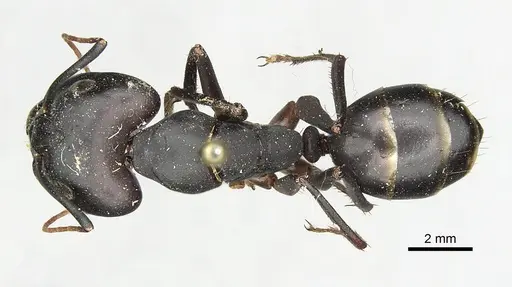
科学文献
正在加载分布地图...正在加载商品...