
Calyptomyrmex tamil
- 学名
- Calyptomyrmex tamil
- 族
- Crematogastrini
- 亚科
- Myrmicinae
- 命名者
- Baroni Urbani, 1975
- 地理分布
- 分布于 0 个国家/地区
物种引言
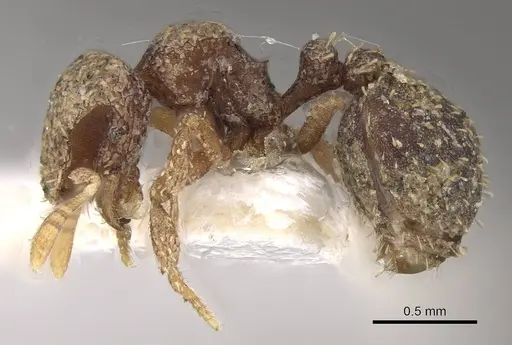
Calyptomyrmex tamil is a small, cryptic ant species endemic to Sri Lanka, first described in 1975 from specimens collected in the Uva province at Wellawaya [AntWiki]. Workers are brown with distinctive morphological features: the promesonotal suture is not visible from above, the first gastral segment has deep punctations, and both the petiole and postpetiole have a reticulate (net-like) surface texture . This species belongs to the Myrmicinae subfamily and is part of the Crematogastrini tribe, a group known for often cryptic, forest-dwelling habits. As a litter-dwelling ant from tropical Sri Lanka, they likely prefer warm, humid conditions with access to dark, sheltered nesting sites. Calyptomyrmex ants are not commonly kept in captivity, and this species remains poorly studied in both the wild and in culture.
Quick Summary
- Difficulty: Unknown, likely Expert due to limited data
- Origin & Habitat: Sri Lanka (Uva province, Wellawaya) at 300m elevation in the Indomalaya region [1][2]. Likely inhabits tropical forest leaf litter or rotting wood.
- Colony Type: Colony structure is unconfirmed, no published data on queen number or colony organization for this species.
- Size & Growth:
- Queen: size data unavailable
- Worker: size data unavailable
- Colony: Unknown, no colony size data available
- Growth: Unknown, no development data exists for this species
- Development: Unknown, no published development data (No specific data available. Related Calyptomyrmex species are small litter ants that likely develop relatively slowly. Temperature and conditions must be determined through observation.)
- Antkeeping:
- Temperature: Likely 24-28°C based on Sri Lankan lowland tropical habitat. Start in this range and adjust based on colony activity.
- Humidity: High humidity (70-85%) typical of tropical forest floor dwellers. Keep substrate consistently moist but not waterlogged.
- Diapause: Unknown, tropical species may not require formal diapause, but may slow down during cooler seasons.
- Nesting: Likely prefers humid, dark spaces such as leaf litter, rotting wood, or small cavities. A naturalistic setup with moist substrate and multiple hiding spots would likely suit them. Test tubes may work if kept humid and dark.
- Behavior: Behavior is unstudied in captivity. Based on genus patterns, they are likely cryptic, slow-moving ants that forage in leaf litter and under stones. They are probably not aggressive and may be predatory on small invertebrates. Escape risk is unknown but likely moderate given their small size, use standard barrier precautions.
- Common Issues: no captive husbandry information exists, this is one of the least-documented species in the antkeeping hobby, colony establishment may be difficult due to unknown founding requirements, temperature and humidity tolerances are entirely inferred, not confirmed, feeding preferences are unconfirmed, diet must be determined through experimentation, wild-caught colonies may have high parasite loads or be already stressed
Species Identification and Morphology
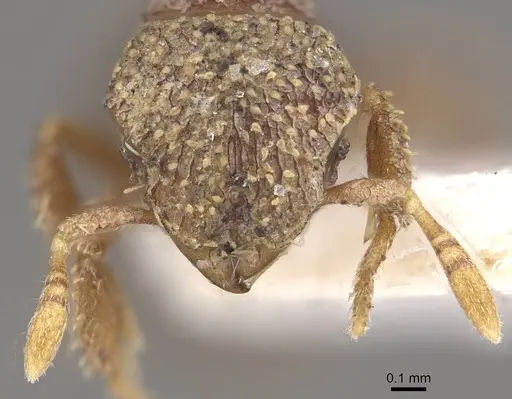
Calyptomyrmex tamil workers can be identified by several distinctive features: the promesonotal suture (the seam between the mesonotum and pronotum) is not visible from above, the first gastral tergite (the top of the first abdominal segment) has deeply impressed punctations (dents or pits), and both the dorsal face of the petiole and postpetiole show reticulate (net-like) sculpturing [2]. The overall body color is brown [2]. These are small, cryptic ants typical of the genus, adapted to life in forest leaf litter where their mottled appearance provides camouflage.
Distribution and Habitat
This species is endemic to Sri Lanka, known only from the type locality in Uva province near Wellawaya at approximately 300 meters elevation [1][2]. The Indomalayan region of Sri Lanka features tropical climates with high year-round humidity. In the wild, Calyptomyrmex species typically inhabit leaf litter, rotting wood, or soil under stones in forested areas. They are not surface-active foragers but rather cryptic ants that hunt or scavenge in dark, humid microhabitats.
Keeping Calyptomyrmex tamil in Captivity
Since no captive husbandry information exists for this species, keepers must approach care experimentally. Based on the species' origin in lowland Sri Lanka, aim for temperatures around 24-28°C and humidity of 70-85%. Keep the nest area consistently moist but avoid standing water. A naturalistic setup with moist substrate (coconut fiber or soil mix), small hiding spots, and low lighting would likely suit them. Test tube setups can work if placed in a humid enclosure and kept dark, these ants prefer dark conditions. Start with standard ant foods (sugar water, small insects) and observe acceptance. Because this species is so poorly documented, keepers should keep detailed notes and consider sharing their findings with the antkeeping community.
Feeding and Diet
The natural diet of Calyptomyrmex tamil is unstudied, but the genus Calyptomyrmex consists of predatory or omnivorous litter ants that likely feed on small invertebrates (springtails, mites, tiny beetles) and possibly honeydew from sap-sucking insects. In captivity, offer small live prey items (fruit flies, pinhead crickets, mealworm pieces) and sugar sources (honey water, sugar water). Start with protein foods and observe whether they accept them. Remove uneaten prey within 24-48 hours to prevent mold. Do not expect rapid acceptance of novel foods, these cryptic ants may be shy feeders.
Challenges and Considerations
Calyptomyrmex tamil represents a significant challenge for antkeepers: virtually no captive husbandry information exists for this or most other Calyptomyrmex species. This is not a species for beginners. Expect a steep learning curve as you determine appropriate conditions through observation rather than established protocols. Wild-caught colonies may be stressed from collection and transport, and could carry parasites. Quarantine and observe new colonies carefully before expecting growth. If you succeed in establishing this species, your observations would be valuable contributions to antkeeping knowledge.
Frequently Asked Questions
How long does it take for Calyptomyrmex tamil to develop from egg to worker?
The development timeline is completely unknown, no published data exists for this species. Based on related small Myrmicinae, expect 6-10 weeks at optimal temperature, but this is an estimate only.
What do Calyptomyrmex tamil ants eat?
Their natural diet is unstudied. Based on genus patterns, they likely accept small live prey (springtails, fruit flies, tiny insects) and sugar sources. Offer variety and observe what they accept.
Are Calyptomyrmex tamil good for beginners?
No. This is one of the least-documented species in the antkeeping hobby with no established care protocols. This species is recommended only for experienced keepers willing to experiment and document their findings.
What temperature and humidity do Calyptomyrmex tamil need?
Based on their Sri Lankan origin, aim for 24-28°C and 70-85% humidity. Keep substrate consistently moist. These are tropical forest floor ants that prefer dark, humid conditions.
How big do Calyptomyrmex tamil colonies get?
Colony size is unknown. Based on typical Calyptomyrmex patterns, colonies are likely small, probably under a few hundred workers at maturity.
Do Calyptomyrmex tamil ants sting?
Stinging ability is not documented for this species. Most small Myrmicinae have stingers but are too small to penetrate human skin. Handle gently regardless.
Can I keep multiple Calyptomyrmex tamil queens together?
No data exists on colony founding or queen behavior. Combining unrelated queens is not recommended given the lack of information.
What type of nest should I use for Calyptomyrmex tamil?
A naturalistic setup with moist substrate and small chambers works best. Test tubes in a humid setup may also work. Provide dark conditions and multiple small hiding spots.
Where is Calyptomyrmex tamil found in the wild?
This species is endemic to Sri Lanka, known only from Uva province near Wellawaya at about 300m elevation [1][2].
Does Calyptomyrmex tamil need hibernation?
Unknown, as a tropical species from Sri Lanka, they likely do not require formal hibernation but may slow during cooler periods.
Report an Issue
The current care sheet is based fully on literature. See inconsistencies, or something that's incorrect? Please , it will be resolved after review from an admin. Contributing to the blogs tab also helps providing information, to make us be able to further improve the caresheets. Thank you for your support!
References

此饲养指南授权协议为 CC BY-SA 4.0 .
社区博客
CASENT0911133
在 AntWeb 上查看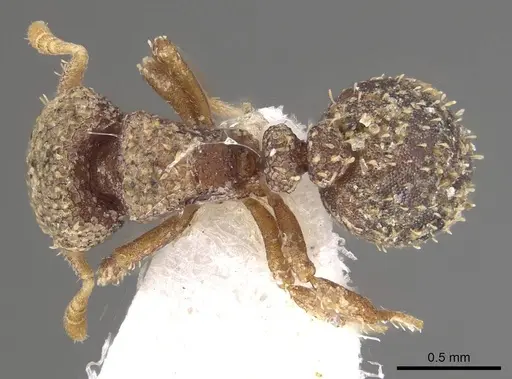
科学文献
正在加载分布地图...正在加载商品...