
Apterostigma steigeri
- 学名
- Apterostigma steigeri
- 族
- Attini
- 亚科
- Myrmicinae
- 命名者
- Santschi, 1911
- 地理分布
- 分布于 0 个国家/地区
物种引言
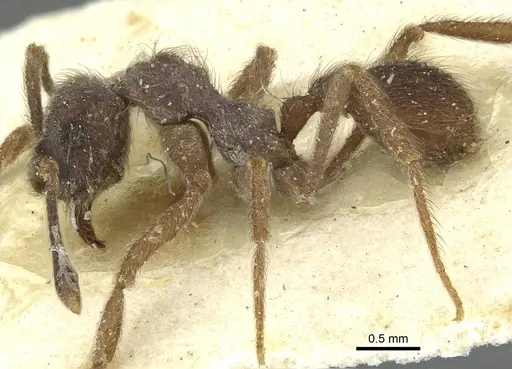
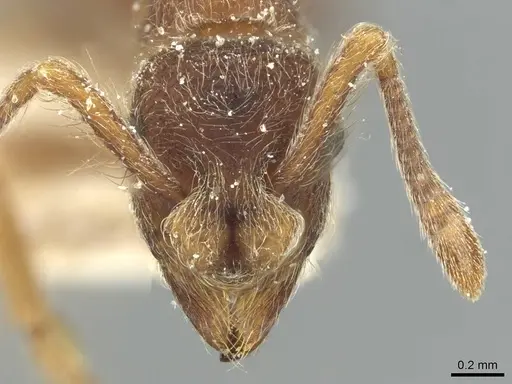
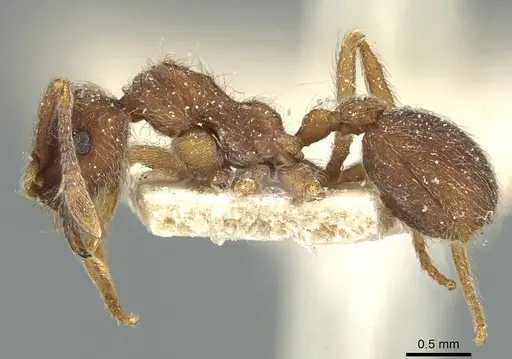
Apterostigma steigeri is a fungus-growing ant from the tribe Attini, found across the southern Neotropical region in Argentina, Brazil, Paraguay, and Uruguay [AntWiki]. They cultivate living fungal gardens as their primary food source, making them one of the more specialized ants to maintain in captivity. They nest in rotting wood and forest floor litter in temperate to subtropical forests.
Quick Summary
- Difficulty: Expert
- Origin & Habitat: Southern South America including Argentina, Brazil, Paraguay, and Uruguay [1]. They inhabit rotting wood and leaf litter in temperate to subtropical forests.
- Colony Type: Colony structure is unconfirmed. Specific data on queen number and colony organization is not available in the research literature.
- Size & Growth:
- Queen: Size data unavailable, no specific measurements exist for this species. Apterostigma genus workers typically range 2-5mm.
- Worker: Size data unavailable, no specific measurements exist for this species. Apterostigma genus workers typically range 2-5mm.
- Colony: Unconfirmed. Colony size data is not available in the research literature.
- Growth: Unknown
- Development: Unknown. Development time data for this species is not available. (Fungus garden establishment is required before brood development can proceed.)
- Antkeeping:
- Temperature: Specific requirements unconfirmed. Provide stable temperatures in the low-to-mid 20s°C range.
- Humidity: High humidity required for fungus garden health. Keep nest material consistently moist but not waterlogged.
- Diapause: Unknown. Their distribution includes temperate regions, but specific diapause requirements are not documented.
- Nesting: Naturalistic setup required with rotting wood, leaf litter, and dedicated space for fungus garden. Standard formicaria are unsuitable.
- Behavior: Slow-moving ants specialized for collecting plant material to cultivate their fungus garden. They are not aggressive and possess a stinger typical of Myrmicinae, though they rarely use it. Their small size requires fine mesh barriers to prevent escape.
- Common Issues: fungus garden collapse from mold or mite contamination., inability to establish initial fungus culture without compatible fungal material., death from feeding typical ant foods instead of fungus garden material., overheating or drying out kills the sensitive fungus garden quickly., difficulty sourcing founding queens, rarely available in trade.
Fungus Garden Care
Apterostigma steigeri cannot survive on typical ant foods. They cultivate specialized fungus gardens that serve as their primary food source. You must provide suitable organic material for the fungus, typically dried leaves, insect frass, and plant debris. The garden requires high humidity and stable temperatures. Mold and mites pose the biggest risk to the garden. You will need to source the initial fungus culture from an established colony or compatible attine fungus, as the queen carries spores from her natal colony but needs fresh material to establish successfully. [1]
Nest Setup and Substrate
In nature, these ants nest in rotting wood and leaf litter [1]. Replicate this with a naturalistic setup using rotten hardwood, leaf litter, and a soil mixture. The nest needs a dedicated chamber for the fungus garden that stays humid while allowing some air exchange. Avoid standard acrylic or plaster nests, they lack the organic material needed for fungus cultivation. Provide a foraging area where you can offer fresh plant material and insect frass. The setup should mimic a decaying log environment: dark, humid, and filled with decomposing plant matter.
Temperature and Seasonal Care
These ants range from subtropical Brazil to temperate Argentina and Uruguay [1]. Keep active colonies at stable temperatures in the low-to-mid 20s°C range. Specific diapause requirements are not documented, but their distribution includes regions with distinct seasons. Observe your colony for signs of reduced activity during cooler months and adjust temperatures accordingly. Do not let them freeze.
Feeding and Nutrition
Unlike typical ants, Apterostigma steigeri eats fungus, not the food you provide directly. You must feed the fungus, not the ants. Offer dried leaves, insect frass, and small amounts of fresh plant debris. They also collect caterpillar droppings and other insect waste in the wild. Occasionally offer small insects or protein sources, but the primary diet is the fungus garden. Remove any food that molds quickly. They do not need sugar water or honey, the fungus provides all necessary carbohydrates. [1]
Defense and Temperament
These are slow-moving, deliberate ants specialized for gardening rather than hunting. They possess a functional stinger typical of the Myrmicinae subfamily, though they are not aggressive and rarely use it. Workers spend their time processing plant material, tending the fungus garden, and maintaining the nest. Colonies grow slowly. New workers will be small and pale, darkening as they age. The colony focuses energy on garden expansion rather than massive worker production. [1]
Frequently Asked Questions
Can I keep Apterostigma steigeri in a test tube?
No. Test tubes lack the space and organic material needed for fungus gardens. They require a naturalistic setup with rotting wood and leaf litter from the start.
What do Apterostigma steigeri eat?
They eat fungus that they cultivate on plant material. You must feed the garden dried leaves, insect frass, and plant debris. They cannot survive on sugar water or insects alone.
Do Apterostigma steigeri need hibernation?
Unknown. Their range includes temperate regions with distinct winters, but specific diapause requirements are not documented in the literature.
Are Apterostigma steigeri good for beginners?
No. They are expert-level ants due to their specialized fungus-gardening requirements. Most beginners should start with species like Lasius niger or Tetramorium.
How long until first workers for Apterostigma steigeri?
Unknown. Development time data for this species is not available in the research literature.
How big do Apterostigma steigeri colonies get?
Unknown. Colony size data is not available in the research literature.
Where can I buy Apterostigma steigeri?
They are rarely available in the ant trade. Most keepers must collect them from the wild in their native range, which requires knowledge of local regulations and proper fungus collection techniques.
Why did my Apterostigma steigeri colony die?
Most captive failures occur due to fungus garden collapse from mold, incorrect humidity, or inability to establish the initial fungus culture. They are very sensitive to environmental changes.
Can I keep multiple Apterostigma steigeri queens together?
Not recommended. Combining queens would likely result in fighting. Colony structure data is not available for this species.
Report an Issue
The current care sheet is based fully on literature. See inconsistencies, or something that's incorrect? Please , it will be resolved after review from an admin. Contributing to the blogs tab also helps providing information, to make us be able to further improve the caresheets. Thank you for your support!
References

此饲养指南授权协议为 CC BY-SA 4.0 .
社区博客
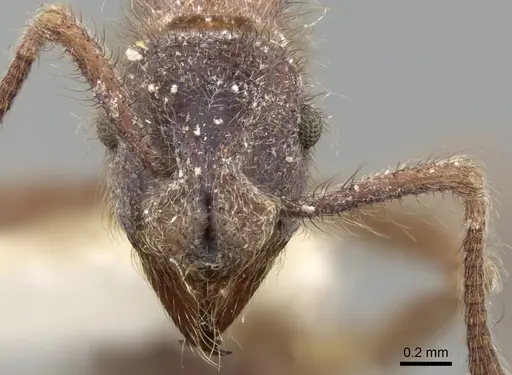
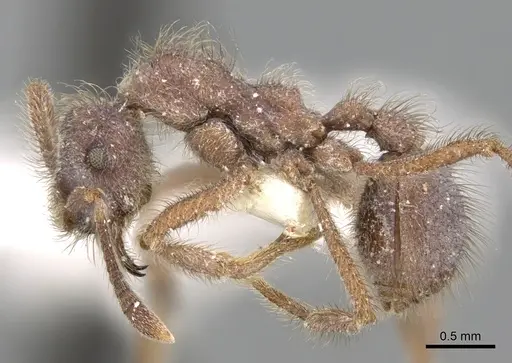
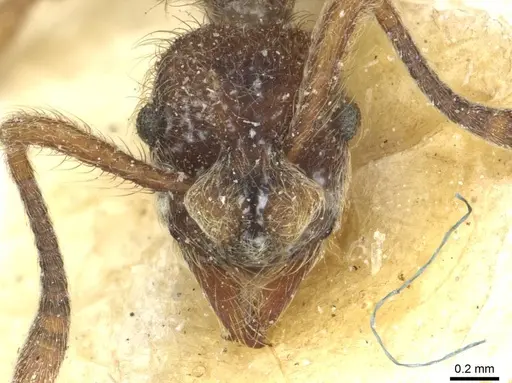
CASENT0281777
在 AntWeb 上查看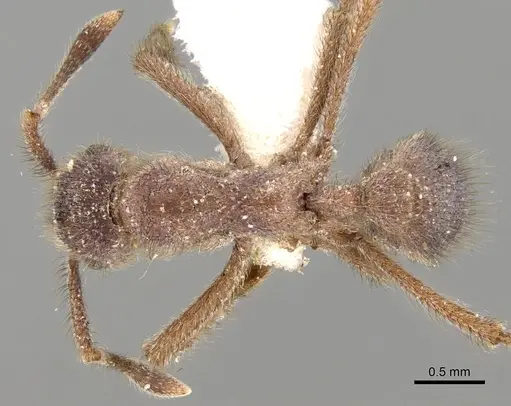
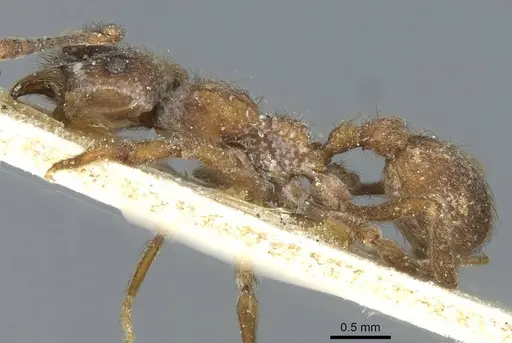
CASENT0912485
在 AntWeb 上查看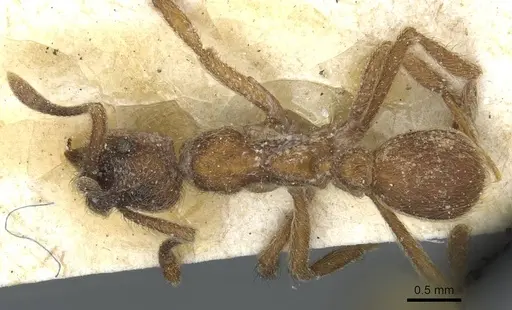
CASENT0912487
在 AntWeb 上查看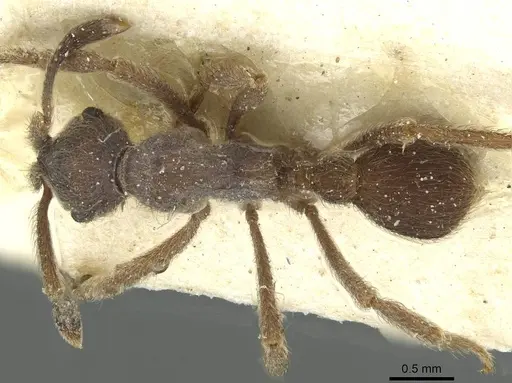
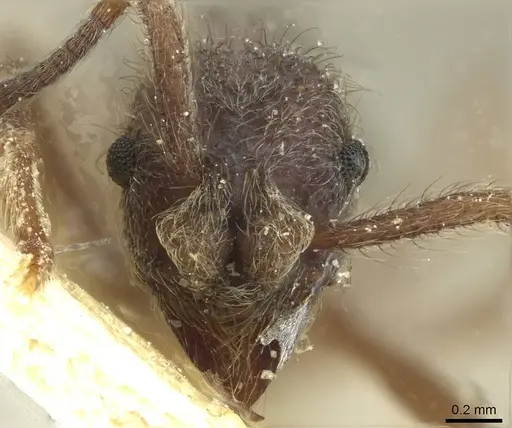
CASENT0912488
在 AntWeb 上查看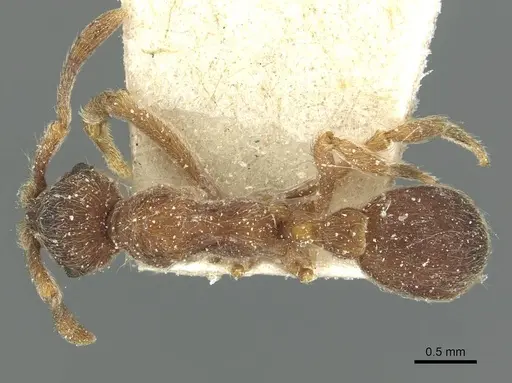
科学文献
正在加载分布地图...正在加载商品...