
Aphaenogaster cristata
- 学名
- Aphaenogaster cristata
- 族
- Stenammini
- 亚科
- Myrmicinae
- 命名者
- Forel, 1902
- 地理分布
- 分布于 0 个国家/地区
物种引言
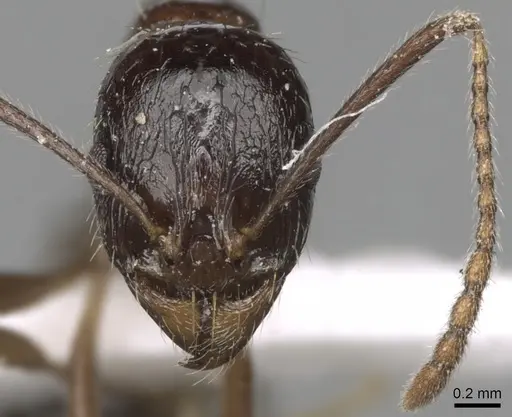
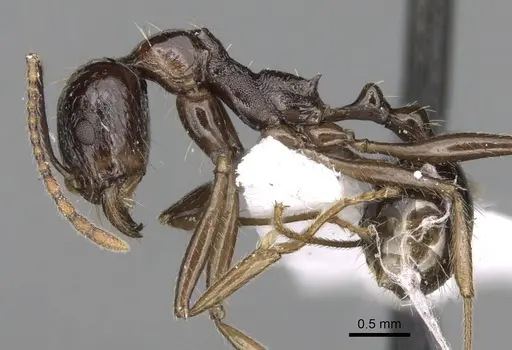
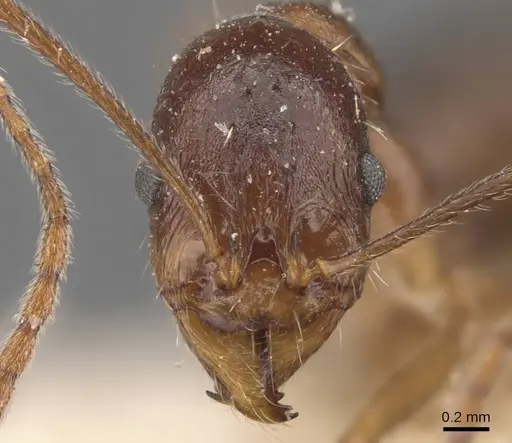
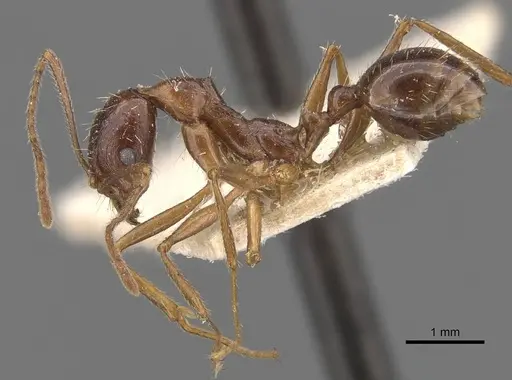
Aphaenogaster cristata is a small ant species endemic to the Himalayan mountain regions of India . Workers have a distinctive raised transverse crest-like pinched projection on the middle of their mesonotum, giving them a unique appearance among Aphaenogaster species . The postpetiole is almost twice as long as broad . This species is found at high elevations ranging from 1000 to 3400 meters above sea level across Indian states including Himachal Pradesh, Arunachal Pradesh, Sikkim, West Bengal, and Jammu & Kashmir . They are classified as opportunists - generalist foragers that exploit varied food sources in their mountain forest habitats . As an extratropical high-altitude species living at approximately 28°N latitude, they experience cool conditions year-round and require winter hibernation in captivity .
Quick Summary
- Difficulty: Hard
- Origin & Habitat: Himalayan mountain regions of India (Himachal Pradesh, Arunachal Pradesh, Jammu & Kashmir, Sikkim, West Bengal) at elevations of 1000-3400 meters above sea level [3][1].
- Colony Type: Unconfirmed, colony structure has not been studied for this species.
- Size & Growth:
- Queen: Size data unavailable, inferred from typical Aphaenogaster genus patterns (~6-8mm).
- Worker: Size data unavailable, inferred from typical Aphaenogaster genus patterns (~3-5mm).
- Colony: Unknown, no published data on colony size for this species.
- Growth: Likely slow due to cool climate adaptation.
- Development: Unknown, likely 8-12 weeks at cooler temperatures based on temperate Aphaenogaster patterns. (Development likely proceeds slower at the cooler temperatures these high-altitude ants prefer.)
- Antkeeping:
- Temperature: Cool conditions required, approximately 15-20°C during active season. Avoid temperatures above 25°C. Winter hibernation at 5-10°C is recommended [5][3].
- Humidity: Moderate to high humidity (60-80%), reflecting damp Himalayan forest floor conditions. Provide a moisture gradient with damp and slightly drier areas.
- Diapause: Yes, as an extratropical high-altitude species, winter rest for 3-4 months is recommended [5][3].
- Nesting: Soil and rock crevice nests in nature. In captivity, use naturalistic setups with soil or plaster nests that retain moisture while providing ventilation.
- Behavior: Opportunistic foragers that prefer close vegetation rather than open trails due to their shorter antennal scapes [6][4]. Generally peaceful but active. Escape risk is moderate, use barriers appropriate for small workers.
- Common Issues: overheating is the biggest risk, these high-altitude ants cannot tolerate warm room temperatures above 25°C and will die., failure to provide winter hibernation (diapause) often causes colony decline or queen death in subsequent seasons., slow growth rates require patience, do not overfeed expecting rapid expansion like tropical species., desiccation kills quickly, maintain consistent humidity without allowing mold growth.
Natural History and Distribution
Aphaenogaster cristata is endemic to India, meaning it occurs nowhere else in the world naturally [1]. The species was first described from Dharmsala in Himachal Pradesh [7], and has since been recorded across the Himalayan foothills and highlands including Arunachal Pradesh, Jammu & Kashmir, Sikkim, and West Bengal [1]. They occupy a remarkable elevation range from 1000 meters up to 3400 meters above sea level [3], placing them in cool, temperate forest conditions rather than tropical heat. A dubious record exists for Nepal, but this remains unverified [8]. The species belongs to the opportunist functional group, meaning they are generalist foragers that exploit available resources rather than specializing on specific prey [4].
Nest Preferences and Setup
In their natural Himalayan habitat, these ants likely nest in soil and rock crevices on forest floors. The high elevation means their nests experience cool, stable temperatures and high humidity from mountain mists and seasonal rains. For captive keeping, avoid standard tropical setups. Instead, provide a naturalistic enclosure with a soil or plaster nest that can maintain moisture without becoming waterlogged. Create a humidity gradient, one side damp, one side slightly drier, so the colony can self-regulate. Because they prefer cooler conditions, avoid placing heating cables directly on the nest, if supplemental heat is needed during the active season, place it gently on one side and monitor carefully. [3][5]
Temperature and Seasonal Care
Temperature management is the most critical aspect of keeping this species. As an extratropical species living at latitudes around 28°N and elevations up to 3400 meters, they experience cool conditions year-round [5][3]. During the active season (spring through autumn), maintain temperatures between 15-20°C. They can tolerate brief periods slightly cooler or warmer, but sustained temperatures above 25°C will stress or kill the colony. For winter care, provide a diapause (hibernation) period of 3-4 months at 5-10°C. Gradually reduce temperatures in autumn and keep the nest slightly drier during this rest period. Resume normal temperatures and humidity in spring when the colony shows increased activity.
Feeding and Diet
As opportunists, these ants accept a wide variety of foods [4]. Offer small insects such as fruit flies, springtails, or tiny cricket pieces twice weekly. Provide sugar sources constantly, sugar water, honey water, or ant nectar. They may also accept seeds and small bits of protein-rich foods. Their shorter antennal scapes suggest they forage in close vegetation rather than traveling long trails [6], so place food items near the nest entrance initially. Remove uneaten protein within 24 hours to prevent mold in the cool, humid conditions they require.
Behavior and Temperament
Aphaenogaster cristata shows typical Aphaenogaster behavior, moderately active, generally peaceful, and deliberate in their movements. They are not known for aggressive stinging or biting, though like most ants they can nip if threatened. Their shorter antennal scapes mean they navigate by staying close to vegetation and ground cover rather than running long open trails [6]. In captivity, they establish regular foraging routes within their enclosure. They are not escape artists like some smaller species, but standard escape prevention (barrier cream or fine mesh) is still necessary given their small worker size.
Frequently Asked Questions
Can I keep Aphaenogaster cristata in a test tube?
Yes, test tubes work well for founding colonies, but ensure you keep them cool (15-20°C) and provide hibernation setup after the first year. Use smaller test tubes appropriate for the likely small queen size.
Do Aphaenogaster cristata need hibernation?
Yes, hibernation (diapause) is required. As a high-altitude Himalayan species living at 1000-3400 meters elevation, they experience cold winters naturally. Provide 3-4 months of winter rest at 5-10°C.
What temperature do Aphaenogaster cristata need?
Keep them cool, 15-20°C during the active season. Never exceed 25°C. They need winter hibernation at 5-10°C for 3-4 months.
How long until Aphaenogaster cristata get their first workers?
The exact timeline is unknown. Based on related temperate Aphaenogaster species, expect roughly 8-12 weeks from egg to worker at 20-22°C, possibly longer at cooler temperatures.
Can I keep multiple Aphaenogaster cristata queens together?
Not recommended. While unconfirmed for this species, most Aphaenogaster form single-queen colonies. Combining queens will likely result in fighting and death.
Are Aphaenogaster cristata good for beginners?
No. Their requirement for cool temperatures and hibernation makes them challenging. Beginners should start with easier room-temperature species like Lasius niger or Tetramorium species.
What do Aphaenogaster cristata eat?
They are opportunistic generalists. Feed small insects (fruit flies, springtails, cricket pieces) and sugar water or honey. They likely accept seeds as well.
How big do Aphaenogaster cristata colonies get?
Colony size is unstudied, no published data exists for this species.
Why are my Aphaenogaster cristata dying?
The most common causes are overheating (they need cool conditions under 25°C) and failure to provide winter hibernation. Check your thermometer and ensure seasonal cooling.
Do Aphaenogaster cristata sting?
Aphaenogaster species possess stings but are generally not dangerous to humans. Their small size means they cannot penetrate skin effectively. They are defensive but not aggressive.
Report an Issue
The current care sheet is based fully on literature. See inconsistencies, or something that's incorrect? Please , it will be resolved after review from an admin. Contributing to the blogs tab also helps providing information, to make us be able to further improve the caresheets. Thank you for your support!
References

此饲养指南授权协议为 CC BY-SA 4.0 .
社区博客
CASENT0280954
在 AntWeb 上查看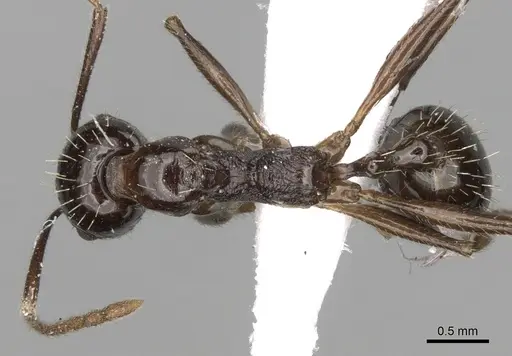
CASENT0907680
在 AntWeb 上查看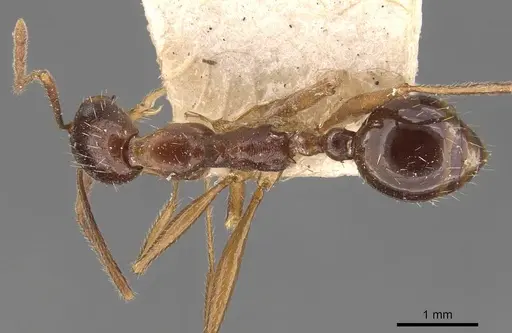
科学文献
正在加载分布地图...正在加载商品...