
Aenictus furculatus
- 学名
- Aenictus furculatus
- 亚科
- Dorylinae
- 命名者
- Santschi, 1919
- 地理分布
- 分布于 0 个国家/地区
物种引言
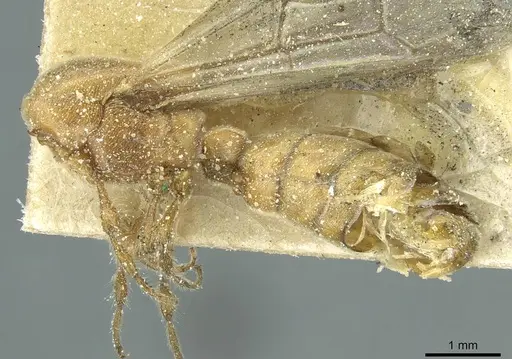
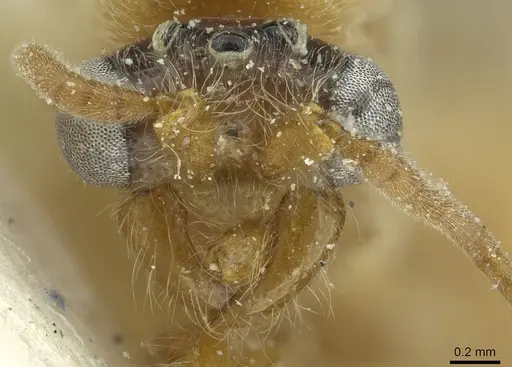
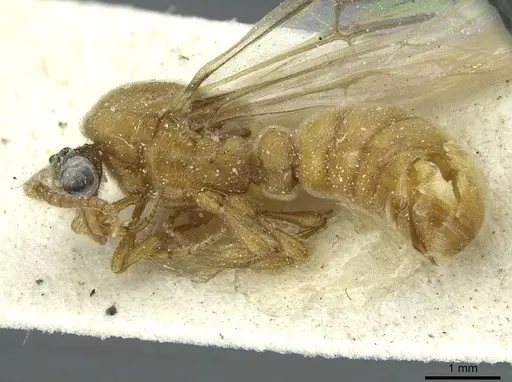
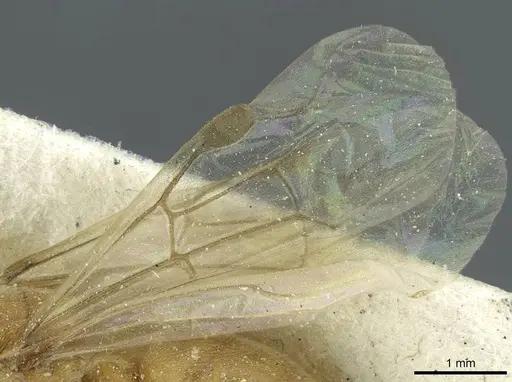
Aenictus furculatus is an army ant from the Dorylinae subfamily found only in Senegal, West Africa . Only the type specimen (a male collected at Saint Louis) has been formally documented, making this one of the least-known ant species in existence . Like other Aenictus army ants, they are nomadic predators that form temporary bivouacs rather than permanent nests and specialize in hunting other ants and termites. This lifestyle makes them effectively impossible to keep in standard ant-keeping setups.
Quick Summary
- Difficulty: Expert
- Origin & Habitat: Senegal, West Africa, only known from the type locality of Saint Louis [1]. Tropical savanna environment.
- Colony Type: Army ant structure, likely multiple dichthadiiform queens (permanently wingless, elongated) with reproduction by colony fission. Not a traditional single-queen setup.
- Size & Growth:
- Queen: Unknown, dichthadiiform type typical for genus [2].
- Worker: size data unavailable, inferred from Aenictus genus patterns (~2-3 mm).
- Colony: Unknown for this species, related Aenictus colonies may reach several thousand workers [2].
- Growth: Unknown.
- Development: Unknown. (Army ants typically have rapid brood development in warm conditions, but no specific data exists for this species.)
- Antkeeping:
- Temperature: Unknown, likely warm (tropical species) but no specific data.
- Humidity: Unknown, likely humid but no specific data for this species.
- Diapause: No, tropical species from West Africa likely active year-round [1].
- Nesting: Not applicable to standard keeping. Army ants form temporary bivouacs (living nests made of worker bodies) and are nomadic. They cannot be housed in traditional formicaria [2].
- Behavior: Nomadic army ant behavior with constant colony movement. Specialized predators of other ants and termites [2]. High escape risk due to small worker size and exploratory foraging columns.
- Common Issues: cannot be housed in standard nests due to nomadic bivouac lifestyle and constant movement requirements., require massive quantities of live ant or termite prey daily, cannot survive on substitute foods., colony fission reproduction creates unpredictable space requirements and colony splitting., extremely difficult to acquire legally and ethically due to African origin and army ant shipping restrictions., tiny worker size means escape prevention is nearly impossible with standard equipment.
Why These Ants Are Not Suitable for Captivity
Aenictus furculatus is effectively unkeepable in standard ant-keeping setups. As an army ant, they exhibit nomadic behavior where the entire colony moves regularly to new hunting grounds, forming temporary bivouacs made of living worker bodies rather than constructing permanent nests [2]. This means they require massive, continuous spaces that allow for colony movement, something impossible to provide in test tubes, formicaria, or even large terrariums. Additionally, they are specialized predators that hunt other ants and termites exclusively, requiring a constant supply of live prey that few keepers can sustainably provide. The combination of space requirements, dietary specialization, and the colony's tendency to split via fission makes this species suitable only for specialized research facilities, if at all.
Natural History and Biology
Almost nothing is known specifically about Aenictus furculatus biology. The species is known only from the type specimen collected in Saint Louis, Senegal [1]. Based on patterns from other Aenictus species, they likely inhabit tropical savanna and forest edge habitats in West Africa. Aenictus army ants are specialized predators that forage in columns and raid other ant nests and termite colonies. They possess dichthadiiform queens, permanently wingless, elongated queens with large abdomens that remain within the colony. Reproduction occurs through colony fission, where a portion of the colony splits off with queens to form a new nest, rather than through nuptial flights and single-queen founding [2].
Feeding Requirements
If kept, Aenictus furculatus would require live prey exclusively. Aenictus army ants are obligate predators of other ants and termites [2]. They do not accept honey, sugar water, or standard feeder insects like mealworms or crickets. Instead, they require frequent introductions of live ant colonies (typically smaller species) or termite colonies. This dietary requirement alone makes them impractical for virtually all ant keepers, as maintaining a constant supply of live ant prey is logistically difficult and ethically questionable for a hobby setup.
Housing Challenges
Standard ant-keeping equipment is completely unsuitable for Aenictus furculatus. Test tubes, plaster nests, Y-tong nests, and acrylic formicaria all assume a permanent nesting site, which army ants reject. In nature, these ants form temporary bivouacs, clusters of workers that hang together in protected spots while the colony is on the move. To house them, you would need an enormous, sealed habitat that allows for constant colony movement and regular relocation of the bivouac site. Additionally, their small worker size means they can escape through the tiniest gaps, requiring specialized barriers beyond standard Fluon applications [2].
Frequently Asked Questions
Can I keep Aenictus furculatus in a test tube?
No. Army ants cannot be kept in test tubes or standard formicaria. They require massive spaces to accommodate their nomadic lifestyle and constant movement.
What do Aenictus furculatus eat?
They are specialized predators that eat other ants and termites exclusively. They will not accept honey, sugar water, or standard feeder insects.
How long until Aenictus furculatus gets their first workers?
This is unknown for this species. Army ants reproduce by colony fission (splitting) rather than single queens raising first workers, so the concept of first workers does not apply in the traditional sense.
Do Aenictus furculatus need a queen?
Army ants have multiple queens (dichthadiiform type) and reproduce by colony division. You cannot start a colony from a single queen, you would need to acquire an entire colony with queens already present.
Are Aenictus furculatus good for beginners?
Absolutely not. They are unsuitable for any level of ant keeping due to their specialized diet, space requirements, and nomadic behavior. They are considered impossible to keep in captivity.
Do Aenictus furculatus need hibernation?
No. They are from tropical West Africa and remain active year-round at warm temperatures.
How big do Aenictus furculatus colonies get?
Unknown for this specific species, but related Aenictus colonies can reach several thousand workers.
Can I keep multiple Aenictus furculatus queens together?
Army ants naturally have multiple queens in the same colony, but you cannot simply combine unrelated queens. Colonies must develop together through fission (splitting) from an established colony.
Report an Issue
The current care sheet is based fully on literature. See inconsistencies, or something that's incorrect? Please , it will be resolved after review from an admin. Contributing to the blogs tab also helps providing information, to make us be able to further improve the caresheets. Thank you for your support!
References

此饲养指南授权协议为 CC BY-SA 4.0 .
社区博客
CASENT0911425
在 AntWeb 上查看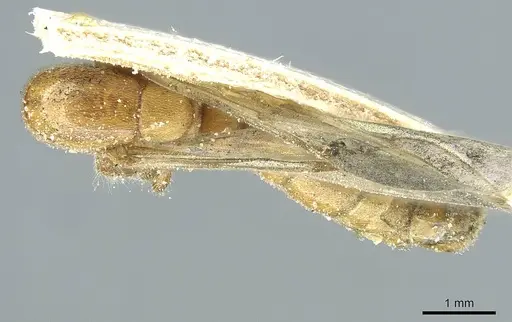
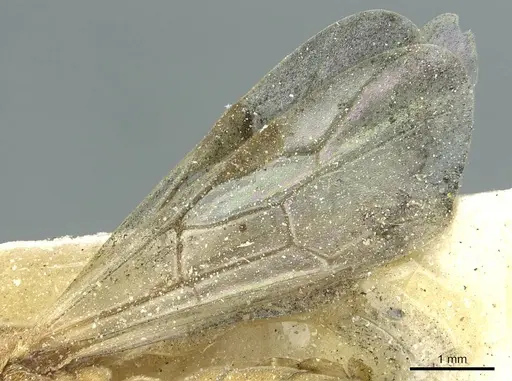
CASENT0911426
在 AntWeb 上查看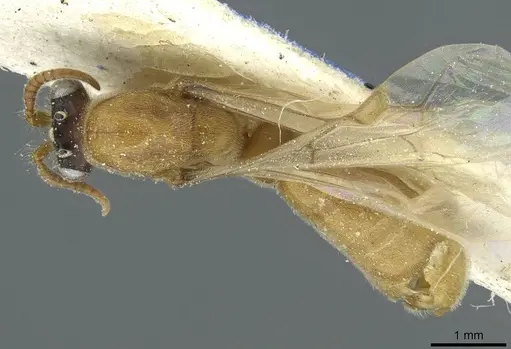
科学文献
正在加载分布地图...正在加载商品...