
Tetramorium rubrum
- Bilimsel Adı
- Tetramorium rubrum
- Oymak (Tribe)
- Crematogastrini
- Alt Familya
- Myrmicinae
- Yazar (Tanımlayan)
- Hita Garcia <i>et al.</i>, 2010
- Dağılım
- 0 ülkede bulundu
Giriş
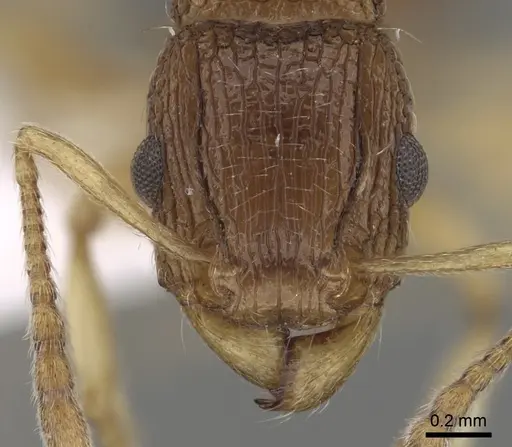
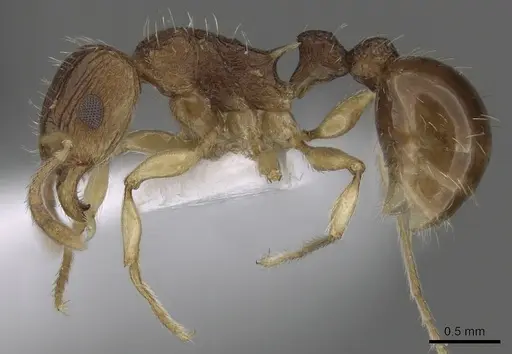
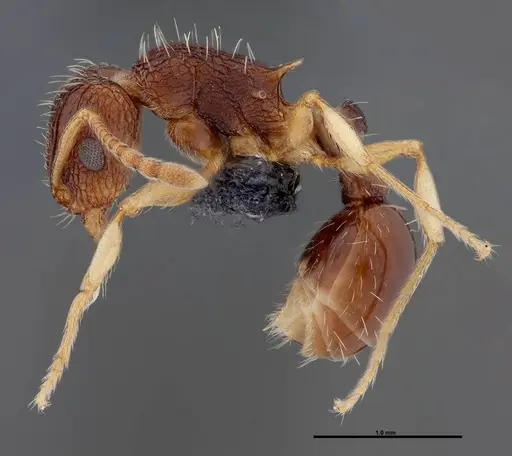
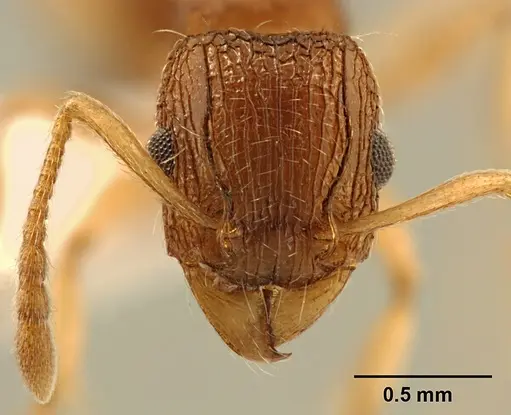
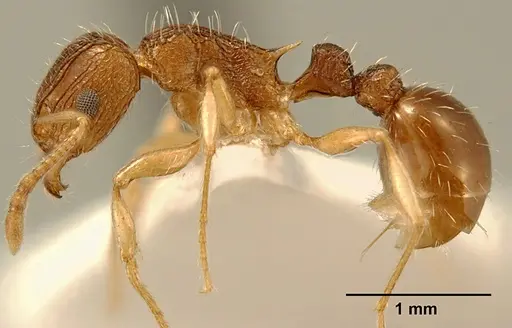
Tetramorium rubrum is a small, red-brown ant native to West Africa, found in Cameroon, Ghana, Ivory Coast, and Nigeria . Workers have a longer-than-wide head and are covered in long, erect hairs. It belongs to the Tetramorium weitzeckeri species group (edouardi complex) and was recognized as a distinct species in 2010 after being misidentified as Tetramorium edouardi . The name 'rubrum' means 'red' in Latin. Almost nothing is known about its biology, colony structure, or captive care, making it a challenging species for any antkeeper.
Quick Summary
- Difficulty: Expert
- Origin & Habitat: West Africa, Cameroon, Ghana, Ivory Coast, Nigeria. Part of the Afrotropical Tetramorium weitzeckeri species group [1][2].
- Colony Type: Unknown, colony structure (single-queen or multi-queen) has not been documented.
- Size & Growth:
- Queen: Unknown, no size data available.
- Worker: Unknown, no total length measurements exist. Only head and mesosoma measurements are recorded, but these do not represent full body size [1].
- Colony: Unknown, no colony size data exists.
- Growth: Unknown
- Development: Unknown, estimated 6-10 weeks based on typical Tetramorium genus patterns at warm temperatures. (No species-specific development data exists. Estimate is speculative.)
- Antkeeping:
- Temperature: Likely warm conditions given West African origin. Based on genus patterns, aim for 24-28°C. No specific data, adjust based on colony activity.
- Humidity: Likely moderate to high humidity. Keep substrate damp but not waterlogged. No specific data.
- Diapause: Unlikely, West African species typically do not require hibernation. No specific data.
- Nesting: No specific nesting data. Based on genus patterns, they likely nest in soil or under stones. A test tube or Y-tong nest with moist substrate is a reasonable starting point.
- Behavior: Behavior is unstudied. As a member of the subfamily Myrmicinae (tribe Crematogastrini), this species likely uses a smearing defense: it applies venom with a modified spatulate stinger rather than piercing. It is probably ground-nesting and non-aggressive toward humans. Escape risk is moderate due to small size, use standard barrier methods.
- Common Issues: no biological data exists, this is one of the least studied ant species in the hobby, colony may fail because we don't know its specific dietary needs, temperature and humidity requirements are inferred, not confirmed, you may need to experiment, slow growth or colony failure is likely since no captive breeding protocols exist, wild-caught colonies may have parasites or diseases that cannot be identified
Appearance and Identification
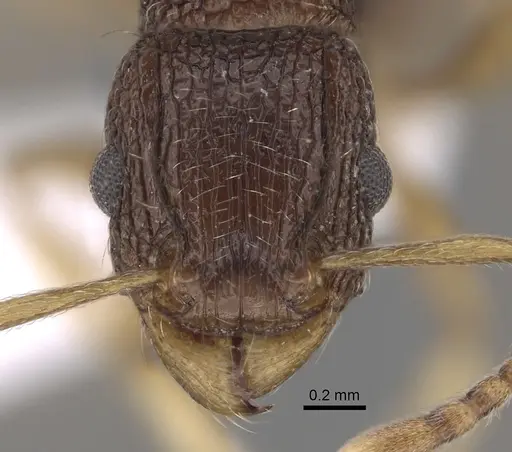
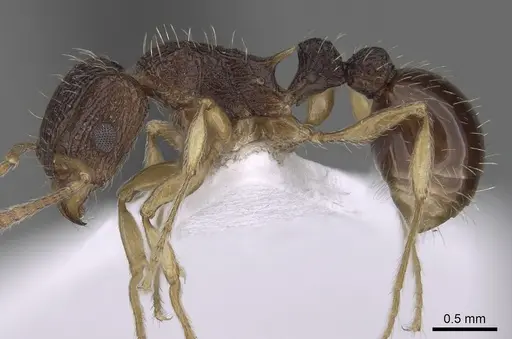
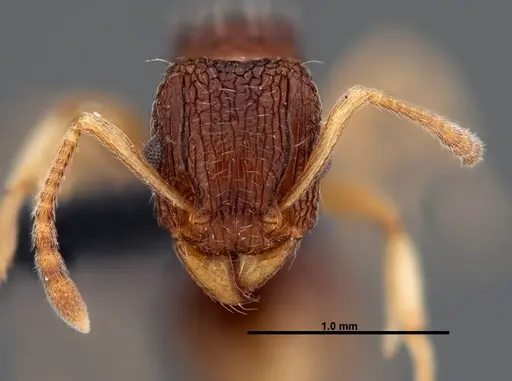
Tetramorium rubrum workers are small, red-brown ants with a longer-than-wide head and numerous long, simple, erect hairs covering the body. The petiolar node is high and nodiform. They are part of the Tetramorium edouardi complex and were previously confused with Tetramorium edouardi until described as a distinct species in 2010 [1].
Distribution and Habitat
This species is known only from West Africa: Cameroon, Ghana, Ivory Coast, and Nigeria [1][2]. It is a member of the Afrotropical fauna, but its specific microhabitat preferences (e.g., soil, leaf litter, under stones) are undocumented. The lack of habitat data makes it difficult to replicate natural conditions in captivity [1][2].
Current State of Knowledge
Tetramorium rubrum is one of the least studied ant species. Described only in 2010,no research exists on its colony biology, diet, foraging behavior, or captive care. All care recommendations must be inferred from related Tetramorium species and general genus patterns. Antkeepers who take on this species must be willing to experiment and document their observations [1].
Care Recommendations
Since no species-specific care data exists, start with conditions typical for small Tetramorium species: keep the nest at 24-28°C with moderate humidity. Use a test tube setup or Y-tong nest with moist (but not flooded) substrate. Feed a varied diet including small insects and sugar water, though acceptance may require experimentation. Monitor colony activity and adjust conditions as needed. Document your observations carefully, as any successful breeding information would be valuable.
Challenges and Considerations
This species presents significant challenges due to the complete lack of biological data. You are essentially pioneering captive husbandry. Colonies may fail for reasons you cannot identify. Growth rates are unknown, and you may need to wait many months or years to see significant colony development. There is no established protocol for breeding this species in captivity. Consider whether you have the patience and resources to maintain a colony with uncertain outcomes. This species is not recommended for beginners or those who want predictable care requirements.
Frequently Asked Questions
How long do Tetramorium rubrum workers live?
Worker lifespan is unknown for this species. Based on typical Tetramorium patterns, workers likely live several months to a year, but there is no captive data.
What do Tetramorium rubrum ants eat?
Diet is unconfirmed. Based on genus patterns, they likely accept small insects, honeydew, and sugar sources. Start by offering small live prey like fruit flies and a sugar water solution. You may need to experiment.
Can I keep Tetramorium rubrum in a test tube setup?
A test tube setup is a reasonable starting point for founding colonies, similar to other small Tetramorium species. Ensure the water reservoir is not too large to avoid flooding, and maintain moderate humidity. However, no species-specific data confirms this is ideal.
How fast do Tetramorium rubrum colonies grow?
Growth rate is unknown. Based on typical Tetramorium patterns, expect slow growth, possibly only a few workers per month initially.
Does Tetramorium rubrum sting?
This species belongs to the tribe Crematogastrini, which uses a smearing defense: they have a modified spatulate stinger for applying venom onto threats, not for piercing. They are not dangerous to humans.
Are Tetramorium rubrum good for beginners?
No. This species is not recommended for beginners. Almost nothing is known about its biology or care requirements, making it an experimental species best suited for experienced antkeepers.
How big do Tetramorium rubrum colonies get?
Colony size is unknown. Based on typical Tetramorium species, they likely reach several hundred workers at most, but this is purely speculative.
Do Tetramorium rubrum need hibernation?
Hibernation is unlikely. As a West African species, they likely experience warm conditions year-round and do not require a winter dormancy period. No specific data exists.
When will Tetramorium rubrum first workers appear?
First workers (nanitics) timeline is unknown. Based on typical Tetramorium patterns at warm temperatures (24-28°C), expect approximately 6-10 weeks from egg to worker, but this is an estimate only.
Can I keep multiple Tetramorium rubrum queens together?
Colony structure is unknown. No data exists on whether this species is single-queen or multi-queen. Combining unrelated queens is not recommended given the lack of information.
What temperature should I keep Tetramorium rubrum at?
Temperature requirements are unconfirmed. Based on West African distribution and typical Tetramorium preferences, aim for 24-28°C. Observe colony activity and adjust if workers seem sluggish (too cold) or cluster away from heat sources (too warm).
Why is my Tetramorium rubrum colony dying?
Without any captive data, identifying problems is extremely difficult. Possible issues include incorrect temperature/humidity, unsuitable diet, or diseases we cannot identify. This species has no established captive protocols, so colony failure is common. Document your conditions and try adjusting one variable at a time.
Report an Issue
The current care sheet is based fully on literature. See inconsistencies, or something that's incorrect? Please , it will be resolved after review from an admin. Contributing to the blogs tab also helps providing information, to make us be able to further improve the caresheets. Thank you for your support!
References

Bu bakım rehberi şu lisans altındadır: CC BY-SA 4.0 .
Topluluk Blogları
CASENT0217227
AntWeb'de Görüntüle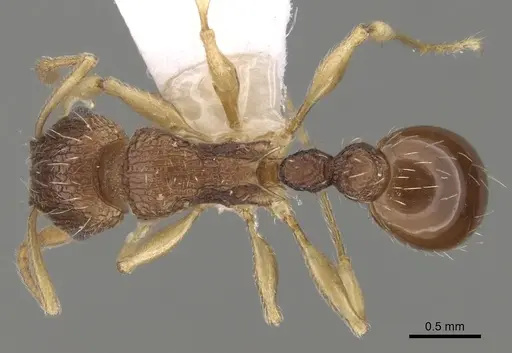
CASENT0217228
AntWeb'de Görüntüle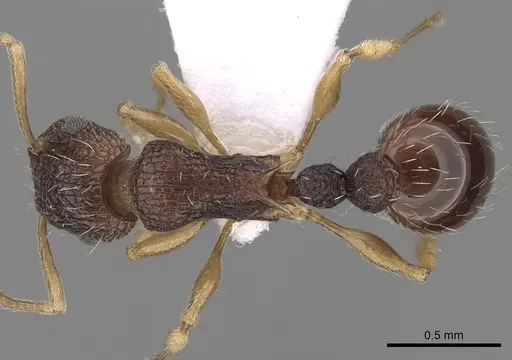
FMNHINS0000047320
AntWeb'de Görüntüle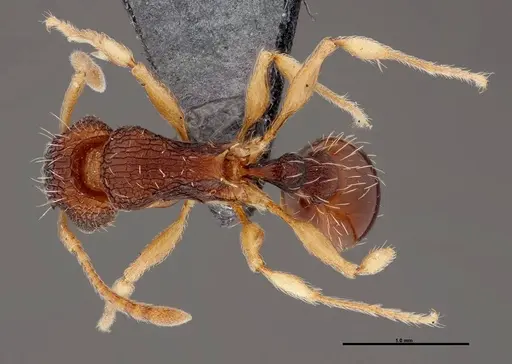
ZFMKHYM20096209
AntWeb'de Görüntüle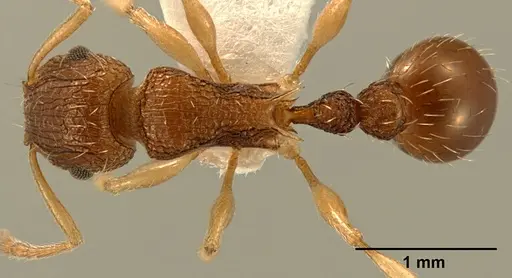
Literatür
Dağılım haritası yükleniyor...Ürünler yükleniyor...