
Tetramorium fergusoni
- Bilimsel Adı
- Tetramorium fergusoni
- Oymak (Tribe)
- Crematogastrini
- Alt Familya
- Myrmicinae
- Yazar (Tanımlayan)
- Forel, 1902
- Dağılım
- 0 ülkede bulundu
Giriş
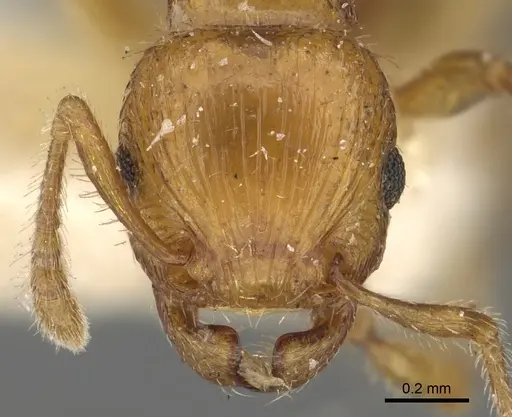
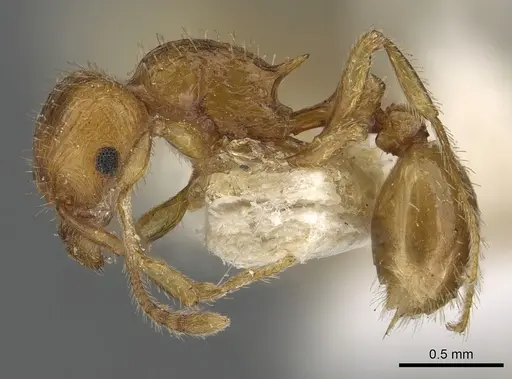
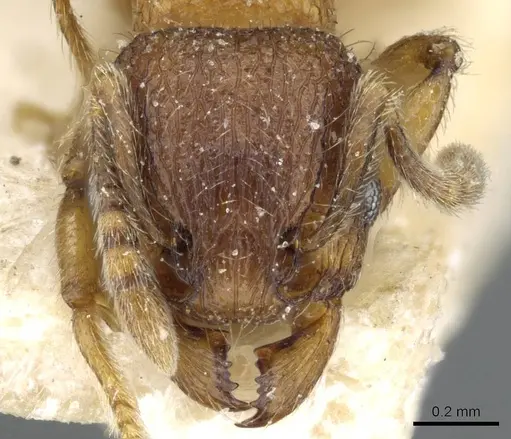
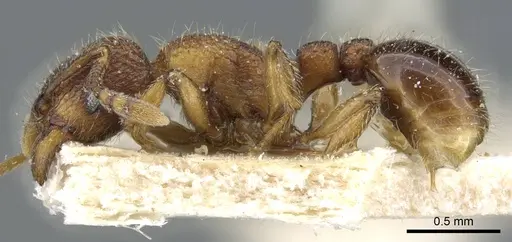
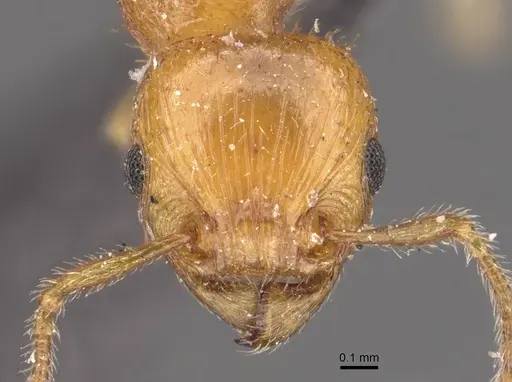
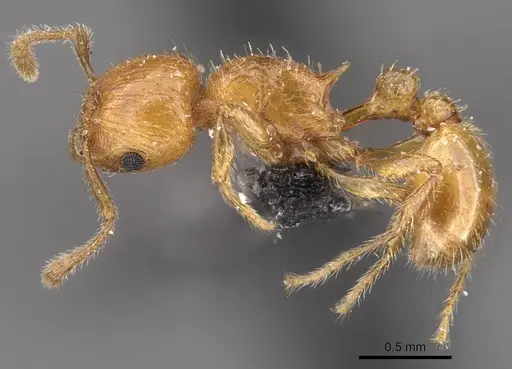
Tetramorium fergusoni is a tiny, bright orange-yellow ant endemic to India, with workers measuring just 2.8-3.0mm in total length . It stands out from all other Tetramorium due to two unique traits: 12-segmented antennae (most have 11 or 12 but the combination is unique) and a spatulate (spoon-shaped) sting appendage . In fact, it belongs to its own monotypic species group – it has no close relatives within the genus . This species remains one of the most poorly known ants in the world. Absolutely no biological data exists about its colony structure, founding behavior, diet, seasonal patterns, or nesting habits in the scientific literature . What we do know is that it's been recorded only from Kerala and West Bengal in India . For keepers, this means you'll be pioneering every aspect of captive husbandry – there are no established care protocols to follow.
Quick Summary
- Difficulty: Expert
- Origin & Habitat: Endemic to India, specifically recorded from Kerala (humid tropical) and West Bengal (subtropical) in the Indomalaya region [3]. No specific habitat data exists – typical Tetramorium species nest in soil, under stones, or in rotting wood in tropical to subtropical areas.
- Colony Type: Unknown – colony structure has never been documented. Most Tetramorium species are monogyne (single queen), but this has not been confirmed for T. fergusoni.
- Size & Growth:
- Queen: Not documented – no queen measurements exist in available literature. Based on typical Tetramorium patterns, queens are likely larger than workers, but exact size is unknown.
- Worker: 2.8-3.0mm [1]
- Colony: Unknown – no colony size data exists.
- Growth: Unknown
- Development: Unknown – no development data exists. Based on typical Tetramorium patterns and small worker size, you could roughly estimate 6-10 weeks at optimal temperature, but this is a guess. (This is entirely an estimate based on genus-level patterns – no species-specific data exists.)
- Antkeeping:
- Temperature: No specific data exists. Start around 22-26°C (room temperature to low warmth) and observe colony activity. Related Tetramorium species typically thrive in moderate warmth.
- Humidity: No specific data exists. Based on origin (Kerala is humid tropical, West Bengal is subtropical), aim for moderate to high humidity – keep the nest substrate moist but not waterlogged, with some drier areas available.
- Diapause: Unknown – Indian species from tropical/southern regions may not require true hibernation, but may have reduced activity periods. No research exists on seasonal requirements.
- Nesting: No specific nesting data exists. Most Tetramorium species nest in soil, under stones, or in small cavities. A test tube setup or small Y-tong nest with moist substrate would be a reasonable starting point.
- Behavior: No behavioral observations exist in scientific literature. As a Myrmicinae species (tribe Crematogastrini), they use a 'smear' defense mechanism – their modified spatulate stinger wipes or smears venom onto enemies instead of piercing flesh. At 2.8-3.0mm, they are very small and likely more docile than larger species. Escape prevention is critical – they can slip through standard barriers. Expect typical ground-nesting ant behavior: foraging on the substrate and recruiting nestmates to food sources.
- Common Issues: no biological data exists – keepers are entirely pioneering captive care protocols, colony structure unknown – may be single or multi-queen, making initial setup uncertain, development timeline unknown – no guidance on how long from egg to worker, temperature and humidity requirements unconfirmed – must be determined through observation, escape prevention critical due to tiny 2.8-3.0mm worker size, no established diet preferences – must experiment with standard ant foods
Species Identification and Uniqueness
Tetramorium fergusoni stands as an entirely unique species within the global Tetramorium genus. It is the only member of its species group (monotypic) and possesses a combination of traits found nowhere else: 12-segmented antennae paired with a spatulate sting appendage [2]. Workers are tiny at just 2.8-3.0mm, with a uniform orange-yellow coloration [1]. The front edge of the clypeus has a distinctive narrow lamelliform apron (a thin, flap-like structure), and the propodeal spines are stout and quite long [1]. For keepers, this species is identifiable by its small size, orange-yellow color, and the unique 12-segmented antennae – most Tetramorium have 11 or 12,but the combination with the spatulate sting is unique.
Distribution and Origin
This species is endemic to India, meaning it is found nowhere else on Earth [3]. Confirmed records exist from Kerala (southern India, humid tropical) and West Bengal (eastern India, subtropical) [3]. The type locality is Travancore in Kerala [1]. The Indian origin suggests preferences for warmer conditions with moderate to high humidity, though no specific ecological data exists. This endemic status also means you should never release this species outside India if you acquire a colony.
Housing and Nest Setup
Since no specific nesting data exists, apply general Tetramorium husbandry principles. Use a test tube setup for founding colonies – a small chamber with moist cotton provides appropriate humidity. For established colonies, a small Y-tong or plaster nest with chambers scaled to their tiny 2.8-3.0mm size works well. The nest material should retain moisture but not become waterlogged. Given their small size, ensure all connections between outworld and nest have tight barriers – these ants can slip through gaps that seem impossibly small. A small outworld with a foraging area is sufficient for colonies up to a few dozen workers.
Feeding and Diet
Diet preferences are completely unstudied for this species. Based on typical Tetramorium biology, they are likely omnivorous – feeding on small insects, seeds, and tending aphids for honeydew. Start with standard ant foods: small live prey (fruit flies, pinhead crickets, springtails), protein-based foods, and sugar sources (honey water, sugar water). Given their tiny size, prey items must be very small. Observe acceptance and adjust feeding accordingly. Remove uneaten food within 24-48 hours to prevent mold.
Temperature and Seasonal Care
No thermal tolerance data exists for this species. Based on its Indian origin (Kerala and West Bengal), aim for warm conditions – roughly 22-28°C seems reasonable as a starting point. Related Tetramorium species from similar latitudes thrive at room temperature to slightly warm conditions. Monitor colony behavior: if workers cluster consistently in warmer areas of the nest, increase temperature slightly, if they avoid heated areas, reduce. Regarding diapause: southern Indian species from Kerala (tropical) may not require true hibernation, but may show reduced activity during cooler months. If your colony becomes less active in winter, reduce feeding and keep at room temperature (15-18°C) for 2-3 months rather than forcing full hibernation.
Behavior and Defense
No behavioral observations exist in scientific literature for this species. As a Myrmicinae (tribe Crematogastrini), they use a 'smear' defense mechanism – their modified spatulate stinger wipes or smears venom onto enemies rather than piercing flesh. At 2.8-3.0mm, they are very small and likely more docile than larger species. Expect typical ground-nesting ant behavior: workers foraging on the substrate, potentially recruiting nestmates to food sources. Escape prevention is critical – their small size allows them to squeeze through standard barrier setups. Use fluon on test tube rims and ensure all enclosure connections are sealed.
Frequently Asked Questions
How long does it take for Tetramorium fergusoni to go from egg to worker?
This is entirely unknown – no development data exists for this species. Based on typical Tetramorium patterns and their small 2.8-3.0mm worker size, estimate 6-10 weeks at optimal temperature. This is a rough guess, not a confirmed timeline.
What do Tetramorium fergusoni ants eat?
Diet is unconfirmed for this species. Based on genus patterns, they likely accept small live prey (fruit flies, springtails), protein foods, and sugar sources (honey water). Start with varied offerings and observe what they accept.
Can I keep multiple Tetramorium fergusoni queens together?
Colony structure is completely unknown – we don't know if this species is single-queen (monogyne) or multi-queen (polygyne). Do not attempt combining unrelated foundress queens until more is known. Start with an isolated queen for best success.
Do Tetramorium fergusoni ants sting?
They possess a functional stinger, but it is modified for smearing venom rather than piercing. As a Myrmicinae tribe Crematogastrini species, they use a 'smear' defense – venom is wiped onto the enemy, not injected. At 2.8-3.0mm, any defensive reaction would be very mild to humans. Handle gently anyway – they are small and easily injured.
Are Tetramorium fergusoni good for beginners?
No – this species is not recommended for beginners. Absolutely no captive husbandry data exists, making it an expert-level species where you are essentially pioneering all care protocols. Start with better-documented species like Tetramorium caespitum or other established pet ants.
What temperature should I keep Tetramorium fergusoni at?
No specific data exists. Based on Indian origin, start around 22-26°C and observe colony behavior. Adjust slightly up or down based on how the colony responds. Avoid extreme temperatures.
Do Tetramorium fergusoni need hibernation?
This is unknown. The Kerala population is from tropical regions where year-round warmth exists, so true hibernation may not be necessary. If kept in a temperate climate, a cool period (15-18°C for 2-3 months) during winter may be appropriate if the colony shows reduced activity.
How big do Tetramorium fergusoni colonies get?
Colony size is completely unstudied. No data exists on maximum colony size in the wild or in captivity. Expect small to moderate colony sizes based on their tiny worker size.
Why is so little known about Tetramorium fergusoni?
This species is extremely obscure in scientific literature. Described in 1902 by Forel, it has rarely been collected or studied since. The unique combination of traits (12-segmented antennae + spatulate sting) made it taxonomically interesting but biologically neglected. Most ant research focuses on abundant or ecologically significant species, and T. fergusoni falls outside those categories.
When will Tetramorium fergusoni have established care guidelines?
This depends entirely on keepers willing to experiment and document their colonies. If you establish a successful captive colony, consider publishing your observations – keeper-documented biology is valuable for species with no wild studies. Check antkeeping forums for any recent keeper successes with this species.
Report an Issue
The current care sheet is based fully on literature. See inconsistencies, or something that's incorrect? Please , it will be resolved after review from an admin. Contributing to the blogs tab also helps providing information, to make us be able to further improve the caresheets. Thank you for your support!
References

Bu bakım rehberi şu lisans altındadır: CC BY-SA 4.0 .
Topluluk Blogları
CASENT0901104
AntWeb'de Görüntüle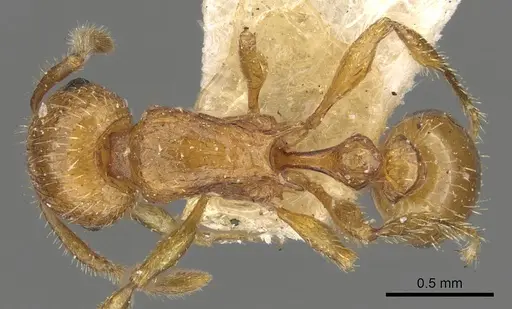
CASENT0904847
AntWeb'de Görüntüle
CASENT0909167
AntWeb'de Görüntüle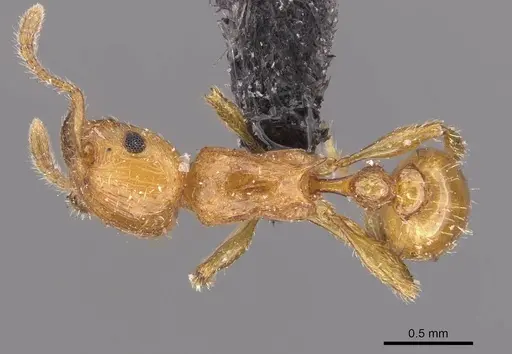
Literatür
Dağılım haritası yükleniyor...Ürünler yükleniyor...