
Terataner velatus
- Bilimsel Adı
- Terataner velatus
- Oymak (Tribe)
- Crematogastrini
- Alt Familya
- Myrmicinae
- Yazar (Tanımlayan)
- Bolton, 1981
- Dağılım
- 0 ülkede bulundu
Giriş
Terataner velatus is an ant species native to West Africa, found in forest-savanna mosaic habitats. It was collected exclusively by beating branches, indicating an arboreal lifestyle . The genus Terataner belongs to the Myrmicinae subfamily, meaning workers have a functional stinger. This species is rarely kept in captivity and remains poorly studied.
Quick Summary
- Difficulty: Expert
- Origin & Habitat: West Africa, specifically found in forest-savanna mosaic habitats [1]. They are arboreal foragers living in trees and shrubs.
- Colony Type: Unconfirmed. Based on typical Terataner patterns, likely monogyne (single queen).
- Size & Growth:
- Queen: size data unavailable
- Worker: size data unavailable
- Colony: Unconfirmed
- Growth: Moderate (estimated)
- Development: Unknown, estimated 6-10 weeks based on typical Myrmicinae patterns at optimal temperature. (Direct development data unavailable, estimate based on related Myrmicinae.)
- Antkeeping:
- Temperature: Target 24-28°C, a warm tropical environment is recommended, though precise requirements are unconfirmed. Provide a gentle gradient so the ants can choose their preferred spot.
- Humidity: Provide moderate to high humidity with access to moisture. As an arboreal species, ensure good ventilation to prevent mold. Mist one side of the nest and keep a water source available.
- Diapause: No, as a tropical species, true diapause is unlikely. However, some seasonal slowdown may occur at cooler temperatures.
- Nesting: Arboreal setup with vertical climbing surfaces such as cork bark or twigs. A Y‑tong (aerated autoclaved concrete) or plaster nest with narrow chambers works well. Avoid ground‑based designs.
- Behavior: Terataner velatus is an arboreal forager. It has a functional stinger (Myrmicinae) and may be moderately defensive if disturbed. Workers are small, so escape prevention is critical, seal all gaps with fine mesh or Fluon. They likely forage individually or in small groups.
- Common Issues: lack of captive husbandry information makes care challenging, arboreal nature requires specialized setups not suitable for ground-nesting nests, small colony sizes mean losses have larger impact on population, escape prevention important due to small worker size, tropical species may not tolerate temperature drops
Natural History and Distribution
Terataner velatus is native to West Africa, where it inhabits forest-savanna mosaic environments. It is exclusively arboreal, spending its entire lifecycle in trees and shrubs rather than on the ground. The only documented collection method for this species was through beating, a technique where researchers shake branches over a beating sheet to dislodge insects [1]. This confirms they forage and nest in vegetation, not on the forest floor. The genus Terataner contains about 10 described species, all native to the Afrotropical region. This species is considered relatively rare in both scientific collections and the antkeeping hobby.
Housing and Nest Setup
Because Terataner velatus is arboreal, standard ground-based nests are not ideal. In captivity, use a naturalistic setup with vertical structures such as cork bark, branches, or twigs. A Y‑tong (aerated autoclaved concrete) or plaster nest with narrow chambers works well, paired with an outworld that includes climbing surfaces. The key is providing vertical space and materials the ants can climb on. Ensure the setup allows good humidity control while maintaining ventilation to prevent mold. Avoid deep soil substrates that ground‑nesting species use, these ants prefer to stay elevated.
Temperature and Humidity
As a tropical West African species, Terataner velatus requires warm conditions. Target a temperature of 24-28°C. You can achieve this with a heating cable placed under one side of the nest to create a gradient. Humidity should be moderate to high, provide a moist area in the nest (e.g., a water tube or damp sponge) but avoid waterlogging. Because this species is arboreal, good ventilation is more important than consistently high substrate moisture. Monitor condensation and adjust as needed.
Feeding and Diet
In the wild, Terataner velatus likely feeds on small arthropods, honeydew, and nectar, a typical diet for arboreal Myrmicinae. In captivity, offer a varied diet: small live prey such as fruit flies, pinhead crickets, and mealworms, plus sugar sources like honey water or sugar water. Protein is important for brood development. Feed small amounts 2-3 times per week and remove uneaten prey after 24 hours to prevent mold. Observe your colony’s preferences and adjust accordingly.
Behavior and Temperament
Terataner velatus belongs to the Myrmicinae subfamily, so workers possess functional stingers. They are likely moderately defensive when threatened and may sting if provoked. As an arboreal species, they are active foragers that search for food in vegetation. Workers probably communicate through chemical trails and may recruit nestmates to large food finds. Their small colony size makes the entire colony more vulnerable to disturbance. Handle with care and avoid disturbing the nest unnecessarily. Escape prevention is critical, their small size allows them to squeeze through tiny gaps, so seal all openings with fine mesh or Fluon.
Frequently Asked Questions
How long does it take for Terataner velatus to develop from egg to worker?
The exact development time is unconfirmed. Based on typical Myrmicinae patterns, expect roughly 6-10 weeks from egg to worker at optimal temperature (24-28°C). Actual timing depends on temperature and colony health.
What is the best nest type for Terataner velatus?
Terataner velatus is arboreal, so traditional ground‑nesting formicariums are not ideal. Use a naturalistic setup with vertical structures like cork bark and branches, or a Y‑tong/plaster nest with narrow chambers paired with an outworld that includes climbing surfaces.
Do Terataner velatus ants sting?
Yes, as a member of the Myrmicinae subfamily, Terataner velatus has a functional stinger. They are not aggressive but may sting if threatened or handled roughly.
How big do Terataner velatus colonies get?
Colony size is unconfirmed. Based on the arboreal habits of related species, mature colonies are likely not very large, possibly a few hundred workers at most.
Do Terataner velatus need hibernation?
No. Being a tropical West African species, they do not require true hibernation. They may experience a slight seasonal slowdown if temperatures drop, but no cold treatment is necessary.
What do Terataner velatus eat?
They likely accept small live prey (fruit flies, pinhead crickets, small mealworms), honeydew, and sugar water. Offer a varied diet with protein sources several times a week and keep sugar water available.
Are Terataner velatus good for beginners?
No, Terataner velatus is not recommended for beginners. They are poorly studied in captivity, require arboreal‑specific housing, and are rarely available in the antkeeping hobby.
Why are my Terataner velatus dying?
Common causes include incorrect temperature (too cold or too hot), improper humidity (too dry or waterlogged), inadequate nesting space, or stress from disturbance. Review your setup against their arboreal, tropical requirements.
Can I keep multiple queens together?
Combining unrelated queens has not been documented for this species. Based on typical Terataner patterns, single‑queen colonies are most likely. Do not attempt pleometrosis without specific research on this species.
When should I move Terataner velatus to a formicarium?
Move them when the colony has outgrown its current setup and shows active foraging behavior. Ensure the new nest provides appropriate vertical climbing structures and maintains proper humidity.
Report an Issue
The current care sheet is based fully on literature. See inconsistencies, or something that's incorrect? Please , it will be resolved after review from an admin. Contributing to the blogs tab also helps providing information, to make us be able to further improve the caresheets. Thank you for your support!
References

Bu bakım rehberi şu lisans altındadır: CC BY-SA 4.0 .
Topluluk Blogları
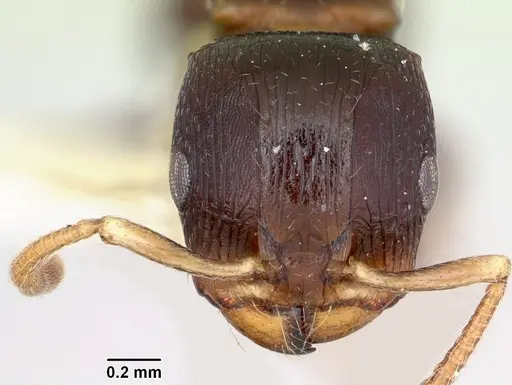
CASENT0102229
AntWeb'de Görüntüle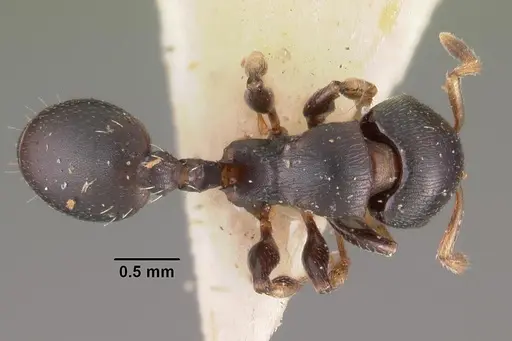
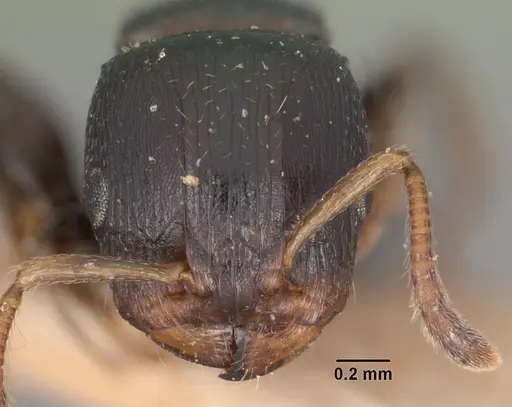
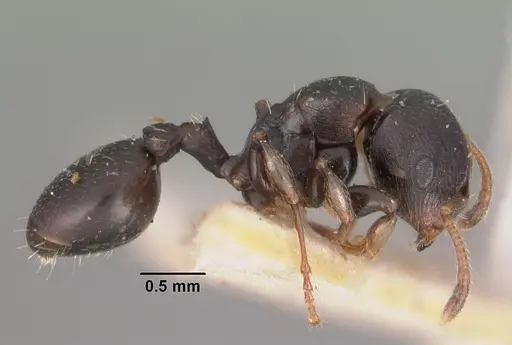
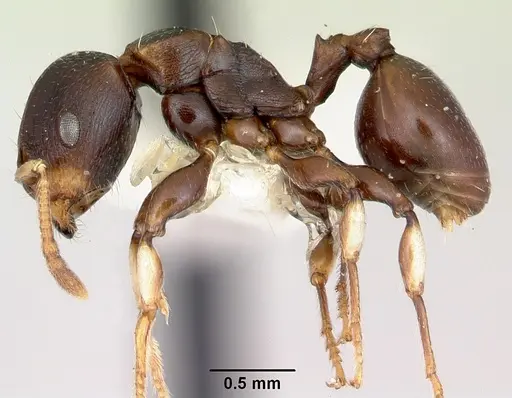
CASENT0172828
AntWeb'de Görüntüle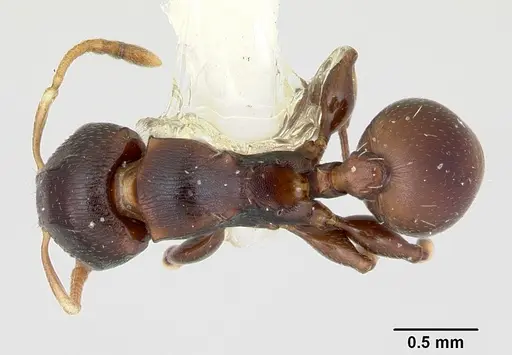
Literatür
Dağılım haritası yükleniyor...Ürünler yükleniyor...