
Temnothorax volgensis
- Bilimsel Adı
- Temnothorax volgensis
- Oymak (Tribe)
- Crematogastrini
- Alt Familya
- Myrmicinae
- Yazar (Tanımlayan)
- Ruzsky, 1905
- Dağılım
- 0 ülkede bulundu
Giriş
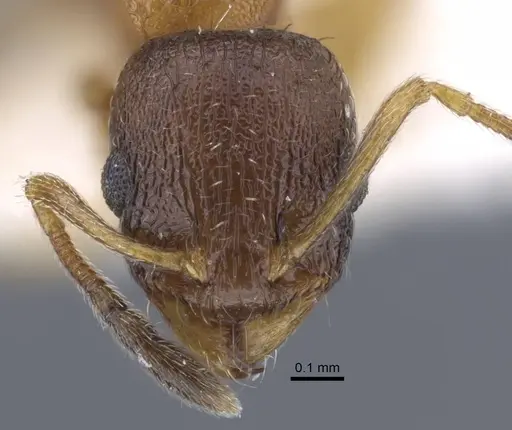
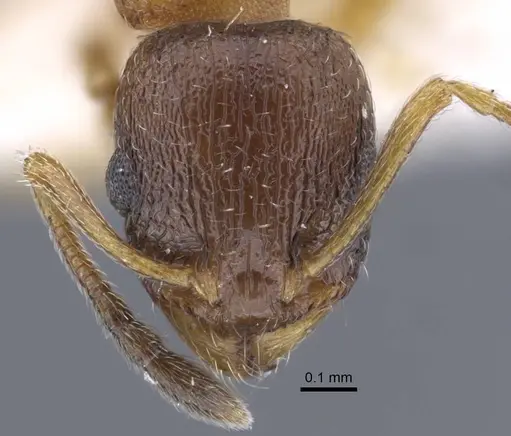
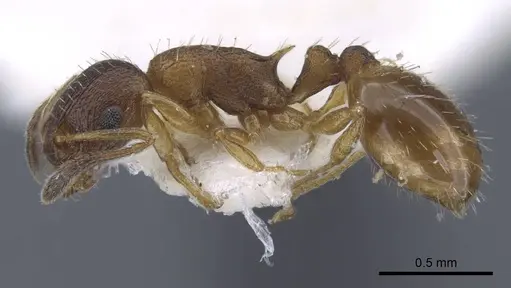
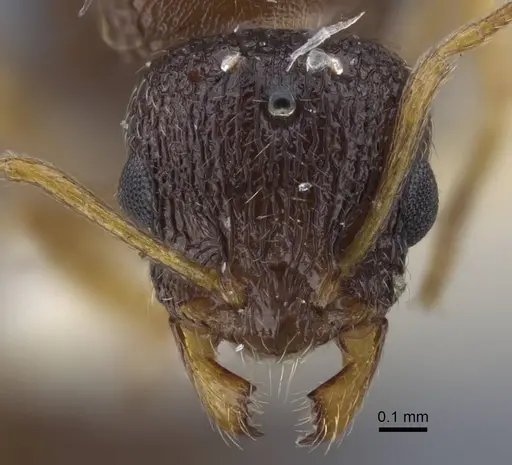
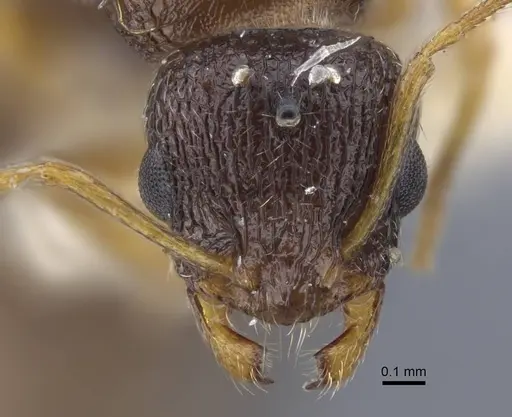
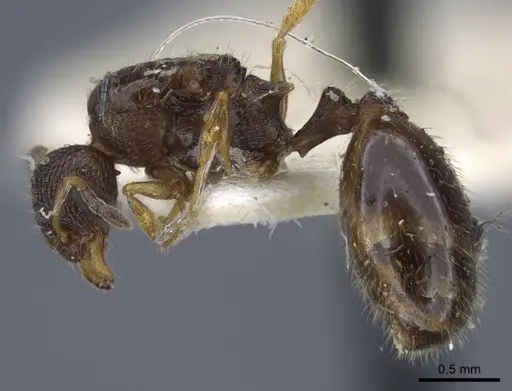
Temnothorax volgensis is a small ant from the Palaearctic region. It has been recorded in Russia (European parts, Urals), Eastern Europe, Kazakhstan, and recently in China's Qinghai province . The head dorsum has coarse longitudinal rugae on the central area, and the mesosomal dorsum is densely reticulate. The body is yellowish brown with the head blackish brown . This species lives in steppe habitats and has been found nesting in the lower part of old pine trees . Its biology is poorly studied, so most care advice relies on what is known for the genus Temnothorax.
Quick Summary
- Difficulty: Easy
- Origin & Habitat: Palaearctic: Russia (Central, East, South European parts, Urals), Eastern Europe, Kazakhstan, and Qinghai province in China [1][2]. Lives in steppe habitats and nests in old pine trees [3].
- Colony Type: Unconfirmed. Based on typical Temnothorax patterns, likely monogyne (single queen), but no specific studies confirm this. Some related species have ergatoid replacement queens, but this is not documented for Temnothorax volgensis.
- Size & Growth:
- Queen: ~4-6mm, inferred from Temnothorax genus patterns
- Worker: ~2.5-4mm, inferred from Temnothorax genus patterns
- Colony: Unknown, data unavailable
- Growth: Unknown, likely slow based on genus patterns
- Development: Unknown, data unavailable for this species. Based on related Temnothorax species, roughly 6-10 weeks at warm temperatures, but not confirmed. (Development time is inferred and may vary with temperature.)
- Antkeeping:
- Temperature: Unknown for this species. Based on temperate distribution and steppe habitat, keep around 20-24°C with a gradient. Avoid extremes and direct heat.
- Humidity: Dry to moderate, matches steppe habitat. Keep nest substrate slightly moist but not wet. Allow some drying between waterings.
- Diapause: Likely yes, based on temperate Palearctic distribution. Provide 2-3 months at 5-10°C during winter (November-February). This is inferred, not directly documented for this species.
- Nesting: Y-tong (AAC) nests with small, tight chambers or test tube setups. They prefer narrow spaces that mimic natural cavities in pine bark. Avoid large open chambers.
- Behavior: Defense: Uses a modified spatulate stinger to smear venom onto enemies (typical of Crematogastrini tribe). Not aggressive to humans. Forages individually. Escape risk moderate due to tiny size, use fine mesh (at least 0.5mm) and seal all gaps.
- Common Issues: colonies grow slowly, patience required, avoid overchecking the queen during founding., escape prevention critical due to tiny size, even small gaps allow escapes., overheating is dangerous, keep below 28°C and away from direct heat sources., overfeeding can cause mold, remove uneaten prey within 24 hours.
Housing and Nest Setup
Based on their natural habitat, steppe and under pine bark [3], Temnothorax volgensis does best in small, compact nests. A test tube setup works well for founding colonies: use a small diameter tube (15mm or less) with a water reservoir separated by a cotton plug. For established colonies, Y-tong (AAC) nests with narrow chambers are ideal. The chambers should be tight to their body size, avoid tall, open spaces. A small outworld for foraging is sufficient. Because they are tiny, use fine mesh (0.5mm or smaller) on any ventilation holes to prevent escapes.
Feeding and Diet
As generalist omnivores, Temnothorax volgensis accepts small live prey such as fruit flies, pinhead crickets, or tiny mealworm pieces. They also take sugar sources like honey or sugar water. In nature they likely forage for small insects and tend aphids for honeydew. Offer protein 2-3 times a week and remove uneaten food after 24 hours. Sugar can be given once or twice a week.
Temperature and Seasonal Care
Since no specific temperature data exists for this species, base care on their temperate steppe habitat. Maintain the nest around 20-24°C with a slight gradient. Avoid temperature swings and keep them away from direct sunlight or heaters that could cause overheating. During winter (November-February in the Northern Hemisphere), provide a cool rest period at 5-10°C. Reduce feeding and keep the nest slightly drier. After hibernation, slowly warm them back over 1-2 weeks.
Behavior and Colony Dynamics
Temnothorax volgensis uses a modified stinger to smear venom onto threats (a trait of the Crematogastrini tribe). They are not aggressive toward keepers and rarely attempt to use their venom on humans. Workers forage individually rather than in large groups. Colony dynamics are poorly documented, but like other small Temnothorax, they likely need to be left undisturbed during founding to avoid queen stress.
Growth and Development
Direct data on development is unavailable for this species. Based on related Temnothorax, egg-to-worker might take 6-10 weeks at warm temperatures. The first workers (nanitics) will be very small. Colonies grow slowly, patience is essential. Do not disturb the queen or overcheck the nest during founding, as this can cause abandonment.
Frequently Asked Questions
How long does it take for Temnothorax volgensis to produce first workers?
This is not documented for this species. Based on related Temnothorax, expect 6-10 weeks at warm temperatures (20-24°C), but this is an estimate. Be patient and avoid disturbing the queen during founding.
Can I keep Temnothorax volgensis in a test tube?
Yes, test tubes work well for founding colonies through the first few months. Use a small diameter tube (15mm or less) with a secure cotton plug. Once the colony has 30-50 workers, consider moving to a Y-tong nest with small chambers.
Do Temnothorax volgensis ants sting?
They have a modified stinger for smearing venom (not typical stinging). They are not aggressive and their venom is unlikely to affect humans significantly.
What do Temnothorax volgensis eat?
They are omnivorous but need protein. Offer small live prey (fruit flies, tiny crickets, mealworms) 2-3 times a week. They also accept sugar sources like honey water or sugar water. Remove uneaten food within 24 hours.
Do Temnothorax volgensis need hibernation?
Based on their temperate distribution, they likely require a winter diapause. Provide 2-3 months at 5-10°C (roughly November-February). Reduce feeding and keep the nest slightly drier during this time. This is inferred, as no direct studies exist for this species.
How big do Temnothorax volgensis colonies get?
Unknown. Most Temnothorax species have small colonies of a few hundred workers, but this is not confirmed for Temnothorax volgensis. Expect a modest colony size.
Are Temnothorax volgensis good for beginners?
They are considered easy to keep because they are peaceful and don't need complex setups. The main challenges are slow growth and the need for escape prevention due to their tiny size.
When should I move my colony to a formicarium?
Move from a test tube to a Y-tong nest when the colony has 30-50 workers. Temnothorax prefer tight chambers, so choose a nest with small, narrow passages. Oversized nests can stress them.
Why are my Temnothorax volgensis dying?
Common causes include: overwatering leading to mold or flooding, overheating (keep below 28°C), disturbance during founding (queen may abandon), or gaps that allow escapes. Also watch for overfeeding that spoils quickly.
Can I keep multiple queens together?
Not recommended. Temnothorax volgensis is thought to be monogyne (single queen). Housing multiple unrelated queens together may lead to fighting. If you have multiple foundresses, house them separately.
Report an Issue
The current care sheet is based fully on literature. See inconsistencies, or something that's incorrect? Please , it will be resolved after review from an admin. Contributing to the blogs tab also helps providing information, to make us be able to further improve the caresheets. Thank you for your support!
References

Bu bakım rehberi şu lisans altındadır: CC BY-SA 4.0 .
Topluluk Blogları
CASENT0917440
AntWeb'de Görüntüle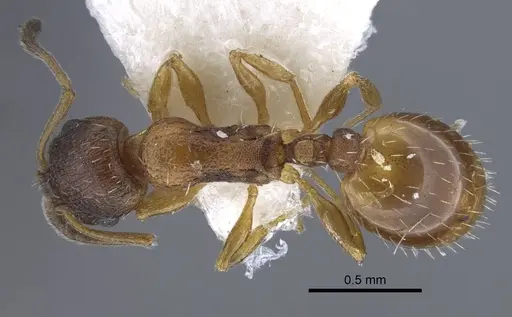
CASENT0917441
AntWeb'de Görüntüle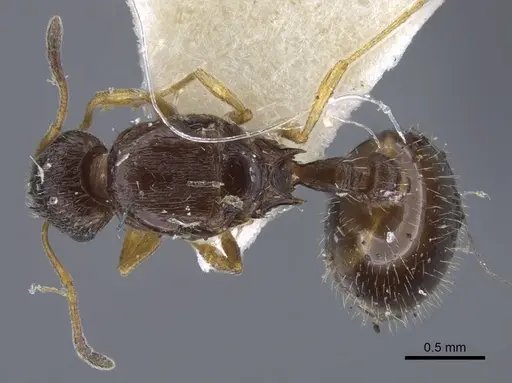
Literatür
Dağılım haritası yükleniyor...Ürünler yükleniyor...