
Temnothorax satunini
- Bilimsel Adı
- Temnothorax satunini
- Oymak (Tribe)
- Crematogastrini
- Alt Familya
- Myrmicinae
- Yazar (Tanımlayan)
- Ruzsky, 1902
- Dağılım
- 0 ülkede bulundu
Giriş
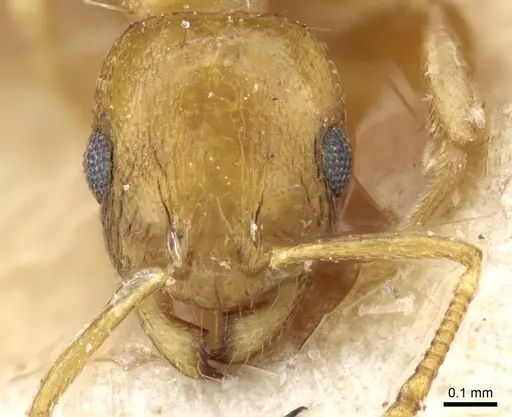
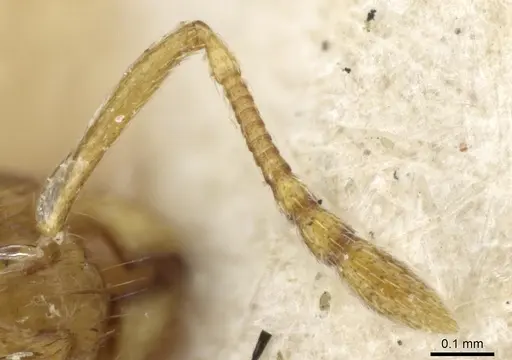
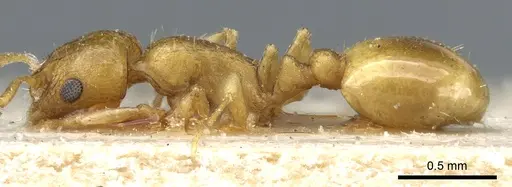
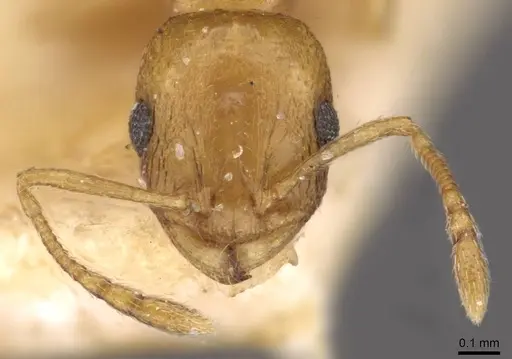
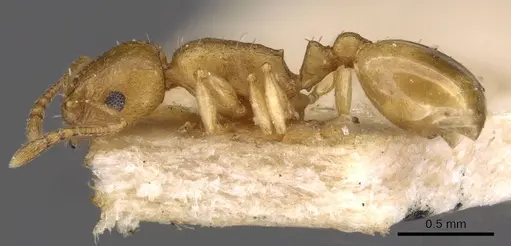
Temnothorax satunini is a small ant species described by Ruzsky in 1902 from Armenia . It is distributed across the Palaearctic region, including Armenia, Georgia, Kyrgyzstan, Russia, and Turkey . Workers are small and yellowish (typical of the genus), but precise size measurements are unavailable from the scientific literature. They likely nest under stones or in small cavities in warm, rocky habitats, based on genus patterns. Colony structure is inferred to be monogyne (single queen), though this is not confirmed by specific research for this species.
Quick Summary
- Difficulty: Easy
- Origin & Habitat: Palaearctic region: Armenia, Georgia, Kyrgyzstan, Russia, Turkey [1][2][3][4]. Likely inhabits warm, rocky areas and nests under stones or in small cavities (inferred from Temnothorax genus patterns).
- Colony Type: Likely monogyne (single-queen colony). Workers may replace the queen if she dies. This is inferred from typical Temnothorax biology, as no species-specific research on social structure is available.
- Size & Growth:
- Queen: Size data unavailable. Based on Temnothorax genus patterns, queens are slightly larger than workers (approximately 4-5 mm).
- Worker: Size data unavailable. Based on Temnothorax genus patterns, workers range from 2-4 mm.
- Colony: Unknown. Typical Temnothorax colonies reach several hundred workers.
- Growth: Unknown (likely moderate based on genus patterns).
- Development: Unknown. For related Temnothorax species, development takes 4-8 weeks at optimal temperatures. (Inferred from genus patterns, precise data for T. satunini are lacking.)
- Antkeeping:
- Temperature: Maintain at 20-24°C with a temperature gradient (heating cable on one side provides a range). Based on the species’ temperate distribution, it prefers warm conditions. Monitor behavior for fine-tuning.
- Humidity: Moderate to dry. Keep nest substrate slightly moist in one area but avoid waterlogging. These ants likely prefer dry conditions based on typical rocky habitats.
- Diapause: Likely required (based on temperate distribution). Provide a winter dormancy period of 2-3 months at 5-10°C. Skipping diapause may weaken the colony over time.
- Nesting: Y-tong (AAC), plaster, or test tube setups with small chambers. Prefers tight, narrow passages. Fine mesh or fluon barriers are essential for escape prevention due to their tiny size.
- Behavior: Peaceful and non-aggressive. Workers use tandem-running and chemical trails for foraging (typical of Temnothorax). Their defense mechanism is smearing venom (subfamily Myrmicinae, tribe Crematogastrini) but they are harmless to humans. Escape risk is high because of their small size.
- Common Issues: escape prevention is critical, they can slip through standard mesh, use fine mesh or fluon barriers., mold can grow from uneaten food, remove leftovers promptly and keep nest well-ventilated., incorrect humidity (too wet or too dry) can cause colony stress, maintain a moisture gradient., lack of winter diapause may lead to colony decline over multiple years for temperate species.
Housing and Nest Setup
Temnothorax satunini does well in small setups because of their tiny size. Y-tong (AAC) nests with small chambers and narrow passages are ideal. A test tube setup works well for founding colonies, keep the tube dark and warm. For larger colonies, you can use a naturalistic setup with flat stones or a small formicarium. The key is providing snug, enclosed spaces. Escape prevention is essential: use fine mesh or fluon on outworld walls. These ants can escape through gaps as small as 1 mm.
Feeding and Diet
Like most Temnothorax, they are omnivorous. Offer small live prey such as fruit flies or pinhead crickets, as well as sugar water or honey for energy. Remove uneaten food after a couple of days to prevent mold. Feed protein 2-3 times a week and keep a sugar source available at all times. In nature, they likely tend aphids for honeydew, but this is not required in captivity.
Temperature and Seasonal Care
Based on their temperate origin, these ants need warm conditions (20-24°C) during the active season. Use a heating cable on one side of the nest to create a gradient. During winter, provide a diapause period of 2-3 months at 5-10°C, this mimics the natural seasonal cycle and helps maintain colony health. If you skip diapause, the colony may decline over several generations. [2]
Colony Development
A newly mated queen will likely seal herself in a small chamber and raise the first workers without feeding (claustral founding). The first workers (nanitics) should emerge after 4-8 weeks at optimal temperature. These workers are smaller than mature workers and begin foraging. Growth is moderate, the colony may reach 50 workers within 6-12 months. Maximum colony size is unknown but estimated at several hundred workers based on related species.
Behavior and Temperament
This species is peaceful and rarely shows aggression. Workers are active foragers and use tandem-running to recruit nestmates to food. Their main defense is smearing venom (a characteristic of the Crematogastrini tribe) but it is harmless to humans. Because of their small size, they are excellent escape artists, always secure the outworld with fine mesh or fluon.
Frequently Asked Questions
How long does it take for Temnothorax satunini to raise their first workers?
Exact timing is unknown, but for related Temnothorax species, first workers appear 4-8 weeks after egg-laying at room temperature. The queen raises them without feeding during founding.
What do Temnothorax satunini ants eat?
They are omnivorous. Offer small insects (fruit flies, pinhead crickets) for protein and sugar water or honey for carbohydrates. Remove uneaten food to prevent mold.
Do Temnothorax satunini ants need hibernation?
Likely yes. They come from a temperate region, so a winter diapause of 2-3 months at 5-10°C is recommended. Skipping it may weaken the colony over time.
Are Temnothorax satunini good for beginners?
Yes, they are easy to keep. They are peaceful, small, and do not require complex setups. The main challenges are escape prevention and providing proper winter diapause.
How big do Temnothorax satunini colonies get?
Exact colony size is unknown. Based on related Temnothorax, they likely reach several hundred workers.
Can I keep multiple Temnothorax satunini queens together?
This species is believed to be monogyne (one queen per colony). Keeping multiple unrelated queens together is not recommended as they will fight. If the queen dies, workers may produce replacement reproductives.
What temperature is best for Temnothorax satunini?
Keep them at 20-24°C with a temperature gradient. They prefer warm conditions based on their native habitat. A heating cable on one side of the nest works well.
Do Temnothorax satunini ants sting?
They can smear venom using a modified stinger (typical of the Crematogastrini tribe), but it is harmless to humans. They will flee rather than attack.
When should I move my colony to a formicarium?
Keep them in a test tube or small setup until the colony has at least 30-50 workers. After that, you can connect a larger nest (Y-tong or naturalistic) if desired. They do well in small nests even at larger colony sizes.
Why are my Temnothorax satunini dying?
Common causes include: temperatures below 18°C, humidity extremes (too wet or dry), mold from spoiled food, parasites from wild-caught colonies, or escape. Check each factor if you see problems.
Report an Issue
The current care sheet is based fully on literature. See inconsistencies, or something that's incorrect? Please , it will be resolved after review from an admin. Contributing to the blogs tab also helps providing information, to make us be able to further improve the caresheets. Thank you for your support!
References

Bu bakım rehberi şu lisans altındadır: CC BY-SA 4.0 .
Topluluk Blogları
CASENT0904745
AntWeb'de Görüntüle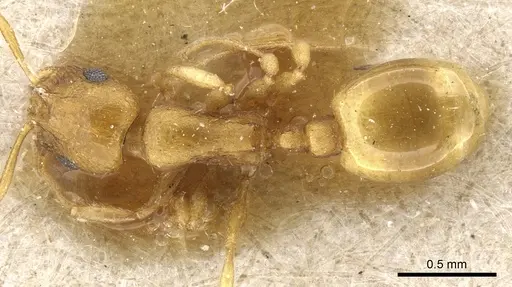
CASENT0909018
AntWeb'de Görüntüle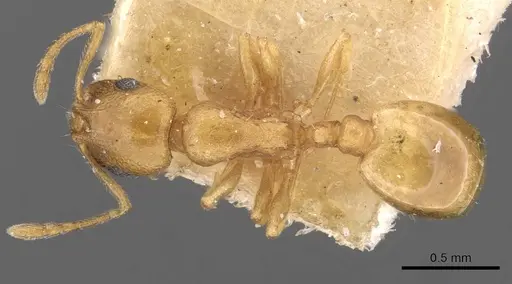
Literatür
Dağılım haritası yükleniyor...Ürünler yükleniyor...