
Temnothorax neminan
- Bilimsel Adı
- Temnothorax neminan
- Oymak (Tribe)
- Crematogastrini
- Alt Familya
- Myrmicinae
- Yazar (Tanımlayan)
- Espadaler, 1997
- Dağılım
- 0 ülkede bulundu
Giriş
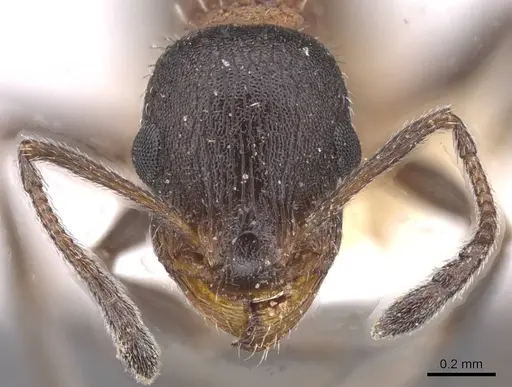
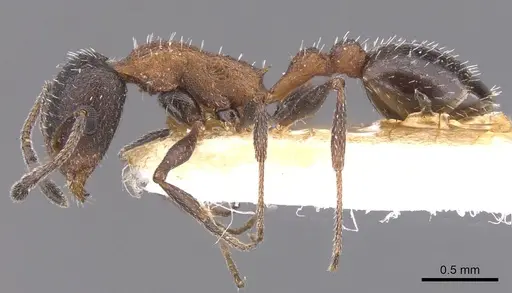
Temnothorax neminan is a tiny ant species endemic to Morocco, specifically found in the Dades gorges region . Workers are distinguished by their extremely long petiolar peduncle - the stalk connecting their gaster to the rest of the body - which is notably longer than other species in the related rottenbergii group . This species belongs to the Myrmicinae subfamily and was originally described as Leptothorax neminan before being reclassified to Temnothorax. These ants are part of the spine-bearing group within Temnothorax, though they remain among the least studied ant species in Morocco.
Quick Summary
- Difficulty: Unknown
- Origin & Habitat: Morocco, Dades gorges region, Palaearctic zone [1]. Mountain gorge environment with rocky terrain.
- Colony Type: No specific data available. Typically, Temnothorax species are monogyne (single queen), but this is unconfirmed for Temnothorax neminan.
- Size & Growth:
- Queen: Data unavailable.
- Worker: Data unavailable.
- Colony: Data unavailable.
- Growth: Unknown
- Development: Unknown (No specific development data exists for this species.)
- Antkeeping:
- Temperature: Not documented. Based on Moroccan mountain origin, likely prefer temperate room conditions (18-25°C). Avoid extreme heat or cold.
- Humidity: Not documented. Provide a humidity gradient with a moist nest area (typical for Temnothorax).
- Diapause: Not confirmed. If originating from a temperate climate, a mild winter rest period (2-3 months at 10-15°C) may be beneficial. Observe colony behavior.
- Nesting: Not documented. Based on genus patterns, likely nest in small cavities under stones or in rotting wood. Use small test tube or Y-tong nest with narrow chambers.
- Behavior: Defense mechanism: smear, uses a modified stinger to wipe venom onto enemies. Not aggressive towards keepers. Very small, requires excellent escape prevention. Workers are likely active foragers.
- Common Issues: tiny size makes escape prevention critical if gaps are present., lack of species-specific care data means keepers must rely on general Temnothorax knowledge., wild-caught colonies may have parasites or stress issues., overheating (above 28°C) can be fatal, keep in stable temperatures.
Housing and Nest Setup
Due to their tiny size, Temnothorax neminan requires a small formicarium. A test tube setup with a water reservoir and cotton plug works well for starting colonies. For established colonies, a Y-tong (AAC) nest with narrow chambers is ideal. Avoid large spaces. Ensure excellent escape prevention: use fine mesh (0.8mm or smaller) on ventilation and apply fluon or PTFE around the lid edges. Check for any gaps, these ants can squeeze through incredibly small openings.
Feeding and Diet
Suggested diet: small live prey such as fruit flies, springtails, or tiny crickets. Also accept sugar sources (e.g., honey water). Remove uneaten prey within 24 hours to prevent mold. Feed protein 2-3 times per week. Sugar water can be offered continuously but refresh every few days.
Temperature and Seasonal Care
Specific temperature needs are unknown. Based on their origin in the Moroccan Dades gorges [1], which has a temperate mountain climate, keep them at room temperature (18-25°C). Avoid sudden temperature changes and extremes above 28°C. A winter rest period (diapause) is unconfirmed, if you choose to provide one, gradually lower temperature to 10-15°C for 2-3 months after the first year. Observe colony response.
Behavior and Observation
Temnothorax neminan uses a smear defense mechanism: workers have a modified stinger and wipe venom onto attackers rather than stinging. They are not aggressive towards humans. Workers are small and may exhibit tandem-running (one worker leading another to food), a behavior common in the genus. Dead workers outside the nest are normal, sick ants leave the colony to die. Their small size makes observation with a magnifying glass or macro lens ideal.
Frequently Asked Questions
How long does it take for Temnothorax neminan to raise their first workers?
Unknown. No specific development data exists. Based on general Temnothorax patterns, it may take several weeks to months, but this is speculative.
What do Temnothorax neminan ants eat?
They accept small live prey (fruit flies, springtails, tiny crickets) and sugar sources like honey water. This is inferred from related Temnothorax species, as no specific dietary data exists.
Do Temnothorax neminan ants sting?
They have a modified stinger used for smear defense, they wipe venom onto targets rather than piercing. They are harmless to humans and not aggressive.
Can I keep Temnothorax neminan in a test tube?
Yes, a small test tube setup is suitable for founding and young colonies. Ensure excellent escape prevention.
Do Temnothorax neminan ants need hibernation?
Not confirmed. If you choose to provide a diapause, a mild one (2-3 months at 10-15°C) may be beneficial. Monitor the colony.
How big do Temnothorax neminan colonies get?
Unknown. Colony size data is unavailable for this species.
Are Temnothorax neminan ants good for beginners?
Not recommended for beginners due to lack of specific care data and their tiny size requiring careful escape prevention. Suitable for experienced keepers interested in less-known species.
What temperature range is ideal for Temnothorax neminan?
Based on their Moroccan origin, room temperature (18-25°C) is recommended. Avoid extremes.
Where is Temnothorax neminan found in the wild?
Endemic to Morocco, specifically the Dades gorges region [1].
Why are my Temnothorax neminan ants escaping?
Their tiny size allows them to squeeze through gaps that seem impossibly small. Use fine mesh ventilation and apply fluon or PTFE on the edges of the nest container. Check all seals.
Report an Issue
The current care sheet is based fully on literature. See inconsistencies, or something that's incorrect? Please , it will be resolved after review from an admin. Contributing to the blogs tab also helps providing information, to make us be able to further improve the caresheets. Thank you for your support!
References

Bu bakım rehberi şu lisans altındadır: CC BY-SA 4.0 .
Topluluk Blogları
CASENT0912969
AntWeb'de Görüntüle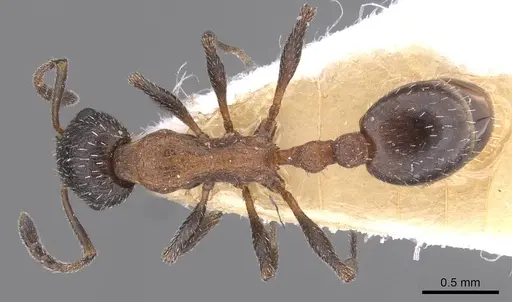
Literatür
Dağılım haritası yükleniyor...Ürünler yükleniyor...