
Temnothorax arkasi
- Bilimsel Adı
- Temnothorax arkasi
- Oymak (Tribe)
- Crematogastrini
- Alt Familya
- Myrmicinae
- Yazar (Tanımlayan)
- Salata & Borowiec, 2022
- Dağılım
- 0 ülkede bulundu
Giriş
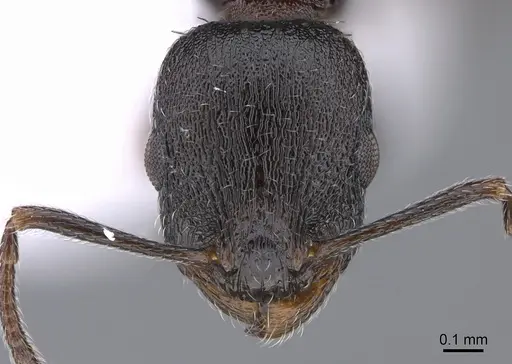
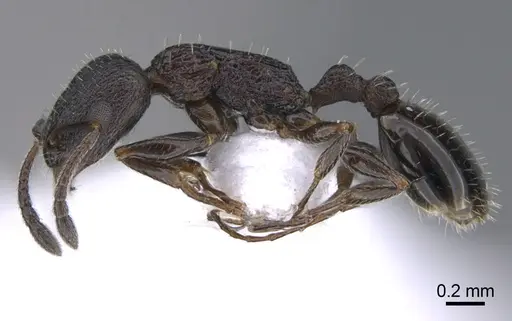
Temnothorax arkasi is a tiny, recently described ant species from the mountains of Greece. Workers have a dark brown head, brownish-black mesosoma, and a brown gaster with a slightly brighter base. The scape (the long first segment of the antenna) is yellowish to yellowish-brown, giving these ants a distinctive two-toned look. They were only officially recognized as a separate species in 2022,previously mixed up with the related Temnothorax anodontoides . This species lives in an unusual habitat for ants - the rocky northern slopes of Mt. Parnon at around 1375 m elevation, in a young and sparse fir forest. This is an alpine zone with cooler temperatures and rocky terrain, meaning these ants prefer cooler, more temperate conditions than many other Mediterranean species. Like most of their genus, commonly called "acorn ants" because of their love for tiny nesting spaces, they likely nest in small cavities under stones or in rotting wood .
Quick Summary
- Difficulty: Medium
- Origin & Habitat: Greece, Peloponnesus region, specifically Mt. Parnon in Arkadia province. They live in an alpine zone on rocky northern slopes covered with young, sparse fir forest at approximately 1375 m elevation [1]. The combination of high elevation and northern exposure means they experience cooler, more temperate conditions than typical Mediterranean ants.
- Colony Type: Likely single-queen colonies (monogyne), based on typical Temnothorax genus patterns. Colony structure has not been directly studied for this species.
- Size & Growth:
- Queen: Size data unavailable, no queen specimens have been collected or measured. Based on related Temnothorax species, queens are probably slightly larger than workers.
- Worker: Approximately 2-3 mm total body length, inferred from body part measurements in the type description [1].
- Colony: Unknown, no data available. Typical Temnothorax colonies are not large, but specific limits are not documented for this species.
- Growth: Unknown, no documented data. Development likely follows typical Temnothorax patterns, but no specific timeline has been established.
- Development: Unknown, no specific studies. Based on typical Temnothorax development, may take 6-10 weeks at optimal temperatures, but this has not been confirmed for this species. (Development time depends on temperature, warmer conditions within a suitable range may speed it up, cooler conditions slow it down.)
- Antkeeping:
- Temperature: Keep the nest area around 18-22°C. This species comes from a cool alpine habitat in Greece, so they prefer temperate conditions rather than warmth. Avoid overheating, room temperature or slightly below is appropriate. A gentle gradient allowing workers to pick their preferred temperature works best.
- Humidity: Moderate humidity is appropriate. These ants live in a mountainous forest environment with some moisture. Keep the nest substrate lightly moist but not waterlogged, with some drier areas available for the ants to choose between. Good ventilation helps prevent mold while maintaining appropriate moisture levels.
- Diapause: Yes, this species originates from a temperate mountain environment with distinct seasons. A winter rest period (diapause) at around 5-10°C for 2-3 months is likely necessary for colony health, similar to other European Temnothorax species. Reduce feeding and keep them in a cool, dark location during this period.
- Nesting: Temnothorax ants nest in small cavities, under stones, in rotting wood, or in tiny rock crevices. In captivity, they do well in small test tubes, Y-tong (AAC) nests with narrow chambers, or small plaster nests. The key is providing appropriately scaled tiny chambers, not large open spaces. They prefer dark nesting areas and are sensitive to disturbance.
- Behavior: These ants defend themselves by smearing venom using a modified stinger (a common trait in their subfamily). They are calm, non-aggressive, and prefer to flee rather than fight. Workers are tiny and relatively slow-moving. They likely forage individually or use tandem-running (one worker leads another to food sources), which is common in the genus. Escape prevention is critical because their tiny size allows them to squeeze through standard barrier setups, use fine mesh and ensure all connections are tight.
- Common Issues: escape prevention is critical, their tiny size means they can squeeze through gaps that larger ants cannot fit through, colonies may fail if kept too warm, they come from cool alpine conditions and overheating can be fatal, winter diapause appears necessary but timing and temperature must be correct, too warm during dormancy weakens colonies, slow growth can frustrate beginners, these are not fast-growing ants and require patience, test tube setups must have appropriately sized water reservoirs, too much water can flood the nesting chamber and kill the colony
Housing and Nest Setup
Temnothorax arkasi requires appropriately scaled housing due to their tiny size. Small test tubes work well for founding colonies, use a test tube with a small water reservoir (about 1-2 cm of water, not filling half the tube) sealed with a cotton plug. The queen will seal herself in the dry end and the first workers will develop there. For established colonies, Y-tong (AAC) nests with narrow chambers or small plaster nests work better than large formicarium setups. The key principle is: smaller is better. These ants feel secure in tiny cavities and may be stressed in large, open spaces. Provide a dark covering over the nest area and minimize disturbances. An outworld (foraging area) should be small and simple, a small plastic container connected by tubing works fine.
Feeding and Diet
Like most Temnothorax species, Temnothorax arkasi likely accepts a typical ant diet of small protein sources and sugar water. Offer small insects like fruit flies, pinhead crickets, or small mealworms, chopped into appropriately tiny pieces. Sugar water, honey diluted with water, or commercial ant nectar products should be available at all times. Feed small amounts every 2-3 days, removing uneaten food to prevent mold. Because of their tiny size, even a single fruit fly is a substantial meal for a founding colony. As colonies grow, increase food quantity but keep portions small. These ants are not heavy feeders compared to larger species.
Temperature and Seasonal Care
This species requires cooler conditions than many ant species. Keep the nest area at 18-22°C, room temperature is often ideal. They come from an alpine environment in Greece, so they are adapted to cooler, more temperate conditions [1]. Avoid placing the nest near heat sources or in direct sunlight. During summer months, ensure they are not overheated. In winter, provide a diapause (winter rest) period of 2-3 months at around 5-10°C. This can be done in a garage, basement, or refrigerator (not freezer). Reduce feeding during diapause and keep them in darkness. The winter rest appears necessary for colony health based on related European species. Do not feed during diapause and check monthly that the test tube has water.
Handling and Colony Maintenance
Temnothorax arkasi is a docile species that can be handled gently when necessary, but minimal disturbance is always better. When moving or checking colonies, do so quietly and quickly, these ants are sensitive to vibrations and light changes. For colony transfers, connect the old nest to the new one with tubing to let workers move voluntarily. Never shake or force ants out of their nest. Watch for signs of stress: workers clustering excessively, avoiding the nest, or constantly trying to escape. Healthy colonies have workers actively foraging and caring for brood. Their tiny size means they can be easily crushed, use soft tools and gentle movements when working with them.
Frequently Asked Questions
How long does it take for Temnothorax arkasi to raise their first workers?
Expect 6-10 weeks from egg to first worker at optimal temperature (around 18-22°C). This is based on typical Temnothorax genus development, no specific studies exist for this newly described species. The first workers (nanitics) will be smaller than normal workers, and the queen may eat some eggs if resources are limited, which is normal behavior.
Can I keep Temnothorax arkasi in a test tube setup?
Yes, test tubes are ideal for this species. Use a small test tube with a modest water reservoir (1-2 cm) sealed with cotton. The queen will seal herself in the dry end. For larger colonies, you can connect multiple test tubes with tubing to create a multi-chamber setup. The key is providing appropriately sized tiny chambers, larger formicariums are not necessary and may stress these small ants.
Do Temnothorax arkasi ants need hibernation?
Yes, a winter diapause appears necessary. This species comes from a cool alpine environment in Greece with distinct seasons [1]. Provide 2-3 months of cold (around 5-10°C) during winter, this can be in a garage, basement, or refrigerator. Reduce feeding during this period and keep them in darkness. Skipping hibernation can weaken colonies over time and prevent proper seasonal cycling.
What do Temnothorax arkasi ants eat?
Feed small protein sources like fruit flies, tiny crickets, or small mealworms chopped into pieces. Sugar water or diluted honey should be available at all times. Feed small amounts every 2-3 days and remove uneaten food promptly. Because of their tiny size, even minimal portions are substantial for these ants.
Are Temnothorax arkasi good for beginners?
This species is rated as medium difficulty. They are small and require careful attention to escape prevention and temperature control. They are not as forgiving as larger, more common species like Lasius or Camponotus. However, their small size and simple housing needs make them manageable for committed beginners who research their specific needs. The main challenges are escape prevention (due to tiny size) and providing proper winter diapause.
How big do Temnothorax arkasi colonies get?
No colony size data exists for this species, it was only described in 2022. Based on typical Temnothorax species, colonies are not large compared to species like Formica or Camponotus, but exact numbers are unknown.
Do Temnothorax arkasi ants sting?
Temnothorax ants do not have a piercing stinger. Their primary defense is a modified stinger used to smear venom onto enemies, a characteristic of their subfamily. For keepers, they are completely safe, no sting pain or allergic reactions to worry about.
When should I move my colony to a larger nest?
With Temnothorax, you rarely need to upgrade to large formicariums. When the test tube becomes too crowded or the water supply runs low, connect a new test tube with tubing rather than switching to a large nest. They thrive in small spaces. Only consider Y-tong or small plaster nests when you have over 100 workers and want to observe them more easily.
Why are my Temnothorax arkasi dying?
Common causes include: overheating (keep below 22°C), escape through tiny gaps, improper humidity (too wet or too dry), stress from disturbance, or improper diapause. Check that your setup maintains appropriate temperature, escape prevention is complete, and the water reservoir is not flooding the nest. Also ensure they are getting proper nutrition, both protein and sugar.
Can I keep multiple queens together?
Temnothorax arkasi likely forms single-queen colonies (monogyne), typical for the genus. Combining unrelated queens is not recommended and has not been documented for this species. If you acquire multiple founding queens, house them separately to ensure colony success.
Report an Issue
The current care sheet is based fully on literature. See inconsistencies, or something that's incorrect? Please , it will be resolved after review from an admin. Contributing to the blogs tab also helps providing information, to make us be able to further improve the caresheets. Thank you for your support!
References

Bu bakım rehberi şu lisans altındadır: CC BY-SA 4.0 .
Topluluk Blogları
CASENT0923717
AntWeb'de Görüntüle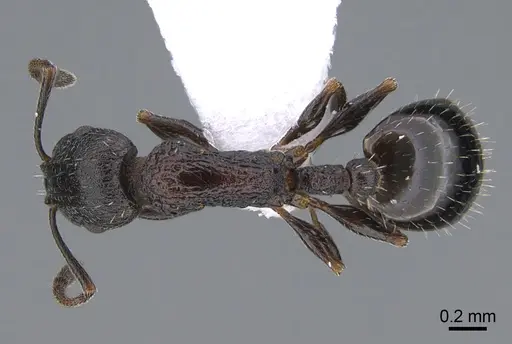
Literatür
Dağılım haritası yükleniyor...Ürünler yükleniyor...