
Temnothorax apolloni
- Bilimsel Adı
- Temnothorax apolloni
- Oymak (Tribe)
- Crematogastrini
- Alt Familya
- Myrmicinae
- Yazar (Tanımlayan)
- Salata <i>et al.</i>, 2024
- Dağılım
- 0 ülkede bulundu
Giriş
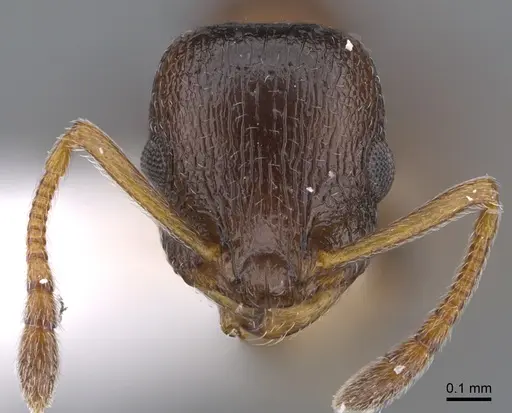
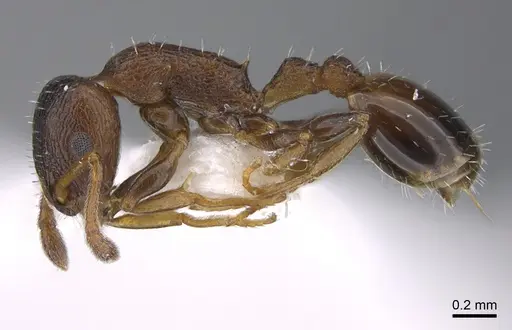
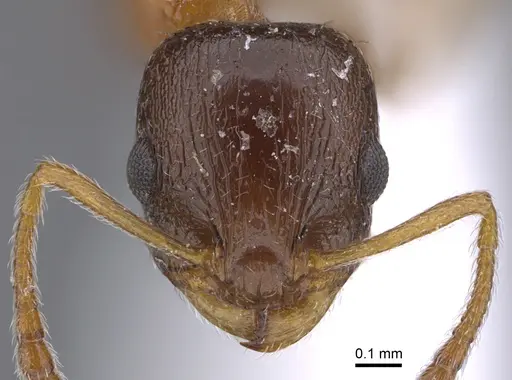
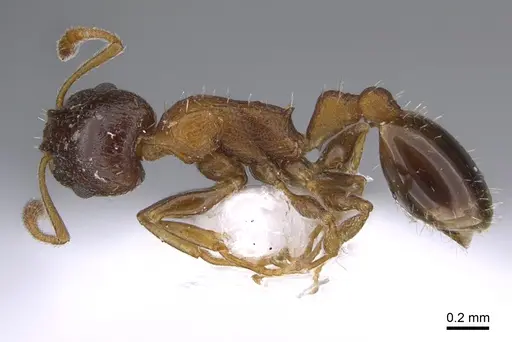
Temnothorax apolloni is a tiny, newly described ant species from Cyprus, belonging to the Temnothorax angustulus group . Workers have a distinctly bicolored body: the head and gaster are dark brown, while the mesosoma, petiole, and postpetiole are a rusty yellowish-brown . This species was only formally described in 2024,making it one of the newest ant species in the hobby. It is endemic to Cyprus, found across the island from sea level up to 680 m altitude . These ants are strongly thermophilous (warmth-loving), living in some of the hottest, driest parts of Cyprus. They nest in the hollow stems and branches of shrubs, particularly Pistacia bushes, and sometimes in dried fruit that has fallen to the ground . This nesting preference means they need tight, stem-like spaces in captivity rather than typical soil nests.
Quick Summary
- Difficulty: Medium
- Origin & Habitat: Cyprus endemic – found across the island from sea level to 680 m altitude. Inhabits sunny outskirts of pine forests, sunny meadows, roadsides, sunny hills, and outskirts of salt lakes. Strongly thermophilous, preferring hot and dry conditions [1][2][3].
- Colony Type: Likely single-queen colonies (monogyne) based on typical Temnothorax genus patterns. Colony size is expected to remain small, likely under 100 workers at maturity, as is typical for the genus.
- Size & Growth:
- Queen: Size data unavailable – unknown for this newly described species
- Worker: Size data unavailable – typical Temnothorax workers are 2–4 mm, inferred from genus patterns
- Colony: Likely under 100 workers at maturity based on typical Temnothorax patterns
- Growth: Moderate – typical for small Temnothorax species
- Development: Estimated 6–10 weeks at optimal temperature based on related Temnothorax species (Development time has not been specifically studied for this species. Temperature will significantly impact development speed – warmer conditions within safe range will speed development.)
- Antkeeping:
- Temperature: Warm conditions required – aim for 22–26 °C, typical for a thermophilous Mediterranean species. A small heating cable on one side of the nest can create a gentle gradient [1][2] (cite thermophilous nature).
- Humidity: Low to moderate – these ants naturally live in dry, sunny locations and nest in dry plant stems. Keep the nest substrate slightly moist but allow portions to dry out. Avoid overly damp conditions that could cause mold [3].
- Diapause: Likely required – as a Mediterranean species from Cyprus, they probably need a mild winter rest period of 2–3 months at around 10–15 °C. More research is needed to confirm.
- Nesting: Stem-nesting species. In captivity, they do well in small test tubes, Y‑tong (AAC) nests with tiny chambers, or naturalistic setups with dried twigs. Provide tight, narrow passages scaled to their tiny size. Avoid large open spaces. Acrylic nests are not recommended [3].
- Behavior: Generally peaceful and non‑aggressive. Workers are tiny and timid, foraging individually rather than in raiding parties. They likely collect honeydew from aphids in the wild and hunt small insects. Their main defense is a modified stinger for smearing venom, but they rarely use it on humans. Escape prevention is critical due to their very small size – use fine mesh and tight seals.
- Common Issues: escape prevention is critical due to their very small size – use fine mesh and tight‑fitting lids, newly described species – care information is limited to genus‑level knowledge, being thermophilous, they may struggle in cool rooms or during winter without appropriate heating, dry stem nesting means they need well‑drained conditions – avoid waterlogging which can kill colonies
Housing and Nest Setup
Temnothorax apolloni needs tight, stem‑like nesting spaces. In the wild, they live in hollow twigs and branches, so your setup should mimic this. Small Y‑tong (AAC) nests with narrow chambers work well, as do small test tubes with cotton plugs. The key is tight passages – these ants feel secure in snug spaces. A naturalistic setup with small dried twigs or stems arranged horizontally can also work, though you will need to watch for mold issues. Avoid large, open formicaria designed for bigger ants. Acrylic nests are not recommended for this species, stick to Y‑tong, plaster, or 3D‑printed nests scaled to their size [3].
Temperature Requirements
Being a Cypriot thermophilous species, Temnothorax apolloni needs warmth. Aim to keep the nest area at 22–26 °C, with a slight gradient if possible. You can create this with a heating cable placed on one side of the nest – just be sure to put it on top of the nest rather than underneath to avoid evaporating moisture too quickly. Room temperature alone may be too cool, especially in winter. Watch for colony activity: if workers cluster near the warmer side, they are telling you they want more heat. If they avoid the heated area, reduce heat. The species naturally lives in hot, sunny locations across Cyprus, so they are adapted to consistently warm conditions [1][2].
Feeding and Diet
Like most Temnothorax species, Temnothorax apolloni likely feeds on honeydew collected from aphids and scale insects in the wild, plus small insects and arthropods. In captivity, offer sugar water or honey water as a constant energy source. For protein, provide small live prey such as fruit flies, pinhead crickets, or tiny mealworms. Because of their small size, prey items should be appropriately sized – nothing larger than they can handle. They are not aggressive hunters, so small, slow‑moving prey is best. Feed small amounts of protein 2–3 times per week, and keep sugar water available at all times. Remove uneaten prey after 24–48 hours to prevent mold.
Humidity and Water
These ants naturally inhabit dry, sunny Mediterranean locations and nest in dry plant stems. This means they prefer drier conditions than many ant species. Keep the nest substrate lightly moist but allow portions to dry completely between waterings. Good ventilation is important to prevent mold buildup. The key is providing a moisture gradient – some areas slightly damp, others dry – so the ants can choose what they need. Avoid the damp, swampy conditions that work for rainforest species. A small water tube connected to the nest is sufficient for drinking water [3].
Winter Care and Diapause
As a Mediterranean species from Cyprus, Temnothorax apolloni likely needs a mild winter rest period. Reduce temperatures to around 10–15 °C for 2–3 months during winter. You can achieve this by moving the colony to a cooler location such as an unheated garage or basement. During this time, reduce feeding significantly – the colony will be less active. Do not feed during diapause. Make sure they have access to water even during the cool period. After winter, gradually warm them back up in spring to trigger renewed activity and breeding.
Handling and Temperament
Temnothorax apolloni is a peaceful, non‑aggressive species. Workers are tiny and timid, unlikely to bite or sting. They have a modified stinger used for smearing venom, but they rarely use it in defense against humans. The main concern with this species is their small size making them prone to escape – they can slip through very tiny gaps. Always use fine mesh on any ventilation holes, and check that lid seals are tight. When observing your colony, do so gently to avoid stressing the ants. These are observation ants rather than interactive pets – they are fascinating to watch but not handling‑friendly due to their size.
Frequently Asked Questions
How long does it take for Temnothorax apolloni to have first workers?
The exact development time is unconfirmed for this newly described species. Based on related Temnothorax species, expect 6–10 weeks from egg to first worker at optimal temperature (22–26 °C). Warmer temperatures within safe range will speed development, while cooler conditions will slow it down.
Can I keep Temnothorax apolloni in a test tube?
Yes, test tubes work well for founding colonies. Use a small test tube with a cotton plug and water reservoir. The narrow space mimics their natural stem‑nesting behavior. As the colony grows, you may need to connect additional test tubes or move to a small Y‑tong nest with tight chambers [3].
Do Temnothorax apolloni ants sting?
They have a modified stinger adapted for smearing venom (a trait of Crematogastrini), but they rarely use it defensively against humans. They are not aggressive and pose no danger to keepers. Their main defense is simply fleeing rather than fighting.
Are Temnothorax apolloni good for beginners?
This species is rated as medium difficulty. While smaller than many beginner species, their care requirements are straightforward: warmth, dry conditions, and small prey. The main challenges are their tiny size (requiring good escape prevention) and the fact that this is a newly described species with limited specific care data. Experienced antkeepers should have success, but complete beginners may want to start with more established species [1].
How big do Temnothorax apolloni colonies get?
Based on typical Temnothorax patterns, colonies likely max out at under 100 workers. This is a small colony species – do not expect the large worker numbers you might get from Lasius or Camponotus. The focus is on observing interesting behavior in a small, manageable colony rather than impressive numbers.
What temperature do Temnothorax apolloni need?
Keep them warm at 22–26 °C. Being a thermophilous species from Cyprus, they need temperatures on the warmer side. A heating cable on one side of the nest can help maintain these temperatures, especially in cooler rooms or during winter [1][2].
Do Temnothorax apolloni need hibernation?
Likely yes – as a Mediterranean species, they probably need a mild winter rest period of 2–3 months at 10–15 °C. This helps trigger natural breeding cycles. Reduce feeding during this period and ensure they have access to water.
What do Temnothorax apolloni eat?
They likely feed on honeydew from aphids in the wild, plus small insects. In captivity, offer sugar water or honey water constantly, plus small live prey such as fruit flies or tiny mealworms 2–3 times per week. Small prey items are essential due to their tiny size.
Why are my Temnothorax apolloni escaping?
Their small size means they can squeeze through tiny gaps. Use fine mesh (at least 0.5 mm or smaller) on all ventilation, ensure lid seals are tight, and check for any cracks or gaps in your setup. Escape prevention must be excellent with this species.
When should I move my colony to a formicarium?
You can keep them in test tubes or small Y‑tong nests indefinitely since colonies stay small. If you want to upgrade, wait until the colony has outgrown its current test tube and you see workers actively seeking more space. Use a nest with small, tight chambers rather than a large formicarium designed for bigger ants [3].
Report an Issue
The current care sheet is based fully on literature. See inconsistencies, or something that's incorrect? Please , it will be resolved after review from an admin. Contributing to the blogs tab also helps providing information, to make us be able to further improve the caresheets. Thank you for your support!
References

Bu bakım rehberi şu lisans altındadır: CC BY-SA 4.0 .
Topluluk Blogları
CASENT0923708
AntWeb'de Görüntüle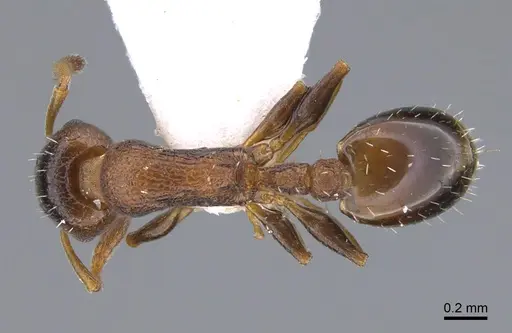
CASENT0923709
AntWeb'de Görüntüle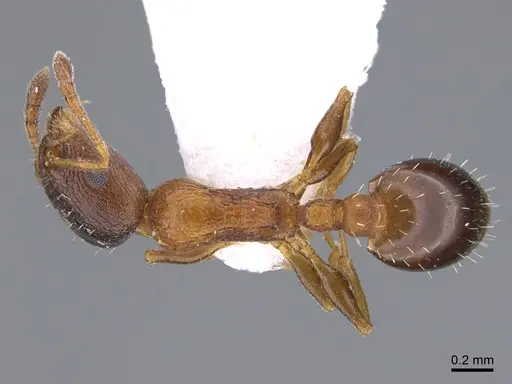
Literatür
Dağılım haritası yükleniyor...Ürünler yükleniyor...